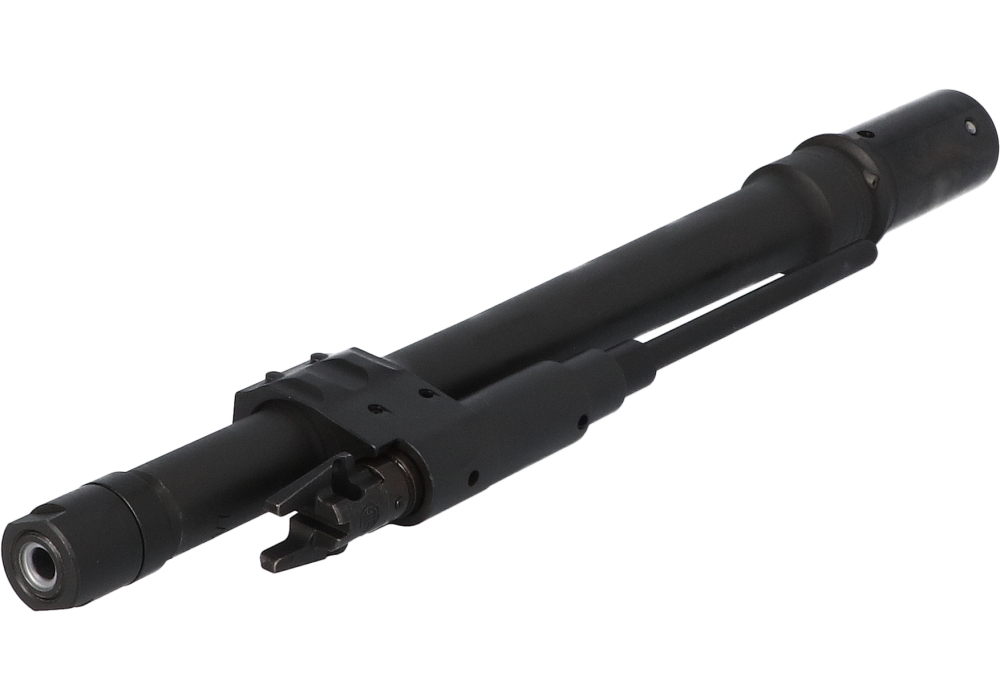
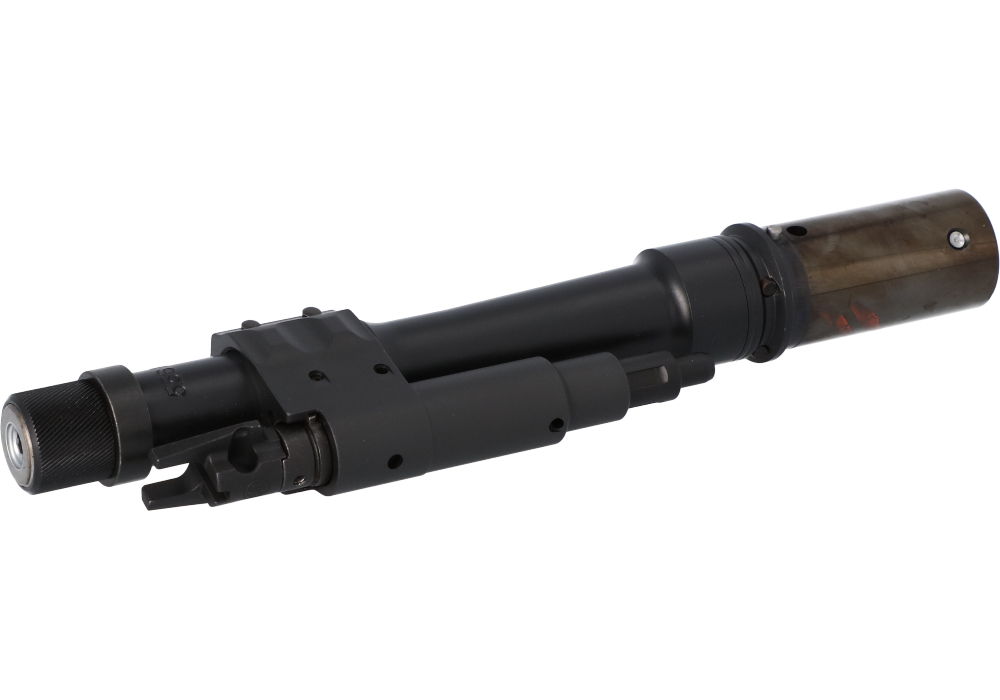
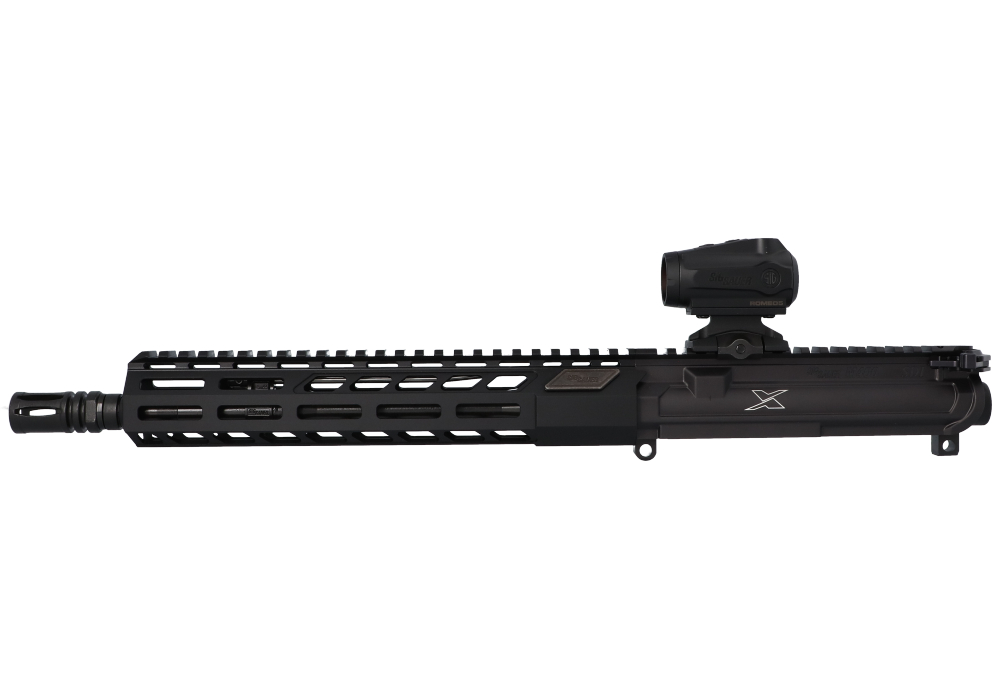
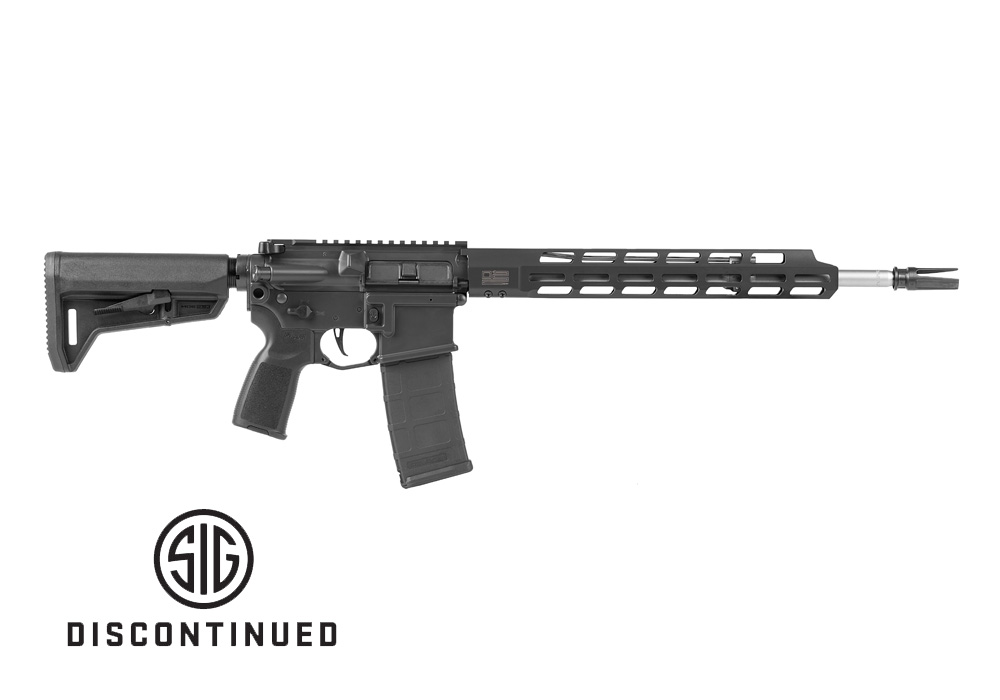
When selecting a 5.56 NATO upper receiver barrel, start with the role you want the finished firearm to perform and the configuration that best supports it. Barrel length is one of the most visible differences among these products, and it affects handling, velocity, balance, sound, and the way the firearm fits your intended setup. Compact barrels in the 7.5-inch to 10.5-inch range can suit pistol configurations where reduced overall length is a priority, though they generally produce more muzzle blast and give up more velocity than longer options. Barrels around 11.5 to 12.5 inches offer a practical middle ground for users who value maneuverability while retaining more performance than the shortest configurations. A 14.5-inch barrel is a familiar carbine-length choice, but the finished configuration may require a permanently attached muzzle device to meet applicable minimum-length requirements. For many owners, a 16-inch barrel provides a versatile balance of velocity, control, portability, and straightforward compliance without the need for a tax-stamp-regulated short-barreled rifle configuration. Longer 18-inch and 20-inch barrels can provide additional velocity and a steadier feel from a supported position, making them appealing for range work, varmint applications where lawful, or users who prefer a traditional rifle format. Every barrel should be selected with federal, state, and local laws in mind, and configuration requirements can vary depending on how the firearm is assembled and equipped. A 5.56 NATO chamber is also an important consideration because it is designed to accommodate 5.56 NATO ammunition and is generally compatible with .223 Remington ammunition when used according to the firearm manufacturer’s specifications. As you compare the products listed on this page, review barrel length, chambering, profile, finish, muzzle-thread pattern, and the type of upper receiver or handguard with which the barrel will be paired. A lightweight profile may reduce forward weight and make a rifle feel quicker in the hands, while a heavier profile can resist heat-related point-of-impact changes during extended range sessions. Stainless steel barrels are often chosen by shooters who place a premium on precision, while chrome-moly-vanadium options are valued for their durability and service-oriented performance. The right choice depends on the complete build rather than one isolated specification.
Twist rate, gas-system length, and compatibility with the rest of the upper assembly deserve equal attention. Common twist rates such as 1:7 and 1:8 are selected to stabilize a broad range of bullet weights, including commonly used 55-grain loads and heavier 62-, 69-, or 77-grain ammunition, although exact performance depends on bullet construction, velocity, and the individual barrel. A pistol-, carbine-, mid-length-, or rifle-length gas system must match the barrel’s gas port location and the other components in the operating system; a barrel is not a universal drop-in part for every upper receiver. Confirm gas-block diameter, gas-tube length, muzzle threads, feed-ramp compatibility, and the receiver extension and handguard dimensions before ordering. Users assembling a new upper may be shopping for a barrel as the foundation of a purpose-built configuration, while others may be replacing a worn, damaged, or no-longer-needed barrel on an existing firearm. Target shooters often appreciate a profile and twist rate suited to their preferred ammunition, hunters may prioritize a manageable overall package and dependable accuracy for lawful game, and those training with a general-purpose rifle may look for a balanced barrel that remains comfortable through a full day at the range. Suppressor users should verify thread compatibility, manufacturer recommendations, and all applicable regulations before choosing a barrel or assembling a suppressed configuration. A properly matched barrel can also make a thoughtful gift for an experienced firearm owner, gunsmith, or enthusiast who is completing a compliant build, provided the recipient can legally possess the item and the purchase follows all applicable transfer rules. For shoppers who need a replacement part rather than a complete upper assembly, the selection of 5.56 NATO Replacement Barrels can help narrow the search to the appropriate component category. Before installation, inspect the product specifications carefully and use a qualified gunsmith when you are uncertain about barrel fitment, headspace, torque, gas-system alignment, or the interaction between the barrel and muzzle device. After assembly, verify function safely at an appropriate range with quality ammunition, follow the firearm manufacturer’s instructions, and store the completed firearm and ammunition securely. During the warmer range season and into the cooler months, a well-chosen 5.56 NATO barrel can provide a dependable foundation for practice, recreation, lawful field use, and a carefully tailored rifle configuration.