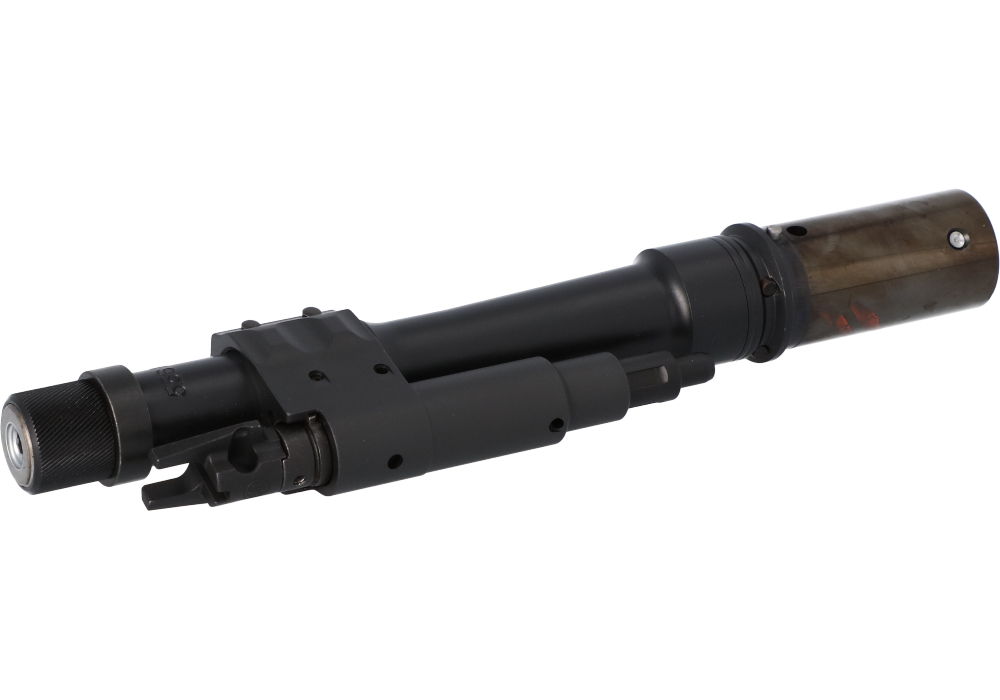
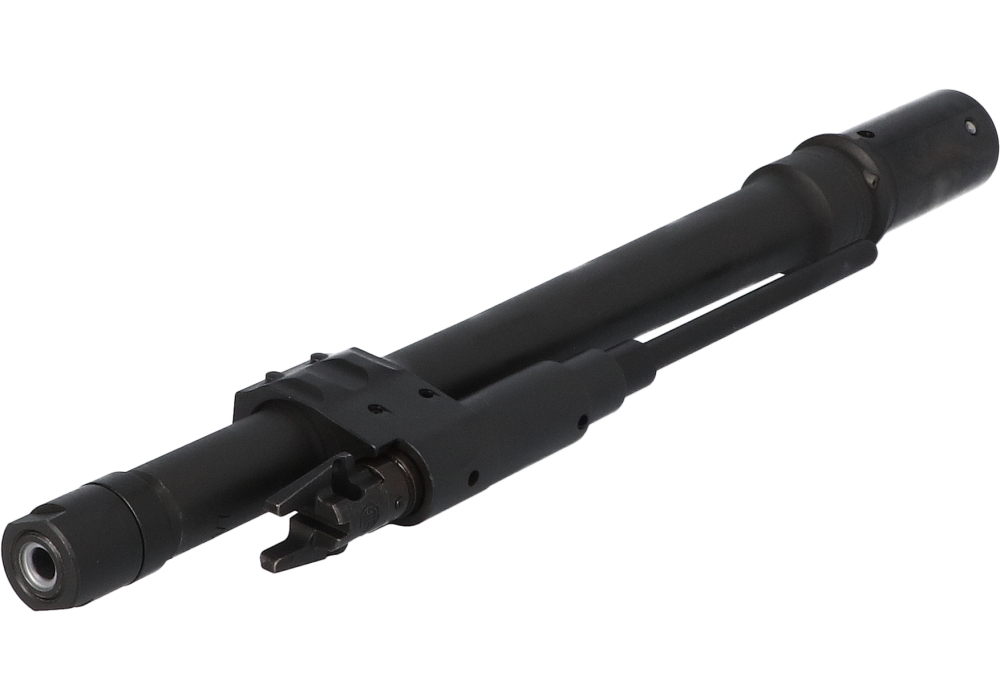
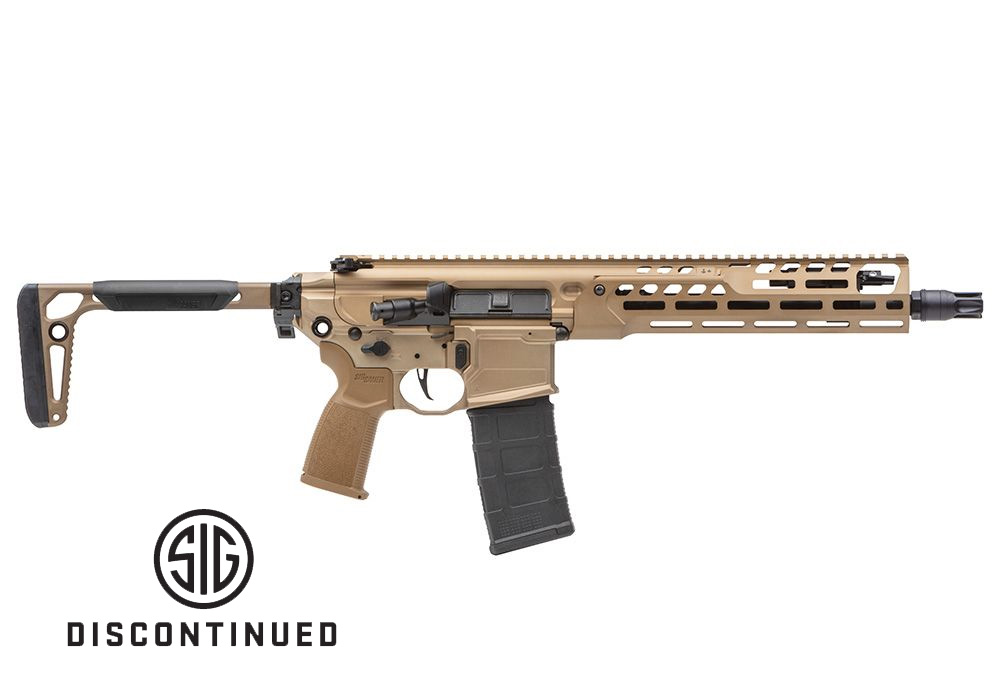
A 5.56 NATO replacement barrel can give an AR-15 pattern rifle a practical new start when the original barrel has reached the end of its service life, sustained damage, or no longer delivers the accuracy its owner expects. It can also be a useful choice for a carefully planned rifle project, provided the buyer confirms compatibility before ordering. These barrels are commonly selected by recreational shooters, hunters pursuing suitable small game where lawful, competitive participants, instructors, and firearm owners who maintain their rifles for training and range use. A replacement barrel may help restore consistent groups, refresh a well-used platform, or tailor the rifle’s handling to a preferred configuration. For many owners, the decision is less about replacing a single worn component and more about preserving a familiar rifle that has earned a place in the safe. The right barrel can retain the feel of a trusted setup while addressing changing needs, whether that means a lighter profile for easier handling, a different length for a particular configuration, or a durable finish suited to regular use. Before purchasing, verify the chambering, barrel extension, gas-block journal diameter, thread pattern, overall length, and intended installation method. A qualified gunsmith should handle installation, headspace checks, and any work involving a pinned muzzle device or other permanent attachment. Buyers should also review applicable federal, state, and local laws, particularly when selecting shorter barrels or configuring a firearm with a shoulder stock, stabilizing accessory, suppressor, or other regulated component.
Length is one of the most visible differences among 5.56 NATO replacement barrels, but it affects much more than appearance. Compact options around 10.5 or 11.5 inches are often chosen for configurations where maneuverability is important, while 14.5-inch barrels are frequently paired with a permanently attached muzzle device to achieve the required legal overall barrel length. A 16-inch barrel remains a familiar all-purpose choice for many AR-15 pattern rifles, offering a balanced combination of handling, velocity, and compatibility with common rifle setups. Longer barrels can provide additional velocity and a steadier feel from supported positions, though they may add weight and length that some owners do not want. The gas system must match the barrel and the rest of the rifle: pistol-, carbine-, mid-length-, and rifle-length arrangements use different gas tube dimensions and influence cycling characteristics, handguard selection, and shooting feel. The gas-block journal is equally important, since a replacement barrel intended for a .750-inch gas block will not directly match every existing assembly. Twist rate also deserves close attention. Common 1:7 and 1:8 twists are designed to stabilize a broad range of 5.56 NATO projectile weights, including many loads up to 77 grains, although the best result depends on bullet construction, velocity, barrel length, and the individual rifle. A 1:7 twist may suit heavier projectiles, while a 1:8 twist offers a versatile option for owners who use a mixture of common practice and duty-style loads. Confirm ammunition guidance from the barrel and rifle manufacturers, and remember that accuracy is influenced by the complete system, including the optic, mount, trigger, ammunition, shooting position, and maintenance routine.
Construction and finish help determine how a barrel fits into a rifle’s intended role. 4150 chrome moly vanadium steel is widely used for durable 5.56 NATO barrels, while stainless steel options may appeal to shooters who place a premium on precision-oriented performance and a distinctive appearance. Chrome-lined bores are valued for their resistance to wear and corrosion, while nitride treatments can provide a hard, protective surface on compatible barrel materials. Neither specification tells the entire story; profile, manufacturing quality, rifling, chamber dimensions, crown condition, and quality-control practices all matter. Government, M4, lightweight, and other profiles offer different balances of stiffness, heat management, and overall weight. A heavier profile can remain steadier during extended strings, while a lightweight barrel may be more comfortable when carrying the rifle across a range or moving between shooting positions. As the weather warms, a barrel that keeps the rifle manageable during outdoor practice can make long days more enjoyable; during the cooler months, corrosion-resistant finishes and sensible storage remain important for equipment that may spend more time in a case or safe. Expected service life varies widely with ammunition, firing schedule, cleaning habits, cooling time, and the standards used to evaluate accuracy. Many quality barrels can provide thousands of rounds of useful service, but frequent rapid fire and poor maintenance can shorten that span. Store the barrel clean and dry, protect exposed threads, inspect the crown and chamber before installation, and use an appropriate torque procedure for the barrel nut and muzzle device. A replacement barrel can be a thoughtful gift for an experienced firearm owner, but it is best given with confirmed specifications or alongside a gift card, since length, gas-system dimensions, twist rate, and legal requirements are highly personal. For shoppers comparing compatible options, the broader NATO Rifle Barrels selection provides a useful place to review configurations and narrow the choice. The goal is a dependable match for the rifle, ammunition, and lawful use—not simply the lowest price or the most aggressive specifications.