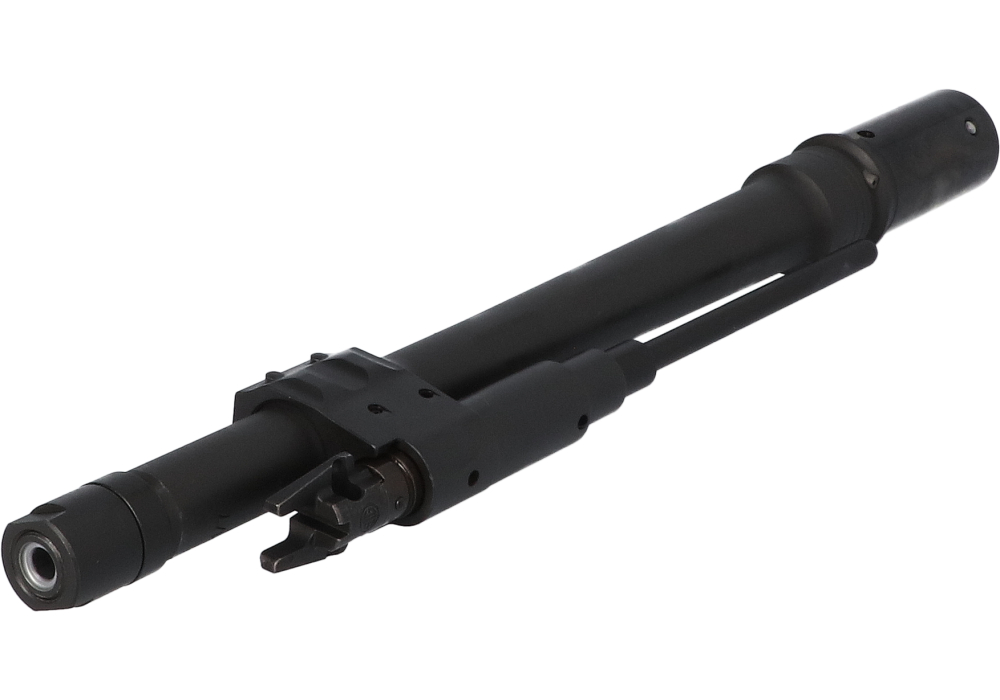
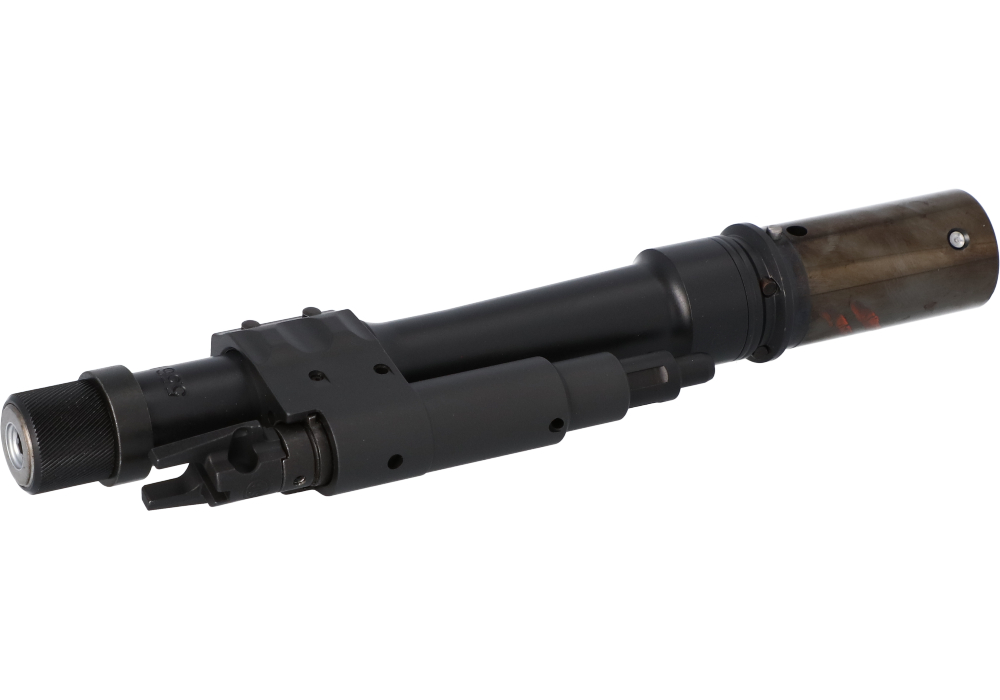
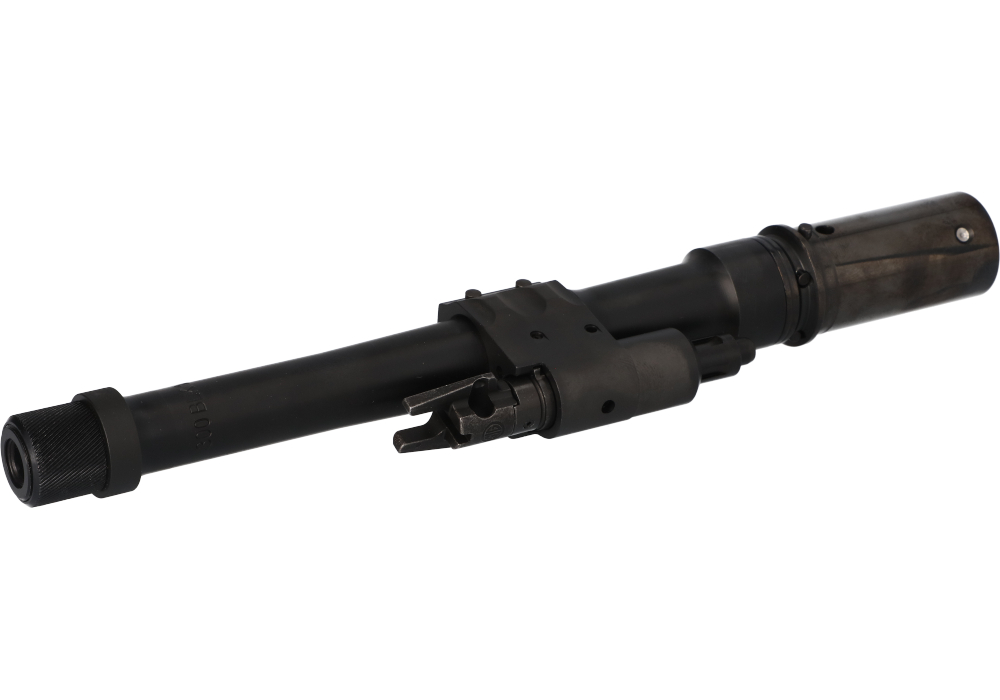
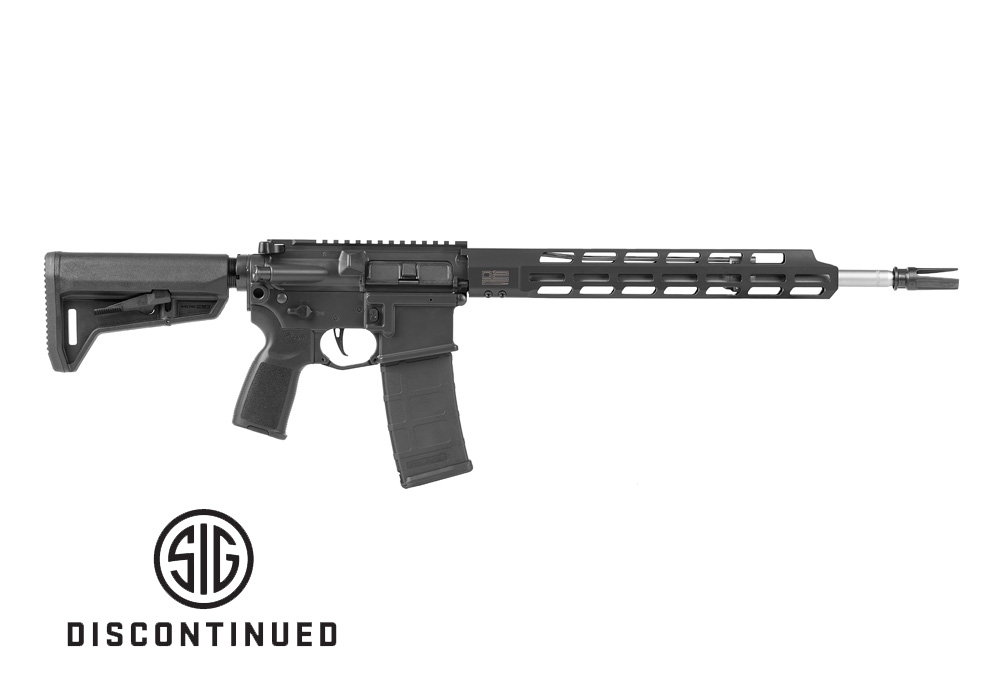
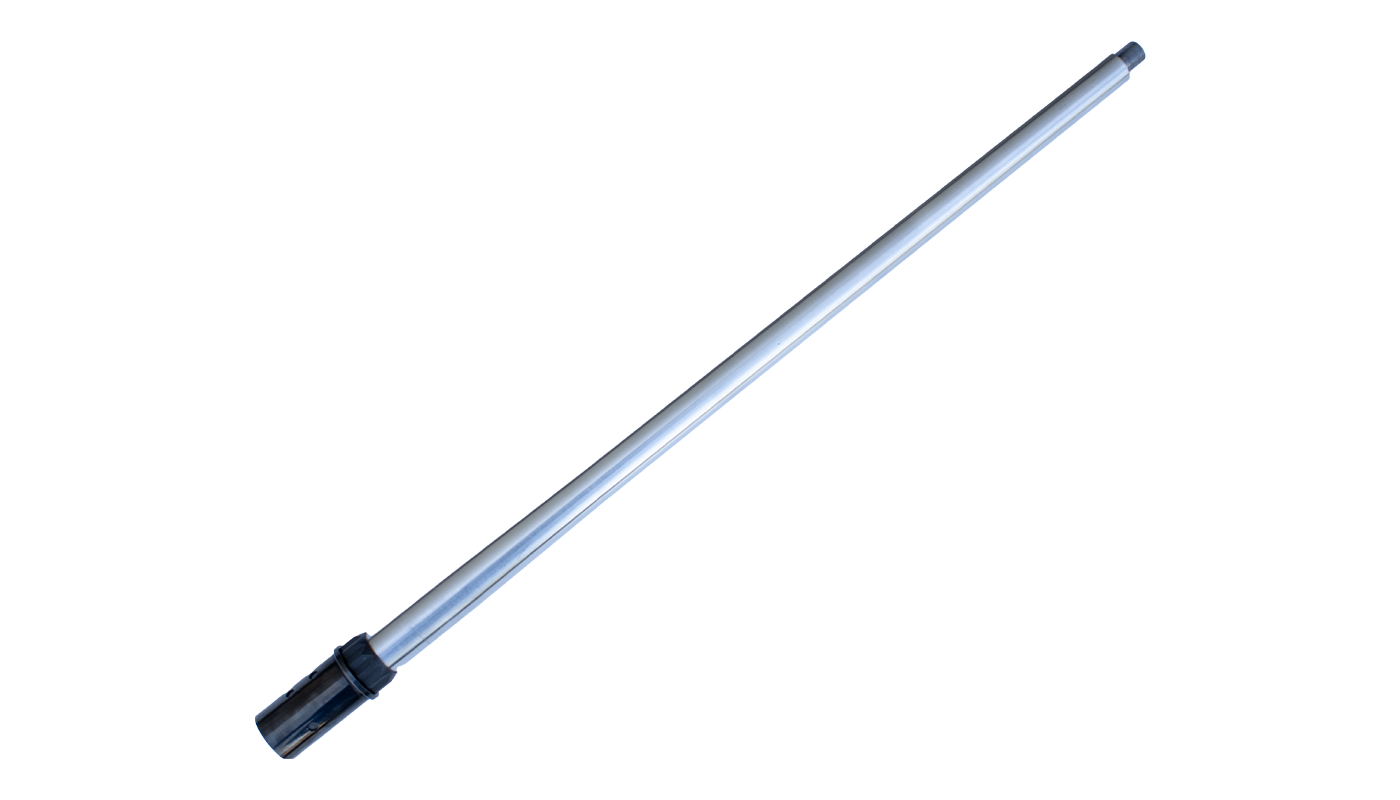
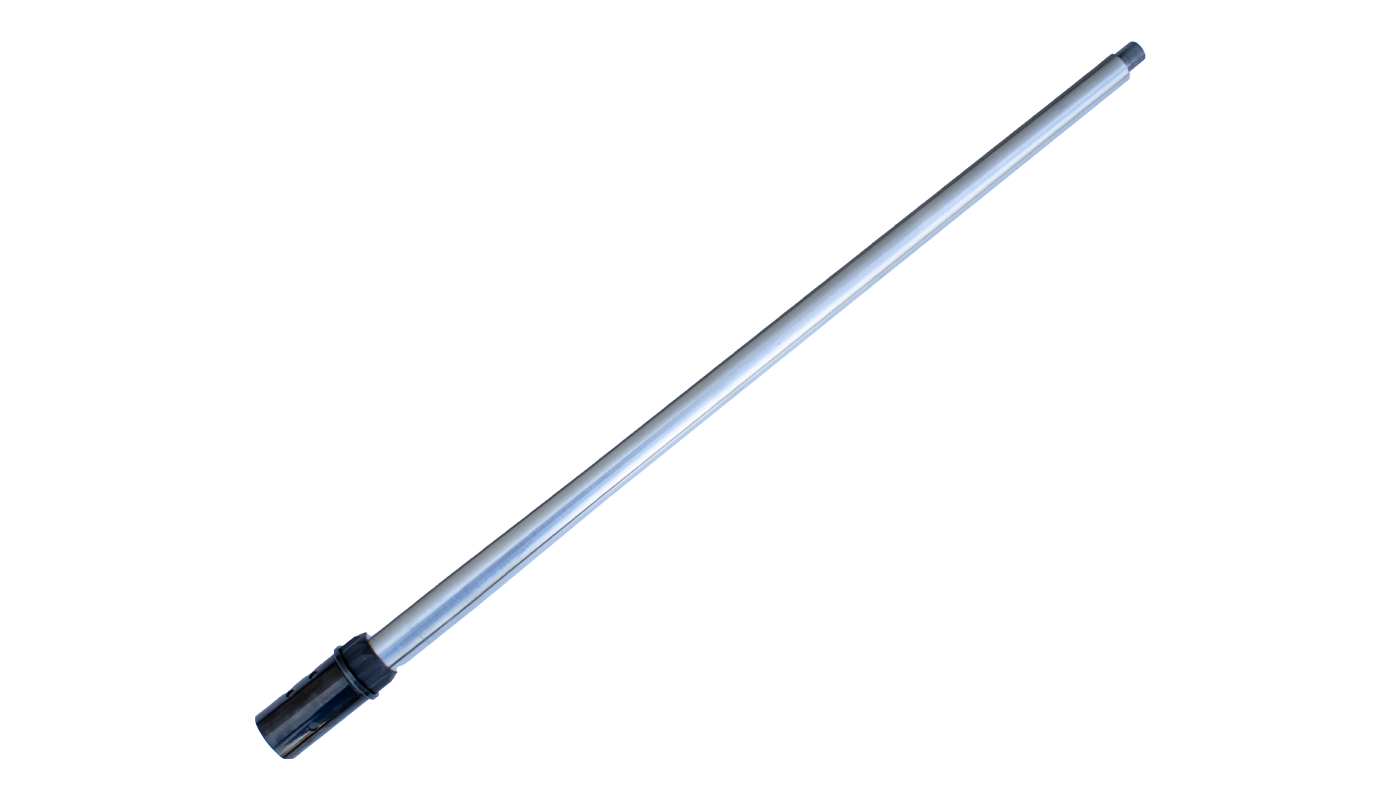
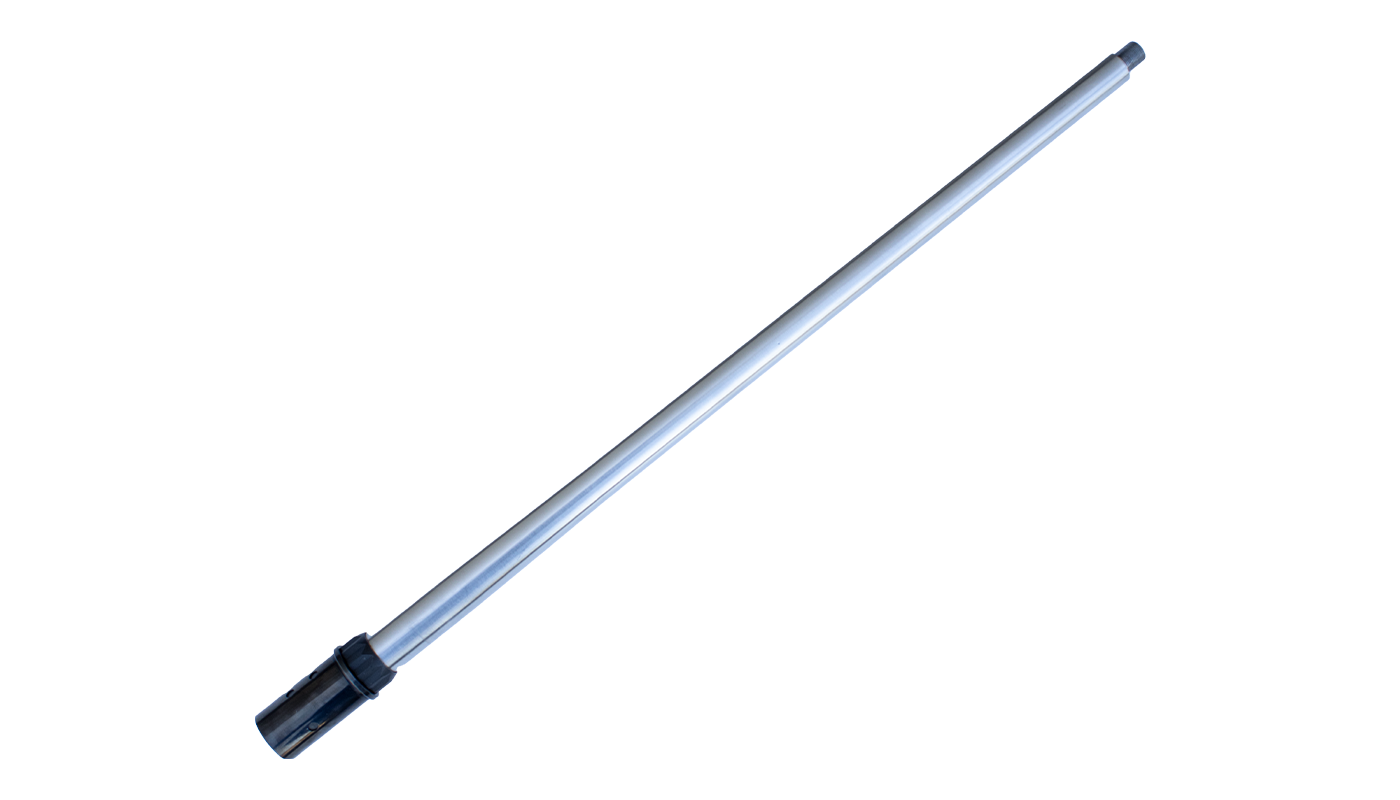
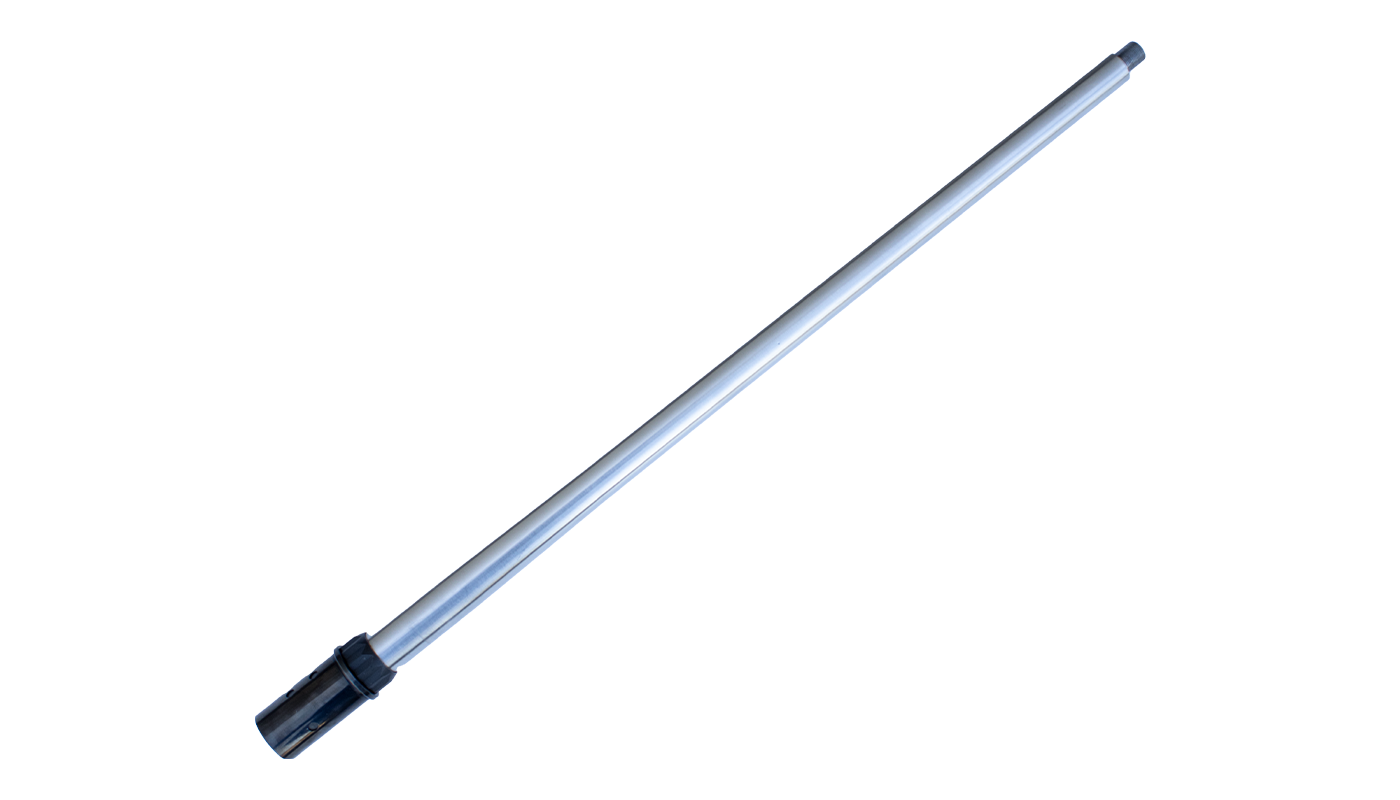
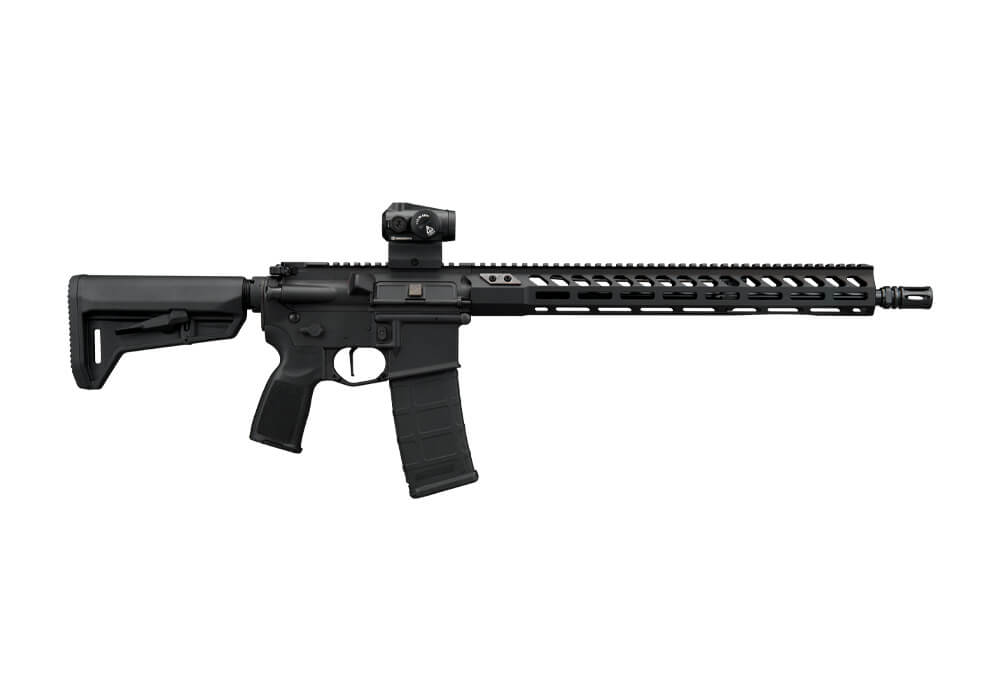
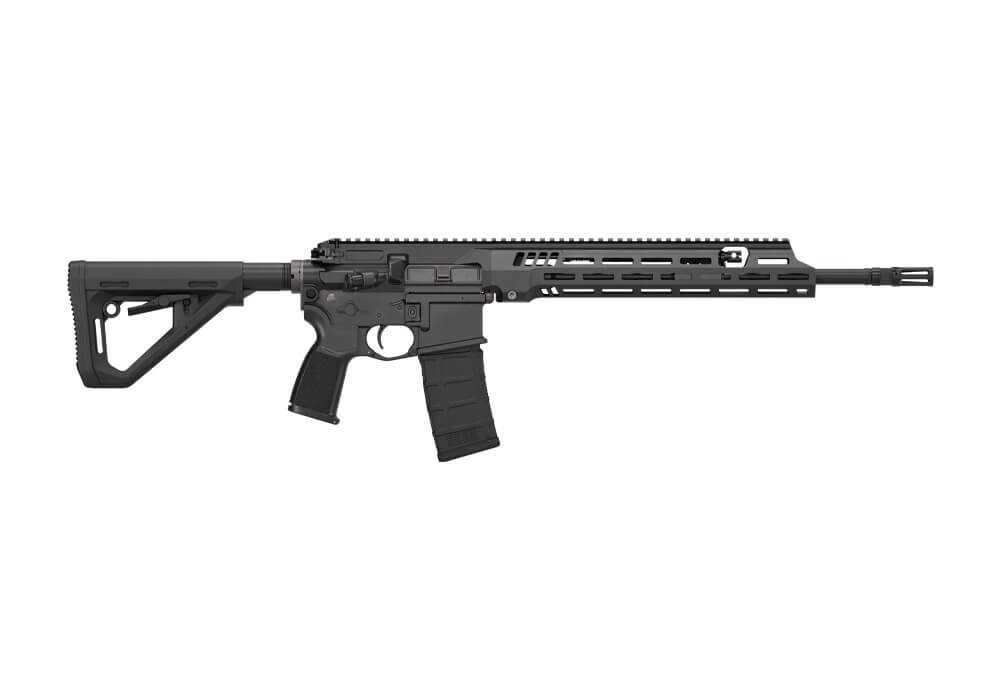
NATO rifle barrels are replacement and build components designed around widely adopted military rifle cartridges, most commonly 5.56x45mm NATO and 7.62x51mm NATO. For many shooters, choosing a NATO rifle barrel begins with confirming the chambering of the host firearm and matching the barrel to the intended ammunition. A 5.56 NATO chamber is generally designed with a longer throat than a .223 Remington chamber, allowing it to accommodate the pressure characteristics of 5.56 ammunition; similarly, 7.62x51mm NATO and .308 Winchester are closely related but are not automatically interchangeable in every firearm or barrel configuration. Always verify the markings on the firearm, the manufacturer’s specifications, and ammunition compatibility before ordering. For AR-pattern platforms, details such as barrel length, gas-system length, gas-block journal diameter, feed-ramp configuration, muzzle-thread pattern, and extension type can determine whether a replacement barrel is a direct fit or requires additional components. A compact barrel may suit a maneuverable carbine intended for training, home defense where lawful, or use in confined spaces, while a longer barrel can offer additional velocity and a steadier sighting plane for field shooting. A medium or government-style contour provides a familiar balance between rigidity and weight, whereas a lightweight or pencil profile can make a rifle noticeably easier to carry during a long day outdoors. Shooters who spend hours moving between a bench, a range bay, and a vehicle often appreciate how much a few ounces near the muzzle affect handling; by contrast, a precision-oriented setup may benefit from the added stiffness of a heavier profile. Length, weight, and intended use should be considered together rather than selected in isolation. For those focused on the 5.56 platform, the selection of 5.56 NATO Replacement Barrels can help narrow the search toward compatible chambering and configuration options.
Construction and treatment also matter when comparing NATO rifle barrels. Common materials include 4150 chrome-moly-vanadium steel and 416R stainless steel, each offering a different balance of durability, corrosion resistance, weight, finish, and accuracy potential. Chrome lining is frequently chosen for service-oriented rifles because it helps protect the bore and chamber against erosion, fouling, and demanding firing schedules. Nitride or similar surface treatments can provide a hard, corrosion-resistant finish throughout treated areas, while stainless-steel barrels are often selected by shooters who prioritize consistency and refined accuracy. Cold hammer forging is another manufacturing approach associated with durable duty-grade barrels, though the complete specification—including steel, lining, treatment, contour, and quality control—should guide the decision rather than one feature alone. Twist rate is equally important because it influences bullet stabilization. A 1:7 twist is commonly paired with heavier 5.56 projectiles, including 62-grain and 77-grain loads, while 1:8 is a versatile option for a broad range of common bullet weights; the correct choice depends on the ammunition and the rifle’s intended role. For 7.62 NATO barrels, twist rates should likewise be matched to the bullet weights most likely to be used. Consider whether the barrel has a threaded muzzle for a compatible flash hider, muzzle brake, or suppressor, and confirm that any accessory is appropriate for the caliber and thread specification. A barrel may be purchased as part of a rifle project, kept as a carefully chosen replacement for a worn component, or given as a practical gift to an experienced builder who has already identified the required dimensions; because fitment is highly specific, gifting a barrel is best handled with the recipient’s exact platform details in hand. Installation should be performed by a qualified gunsmith or an individual familiar with the firearm’s assembly requirements, and headspace, torque, gas alignment, and function should be checked before use. During the cooler months, a clean, properly protected barrel is easier to preserve through changes in temperature and humidity, while regular inspection of the bore, crown, threads, and chamber helps maintain dependable performance. Whether the priority is a durable training rifle, a balanced general-purpose carbine, or a carefully tuned precision build, NATO rifle barrels offer a broad range of configurations for matching a firearm to its ammunition, environment, and the way it will be carried and used.