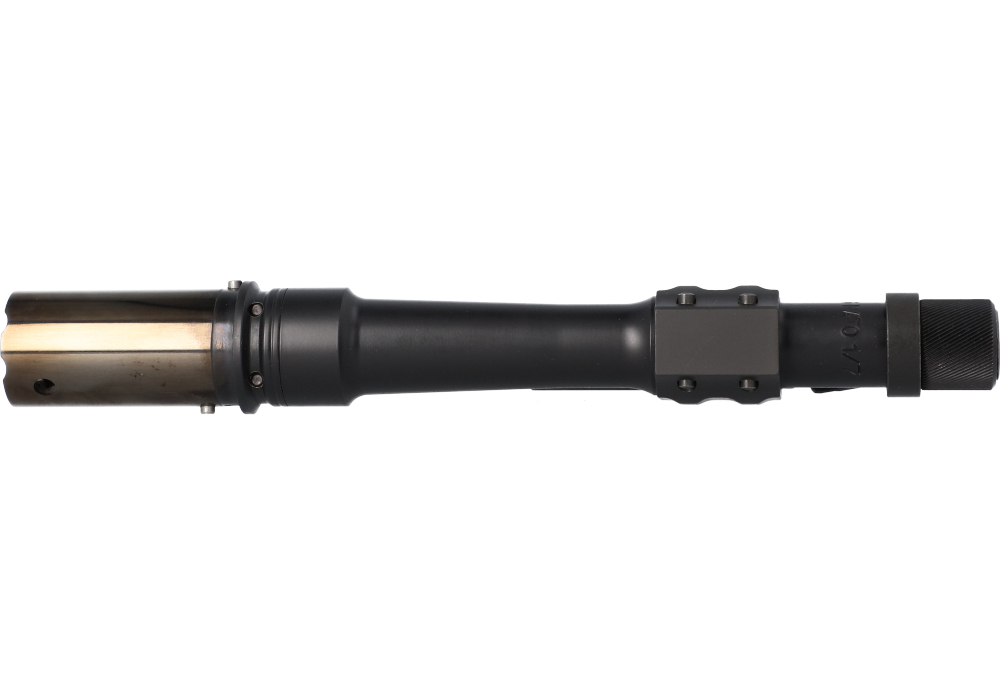
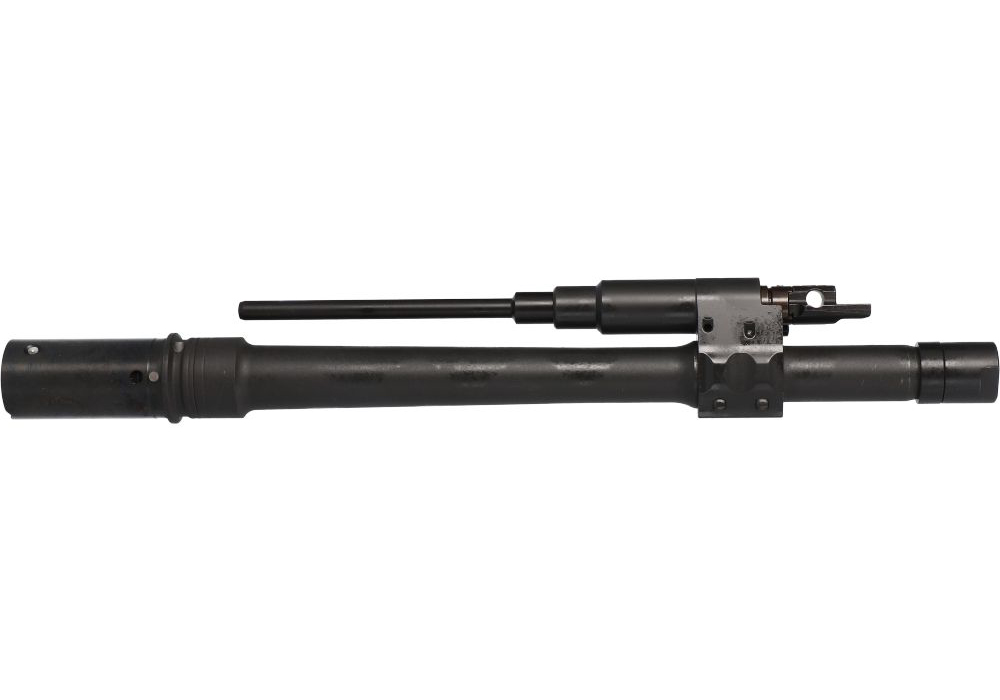
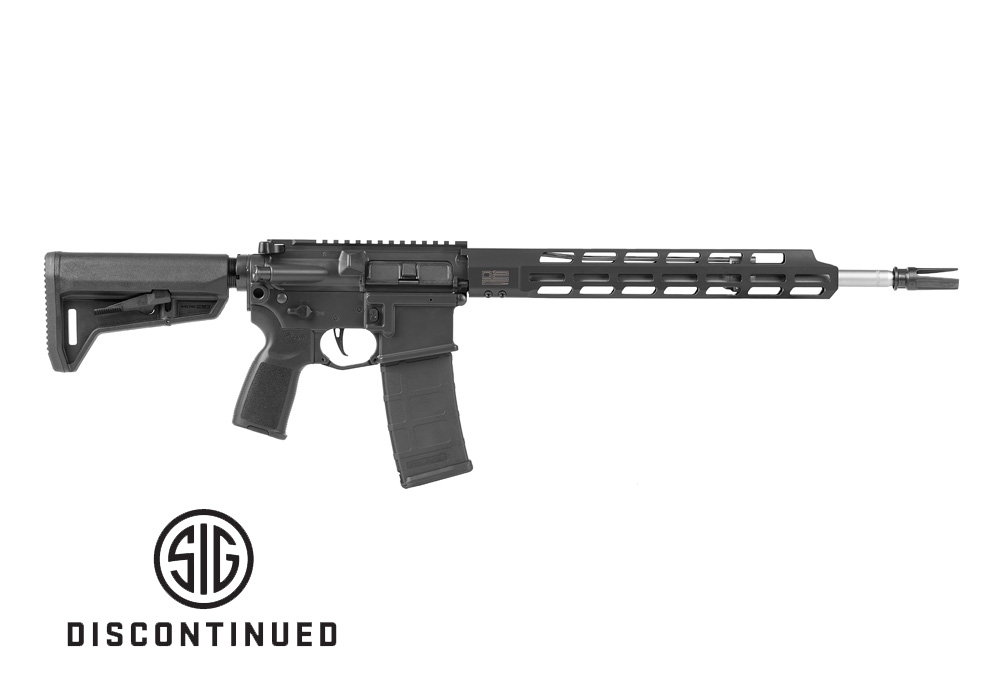
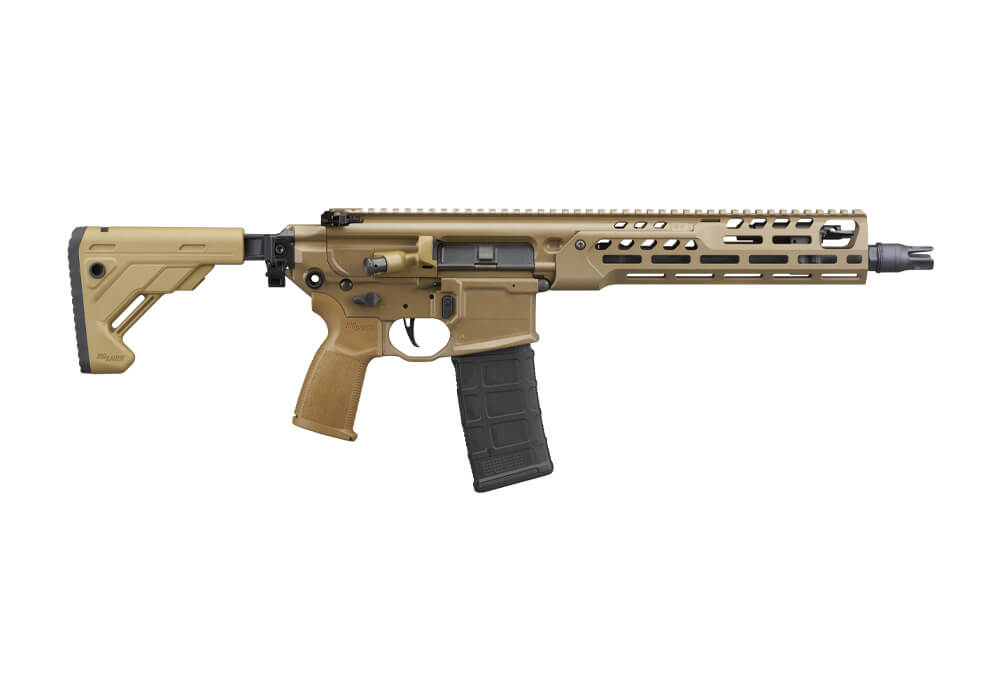
A 5.56 barrel is a firearm barrel chambered for the 5.56x45mm NATO cartridge, with internal rifling that imparts spin to the bullet as it travels through the bore. Its chamber dimensions, material, length, and manufacturing quality all influence how it performs within a compatible firearm. Barrels chambered for 5.56 NATO generally accept .223 Remington ammunition as well, but that relationship does not work in reverse: a barrel marked only for .223 Remington should not be assumed suitable for 5.56 NATO ammunition. The firearm and barrel manufacturer’s specifications remain the deciding reference. Another chamber designation encountered in this category is .223 Wylde, which is designed to accommodate both cartridges while using a different chamber geometry. That designation alone does not guarantee better accuracy; ammunition consistency, barrel quality, firearm condition, and shooter technique still matter. For recreational target shooters, organized competitors, and owners replacing a worn barrel, these distinctions provide useful context when comparing 5.56 barrels. Length is another defining characteristic. Sixteen inches is a common rifle barrel length, while 18- and 20-inch configurations are also familiar in target and sporting applications. Longer barrels generally produce greater muzzle velocity with the same ammunition, although the actual difference depends on the load and the individual barrel. Length also influences overall weight and handling, so the longest option is not automatically the most appropriate for every firearm or shooting discipline. Barrel length can affect a firearm’s legal classification, making applicable requirements an essential part of any comparison. Rifling twist, often expressed as a ratio such as 1:7 or 1:8, describes the distance over which the rifling completes one revolution. Its suitability depends partly on the bullet’s dimensions and construction, not simply the cartridge name. At a range bench, where a shooter returns to the same target distance and ammunition across several sessions, consistent performance often matters more than any single specification considered in isolation. A suitable barrel belongs within a complete, compatible firearm rather than being judged solely by its chamber marking or length.
Materials and surface treatments help explain the differences between 5.56 rifle barrels that may look similar at first glance. Common barrel steels include 4150 chrome-moly vanadium steel and 416R stainless steel. Both appear in quality barrels, but their properties and intended applications differ, and neither material designation substitutes for sound manufacturing and inspection. Chrome-moly vanadium steel is associated with durable service-oriented barrels, while 416R stainless steel is frequently used in precision-focused applications because of its machining characteristics. Stainless steel is corrosion resistant, not corrosion proof, and every barrel benefits from appropriate care. Chrome-lined bores and nitride-treated surfaces represent different approaches to wear and corrosion resistance. Chrome lining adds a protective layer to the treated interior surfaces; nitriding changes properties at the steel’s surface rather than adding a comparable lining. The presence of either treatment should be confirmed in the specifications rather than inferred from exterior color. A dark finish does not establish how the bore has been treated, just as a bright exterior does not reveal the quality of the chamber or rifling. Barrel contour also contributes to the ownership experience. A heavier profile adds weight and generally heats more slowly during repeated firing, while a lighter profile reduces the weight carried to and from the firing line. For someone shooting carefully spaced groups from a supported position, those characteristics can have a different significance than they do for a competitor moving between designated shooting positions. Neither profile makes a barrel immune to wear, and accuracy expectations should reflect the entire firearm and the ammunition used. Machining consistency, chamber finish, and the condition of the muzzle crown can be as important as an eye-catching exterior treatment. The crown is the finished edge at the muzzle, where the bullet exits the bore; damage there can affect consistency. These details make materials and finish useful comparison points without turning them into promises of a particular group size or service life.
Fit is especially important because the 5.56 chamber designation does not establish compatibility with every firearm that uses that cartridge. The host platform, barrel interface, gas-system configuration where applicable, and manufacturer’s requirements all belong in the compatibility picture. Barrels with similar dimensions or the same ammunition marking may still use different interfaces, so visual resemblance is not enough. Muzzle threading is another specification worth confirming. A common thread pitch on 5.56 barrels is 1/2x28, but exceptions exist, and matching thread pitch alone does not establish that every muzzle accessory is appropriate. Manufacturer-approved compatibility and qualified professional evaluation are particularly important when suppressors or other muzzle-mounted components are involved. Related Barrel Parts provide another category to consider when reviewing the components associated with a particular platform, with each part’s specifications checked against the firearm’s documentation. Care after use is just as relevant as fit before use. Following the manufacturer’s cleaning recommendations helps manage fouling while protecting the bore, chamber, and muzzle crown from unnecessary wear. Suitable cleaning supplies, careful handling, and storage that limits moisture exposure support long-term condition without requiring aggressive cleaning after every outing. There is no universal service-life figure for a 5.56 barrel. Round count is only part of the picture: ammunition, firing pace, maintenance, and the owner’s accuracy expectations all influence when replacement becomes appropriate. A barrel that no longer meets a competitor’s demanding accuracy standard may be judged differently from one used for casual paper-target practice. Changes in performance deserve a qualified assessment rather than an automatic assumption that the barrel is responsible. For an experienced shooter receiving a barrel as a gift, exact platform compatibility and preferred specifications matter far more than appearance; this is a component best chosen with the recipient’s requirements clearly understood. Across recreational shooting and competition, a well-matched 5.56 barrel is defined by verified fit, suitable materials, consistent construction, and realistic expectations for its intended use. Those fundamentals offer a sound basis for comparing barrels without relying on a single feature to tell the whole story.