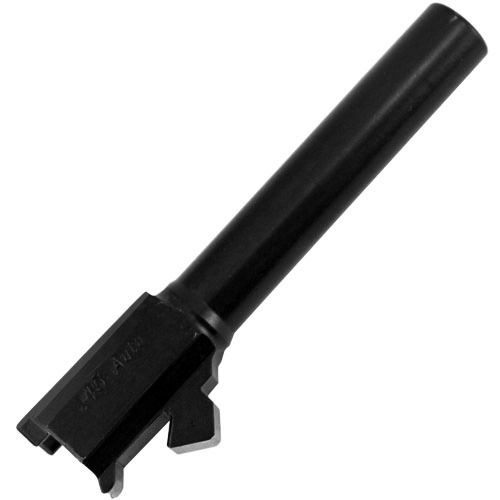
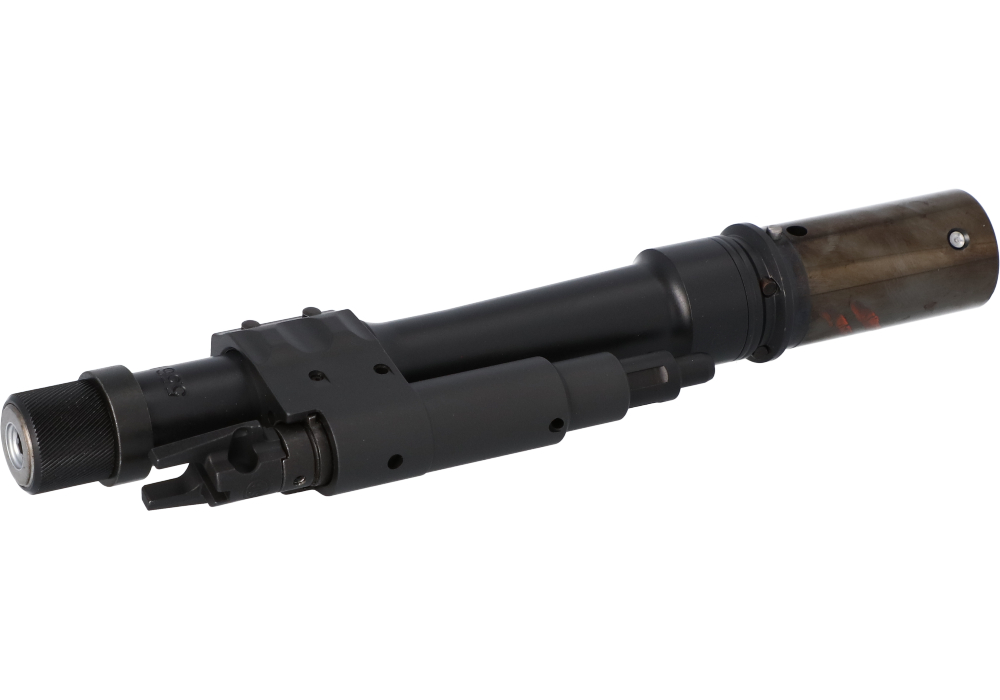
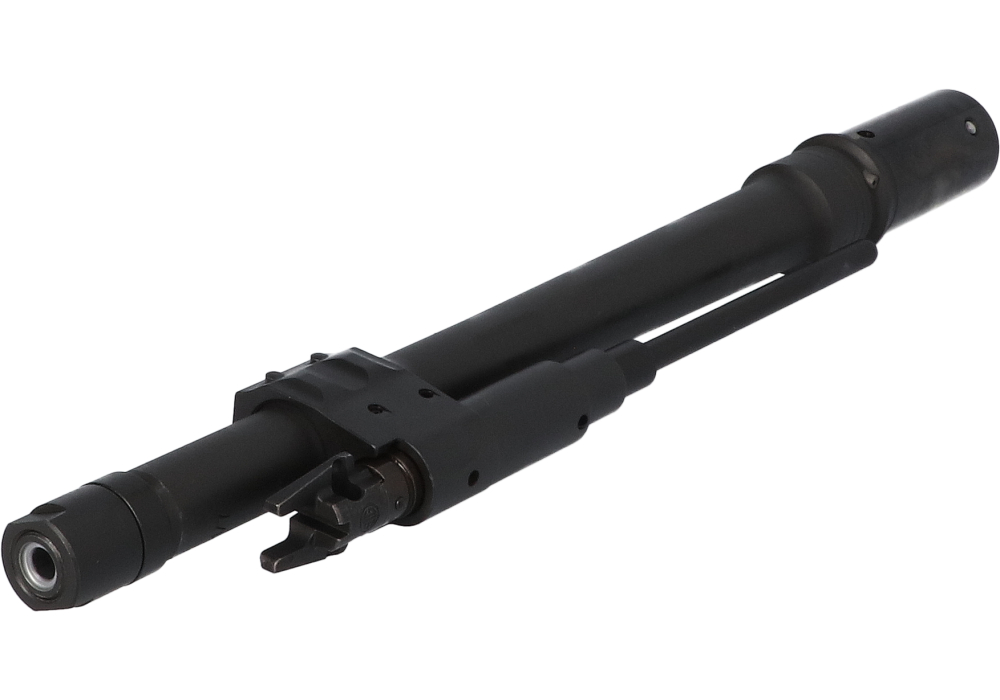
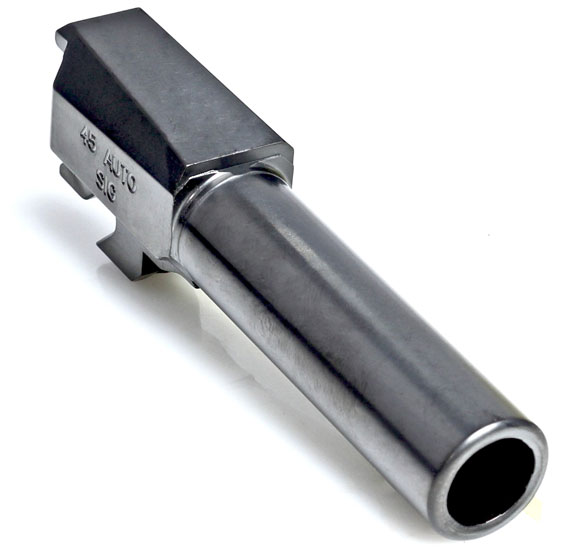
Barrel parts are essential components for firearm maintenance, configuration, and replacement, with each piece contributing to the way a firearm fits together and performs. In the firearm context, a barrel is the precision-machined component that guides a projectile as it leaves the action, while related parts help secure it to the firearm, regulate gas operation, protect the shooter’s hands, or support the attachment of compatible accessories. This category may include replacement barrels, barrel extensions, thread protectors, muzzle components, gas blocks, and other hardware designed to work with specific firearm platforms. Because dimensions and interfaces vary widely, the most important starting points are firearm model, caliber, barrel length, barrel profile, gas-system specifications, and the type of receiver or handguard involved. Even parts that appear similar at a glance can differ in thread pitch, shoulder dimensions, mounting pattern, or gas-port location. Reviewing the manufacturer’s specifications and the firearm’s owner documentation before ordering helps prevent an incorrect fit and makes it easier to select parts that work together as intended. For shoppers comparing options, details such as steel type, surface treatment, rifling, chamber designation, weight, and intended use can all matter. A lighter barrel may suit a compact configuration carried over distance, while a heavier profile can provide a steadier feel during extended range sessions. Threaded barrels and compatible muzzle components may offer additional configuration choices, but they must be matched carefully by caliber and thread specifications. When a barrel or related component is installed, inspection by a qualified gunsmith is a prudent step, particularly when the work involves headspace, timing, gas alignment, or permanent modification.
The right barrel parts can support a wide range of legitimate firearm uses, from routine replacement and preventative maintenance to carefully planned upgrades for range practice, competition, hunting, duty applications, or a custom build. A well-maintained barrel is part of the foundation for reliable function and consistent accuracy, but no component should be judged in isolation. Barrel length can affect balance, handling, velocity, and the overall size of a firearm; profile influences weight and heat management; and chambering determines the ammunition that may be used. Gas-system parts require equal attention. A gas block must be appropriate for the barrel’s gas journal and positioned correctly in relation to the gas port, while the gas tube and related components must correspond to the firearm’s operating system. The Barrel And Gas Block Assemblies category can be a useful place to compare matched components when a project calls for a coordinated barrel and gas-block setup rather than individual pieces selected separately. Muzzle threads, thread protectors, and other front-end components should also be checked against the barrel and the intended accessory. Before handling, installing, or inspecting any firearm part, unload the firearm completely, remove all ammunition from the work area, and follow safe handling procedures. During cooler months, it is also worth remembering that condensation can form when equipment moves between cold outdoor air and a warm indoor space; allowing components to acclimate and wiping away moisture can help protect exposed metal surfaces. A clean, dry storage routine and periodic inspection for fouling, corrosion, damaged threads, or unusual wear are simple habits that can preserve a carefully assembled setup.
Barrel parts can be a thoughtful gift for an experienced firearm owner, gunsmith, or enthusiast who has already identified a specific project, but they are not ideal as a guesswork purchase. A replacement barrel or gas-system component may look like a practical present, yet a small difference in platform generation, caliber, thread pattern, or barrel length can make it unsuitable. If the recipient has mentioned a particular build, the safest approach is to confirm the exact specifications or choose a gift card instead of relying on appearance alone. For someone maintaining a trusted range or hunting firearm, a compatible replacement may restore a familiar setup and extend the usefulness of equipment that has seen years of practice. For a hobbyist assembling a new configuration, individual barrel parts can provide a path to a more personalized balance, appearance, and handling feel, provided the project remains within applicable laws and the installer has the right tools and experience. Shoppers should pay close attention to product descriptions, compatibility charts, caliber markings, thread measurements, finish, and included hardware. It is also wise to distinguish between a complete assembly and a component sold separately, since an item pictured with additional hardware may not include every part shown. Professional installation is recommended whenever a part affects lockup, headspace, ignition, gas regulation, or the secure attachment of a muzzle device. With careful selection and responsible installation, barrel parts can help support dependable firearm maintenance and a configuration tailored to the owner’s needs, whether that means a balanced setup for an afternoon at the range, a field-ready platform for changing weather, or a methodical long-term build kept organized on the workbench.