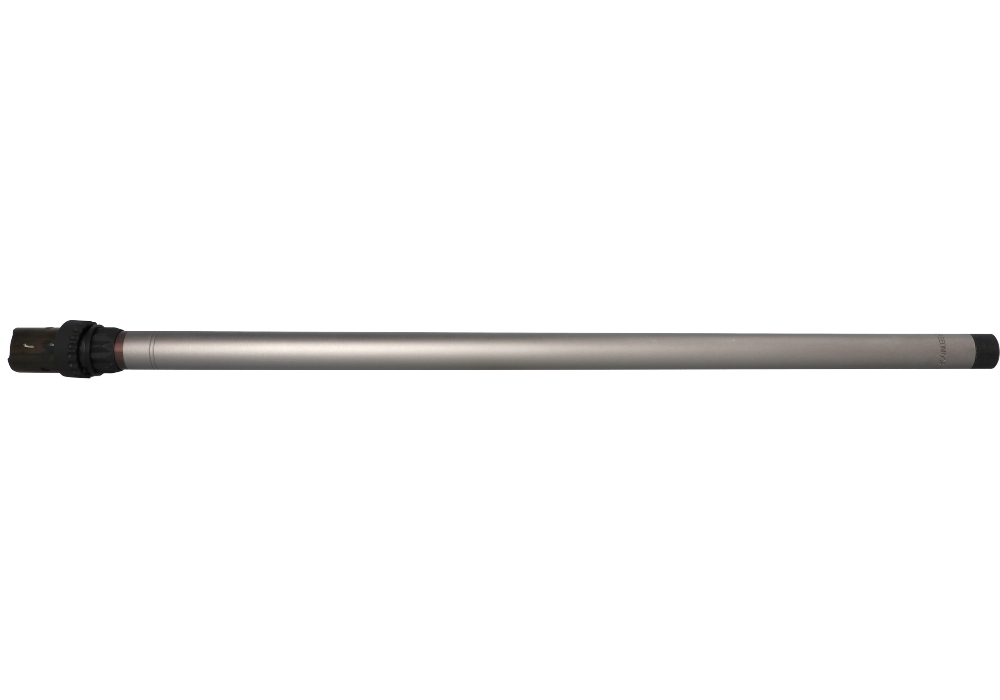
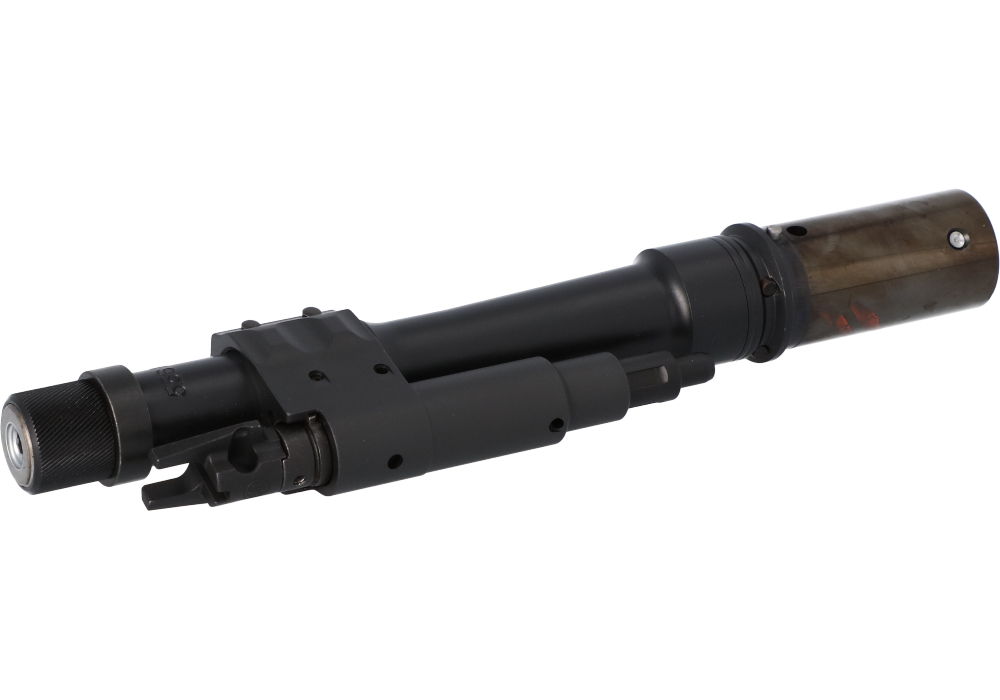
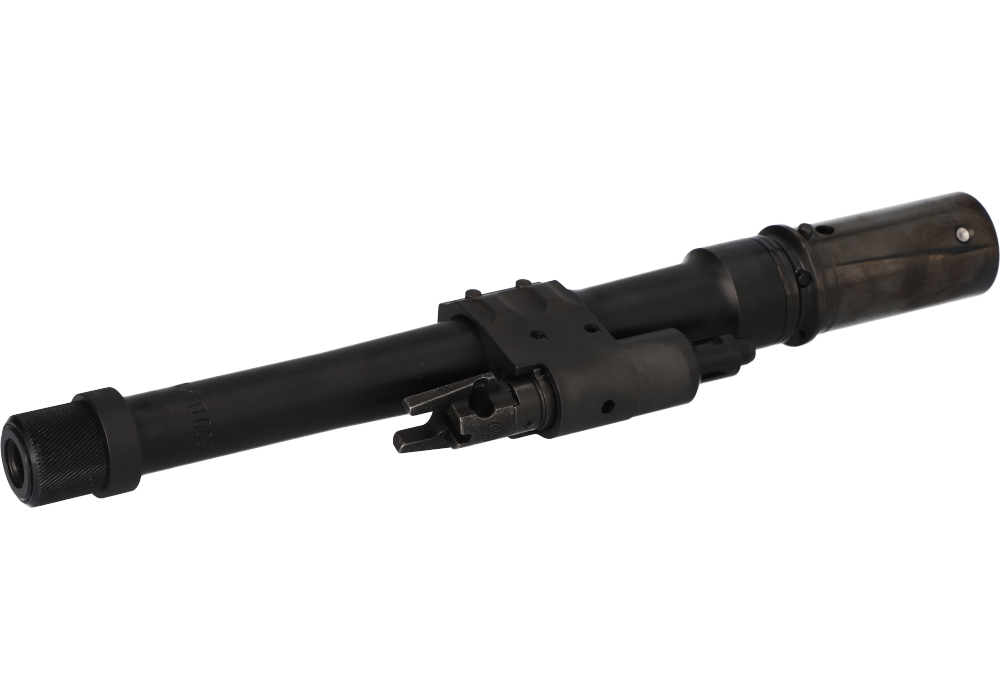
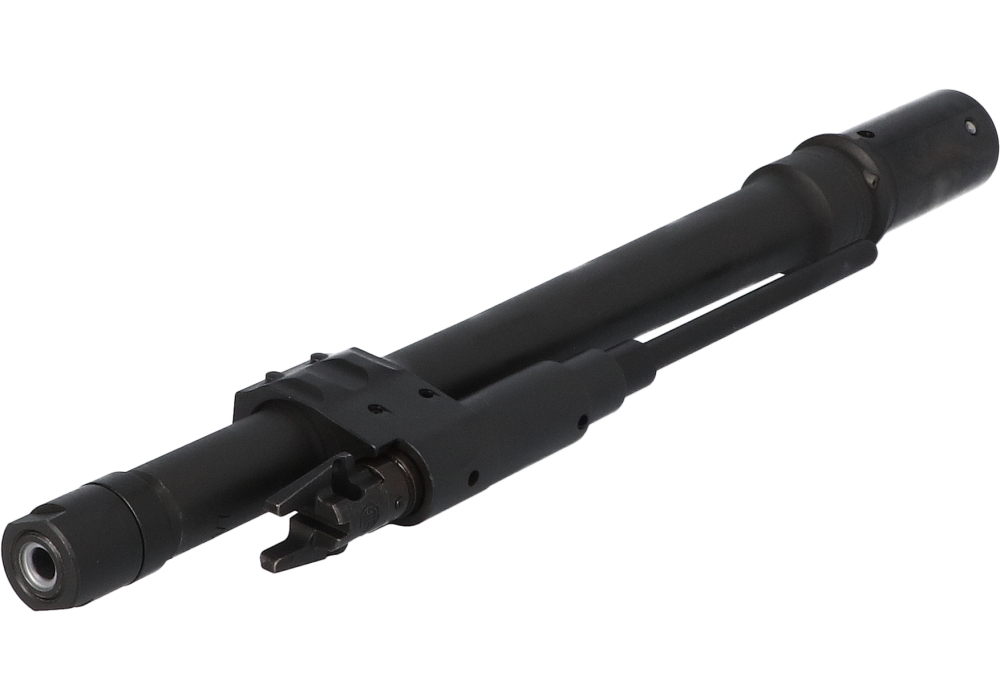
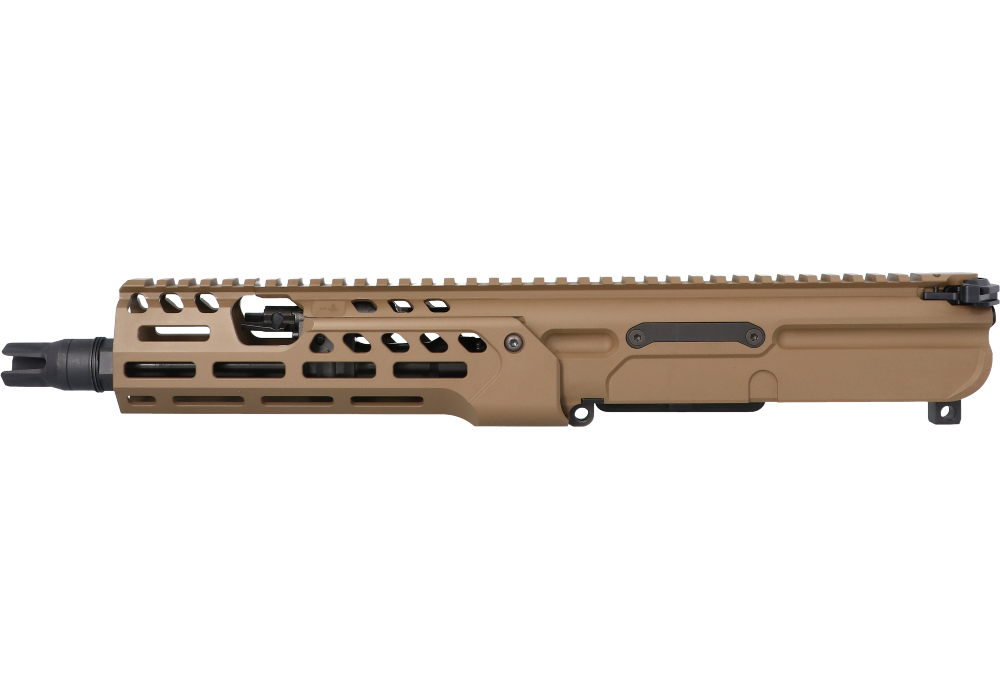
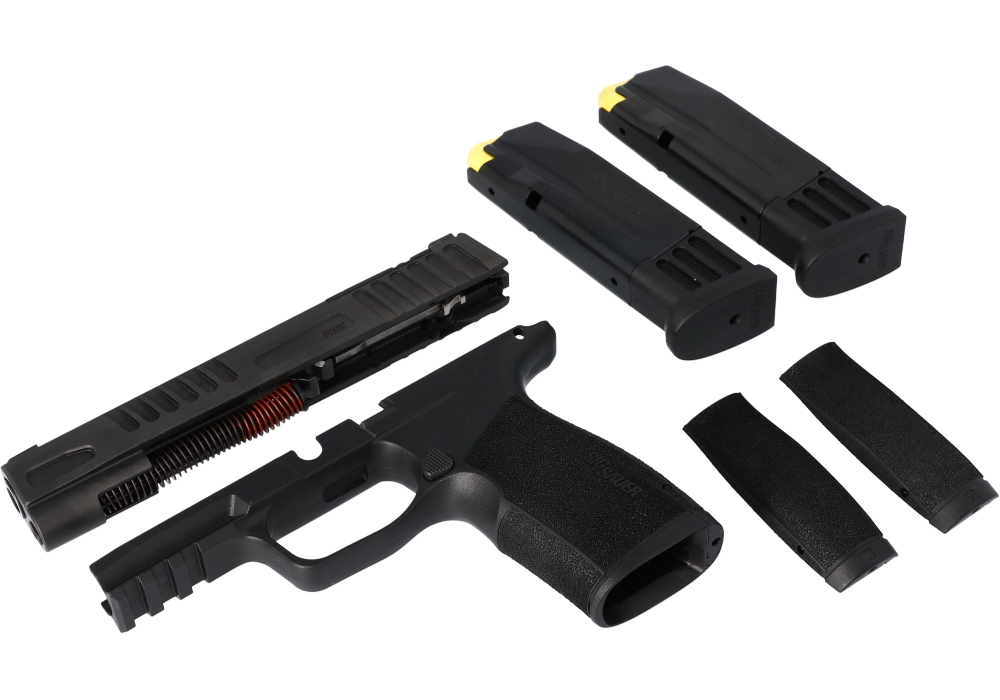
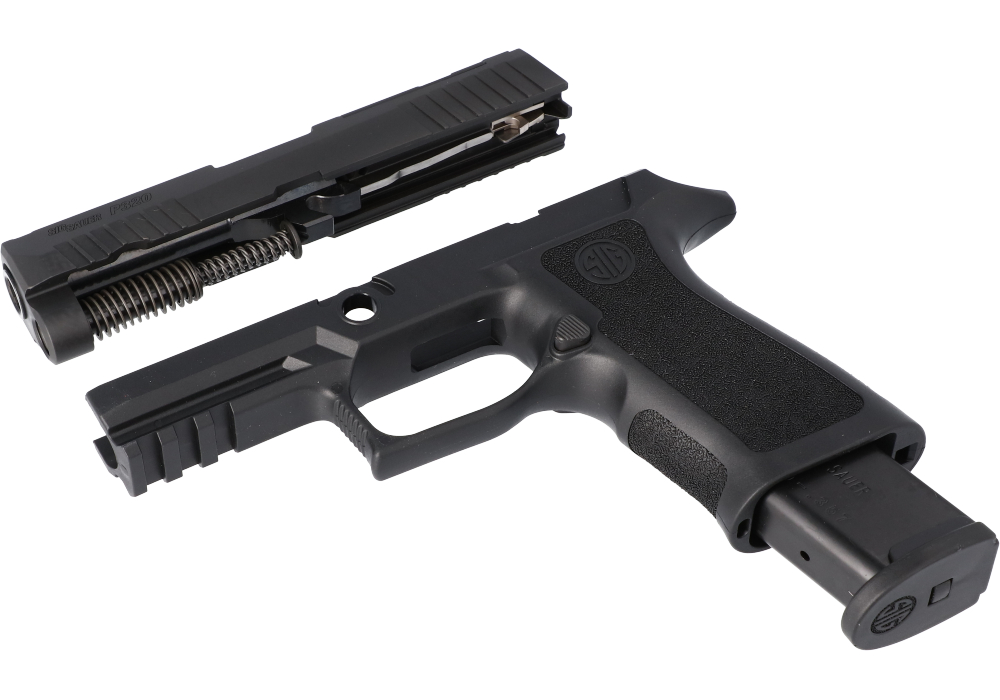
Barrel kits offer a practical way to configure a compatible firearm for a particular purpose while keeping the rest of the platform familiar. Depending on the firearm and kit, a package may include a replacement barrel, recoil components, a slide or related hardware, and the small parts needed for a complete upper assembly. Some kits are intended to support a caliber conversion, while others provide a different barrel length, profile, finish, or muzzle configuration for a preferred setup. The most important first step is confirming compatibility with the exact firearm model, generation, frame or receiver size, caliber, slide configuration, and operating system. Similar-looking components are not necessarily interchangeable, and even a small difference in fit can affect function, accuracy, and safety. Pay close attention to the manufacturer’s specifications, including chambering, twist rate, barrel length, feed-ramp design, locking geometry, and whether the kit is designed for standard or extended capacity magazines already used with the firearm. A threaded muzzle may be useful for compatible muzzle devices or suppressors, but thread pattern and alignment matter, and local laws may apply. Finish and material also deserve consideration: stainless steel, coated steel, and other factory-applied finishes can offer different balances of corrosion resistance, appearance, and maintenance needs. A barrel kit may suit an experienced owner refining a range setup, a competitive shooter looking for a configuration that matches match rules, or a responsible enthusiast building a second upper or conversion around an existing platform. It can also be a thoughtful gift for a knowledgeable firearm owner, provided the recipient’s exact model, preferences, and legal eligibility are confirmed before purchase. When details are uncertain, a gift card or a conversation about the intended setup is safer than guessing at compatibility. For related components that may complement a barrel configuration, browse Barrel Enhancements and compare specifications carefully rather than choosing by appearance alone.
Use case should guide the selection as much as technical compatibility. A compact barrel can support a more maneuverable configuration, while a longer barrel may provide a different balance, sight radius, and velocity profile depending on the firearm and ammunition. A heavier profile can change the way the firearm settles and handles during extended range sessions, whereas a lighter profile may be preferred when overall weight and portability matter. These differences are not automatically better or worse; they shape the feel of the firearm in the hand and how it fits a particular routine. Someone who spends cooler days at an outdoor range may value a durable finish and straightforward cleaning, while an owner who transports equipment frequently may prioritize a compact case-friendly setup and protective storage. A hunter or field shooter should confirm that the chosen configuration complies with applicable regulations and is suitable for the intended game and season. A competition-focused user should review the rules governing barrel length, caliber, compensators, and other equipment before ordering. For home storage or general recreational use, reliability, secure handling, and proper fit should remain the central considerations. Ammunition selection also matters: use only ammunition that matches the barrel and firearm markings, and do not assume that a related cartridge is interchangeable simply because it appears similar. After installation, any replacement or conversion component should be checked according to the firearm’s manual and inspected by a qualified gunsmith when required. A professional inspection is especially appropriate when the kit changes caliber, includes fitted parts, or involves a configuration the owner has not used before. The first range session should be approached methodically, with careful attention to safe handling, function, accuracy, and unusual signs such as difficult cycling, inconsistent ejection, visible damage, or abnormal sound. Stop using the firearm if anything appears incorrect and seek qualified service rather than attempting an improvised repair.
Storage and maintenance are equally important when choosing among barrel kits. A kit may spend more time in a case, safe, or parts cabinet than on the firearm, so packaging, protective covers, labeling, and organized storage can make a real difference over time. Keep the barrel and associated components clean and dry, use the maintenance products recommended for the firearm, and avoid abrasive tools or harsh chemicals that could damage a protective finish. Light surface oxidation can develop when metal parts are exposed to moisture, fingerprints, condensation, or changing temperatures, particularly when equipment moves between a warm vehicle and a cooler range environment. Allow components to reach a stable temperature before sealing them in a case, and inspect stored parts periodically. Retain original packaging and document the barrel’s chambering, thread pattern, and any fitted components so future setup changes do not rely on memory. Buyers should also review return policies before ordering; installed, fired, modified, or fitted parts may be subject to different terms than unused merchandise. Shipping and ownership requirements can vary by jurisdiction, and certain configurations or accessories may be regulated, so verify the rules that apply to the buyer and intended use. Barrel kits are best viewed as precision components within a larger system, not universal accessories that can be mixed without checking specifications. With careful research, a clear understanding of the firearm’s intended role, and professional help where appropriate, the right kit can provide a dependable way to refresh an existing setup, support a new configuration, or keep a familiar platform ready for different range and field conditions during the changing seasons.