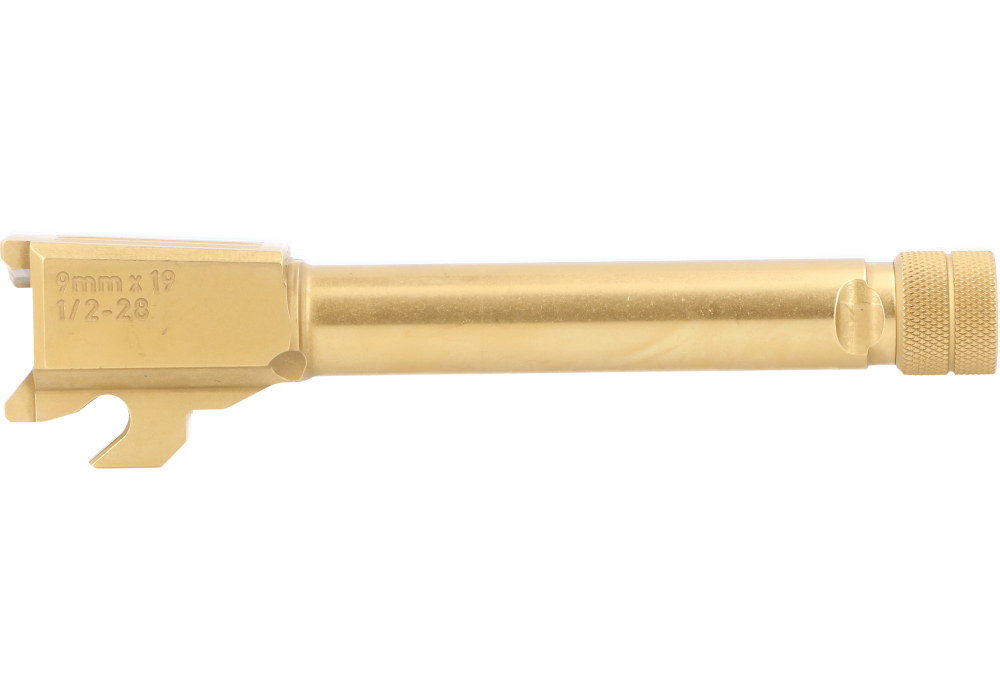
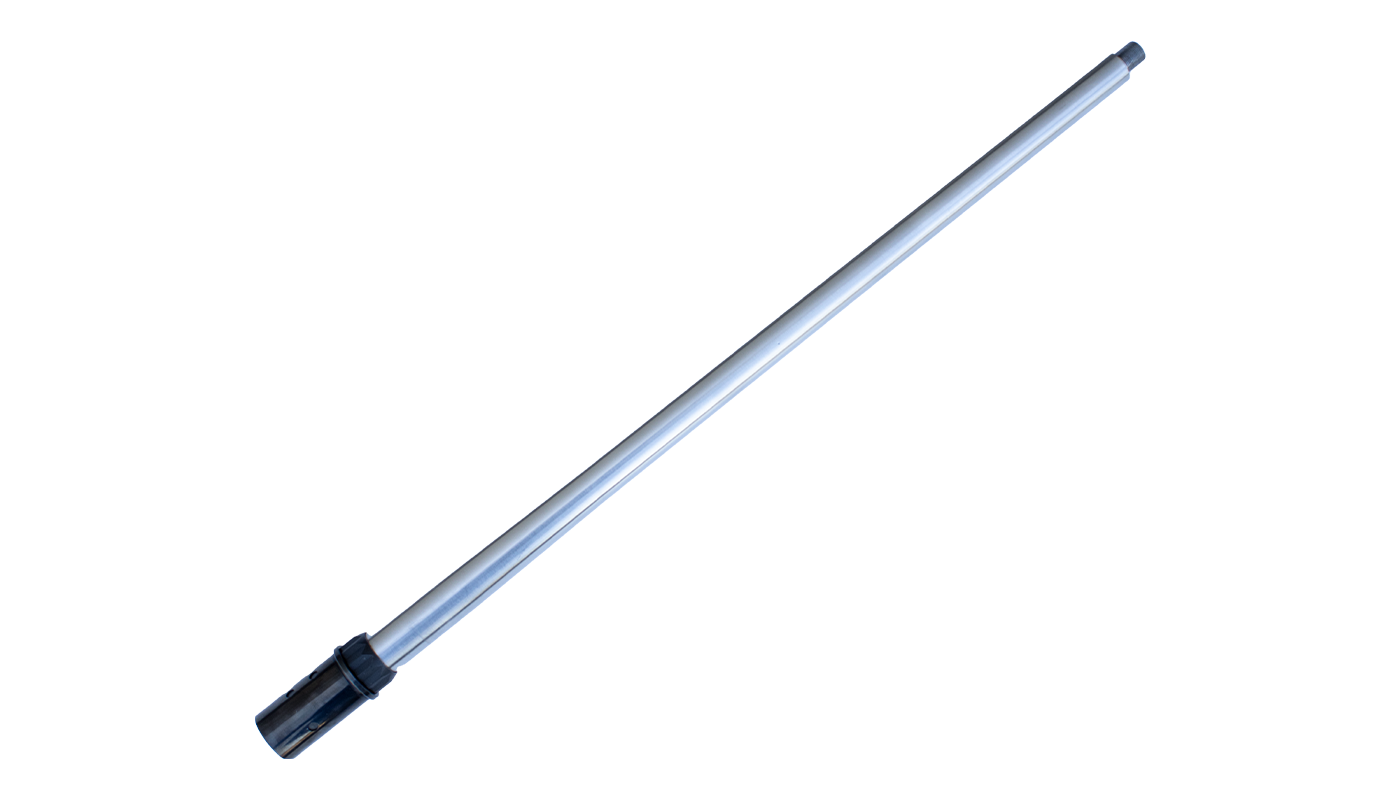
Barrel enhancements encompass a broad range of factory and aftermarket components designed to refine the way a firearm handles, performs, and fits its intended role. Some shooters begin with a replacement barrel selected for its length, profile, rifling, chambering, or manufacturing tolerances, while others focus on the muzzle end with a compensator, flash hider, muzzle brake, or suppressor-compatible attachment. A precision-machined, match-grade barrel may appeal to someone building a target-oriented setup, where consistent rifling and a carefully matched chamber can support repeatable shot placement. A lighter profile may be more comfortable for extended carry, while a heavier or fluted profile can provide a steadier feel and additional surface area for heat management. Carbon-fiber-wrapped designs are another consideration for shooters who want to reduce overall weight without giving up the rigidity associated with a strong internal barrel core. Porting and other venting features can redirect expanding gases to help reduce muzzle rise, felt recoil, or movement between shots, although every design involves tradeoffs in noise, flash, blast, weight, and balance. The right enhancement depends on the complete firearm and the way it will be used, not simply on a single advertised feature. A compact setup carried during the warmer months may benefit from a short, streamlined configuration, while a rifle used from a bench or during longer range sessions may be better served by a profile that favors stability and heat control. Compatibility should always be confirmed before purchase, including caliber, thread pitch, barrel length, operating system, mounting method, and clearance around the handguard or slide. Manufacturer specifications and the firearm’s owner’s manual provide the appropriate reference points, and professional installation is a sensible choice whenever fitting, headspace, timing, or gunsmithing work is involved.
Muzzle devices are among the most visible forms of barrel enhancement, but their differences are practical rather than merely cosmetic. A flash hider is generally selected to reduce the visible flash produced at the muzzle, which can be useful when preserving sight picture and maintaining a lower visual signature in low-light conditions. A muzzle brake or compensator uses carefully arranged ports to direct gases and counteract recoil or muzzle movement, helping a shooter return to the sights more quickly during controlled fire. These benefits can come with increased blast and sound to the sides, making appropriate hearing protection and consideration for nearby shooters especially important. A suppressor can reduce the report and muzzle flash when legally owned and properly installed, though it does not eliminate the need for hearing protection and may change the firearm’s balance, point of impact, and maintenance routine. Suppressor ownership and use are subject to federal, state, and local laws, and buyers should review all applicable requirements before ordering or installing related components. Threaded barrels and adapter systems also deserve close attention: the threads must match the device, the shoulder must provide proper support, and the assembled parts must remain concentric with the bore. Even a small mismatch can create safety and performance concerns. For that reason, selecting a device based only on appearance or price is rarely worthwhile. Consider the role of the firearm, the shooting environment, the amount of movement involved, and whether the enhancement will be used with a particular optic, handguard, holster, or sling. Someone who spends cooler months practicing from a covered bench may prioritize recoil control and repeatability, while a hunter or field shooter may place greater value on a manageable overall length and a finish that stands up to handling, moisture, and transport. Barrel enhancements can also make a thoughtful gift for an experienced shooter when the recipient’s firearm model, caliber, and intended use are known; a gift card or carefully verified accessory is often preferable to guessing at thread specifications.
Exterior treatment is another part of barrel selection and can influence both appearance and long-term care. Protective coatings and finishes may help a barrel resist wear, corrosion, and handling marks, while also allowing the firearm to coordinate with other components. A finish should be viewed as one part of a maintenance plan rather than a substitute for cleaning, inspection, and appropriate storage. Wipe away fingerprints and moisture after use, pay attention to the muzzle and threaded areas, and follow the care recommendations provided for the specific barrel and coating. Those who enjoy customizing a firearm’s appearance can explore Barrel Finishes alongside functional enhancements, keeping in mind that a visually distinctive setup should still preserve safe operation and reliable access to controls. Buyers comparing replacement barrels should review twist rate, chamber designation, overall length, contour, material, and compatibility with their ammunition and firearm platform. Shooters interested in bore-matching systems for recreational projectile platforms should likewise verify the correct insert or bore size, since an appropriately matched bore can improve consistency and air efficiency while an unsuitable fit may increase drag or reduce performance. Across all categories, quality installation and sensible testing matter. After any barrel or muzzle change, inspect the assembly, confirm that moving parts function correctly, and have a qualified professional evaluate the setup when there is uncertainty. Start with the enhancement that addresses a clear need—less weight, better recoil management, improved flash control, more consistent accuracy, or a preferred appearance—and then choose supporting components that preserve balance and reliability. During the transition from warm-weather range days to cooler outdoor sessions, a well-matched barrel enhancement can make a familiar firearm feel more comfortable, controlled, and purposeful without turning a practical upgrade into an unnecessarily complicated project.