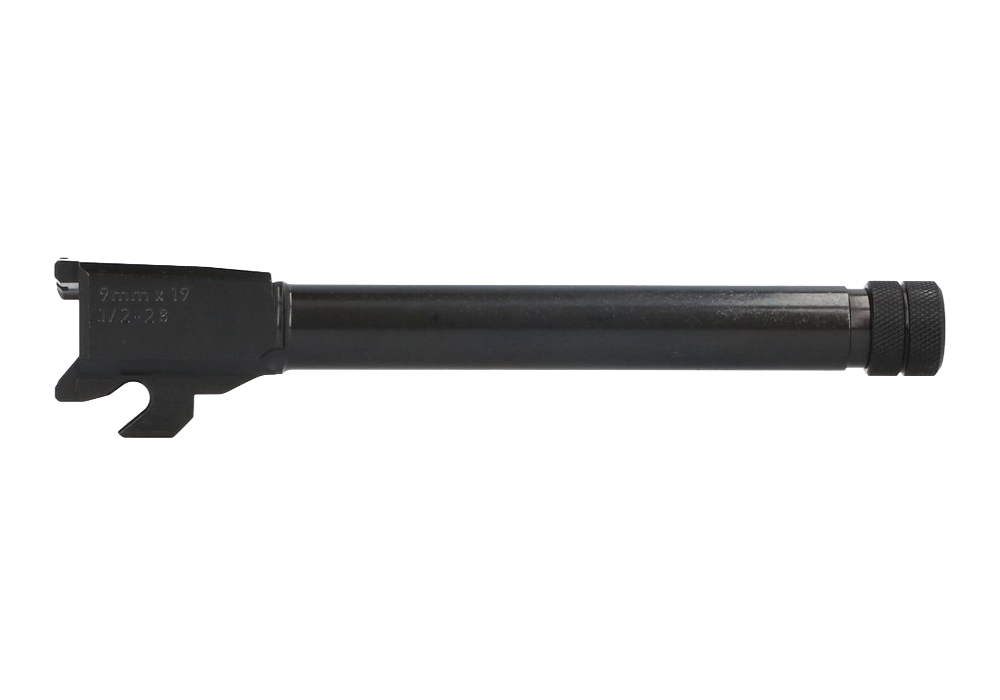
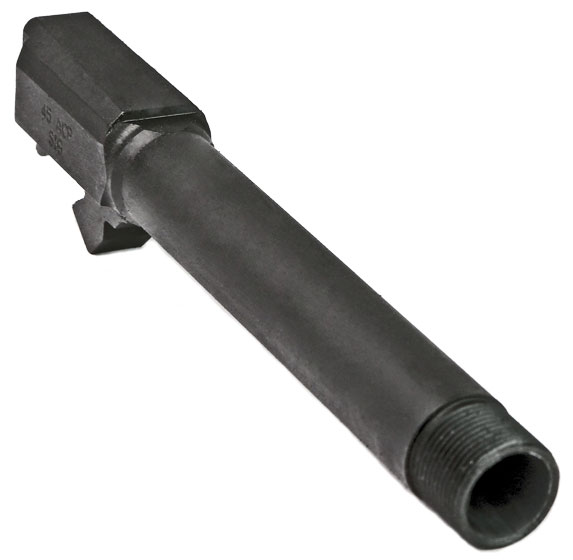
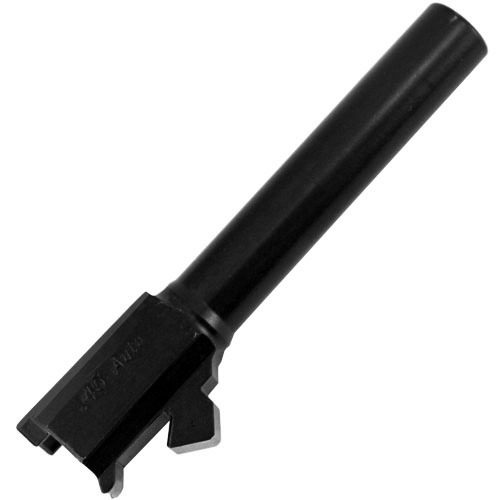
Barrel improvements can be a meaningful way to refine a firearm’s performance, handling, and appearance when the replacement is selected for the correct platform and intended use. A barrel influences several important characteristics, including accuracy potential, projectile stability, velocity, weight distribution, balance, and the way a firearm handles heat during extended shooting sessions. Factory barrels are designed to deliver dependable service across a broad range of conditions, while replacement options may be built around more specific priorities such as tighter group sizes, a particular bullet weight, a shorter overall configuration, or a finish selected for resistance to wear and corrosion. Match-grade barrels are generally produced with closer dimensional control and carefully formed rifling, which can reduce inconsistency from shot to shot when paired with quality ammunition and sound shooting fundamentals. Twist rate is another important consideration because it determines how efficiently the rifling stabilizes a projectile. A barrel intended for lighter bullets may use a different twist rate than one designed for heavier projectiles, so ammunition selection should be considered before making a purchase. Length and contour also matter. Longer barrels can offer additional sight radius or velocity potential in some configurations, while shorter barrels may be easier to maneuver and carry. Heavier contours can help manage heat and movement during long strings of fire, whereas lighter profiles may reduce overall weight for field use. Materials and surface treatments contribute to service life as well as visual appeal. Stainless steel, carbon-fiber-wrapped designs, and protective coatings each bring different combinations of rigidity, weight, maintenance needs, and appearance. Shoppers comparing surface treatments can also explore Barrel Finishes to better understand how a selected finish may complement the firearm and its intended environment. During the warmer months, a corrosion-resistant exterior can be especially useful when equipment is exposed to humidity, perspiration, or changing outdoor conditions; during cooler months, a well-maintained finish helps guard against moisture that can collect when a firearm moves between cold air and a heated vehicle or building.
The most important purchase consideration is compatibility. A barrel must match the firearm’s model, action, caliber, chamber specification, operating system, and intended ammunition. Even within a similar family of firearms, dimensions and interface details can differ, so product descriptions, manufacturer specifications, and qualified professional advice should be reviewed before ordering. Drop-in and pre-fit barrels are machined to work with compatible components and may require less fitting than a custom blank, but “drop-in” should never be interpreted as universal or automatically installation-free. A custom blank or a barrel requiring chambering, threading, crowning, or other machining should be installed by a qualified gunsmith with the proper gauges and equipment. Correct headspace is essential to safe operation, and installation should include appropriate inspection and function checks before the firearm is used. Threaded configurations also deserve careful attention. The thread pattern must match any compatible muzzle device, and the selected combination should provide adequate clearance and alignment. On platforms that use a suppressor or other muzzle-mounted accessory, concentricity and bore alignment are particularly important and should be verified by a professional. Buyers should also confirm applicable federal, state, and local requirements, since firearm configurations and accessories may be regulated differently depending on jurisdiction. A new barrel can improve a firearm’s mechanical accuracy potential, but it cannot compensate for inconsistent ammunition, a worn optic, an unsuitable sight picture, poor trigger control, or an unstable shooting position. Many shooters see the best results when they evaluate the entire setup: consistent ammunition, a properly mounted sighting system, a clean and correctly lubricated firearm, and a barrel suited to the bullet weights they plan to use. Keeping a simple record of ammunition type, group size, barrel temperature, and maintenance can make it easier to determine whether an upgrade is delivering the expected benefit rather than relying on impressions from a single range session.
Barrel improvements may appeal to competitive shooters, precision-minded enthusiasts, hunters, instructors, and owners who want to refresh a well-used firearm. A competition shooter may prioritize a rigid contour, a carefully selected chamber, and a twist rate matched to the ammunition used in a particular division. Someone preparing for longer-range practice may value consistency and stability, while a field-oriented user may place greater emphasis on manageable weight, corrosion resistance, and a profile that carries comfortably through changing terrain. For a recreational shooter, a replacement barrel can be part of a broader project to restore an older firearm or tailor its balance and appearance to personal preferences. These products can also make thoughtful gifts for an experienced firearm owner, provided the recipient’s exact model, caliber, and configuration are known. When those details are uncertain, a gift card or a conversation about the recipient’s planned setup is safer than guessing; an attractive barrel that does not match the action or ammunition serves no practical purpose. Before installation, inspect the bore and crown for damage, verify that the chamber and external surfaces are free of debris, and follow the manufacturer’s break-in and cleaning guidance when provided. Routine care should include safe unloading, appropriate storage, and periodic inspection for fouling, rust, unusual wear, or changes in accuracy. A barrel is a precision component, and small details such as an improperly fitted accessory, an over-tightened connection, or aggressive cleaning can affect performance over time. Whether the goal is a carefully tuned range setup, a durable field configuration, or a refreshed appearance, selecting the right barrel improvement means balancing accuracy potential, durability, weight, compatibility, installation requirements, and budget. With those factors addressed in advance, a replacement barrel can become a dependable part of a thoughtfully matched firearm system rather than an isolated upgrade.