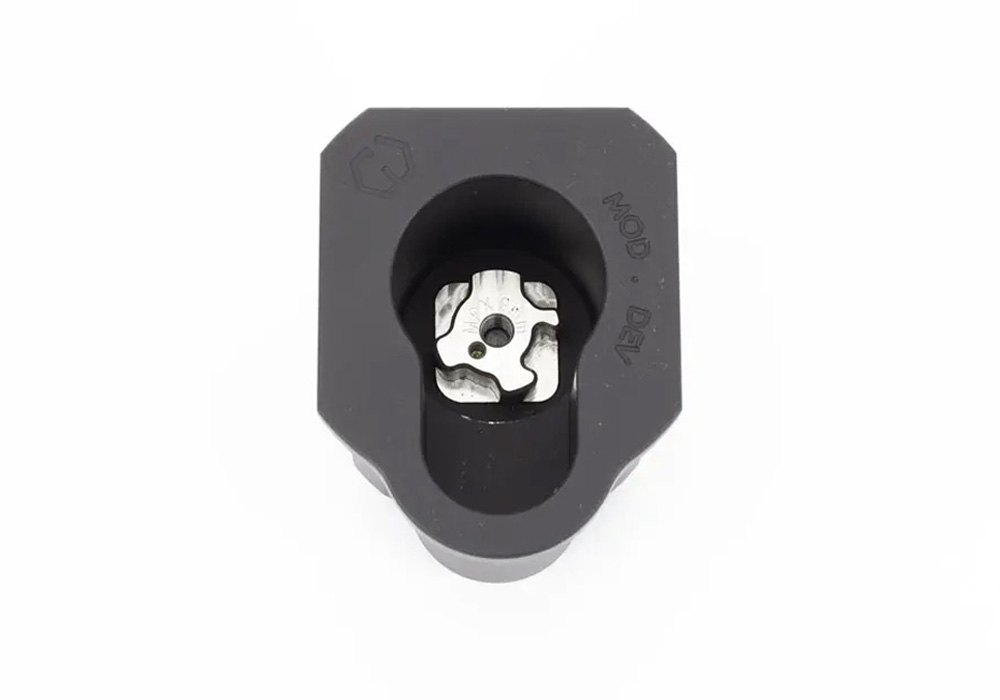
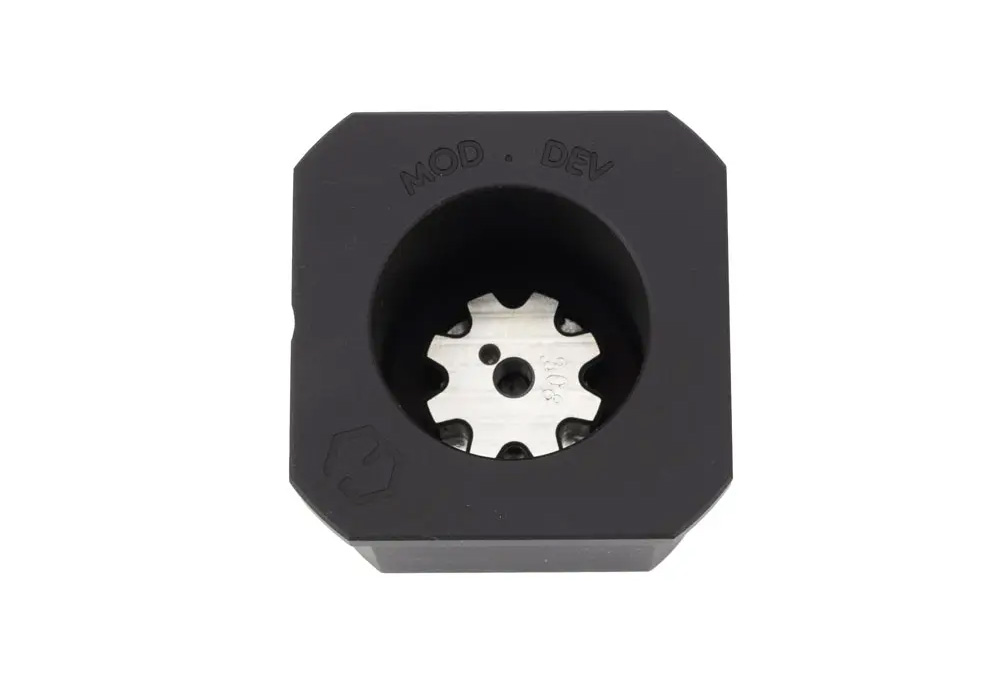
Barrel extension tools are specialized fixtures for securing a barrel through its extension rather than placing twisting force on the upper receiver, barrel index pin, or other sensitive alignment surfaces. During upper assembly, barrel removal, muzzle device installation, and rail work, the right tool gives the workpiece a firm, controlled point of contact. Many designs insert through the rear of the upper receiver and engage the internal locking lugs of the barrel extension, while others combine a reaction rod or holding shaft with a wrench interface for use in a bench vise. This arrangement transfers torque directly to the steel barrel extension, helping protect the receiver from cracks, distortion, and finish damage while reducing the chance of twisting or shearing the index pin. For shoppers comparing options, begin with the firearm platform and barrel extension pattern the tool supports, then confirm the manufacturer’s compatibility notes before ordering. A close, precise fit matters: the engagement surfaces should seat fully and evenly in the lugs, with no rocking, binding, or partial contact. A tool that fits the extension correctly provides a more stable foundation for careful work than a generic clamp or improvised block. For related equipment used during barrel service, browse the Barrel Exchange Tools collection as well.
Choosing the right barrel extension tool also depends on the task at hand. A torque tool is useful when tightening a barrel nut to a specified setting, especially when the build calls for repeatable results and careful alignment between the barrel, receiver, gas system, and handguard. A reaction rod or extension holding wrench is often better suited to bench work involving a stubborn muzzle device, rail system, or barrel assembly that needs firm support while force is applied. If the work involves a torque wrench, check the drive size and the tool’s stated torque range, and follow the firearm and component manufacturer’s instructions for the correct sequence and setting. Hand pressure should remain smooth and deliberate; a long lever can generate substantial force quickly, so a solid vise, stable bench, and properly seated tool are important parts of the setup. Before beginning, verify that the firearm is unloaded, remove all ammunition from the work area, and inspect the tool for worn engagement surfaces, damaged threads, bent shafts, or other signs of deterioration. Lightly cleaning the extension lugs and tool contact points can help the parts seat fully, while avoiding excess lubricant that could allow the fixture to shift. In a well-organized workshop, the tool is more than a convenience. It creates a predictable working relationship between the vise, barrel extension, receiver, and torque wrench, allowing the user to concentrate on alignment and measured force instead of fighting movement across the bench.
These tools are a practical addition for experienced builders, armorers, gunsmiths, and careful firearm owners who perform their own compatible maintenance. They can also suit a serious hobbyist assembling an upper receiver during the cooler months, when time at the workbench often replaces time outdoors. A barrel extension tool may be a thoughtful gift for someone setting up a first armorer’s bench, expanding a collection of specialty hand tools, or preparing for a future build, provided the recipient’s platform and extension pattern are confirmed first. It is worth considering storage as well: a compact tool that fits neatly in a drawer or dedicated case is easier to keep clean, locate, and protect between projects, while a longer reaction rod may call for a workbench cabinet or padded storage space. Clear markings, robust construction, comfortable wrench flats, and accessible contact surfaces can make repeated use less tiring and help the user maintain consistent technique. Picture a quiet bench with the upper secured, the barrel extension fully engaged, and the torque wrench moving in a slow, controlled arc rather than a receiver shifting under strain. That steady process is the central benefit of a purpose-built fixture. By isolating working force at the extension, these tools support more confident barrel service, protect valuable components, and help produce a properly aligned assembly when used with compatible parts, calibrated instruments, and the applicable manufacturer instructions.