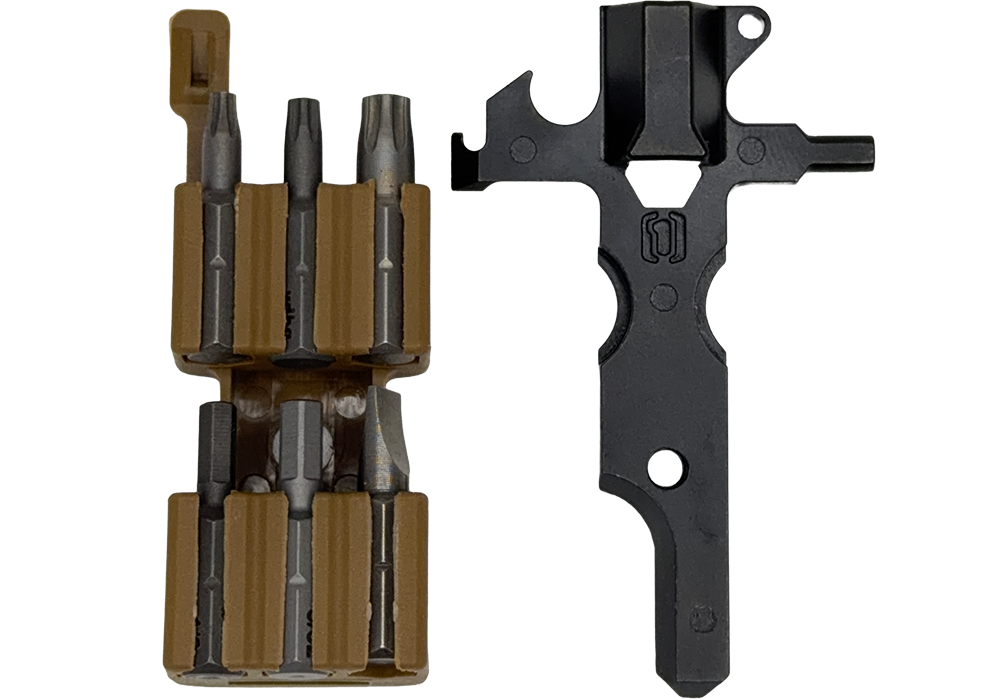
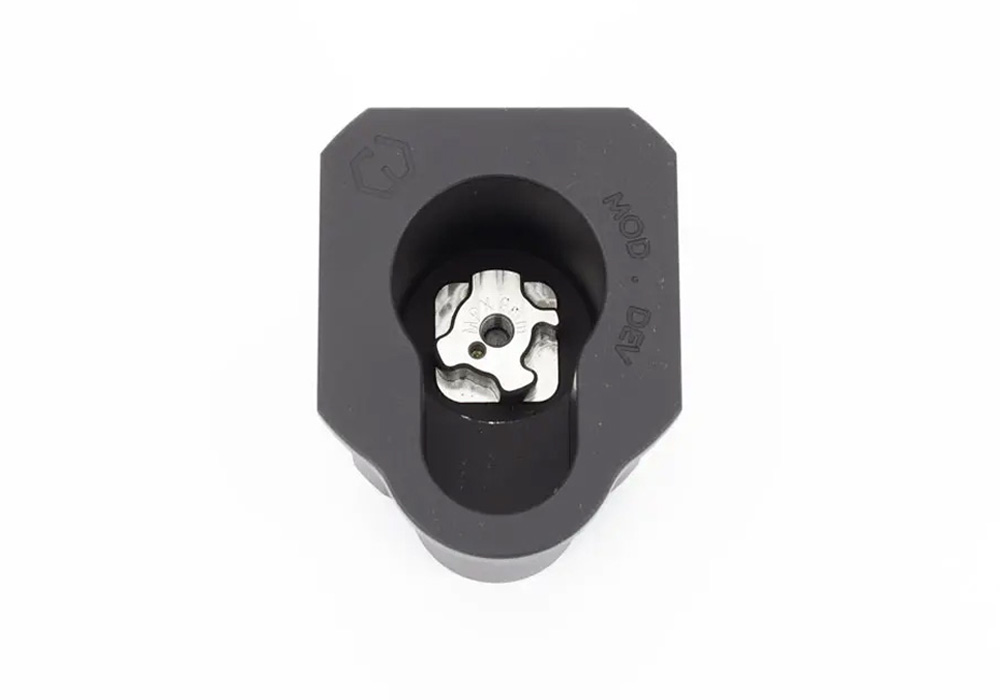
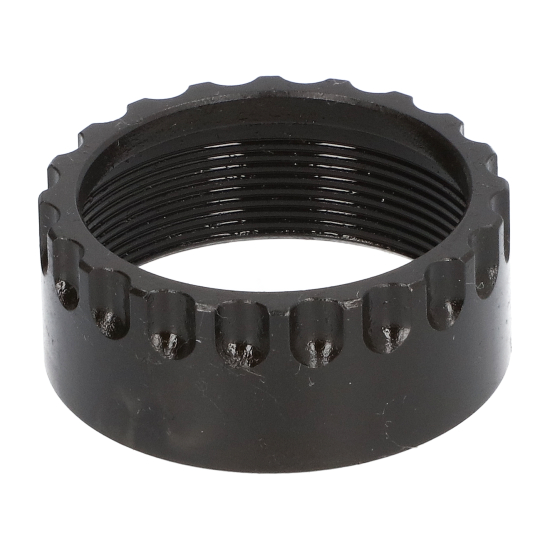
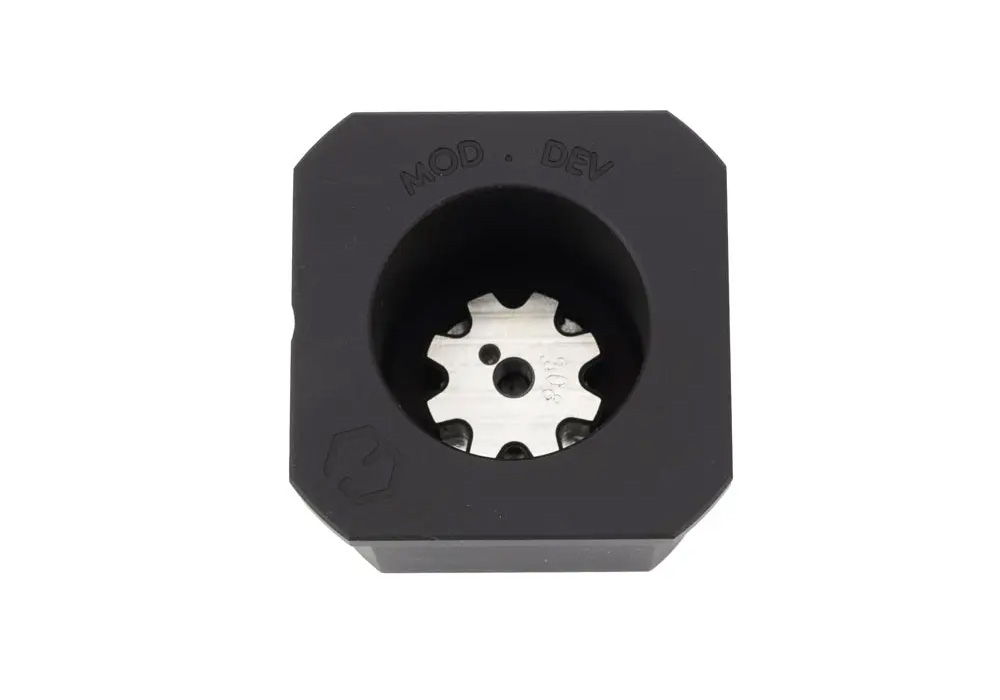
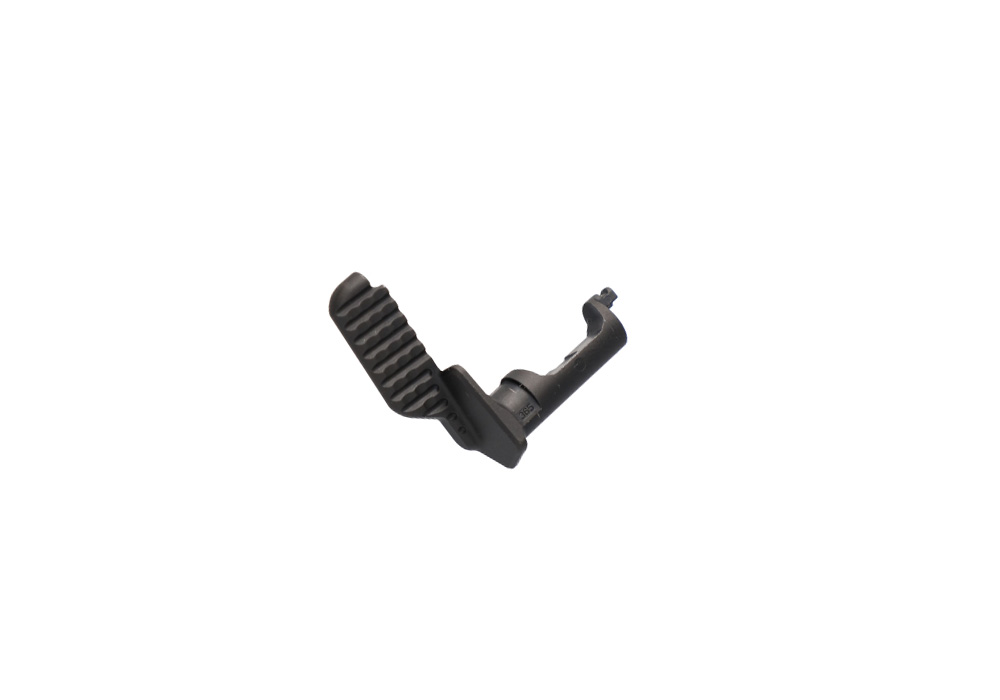
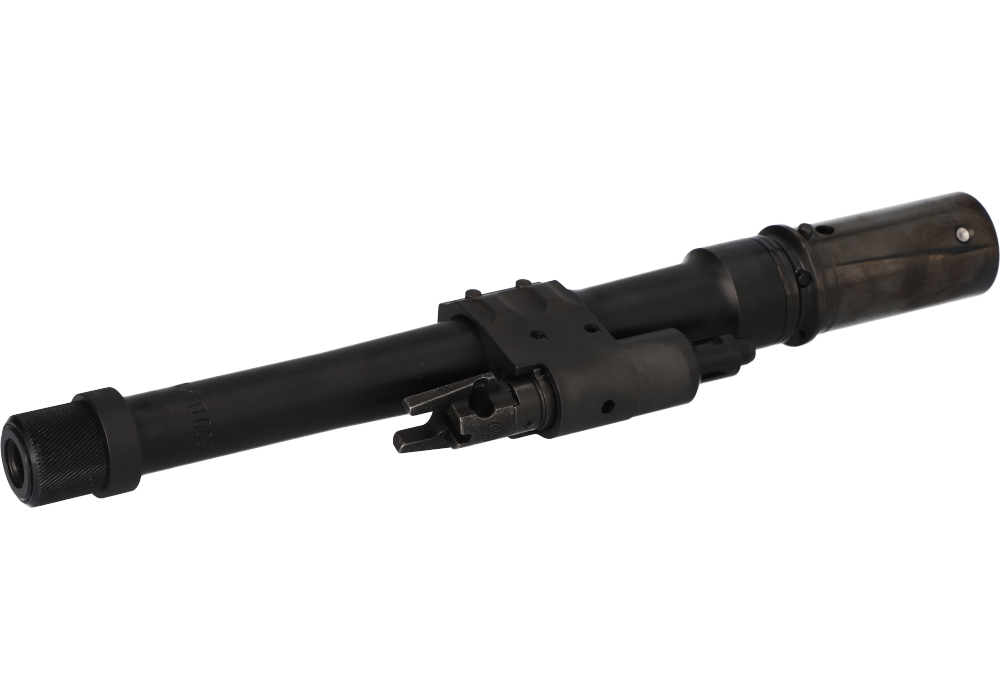
Barrel support tools are specialized firearm maintenance accessories designed to stabilize, protect, and properly position a barrel during service, installation, removal, or accessory work. In this category, the term generally refers to firearm-specific supports such as barrel vise blocks, clamping inserts, chamber support fixtures, alignment aids, and related tools used with an appropriate bench vise or armorer’s setup. These tools help distribute pressure across a secure surface rather than concentrating force on a thin section of the barrel, delicate finish, sights, gas system, or other components. A properly fitted support can make a workbench feel more controlled and predictable, especially when handling a rifle or pistol that must remain steady while a muzzle device, handguard, barrel assembly, or other component is being serviced. Many shooters begin looking for barrel support tools after discovering that a general-purpose vise or improvised padding does not provide enough stability or protection. A folded towel may prevent a cosmetic mark, but it cannot replace a correctly shaped block that supports the barrel without crushing, twisting, or shifting it. For additional firearm maintenance accessories and related equipment, explore Gun Barrel Tools to help complete a more organized workbench.
Selecting the right barrel support tool starts with compatibility. Consider the firearm platform, barrel profile, caliber, operating system, and the portion of the firearm the tool is intended to engage. Some supports are shaped to cradle a specific outside diameter, while others interface with a chamber, barrel extension, or receiver area. A tool that fits a lightweight profile may not be appropriate for a heavier contour, and a fixture designed for one modular platform may not be suitable for another. Review the manufacturer’s specifications carefully, including supported dimensions, approved applications, material construction, and any required vise or bench hardware. Protective contact surfaces are another important consideration. Non-marring polymer, urethane, rubberized, or properly finished metal interfaces can help reduce the chance of scratches and finish wear, while rigid, precisely machined construction can provide the firm engagement needed for more demanding work. Look for clean edges, secure fasteners, and a design that holds the barrel consistently without forcing it out of alignment. A barrel support tool should complement, not replace, sound mechanical judgment: unload the firearm completely, remove ammunition from the work area, follow the owner’s manual, and confirm that the tool is being used only for its intended purpose. When torque specifications, headspace, timing, or permanent component installation are involved, a qualified gunsmith may be the right choice. Proper support is especially valuable during cooler months, when a careful afternoon at the bench can be a welcome way to inspect equipment, address wear, and prepare a firearm for its next range session without rushing the work.
Barrel support tools may appeal to several kinds of firearm owners. A competitive shooter may use them while maintaining a frequently trained platform, where repeatable setup and careful protection of the barrel finish matter over time. A hunter may appreciate a stable fixture when preparing a rifle before the season or checking a muzzle device after transport through rough terrain. Armorer-level users, instructors, gunsmiths, and serious hobbyists often keep several support options on hand because different barrel contours and firearm designs call for different points of contact. They can also make thoughtful gifts for an experienced shooter who enjoys maintaining equipment, provided the giver first confirms the recipient’s firearm platform and the type of work they perform. A tool that fits one barrel system may be of little use for another, so compatibility is more important than appearance or a broad assortment of included pieces. For someone building a first workbench, a support tool can be paired with other practical maintenance essentials such as properly sized torque equipment, protective mats, quality lighting, and secure storage for small parts. Picture the difference between trying to hold a barrel steady on a crowded kitchen table and working at a dedicated bench where every surface has a purpose: the firearm is supported, the finish is protected, and the small components are easy to see when the work pauses. Whether used occasionally for routine service or regularly as part of a more advanced setup, barrel support tools provide a purpose-built foundation for controlled firearm maintenance. Selecting a durable, compatible design and using it with the correct procedures can help make barrel-related work more consistent while reducing unnecessary stress on the firearm and the person working on it.