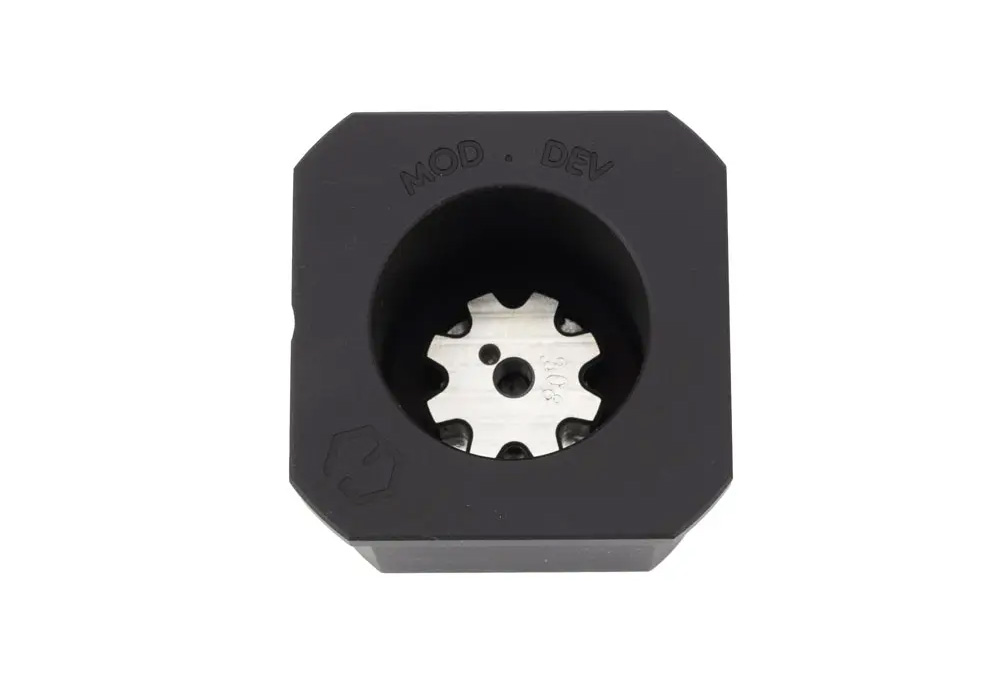
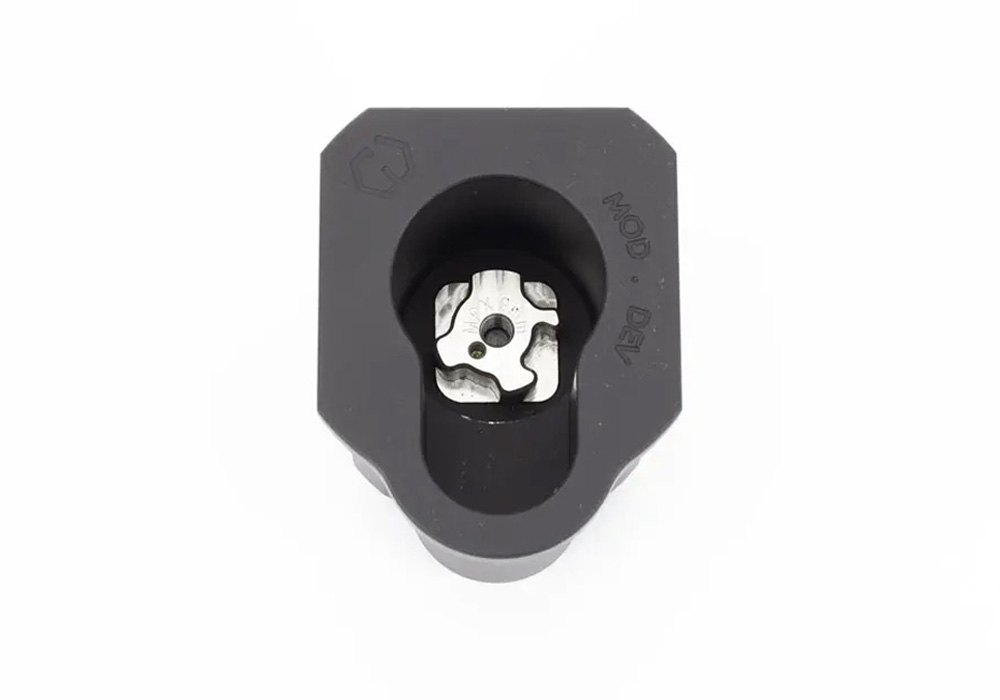
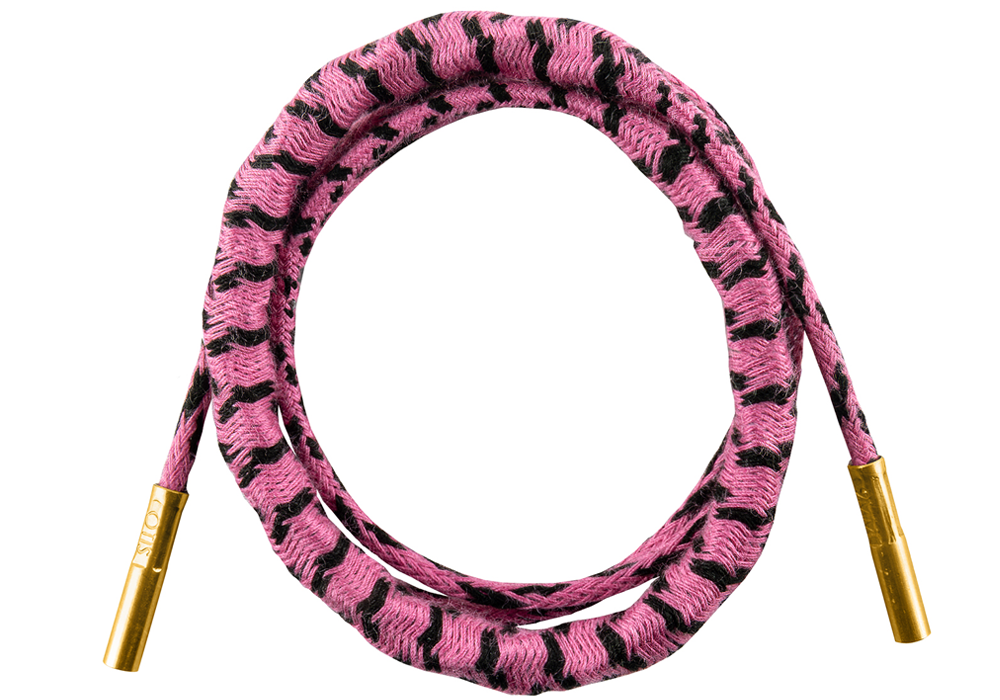
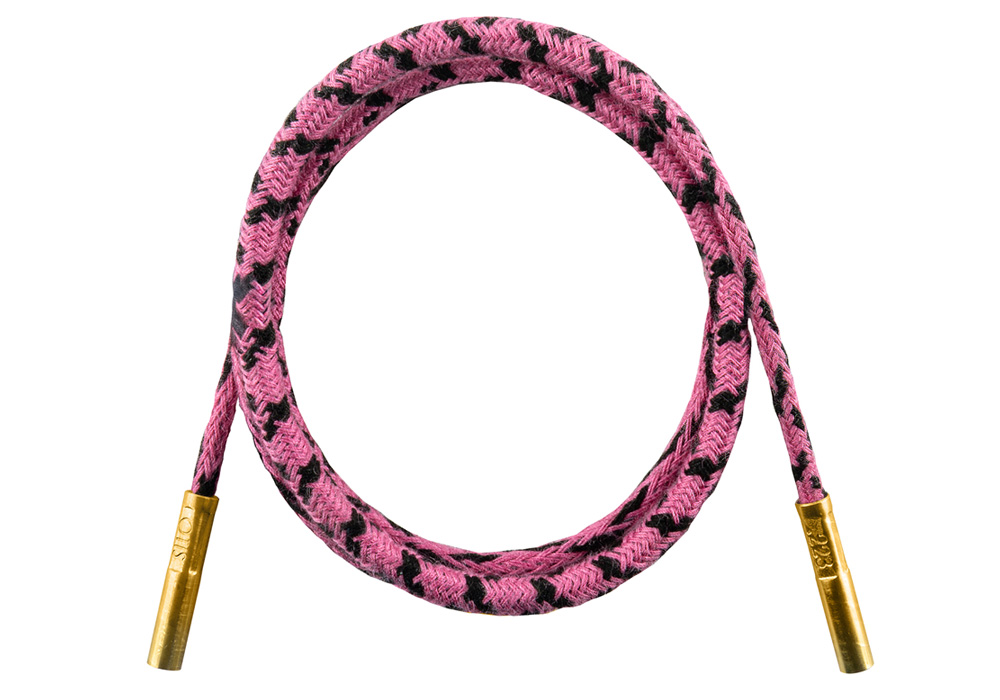
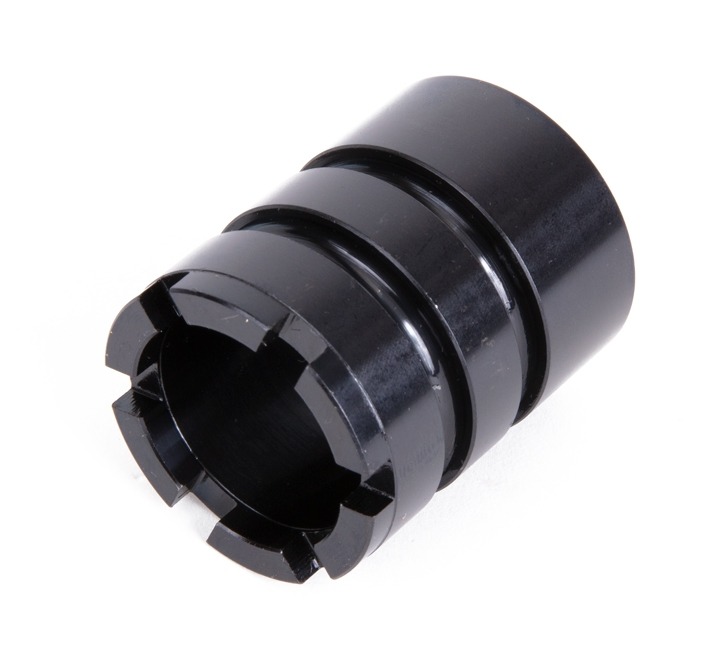
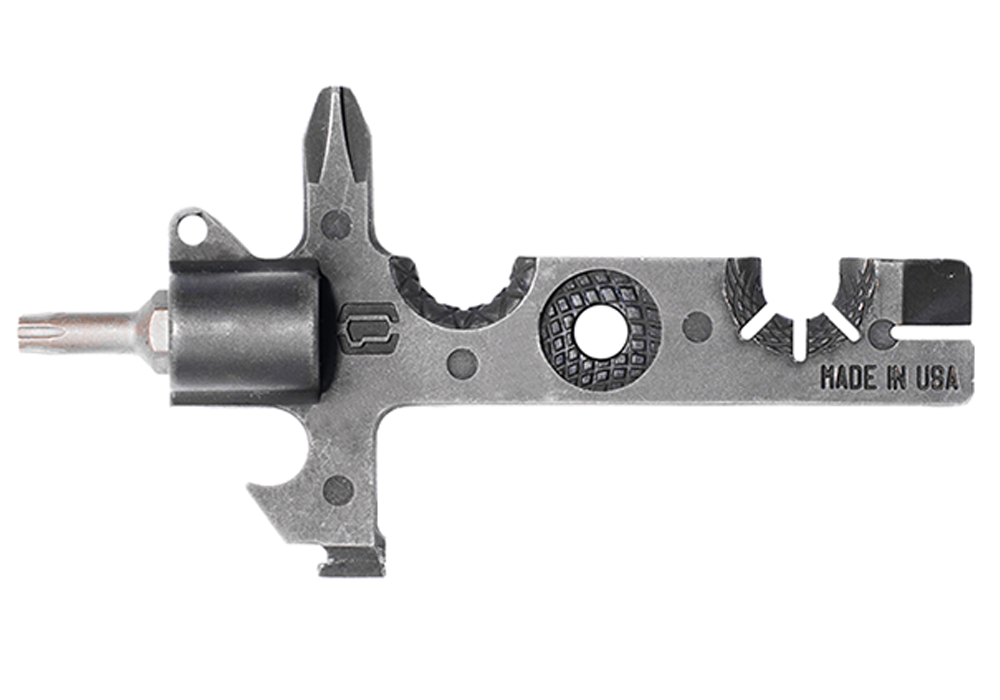
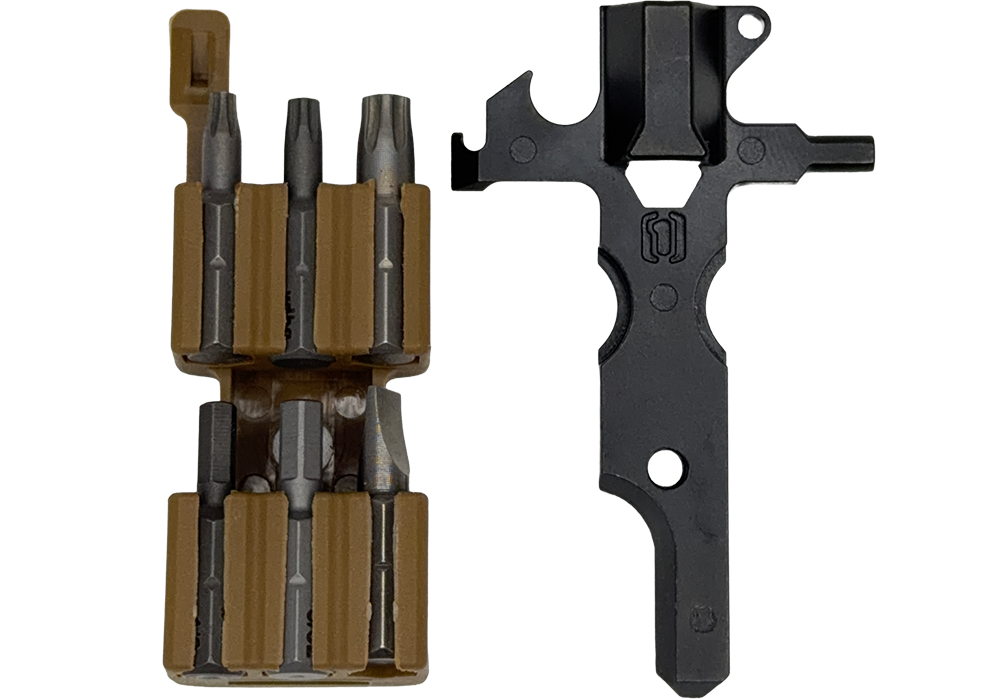
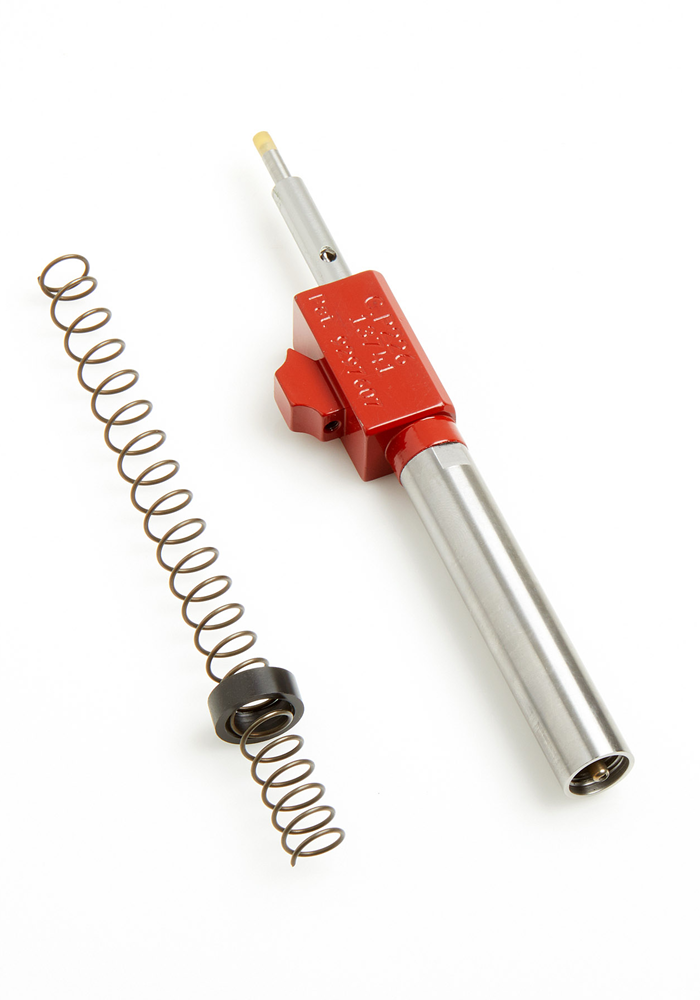
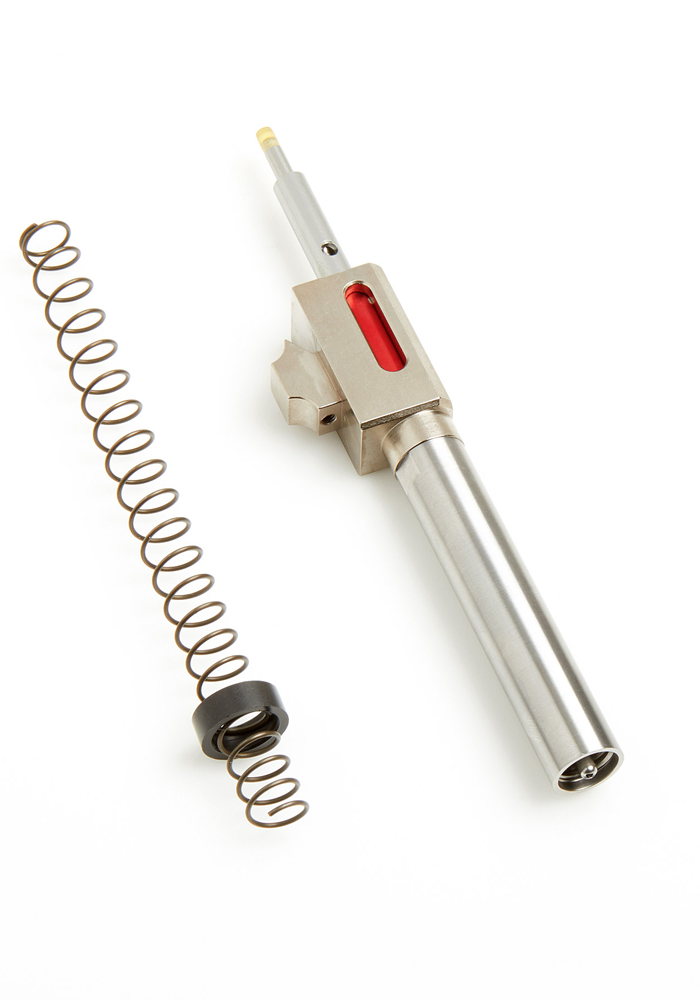
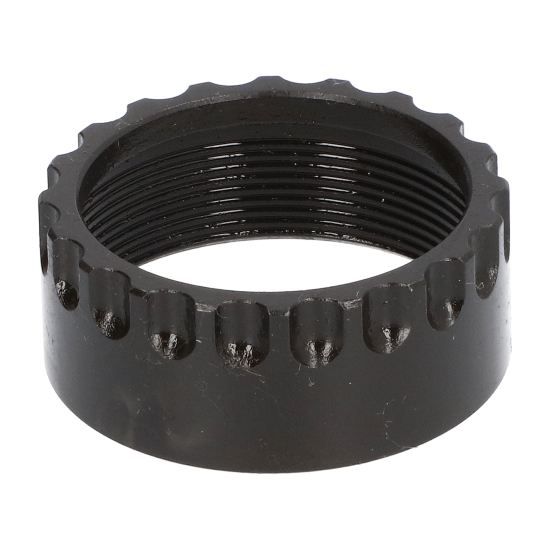
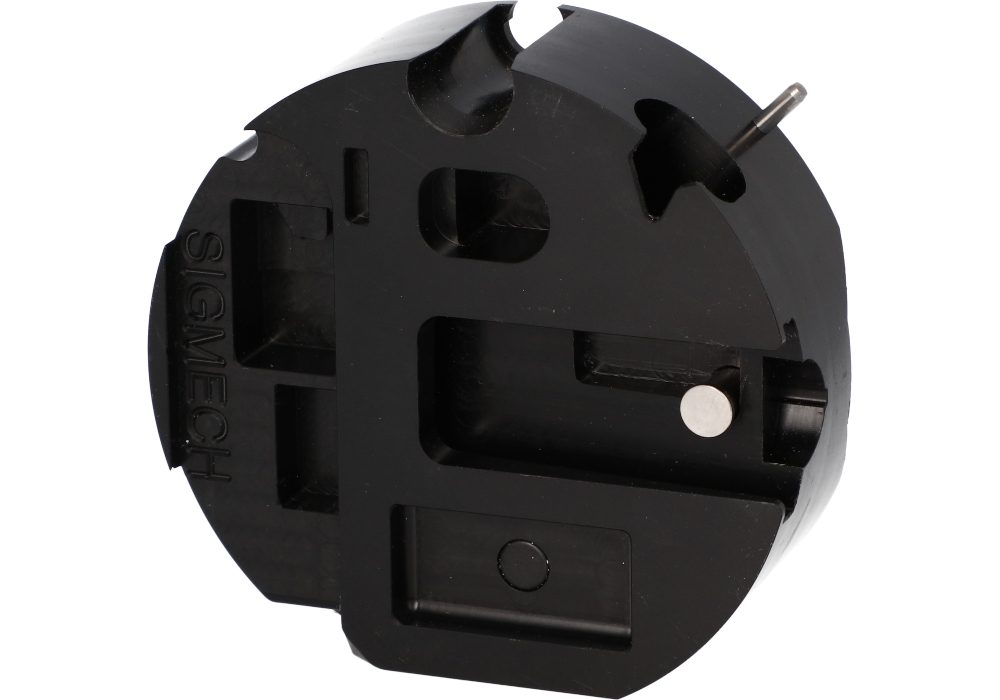
Gun barrel tools are specialized maintenance and installation equipment designed to help firearm owners, gunsmiths, armorers, and serious hobbyists secure, inspect, clean, service, or replace a barrel with greater control. A well-organized set may include barrel vises and protective bushings for holding a barrel securely without marring its finish, action wrenches for supporting the receiver during barrel work, and barrel nut or armorer’s wrenches sized for compatible components. Other tools are intended for inspection and finishing, including bore lights, borescopes, cleaning accessories, lapping equipment, reamers, and crowning tools. Each serves a different purpose, so compatibility should be the first consideration when comparing options. The firearm’s action style, barrel profile, receiver design, thread pattern, muzzle configuration, and manufacturer specifications all influence which tool is appropriate. A compact wrench that works well on one assembly may not provide the correct engagement or leverage for another, while a bushing that fits a slim barrel may be unsuitable for a heavier contour. Before purchasing, check dimensions, interface points, material construction, and the intended range of use. Protective surfaces are especially valuable when working with finished steel, stainless components, or treated coatings, since a small slip or uneven clamping force can leave marks that are difficult to remove. Properly fitted tools also help keep pressure centered and reduce the risk of damaging delicate threads, flats, lugs, or receiver surfaces. For customers building a maintenance bench, a practical starting point is often a secure holding solution paired with the correct action or barrel wrench, followed by inspection and cleaning tools suited to the firearms they service. Those assembling a more complete workshop may also consider torque-measuring equipment and organized storage so that tools remain easy to identify when a firearm needs attention during the cooler months.
Barrel work can range from routine inspection and cleaning to more involved installation, repair, or precision fitting. A bore scope or inspection light can reveal conditions that are difficult to see from the chamber or muzzle, including fouling, surface wear, tool marks, pitting, or irregularities in the rifling. This kind of visibility is useful after extended use, before putting a stored firearm back into service, or when investigating a change in accuracy or cleaning behavior. Bore lapping tools are intended to smooth carefully selected internal surfaces, while reamers and crowning tools are used for specialized work at the chamber or muzzle end. Because these operations can permanently change a barrel, they require the correct specification, a stable setup, and a clear understanding of the firearm’s design. A barrel vise and properly fitted bushing can make removal or installation more controlled by distributing force around the barrel instead of concentrating it in one vulnerable spot. Action and receiver wrenches similarly help hold the firearm’s action in alignment while a barrel or barrel nut is loosened or tightened. The goal is not simply to apply more force; it is to apply the right force at the right contact points. That distinction matters at a workbench, where a few extra minutes spent checking fit and alignment can prevent a damaged finish, rounded flats, or distorted components. Anyone unfamiliar with a particular operation should consult the firearm’s technical documentation and consider qualified gunsmith service for work involving chamber dimensions, headspace, threading, crowning, or other permanent alterations. For routine owners, these tools can support careful cleaning and inspection. For professional armorers and experienced builders, they can become part of a dependable bench setup used to service a range of compatible configurations. Customers comparing barrel-related components may also want to review Gun Barrel Assemblies when planning a replacement or installation project.
Gun barrel tools can be useful purchases for many different types of firearm owners. A recreational shooter may appreciate a compact inspection and cleaning setup for maintaining equipment between range sessions, while a hunter may value tools that make it easier to examine a barrel after exposure to moisture, dust, brush, or changing temperatures. Competitive shooters, gunsmiths, and armorers often look for durable tools that can withstand repeated use, provide consistent contact, and accommodate the barrel profiles and actions they work with most often. They can also make thoughtful gifts for someone who enjoys maintaining a firearm collection, setting up a home workshop, or learning more about responsible equipment care, particularly when the recipient already has compatible firearms and a suitable bench. Gift buyers should focus on broadly useful accessories only when fit is known; specialized wrenches, bushings, reamers, and crowning tools are usually better selected with the exact firearm model and dimensions in hand. Storage is another practical detail. A dedicated case, drawer organizer, or labeled tool tray helps keep small adapters, bushings, punches, and inspection accessories together instead of scattered across a work surface. Good lighting, a stable bench, protective padding, and eye protection also contribute to a more controlled workspace. Every firearm should be unloaded and verified clear before maintenance begins, with ammunition stored separately from the work area, and tools should be used only for the functions and specifications for which they are designed. During the transition from warmer range days to cooler outdoor conditions, a reliable set of gun barrel tools can help owners maintain a consistent routine: inspect the bore, remove appropriate fouling, protect exposed surfaces, and store equipment in a clean, dry environment. Whether the need is a single barrel vise for occasional service or a more complete collection for ongoing installation and inspection work, choosing tools based on compatibility, construction, protective contact surfaces, and intended use helps create a safer and more dependable maintenance setup.