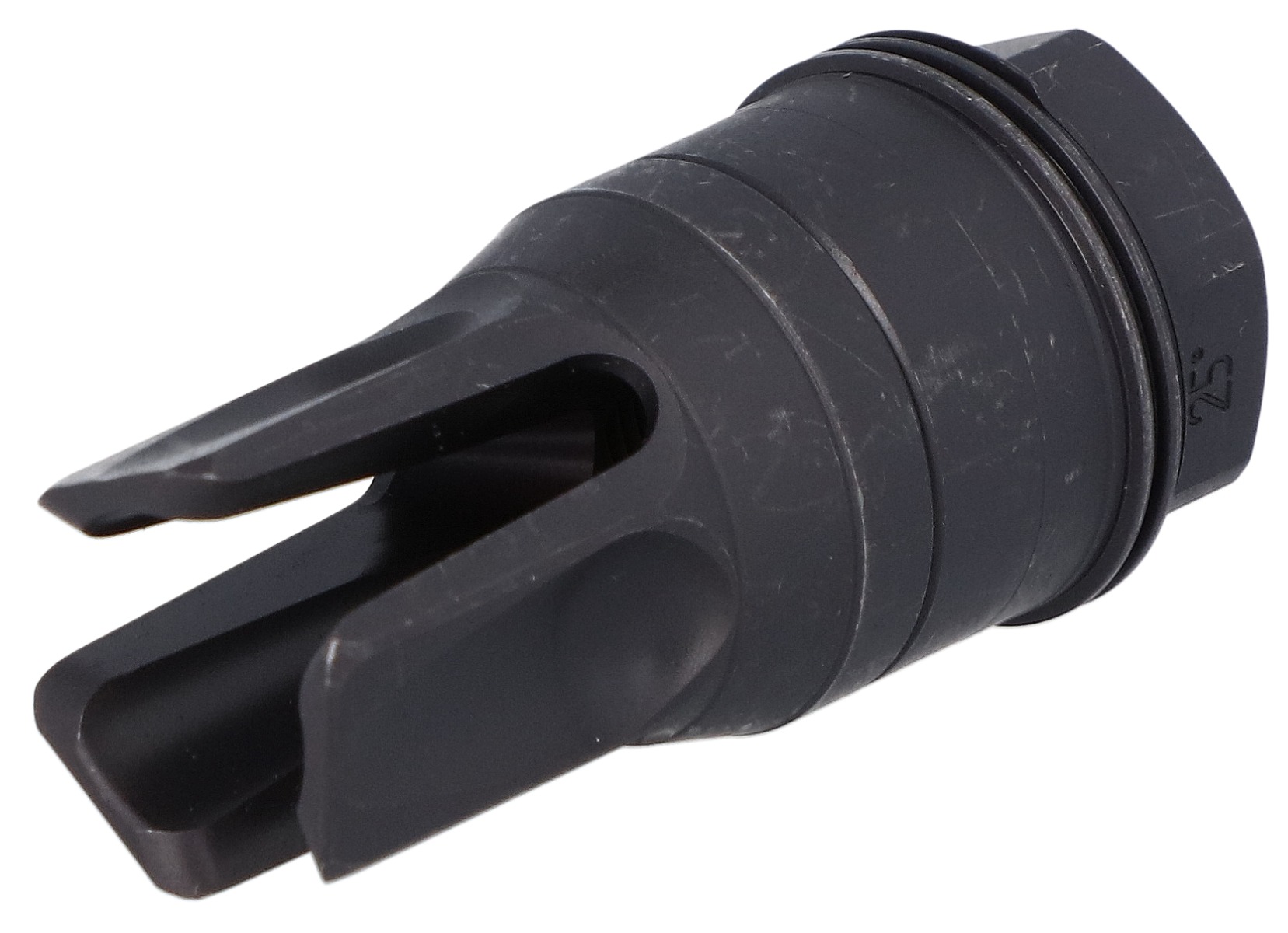
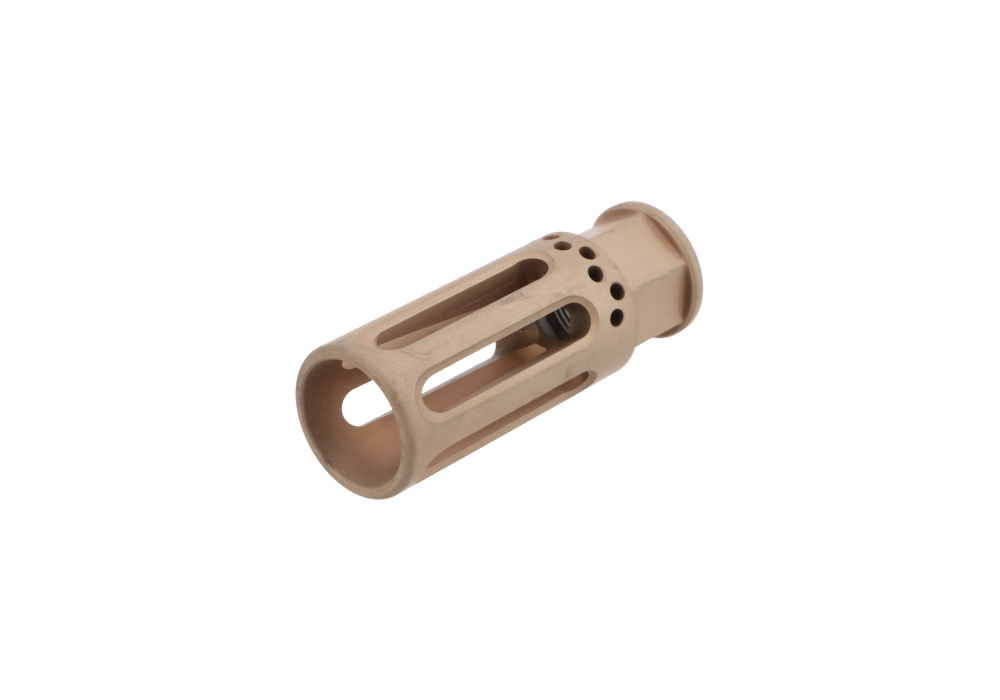
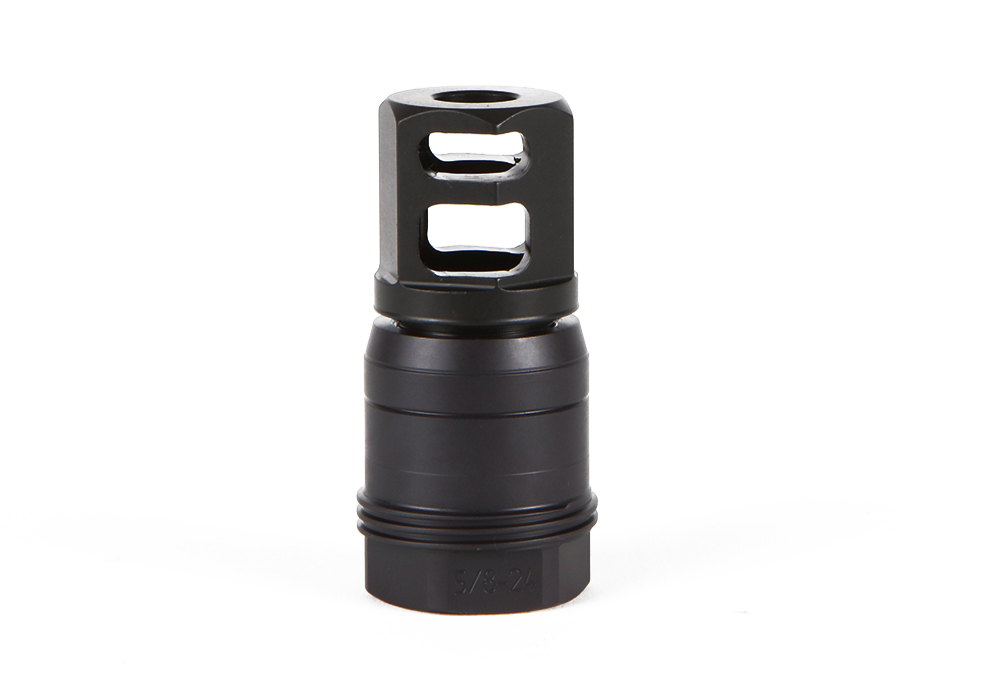
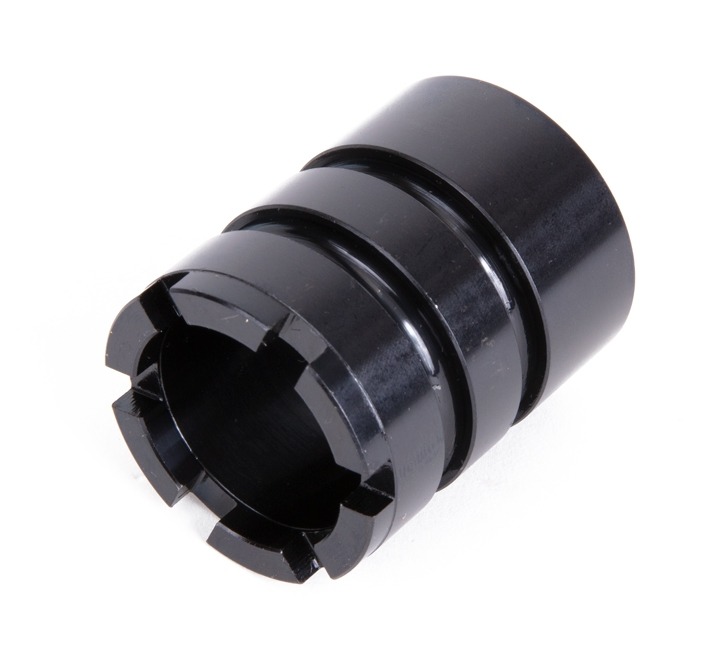
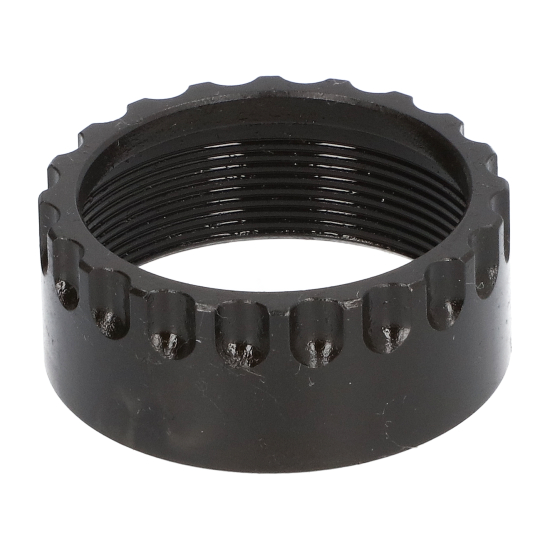
Barrel attachments, often called muzzle devices, are designed to change how a firearm handles gas, recoil, muzzle flash, or shot pattern at the end of the barrel. The right attachment can make a firearm more comfortable to shoot, easier to control, or better suited to a particular range, hunting, competition, or training setup. Common categories include suppressors, flash hiders, muzzle brakes, compensators, thread protectors, adapters, and shotgun chokes. Each serves a distinct purpose. A flash hider disperses expanding gases to reduce the visible burst of light at the muzzle, which can be useful when preserving low-light visibility. A muzzle brake redirects gases to reduce felt recoil, while a compensator generally vents gas upward or in a controlled direction to help limit muzzle rise and speed recovery between shots. These devices can overlap in function, but they are not interchangeable in performance or sound signature. A brake may make recoil feel noticeably softer while increasing the blast and concussion experienced by the shooter and those nearby. A flash hider may reduce visible flash without offering the same recoil benefit. A suppressor can reduce sound and muzzle flash, but it does not make a firearm silent, and hearing protection remains important. For shotgun owners, a choke is a different kind of barrel attachment: it constricts the muzzle to influence how pellets spread as they travel, helping tailor a pattern for hunting, clay shooting, or other approved uses. Understanding these differences is the first step toward selecting an attachment that fits the firearm and supports the way it is actually used.
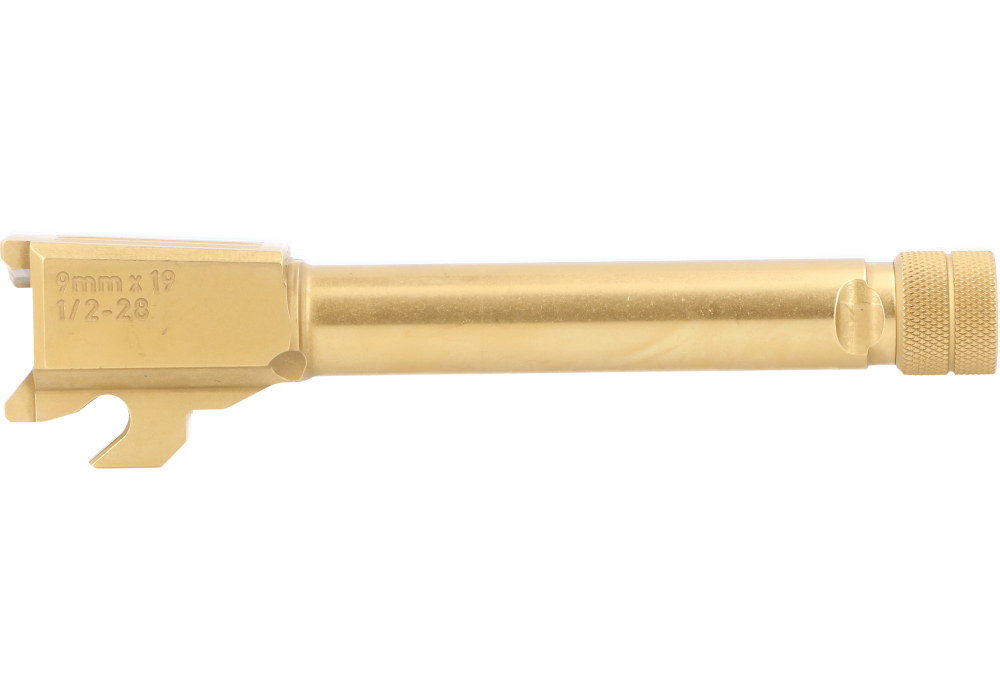
Compatibility should be the starting point before appearance, price, or perceived performance. Check the firearm’s caliber, barrel thread pitch, muzzle diameter, thread direction, and available clearance, and confirm that the attachment is rated for the intended cartridge and platform. Thread dimensions that look similar may not be interchangeable, and using an attachment with the wrong specifications can damage equipment or create an unsafe condition. Semi-automatic firearms also require attention to gas behavior, timing, and overall setup; changing the way gas leaves the muzzle can affect handling and, in some configurations, cycling. For shotguns, verify the choke system and use only chokes suitable for the barrel and ammunition. Some choke types are intended for specific shot materials, and a pattern should be checked with the ammunition selected rather than assumed from the choke designation alone. Installation matters as well. A muzzle device should seat correctly and remain secure, with alignment verified whenever the design requires it. Suppressors and other precision attachments may require additional mounting components, alignment tools, or professional installation, particularly when the firearm will be used with an optic or when small clearances are involved. Follow the manufacturer’s instructions, inspect threads for damage or debris, and confirm that the bore is unobstructed before firing. Local, state, and federal laws may regulate certain barrel attachments, especially suppressors, and requirements can vary depending on where the item is purchased, possessed, transported, or used. Review applicable regulations and complete any required process before taking possession. Safe storage, responsible transport, and appropriate eye and ear protection remain essential with every configuration. For shoppers comparing related components, Barrel Kits can also be part of a broader setup when a different barrel length, chambering, or threaded configuration is needed.
The best attachment depends on the shooter’s priorities and the conditions in which the firearm will be used. Someone who spends long days at an outdoor range may value a softer-shooting setup that reduces fatigue during repeated practice, while a competition shooter may prioritize fast sight recovery and a consistent return to target. A hunter may prefer a compact, snag-resistant device that suits the terrain and does not add unnecessary weight to the front of the firearm. A suppressor can be appealing to an experienced owner seeking reduced report and less muzzle flash, but it also adds length and weight and may require additional planning for transport and legal compliance. A flash hider can be a sensible choice for low-light applications, where a bright muzzle flash can briefly interfere with night vision. Owners of sporting shotguns may select interchangeable chokes to refine pellet patterns for different distances and targets, then confirm those patterns on paper before heading into the field. These products can also make thoughtful gifts for a knowledgeable firearm owner, especially when the recipient already knows the thread pattern, caliber, shotgun choke system, or intended use of their firearm. If those details are uncertain, a gift card or accessory chosen with the recipient’s input is often more practical than guessing. Picture the small details that matter after a long range session: less discomfort in the shoulder, a clearer view of the target after a shot, or a pattern that stays evenly distributed across the paper. Barrel attachments are most valuable when they support those real-world improvements without compromising fit, reliability, or safe handling. Compare dimensions carefully, consider how the added length and weight will affect balance, and choose a purpose-built attachment from a reputable source for a setup that remains dependable through changing conditions, from warm outdoor range days to cooler months in the field.