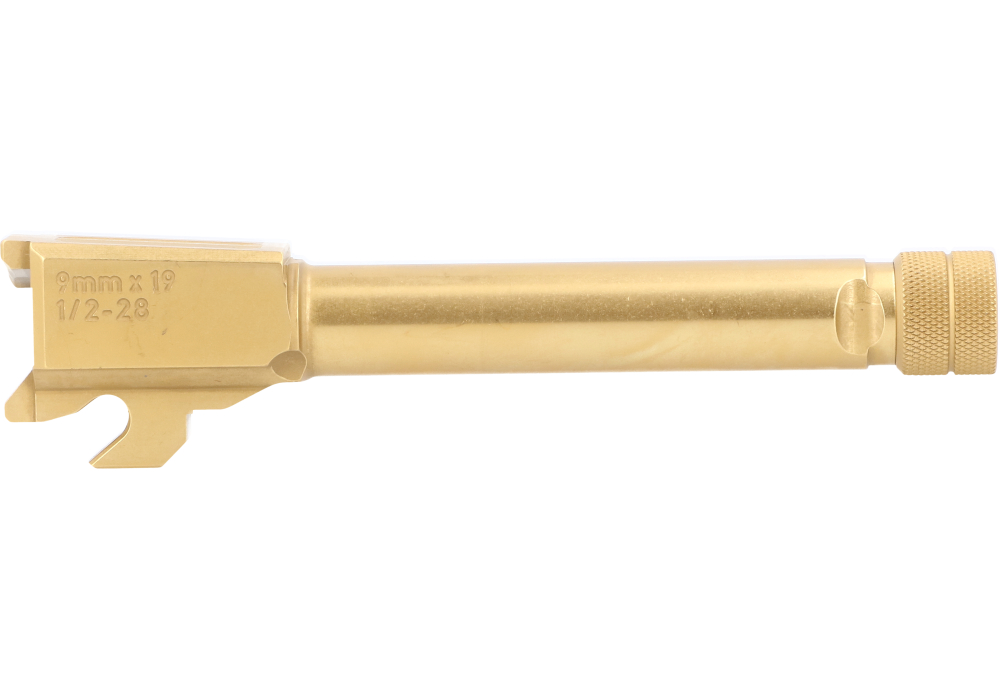
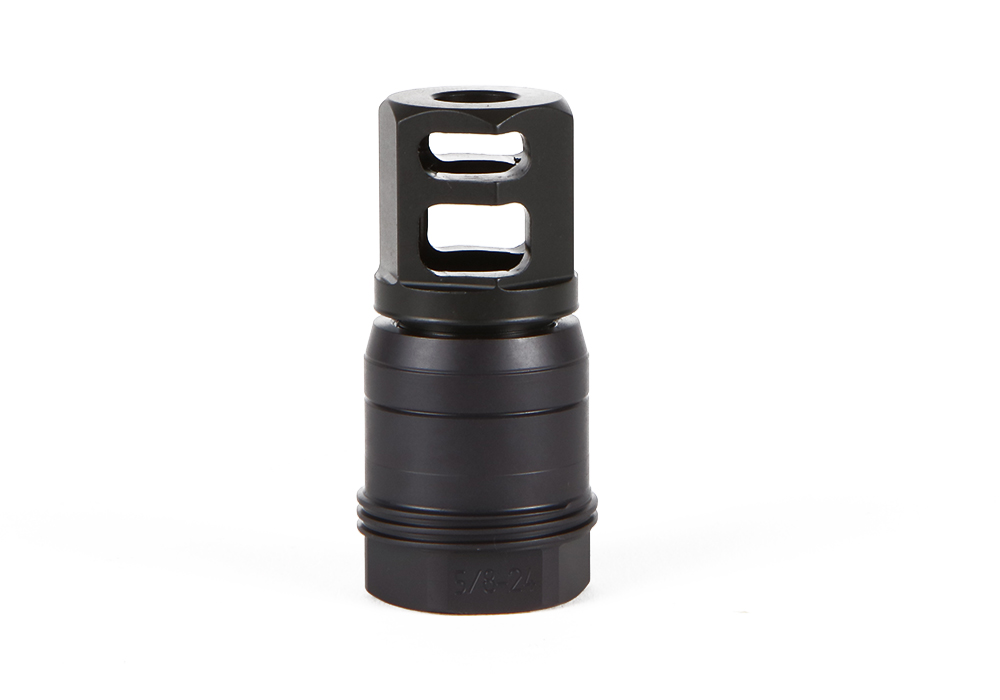
Barrel length accessories include replacement barrels, threaded barrel options, thread protectors, and related components selected to match a firearm’s dimensions and intended configuration. Barrel length is one part of that match, but it is not a complete compatibility specification: the firearm’s platform, chambering, model generation, and manufacturer requirements also matter. Two barrels with the same listed length are not necessarily interchangeable, and a part that looks similar in a photograph may have different fitting requirements. For shoppers comparing these accessories, the most useful starting point is the exact firearm they own and the purpose of the purchase, whether that means replacing a worn component, protecting exposed threads, or finding an appropriate factory-supported option. A standard replacement barrel generally serves a different need from a threaded version, while a thread protector covers exposed barrel threads when a compatible attachment is not in use. These distinctions help keep a small purchase from becoming a collection of parts that do not belong together. Length also deserves careful reading because listed barrel length and the overall dimensions of a firearm with an attached accessory are different measurements. An accessory that extends beyond the muzzle does not necessarily change the barrel’s stated length or its legal classification in the way a shopper might assume. Product specifications and applicable requirements should take precedence over appearances. For recreational shooters, collectors, and owners maintaining a familiar firearm, this category is often about preserving a dependable fit rather than pursuing a dramatic change. The practical details tend to matter most: a clearly identified application, an appropriate finish, straightforward care requirements, and confidence that the component belongs with the rest of the firearm. A familiar range bag, a carefully kept maintenance record, and a firearm that returns to its case clean and inspected are the everyday setting for these purchases. Barrel accessories fit into that routine as purposeful components, not interchangeable decorations.
Choosing among barrel length accessories calls for attention to the complete product description, especially any compatibility exclusions and professional fitting requirements. Start with the manufacturer’s stated application rather than relying on a broad label such as compact or full size. Those descriptions can cover different dimensions across firearm families, and even closely related versions may use different components. Chambering must match the approved configuration, while threaded options require compatibility beyond a simple length comparison. Where a muzzle attachment is involved, have its suitability confirmed by the relevant manufacturers or a qualified gunsmith; matching appearance alone is not enough. It is also worth distinguishing between a replacement barrel and the smaller protective or supporting parts pictured alongside it. Check what is included in the package so the price comparison reflects the actual purchase. Materials, surface treatments, warranty terms, and maintenance recommendations can help separate otherwise similar listings, but none of those details substitutes for confirmed fit. A dark finish may coordinate neatly with an existing firearm, yet its stated care requirements are more useful than color alone when evaluating it for regular ownership. Consider the equipment already in use, too. A component that changes the firearm’s exterior dimensions may affect compatibility with an existing holster or fitted storage case. That matters when a case has shaped compartments or a holster was selected for a specific configuration. Shoppers exploring a particular platform can also review 1911 Barrel Accessories for options within that category, while still checking each listing against their exact firearm. Price deserves the same practical approach: compare the total expense, including any required professional inspection or fitting, rather than treating the lowest listed price as the whole cost. Clear specifications, accessible support, and a suitable return policy can be especially valuable when the differences between components are difficult to judge from images. Keep the original packaging and product information with maintenance records; having the correct part details available can simplify later service questions.
The people shopping for barrel accessories are not all looking for the same outcome. A frequent range visitor may be replacing a component after an inspection, a collector may be seeking an appropriate replacement for a particular configuration, and a newer owner may simply want to understand which protective parts belong with an existing setup. In each case, a well-chosen accessory begins with a specific need and a verified match. For someone who enjoys the care and upkeep of their equipment, the appeal can be quietly practical: clean threads protected between outings, a replacement part documented alongside service records, or a storage arrangement that continues to fit without compromise. During the cooler months, when range trips may involve an extra layer and equipment moves between outdoor air and indoor storage, manufacturer-recommended cleaning and moisture control remain important parts of ownership. No finish eliminates the need for inspection, and protective accessories do not replace proper maintenance. Follow the firearm and accessory manufacturers’ care instructions, and leave uncertain fitting or condition questions to a qualified professional. Gift purchases deserve particular care because barrel-related components are highly specific to the recipient’s firearm and preferences. For an eligible adult who has identified an exact compatible part, an accessory can be a thoughtful addition to a hobby they already enjoy. Without that information, choosing by appearance or approximate length is more likely to create inconvenience than delight. Confirm the recipient’s requested specification and any applicable purchase restrictions before ordering, and avoid treating a firearm component as a universal stocking-stuffer. The same measured approach applies when planning a purchase for your own equipment: consider how often the firearm is used, how it is stored, and whether the accessory addresses a genuine maintenance or compatibility need. Browse with those details in mind and favor listings that explain the intended application clearly. The strongest choice is not necessarily the longest option, the most elaborate finish, or the component with the broadest claims. It is the one that fits the approved configuration, supports responsible upkeep, and arrives with enough reliable information to make ownership straightforward.