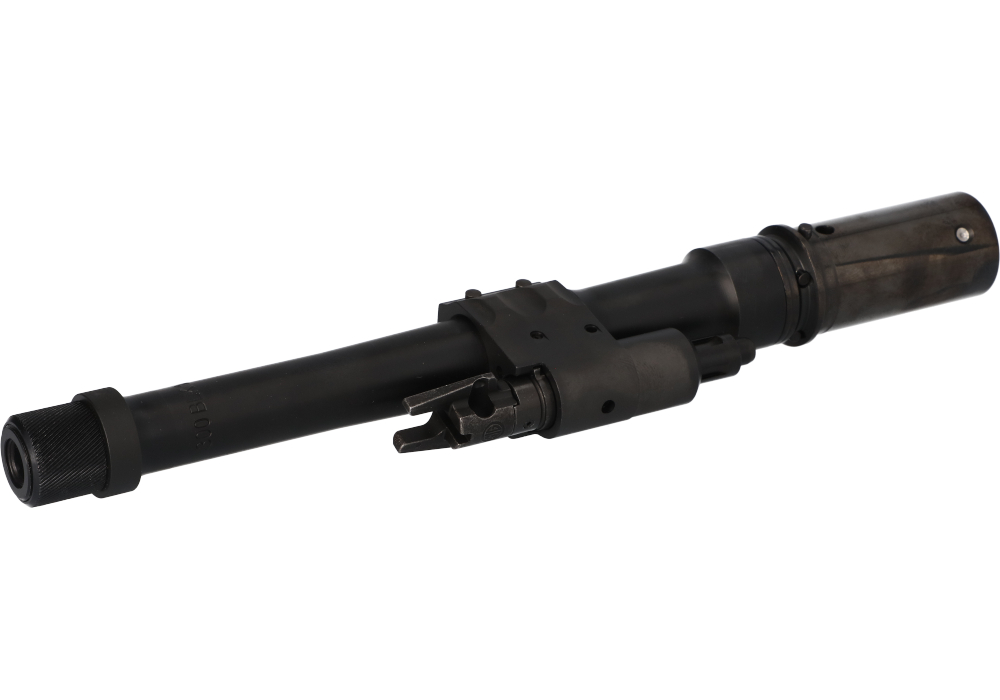
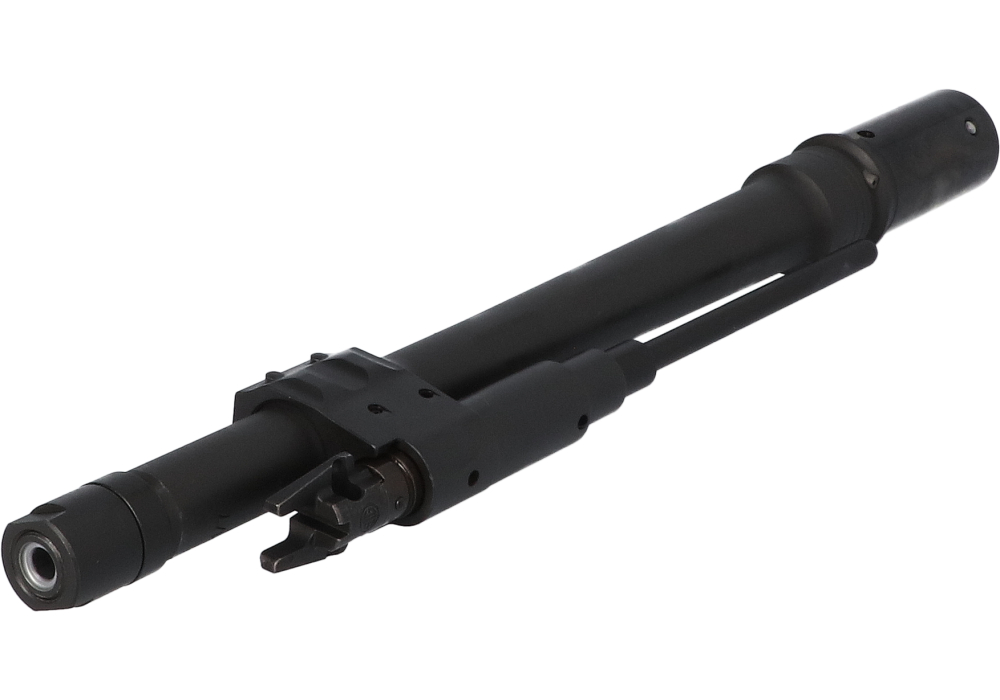
Barrel and gas block assemblies bring together several of the parts that determine how an AR-style firearm performs, cycles, and fits into a larger build. The barrel guides the projectile and contains the gas port, while the gas block captures a portion of the expanding propellant gases and directs them through the gas tube toward the upper receiver. That movement supplies the energy needed to cycle the action, reset the trigger mechanism, and prepare the firearm for the next shot. Because these components work as a system, selecting them involves more than choosing a preferred barrel length or finish. Caliber, barrel profile, gas port position, journal diameter, gas system length, and the intended configuration all deserve careful attention. Shoppers comparing AR Barrel Assemblies may find it helpful to consider the complete setup first, including the upper receiver, handguard, bolt carrier group, muzzle device, and intended shooting role. A barrel and gas block assembly can serve as a practical starting point for a new build, a replacement for worn components, or a way to refresh a familiar platform before spending time at the range during the cooler months.
Compatibility begins with measurements. The gas block must match the barrel journal, the section of the barrel where the block sits, and common journal diameters include .625 inch for pencil-style profiles, .750 inch for many standard profiles, and .936 inch for heavier profiles. The correct gas system length also matters: pistol, carbine, mid-length, and rifle configurations correspond to different gas port locations and require a properly matched gas tube. A tube that is too short, too long, or paired with an unsuitable port location can interfere with reliable cycling and proper alignment. Gas blocks may use set screws, clamp-on hardware, or precision pins, and each attachment style calls for a clean fit, careful alignment, and appropriate installation practices. Low-profile designs are often selected when the handguard extends over the gas block, while standard-height configurations may suit builds with more open space around the barrel. Adjustable gas blocks offer another tuning option for users who want to regulate the amount of gas reaching the action, particularly when a build uses a suppressor or ammunition with different pressure characteristics. Before ordering, verify the barrel’s caliber, length, profile, journal diameter, gas port location, and system length, then confirm that the block, tube, handguard, and upper receiver are compatible. Manufacturer specifications and qualified gunsmith assistance can help resolve uncertainty, especially when replacing only one part of an existing assembly.
These components appeal to experienced builders, competitive shooters, hunters, instructors, and firearm owners who enjoy maintaining a carefully configured platform. They can also be a thoughtful gift for a mechanically inclined enthusiast, provided the recipient’s preferred caliber, barrel profile, gas system length, and receiver pattern are known in advance. A small mismatch can turn an otherwise attractive purchase into a frustrating installation, so a little preparation is worthwhile. Inspect the barrel extension, gas port area, threads, and mating surfaces before assembly, and keep the work area clean so grit does not interfere with alignment. The gas block should sit squarely over the port, with the gas tube centered and free to move through the upper receiver without binding. Securement hardware should follow the relevant manufacturer instructions, and any pinning or permanent fitting should be entrusted to a qualified professional with the correct tools. After installation, function checks and a controlled range session can help confirm that the action cycles consistently, the gas system remains secure, and the point of impact suits the intended setup. Thoughtful selection is especially useful as temperatures shift and range routines move between indoor benches, covered firing lines, and outdoor sessions. Whether the goal is a balanced general-purpose configuration, a lightweight build for carrying over longer distances, or a durable setup for repeated practice, barrel and gas block assemblies provide the foundation for a dependable gas-operated system when the parts are matched with care.