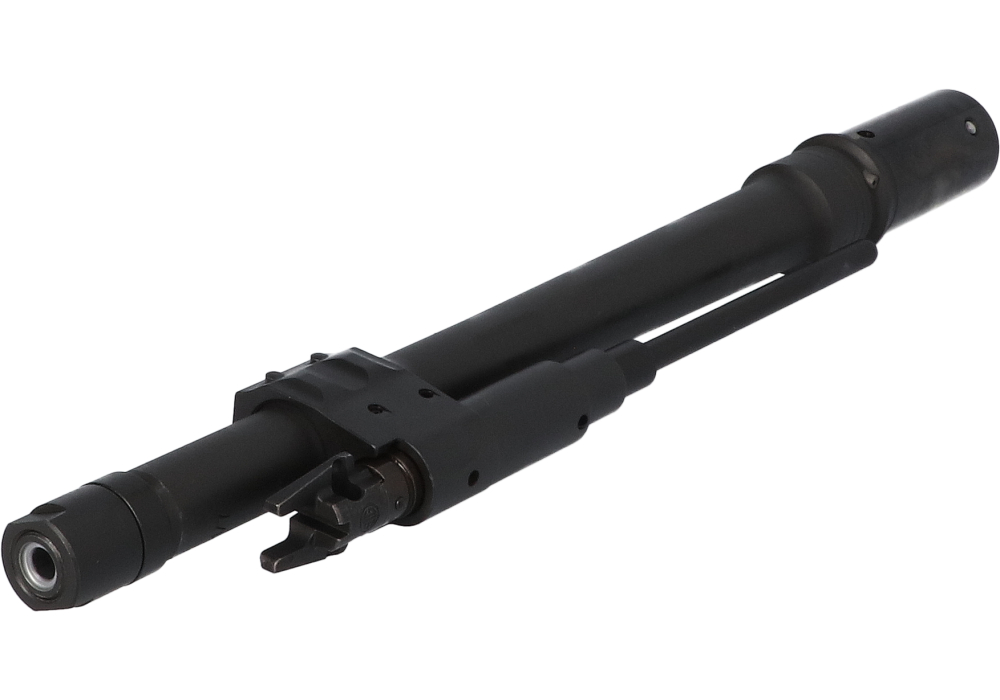
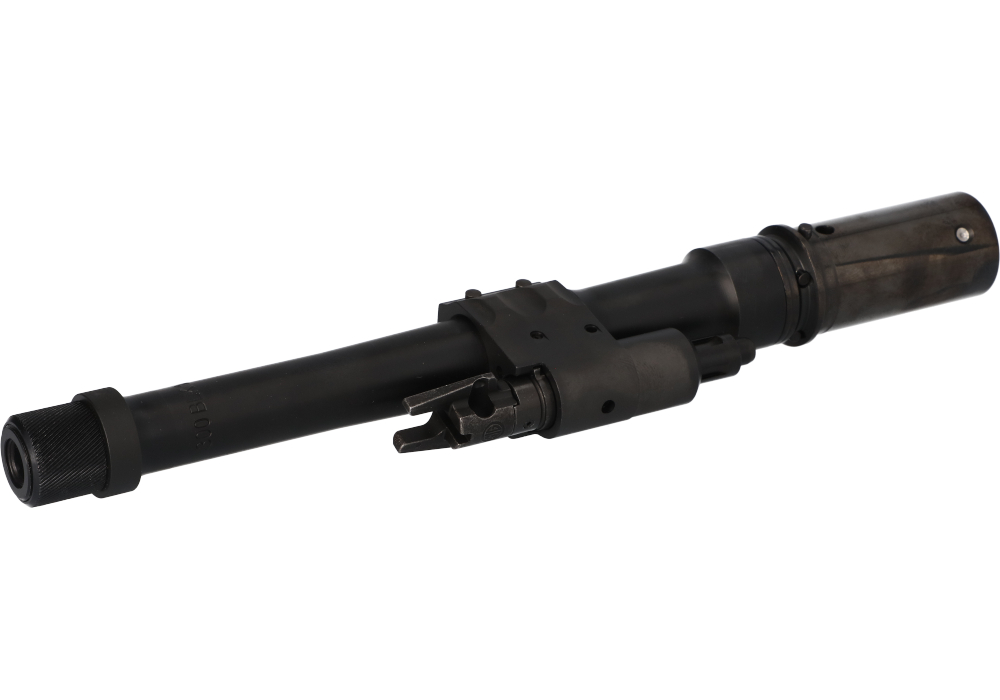
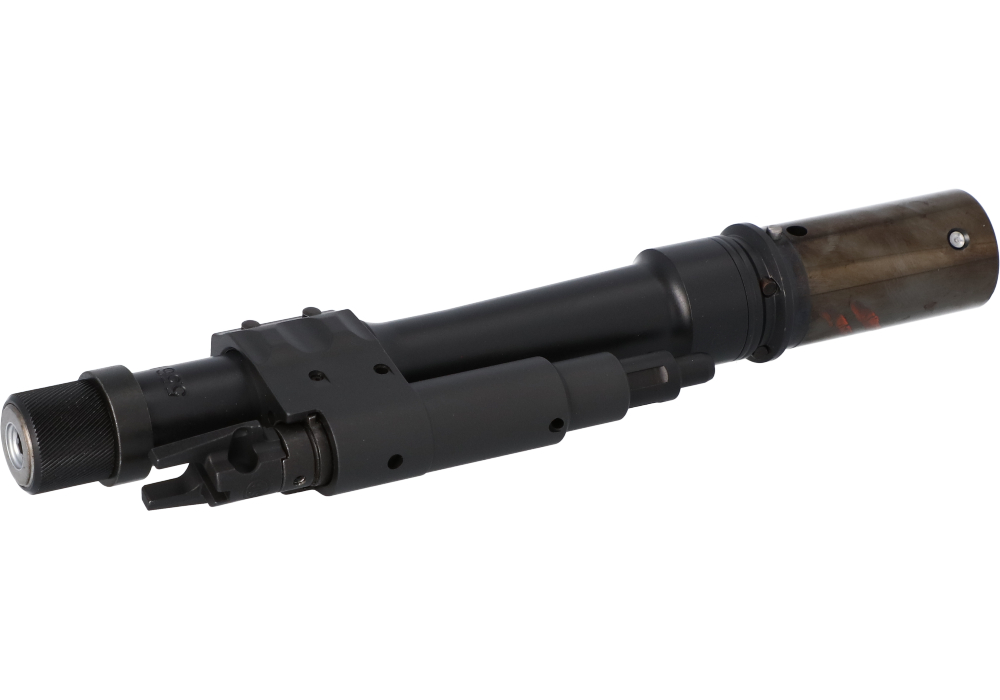
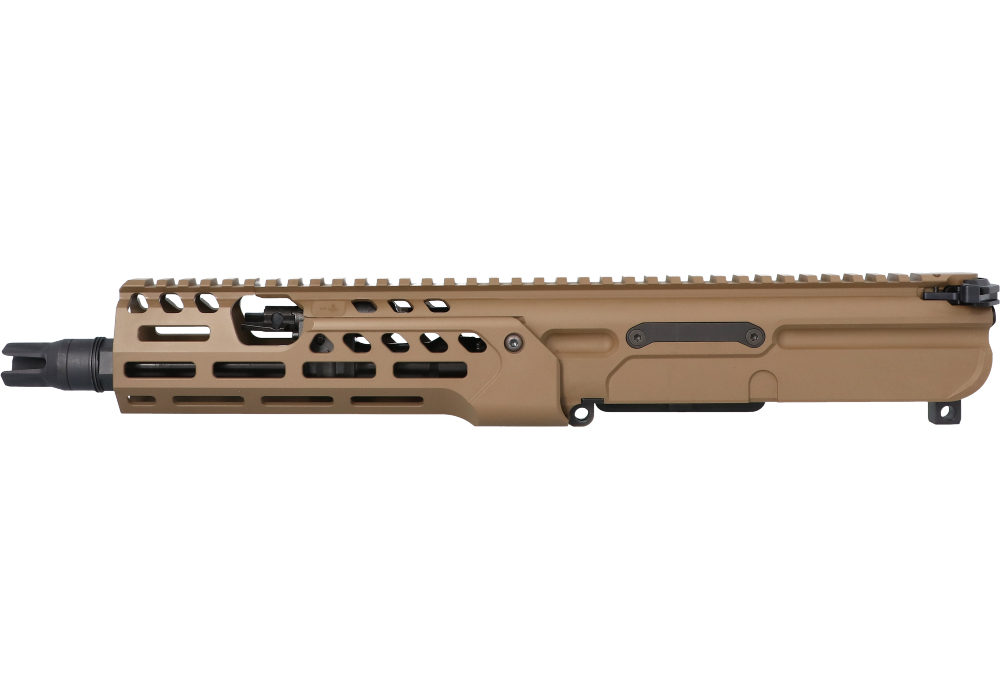
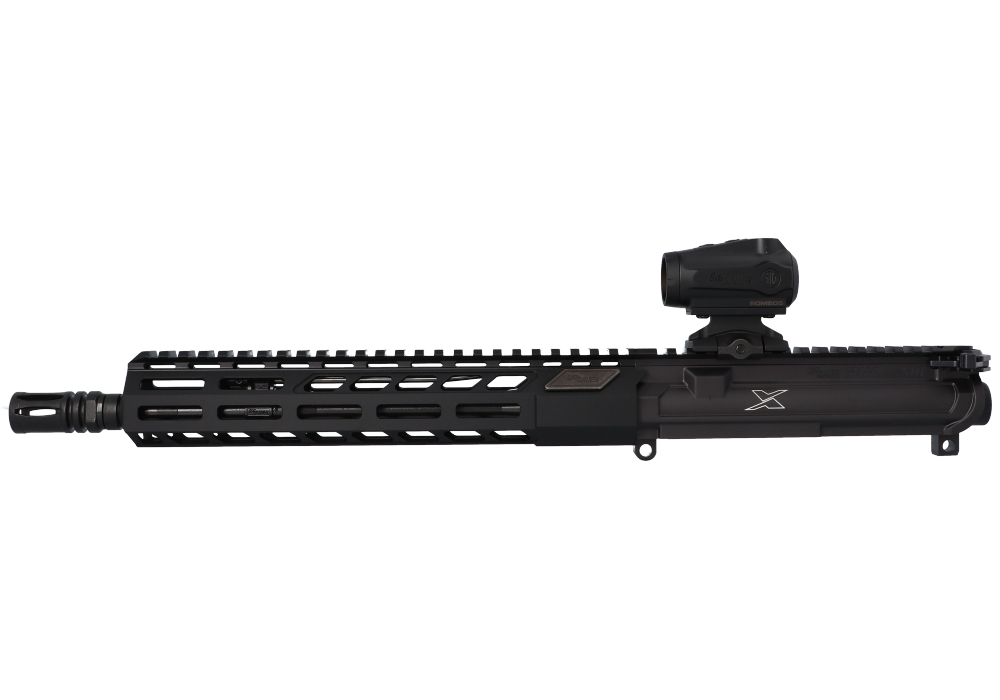
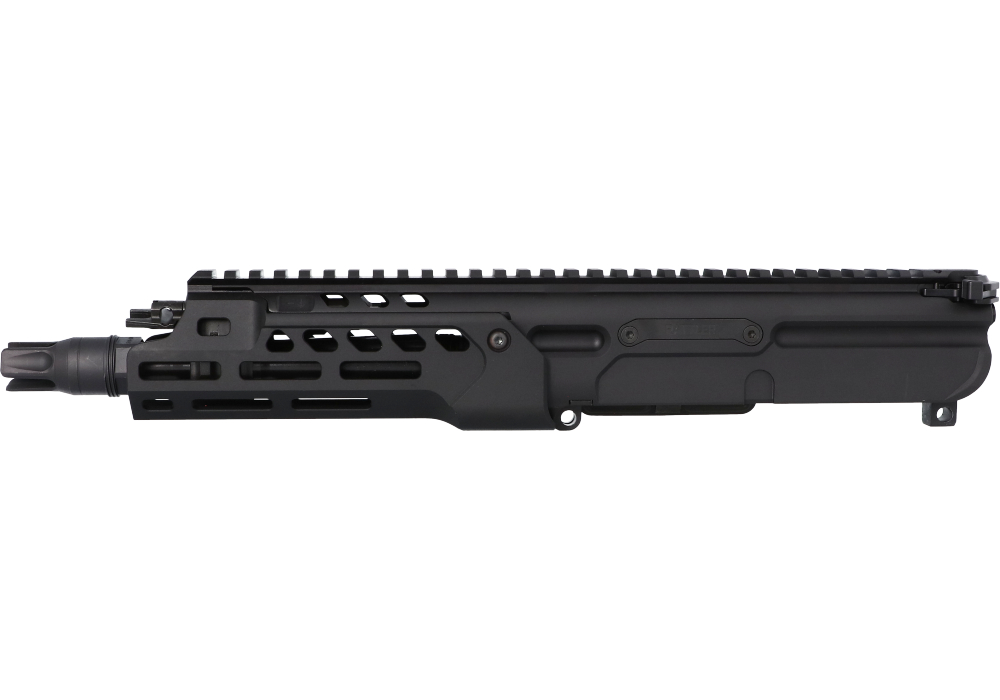
AR barrel assemblies are rifle component groups built around a barrel and intended for a compatible AR-pattern platform. The barrel establishes the chambering and contributes to accuracy, overall length, weight, and balance, while the assembly may include supporting components specified by the manufacturer. That distinction matters: a barrel assembly is not necessarily a complete upper receiver, and the word “assembly” does not guarantee the same contents across every listing. Some configurations include a barrel extension and elements of the gas system; others package components differently. The individual description should identify exactly what is included and which rifle configurations the assembly supports. For owners replacing a worn barrel or maintaining a familiar rifle, an appropriately specified assembly can provide a clear starting point for professional service. Compatibility involves more than the general AR designation. Chambering, receiver specifications, bolt compatibility, barrel length, gas-system configuration, and the surrounding components all influence whether an assembly belongs on a particular firearm. Similar-looking parts are not automatically interchangeable, and compatibility with one AR-pattern rifle does not establish compatibility with another. Clear specifications help distinguish an appropriate replacement from a component that merely looks right in a photograph. The intended role of the rifle also provides useful context. A rifle carried between shooting positions presents different handling priorities than one used primarily from a supported bench, while a familiar practice rifle may call for retaining its existing configuration. Barrel length influences overall dimensions and can affect ballistic performance, but length alone does not establish precision or reliability. Likewise, chambering should be treated as an explicit specification rather than inferred from appearance or a broad platform label. Ammunition must match the firearm’s approved chambering and manufacturer guidance. For recreational shooters, competitors, and experienced firearm owners, the most useful product information connects the assembly’s specifications to a documented application without promising that a single component will transform the entire rifle. Reliable fit begins with the exact firearm configuration, not an assumption about what usually fits.
Materials, surface treatments, and barrel profiles help explain the differences among AR barrel assemblies. Chrome-moly steel and stainless steel are common barrel material categories, with individual alloy grades and manufacturing processes contributing to their characteristics. Neither material name, by itself, guarantees a particular level of accuracy or service life. Bore quality, chamber dimensions, protective treatments, maintenance, and use all belong in that assessment. Some barrels have a treated or lined bore, while others rely on a different combination of material and finishing processes. An exterior coating and an interior treatment serve different purposes, so a finish description should be read carefully rather than treated as a blanket claim about every surface. Resistance to corrosion and wear can be valuable, but no finish eliminates the need for appropriate care. Barrel profile describes the contour and distribution of material along the barrel, which affects weight and how the rifle feels in the hands. A lighter profile can reduce the burden of carrying a rifle through a range session, while a heavier profile adds weight that may be less noticeable during supported shooting. The difference can be apparent when lifting a rifle from its case, settling it onto a rest, or moving between designated shooting stations. Those handling characteristics are separate from a guarantee of tighter groups. Precision depends on the complete firearm, suitable ammunition, the shooter, and conditions at the range. Rifling and twist specifications also belong in the product description because ammunition suitability should follow established manufacturer recommendations. Durability deserves similarly realistic expectations: wear accumulates with use, and a barrel’s condition cannot be judged solely by its exterior appearance. Regular care should follow the firearm and component manufacturers’ instructions, using appropriate cleaning supplies without abrasive improvisation. Persistent corrosion, visible damage, or an unexplained change in function warrants evaluation by a qualified professional. Clean, dry storage and protection from impacts help preserve both the assembly and the firearm around it, whether the rifle sees frequent range use or longer intervals between outings.
Choosing among AR barrel assemblies is ultimately an exercise in matching documented specifications to a legitimate use and an existing platform. A clear listing should explain the assembly’s contents, material, finish, chambering, length, profile, and compatibility, along with any manufacturer-defined limitations. Those details are more useful than broad claims about universal fit or exceptional performance. Owners seeking a replacement for an established rifle often benefit from keeping the original specifications close at hand, especially when the firearm already handles comfortably and functions reliably. A competition participant may value consistent handling across practice sessions, while a recreational shooter may place greater emphasis on straightforward maintenance and retaining a familiar balance. Someone returning a well-used rifle to service needs an accurate assessment of its condition, not merely a new component selected by appearance. Professional evaluation can also reveal whether attention is needed elsewhere in the firearm before a replacement assembly is appropriate. Installation, compatibility verification, and any required headspace checks should be entrusted to a qualified gunsmith or other properly trained professional, with the firearm manufacturer’s requirements governing the work. Applicable firearm laws also matter, since barrel length and the complete firearm configuration can affect legal classification; a component listing is not a substitute for confirming those requirements. Shoppers comparing related configurations can also explore Complete Tactical Rifle Barrel Assemblies while reviewing the stated contents and fit information for each assembly. For a knowledgeable enthusiast receiving a firearm component as a gift, confirmed compatibility is more important than guessing at a preferred appearance or profile. Exact specifications allow the recipient to assess suitability without treating the part as universally interchangeable. Across these uses, the strongest choice is the assembly that fits the documented platform, supports the rifle’s intended role, and carries clear care and service requirements. Thoughtful selection preserves the relationship between the barrel and the rest of the firearm, keeping attention on dependable function, responsible ownership, and the handling characteristics that matter during actual range time.