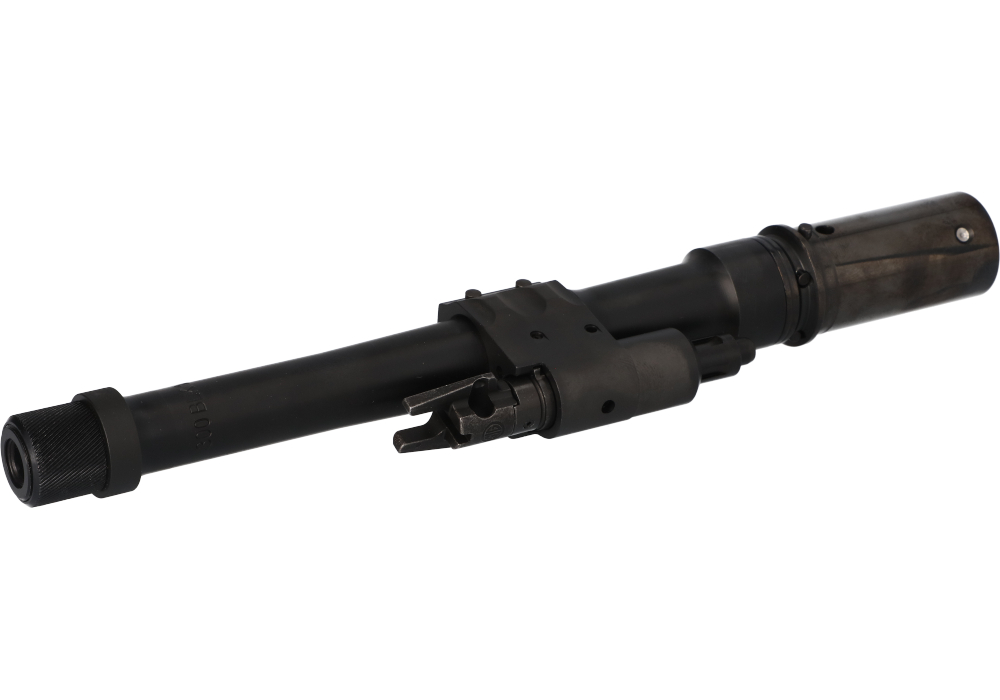
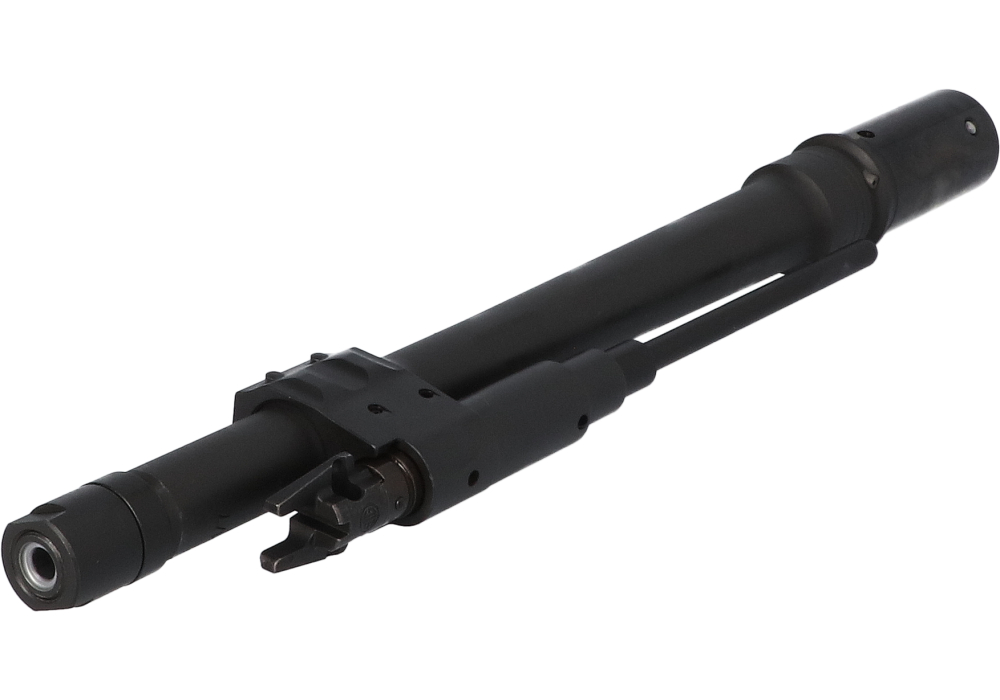
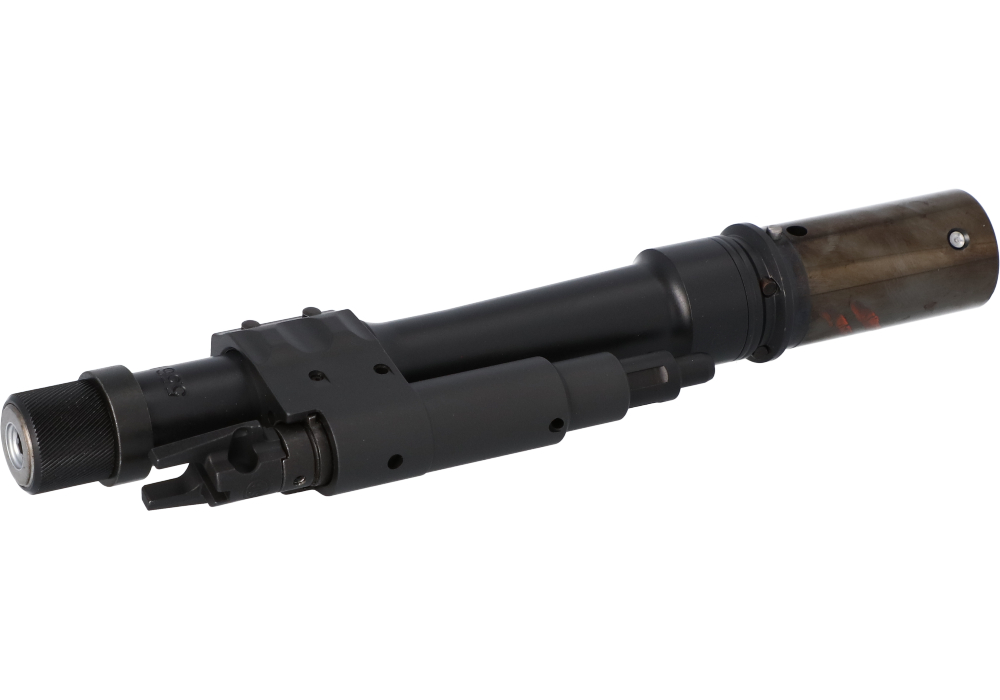
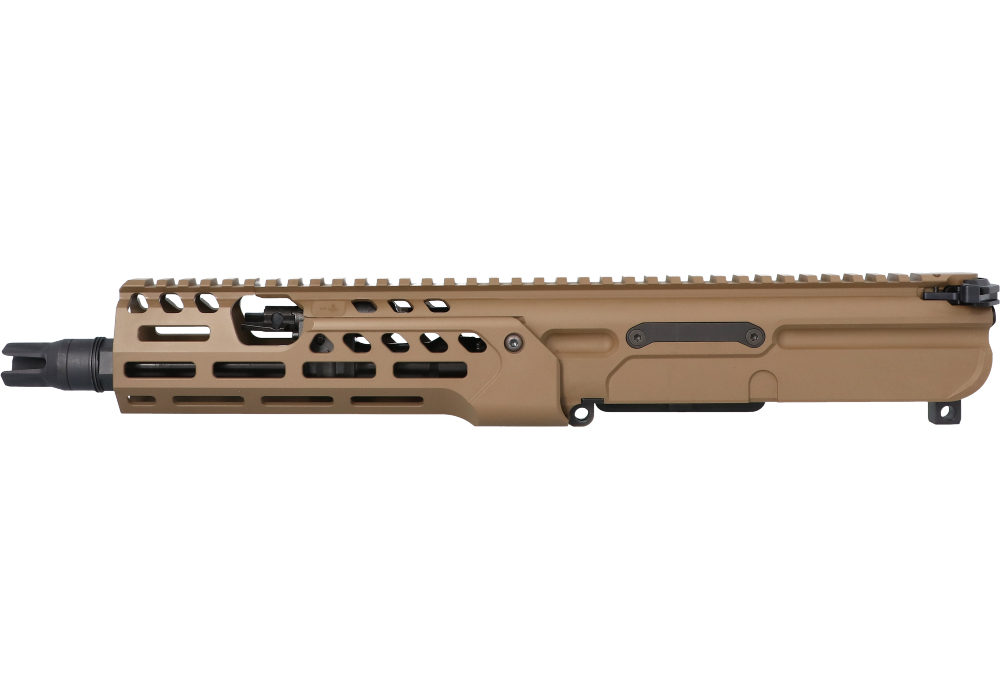
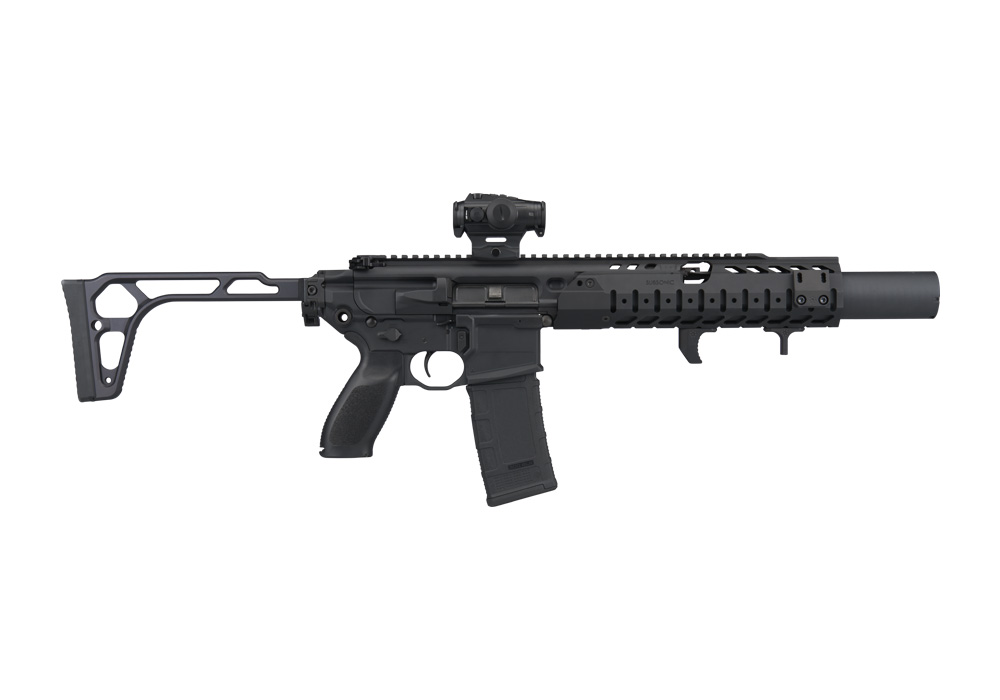
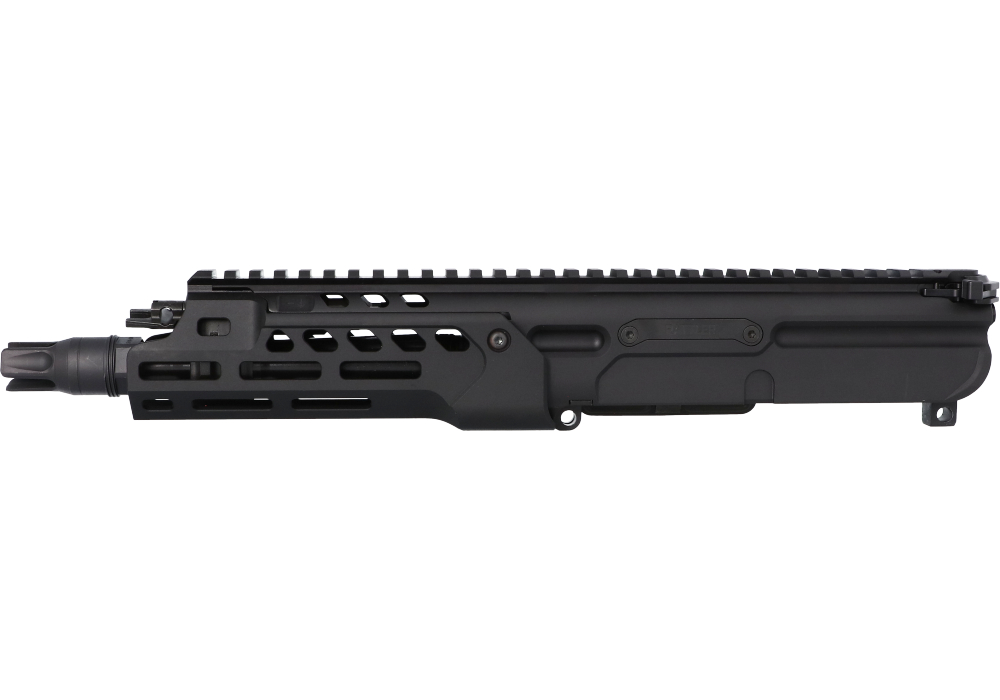
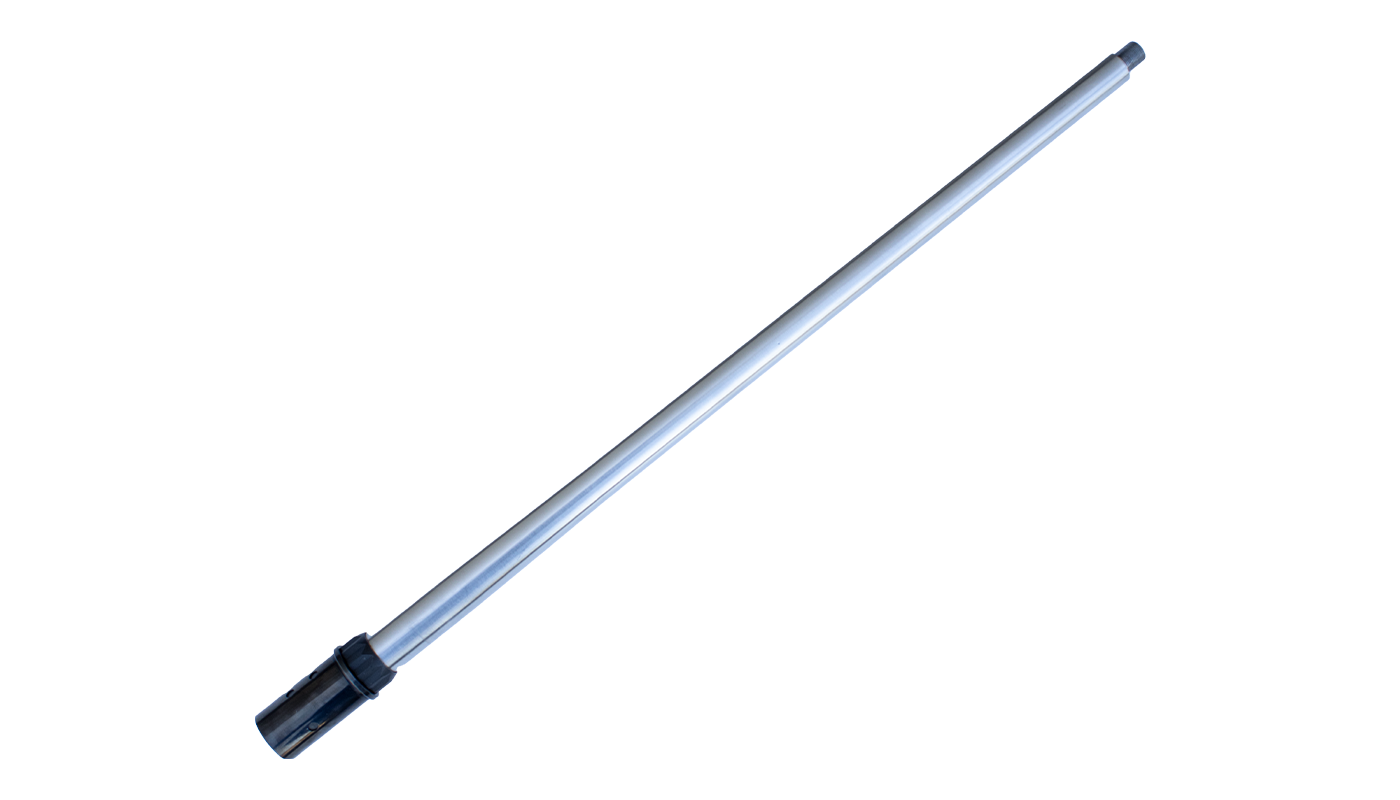
Complete tactical rifle barrel assemblies are firearm component packages centered on a rifle barrel, with supporting hardware configured for a particular platform. Depending on the design, an assembly may include a gas block, gas tube or piston-system components, barrel extension, barrel nut, and muzzle device. The term “complete” describes the package specified by its manufacturer, not a universal list of parts, so the included components deserve close attention. A barrel assembly is also distinct from a complete upper receiver: it does not necessarily include a receiver, handguard, bolt carrier group, or charging handle. For owners replacing a worn barrel or choosing a different configuration within a compatible rifle system, an assembly can simplify component selection by bringing several related parts together. Compatibility remains the starting point. The rifle platform, chambering, barrel interface, operating system, and manufacturer’s specifications all matter, even when two assemblies look similar in a photograph. The same general cartridge family or barrel length does not establish interchangeability between different rifle designs. Handguard clearance, gas-system configuration, and muzzle-thread specifications can also affect whether an assembly belongs in a particular setup. A rifle used for regular range practice may have different requirements from one carried through a long training session or used primarily from a supported position. Those differences influence the appeal of a lighter contour, a more substantial barrel profile, or a particular overall length, but they do not override platform requirements. The most useful product details are the ones that identify exactly what the assembly includes and which rifle configurations it supports. Clear specifications help distinguish a compatible replacement from a collection of parts that would require additional components or professional evaluation. Manufacturer documentation and a qualified gunsmith provide the appropriate reference when fit is uncertain, especially with proprietary barrel interfaces or operating systems. A well-specified complete tactical rifle barrel assembly should be evaluated as part of the entire rifle rather than as an isolated accessory.
Materials and construction influence how a barrel assembly handles repeated use, routine maintenance, and the demands of its intended role. Chrome-moly and chrome-moly-vanadium steels are common barrel materials, while stainless steel is another established choice, particularly in configurations that emphasize precision. Material alone does not establish accuracy or service life; machining quality, bore consistency, chamber dimensions, surface treatment, ammunition, and maintenance all contribute. Depending on the design, a barrel may use a nitrided surface, chrome-lined bore, or another protective treatment. These approaches have different characteristics, and their presence should be confirmed in the specifications rather than inferred from the exterior finish. Barrel contour also deserves attention. A relatively light contour can reduce front-end weight and make a rifle less tiring to carry, while a heavier contour adds mass that can be useful during repeated firing or supported shooting. Neither is automatically the better choice. The owner who spends most of a range visit standing and moving between supervised drills may notice balance more than the shooter working from a bench. Barrel length similarly affects handling and ballistic performance, with results dependent on the cartridge and ammunition. For shoppers comparing that particular length, Complete 16 Inch Rifle Barrel Assemblies provides a focused category to consider alongside the rifle’s compatibility requirements. Rifling twist is another specification worth reviewing because it relates to projectile stabilization, though suitability depends on more than bullet weight alone. Consistent precision comes from the interaction of the barrel, ammunition, rifle condition, and shooter, not from a single specification or descriptive label. Exterior coatings can help resist corrosion and surface wear, but they do not eliminate the need for care. Likewise, a substantial profile does not make a barrel immune to wear. Evaluating the construction as a whole gives a more realistic picture of durability than choosing solely by finish, contour, or the appearance of the muzzle hardware.
The intended use of complete tactical rifle barrel assemblies ranges from maintaining a familiar training rifle to selecting a compatible configuration for target shooting, competition, or professional applications. A replacement assembly can be especially relevant when an experienced owner wants to retain the handling of an established platform while addressing barrel wear or restoring the manufacturer’s intended configuration. For someone who records range results, the practical considerations extend beyond group size: repeatable performance, comfortable balance, dependable function, and manageable maintenance all influence satisfaction over time. An assembly intended for frequent practice should suit the ammunition and rifle system already in use, while a configuration selected for supported precision shooting may place greater emphasis on contour and consistency. Accessories require the same care in selection. A muzzle device or suppressor interface must be appropriate for the assembly and the equipment involved; shared thread dimensions alone do not confirm that every combination is suitable. Professional inspection is valuable whenever compatibility, installation, or firearm condition is uncertain. After installation, care should follow the firearm and barrel manufacturer’s directions, using cleaning products and tools appropriate for the bore and finish. Routine attention to fouling, corrosion, and visible wear helps preserve condition without treating aggressive cleaning as a substitute for proper maintenance. Exterior surfaces and included hardware deserve attention as well, particularly after extensive handling or range use. A protective finish is helpful, but clean, secure storage remains important for both an installed assembly and a spare component package. Owners who keep more than one compatible configuration benefit from retaining the original specifications and clearly identifying each assembly’s chambering and intended platform. That documentation is also useful when a barrel assembly is considered as a gift for an experienced rifle owner: exact compatibility matters far more than a similar appearance or a familiar length. Applicable requirements and manufacturer guidance should inform any purchase or configuration change. Across these uses, a suitable barrel assembly is one whose materials, dimensions, included hardware, and care requirements align with the rifle and the owner’s actual shooting needs.