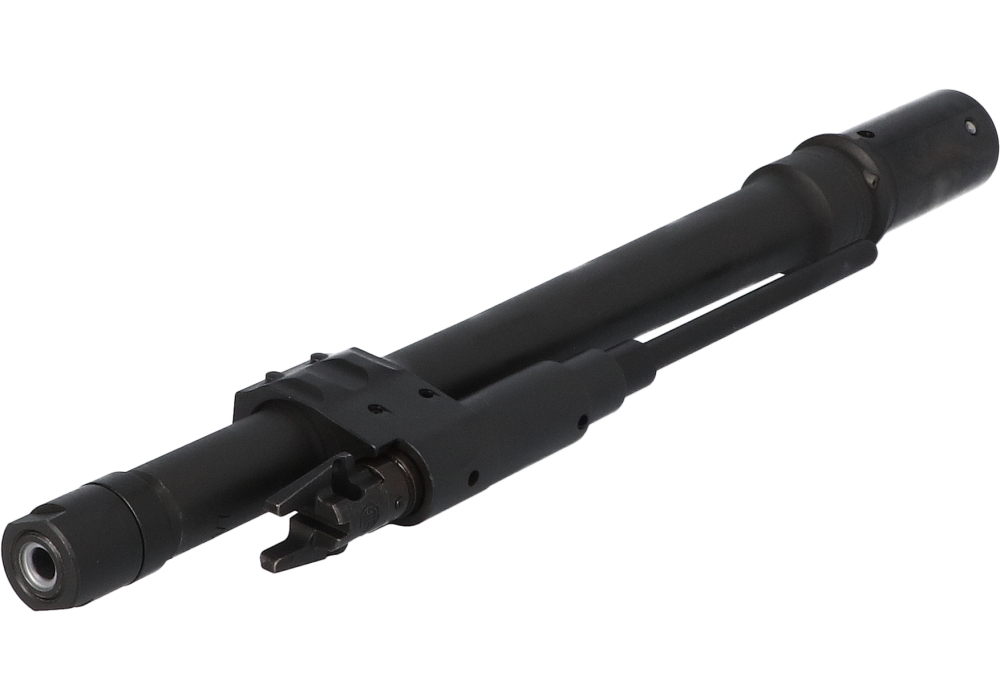
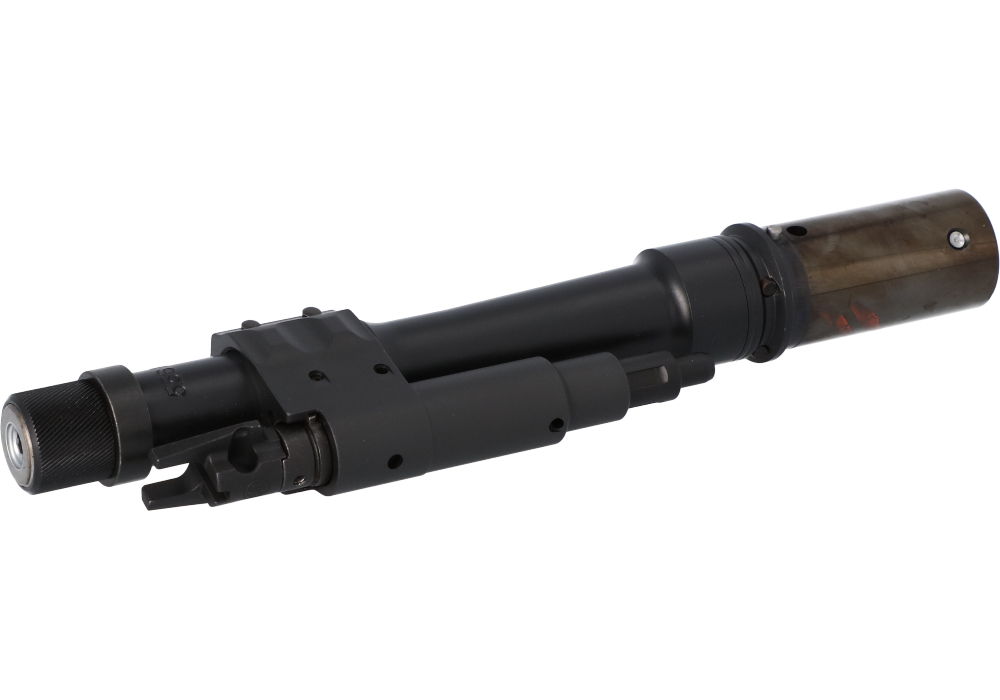
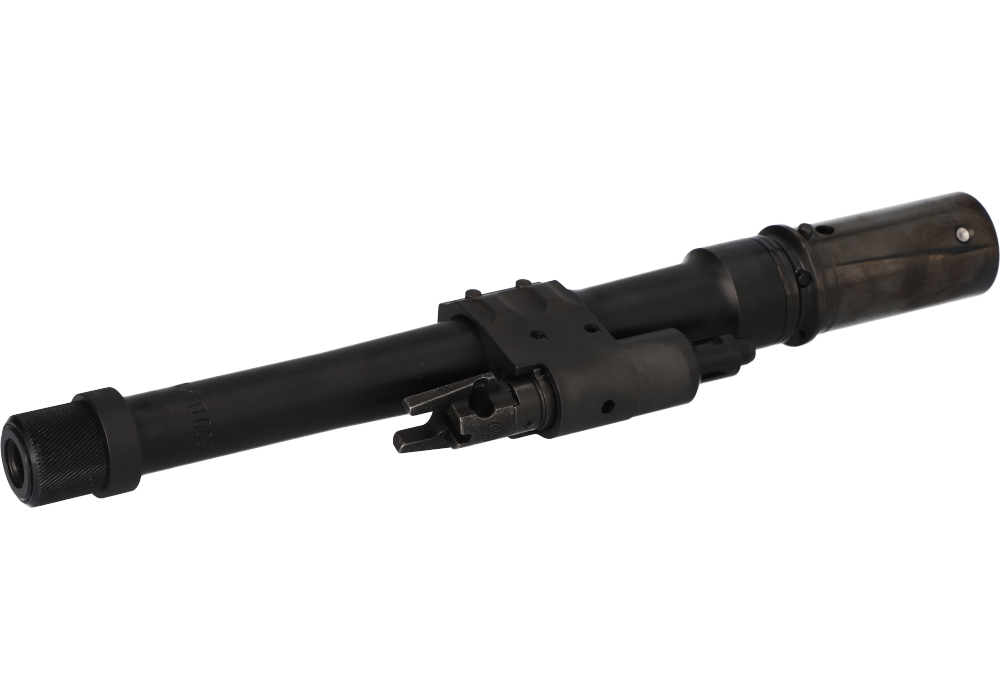
Gas block assemblies play a central role in the operation of many modern sporting rifles, especially direct-impingement platforms such as the AR-15. When a round is fired, expanding propellant gases travel down the barrel and pass through a precisely drilled gas port. The gas block captures a measured portion of that pressure and directs it into the gas tube, which carries the gas rearward to cycle the action. A complete assembly may include the gas block itself, gas tube, roll pin, set screws, clamp screws, and other securing hardware. Because each part contributes to reliable cycling, gas block assemblies should be selected as a matched system rather than treated as a simple barrel accessory. Builders and owners may use these components when assembling a rifle, replacing worn or damaged parts, changing handguard configurations, or refining an existing setup for a particular barrel, ammunition, or shooting purpose. A properly selected assembly can support dependable function at the range, during training, or in the field, while an incorrect fit or poor alignment can contribute to short-stroking, failures to feed, failures to eject, or excessive fouling. Installation and service should be performed by a qualified gunsmith or by an experienced owner who understands the firearm’s operating system, observes all applicable laws, and follows the firearm and component manufacturer’s instructions.
The first consideration is barrel journal diameter, since the gas block must fit securely over the portion of the barrel surrounding the gas port. Common journal sizes include .625 inch, .750 inch, .875 inch, and .936 inch, but the correct measurement should always be confirmed before ordering. A block that is too large will not clamp properly, while one that is too small will not install over the barrel. Gas system length is equally important; carbine-, mid-length-, and rifle-length configurations use different gas tube dimensions and must correspond to the barrel and receiver setup. Standard gas blocks are intended for straightforward operation with a fixed gas setting, while low-profile designs are compact enough to fit beneath many free-float handguards, creating a clean exterior and leaving room for mounting accessories. Front-sight-base configurations may suit traditional rifle layouts where an integrated front sight is part of the intended design. Adjustable gas blocks include a metering valve that allows the user to regulate the volume of gas used to cycle the action. This can be helpful when tuning a rifle for different ammunition, reducing excess gas directed toward the shooter, or accommodating the additional backpressure associated with suppressed use. Adjustment should be made carefully and methodically, with attention to reliable lockback, consistent ejection, and safe operation rather than simply seeking the lightest recoil impulse. Attachment style also deserves close attention. Set-screw models offer a streamlined installation when properly positioned and secured, clamp-on designs use opposing screws to hold the block around the barrel, and pinned installations provide a highly durable connection when performed by a qualified professional. Regardless of the style, the gas block must be centered precisely over the barrel’s gas port, the fasteners must be installed according to the specified torque values, and the gas tube must be secured in the block with its roll pin. Even a small alignment error can restrict gas flow and affect cycling.
Gas block assemblies are often chosen by rifle builders, competitive shooters, hunters, recreational range users, armorers, and firearm owners who want to maintain a dependable platform through regular use. They can also be a thoughtful addition to a shooting enthusiast’s parts bench, particularly for someone who enjoys careful rifle maintenance or plans a future build, although compatibility details should be confirmed before giving one as a gift. A shooter preparing for cooler-month range sessions may appreciate the ability to replace aging components before spending long days outdoors, while someone working on a compact free-float build may prioritize a low-profile design that remains concealed beneath the handguard. Those setting up a suppressor-ready rifle may consider an adjustable model to help manage gas behavior, but tuning is specific to the complete firearm and should not be assumed from the gas block alone. Barrel profile, gas port size, ammunition, buffer weight, carrier configuration, handguard clearance, and suppressor use all influence performance. For owners reviewing related operating components, 300blk Carrier Group Assemblies may also be relevant when building or maintaining a compatible .300 Blackout platform, provided every component matches the chambering and intended configuration. Before purchasing, verify the barrel diameter, gas system length, handguard clearance, attachment method, material, finish, adjustment range if applicable, and included hardware. Inspect the assembly for secure fasteners and unobstructed gas passages, and confirm that any work requiring drilling, pinning, or specialized alignment tools is handled by a qualified gunsmith. Selecting the right gas block assembly is ultimately about matching precise dimensions and operating requirements so the rifle can cycle consistently and remain comfortable and controllable through regular practice.