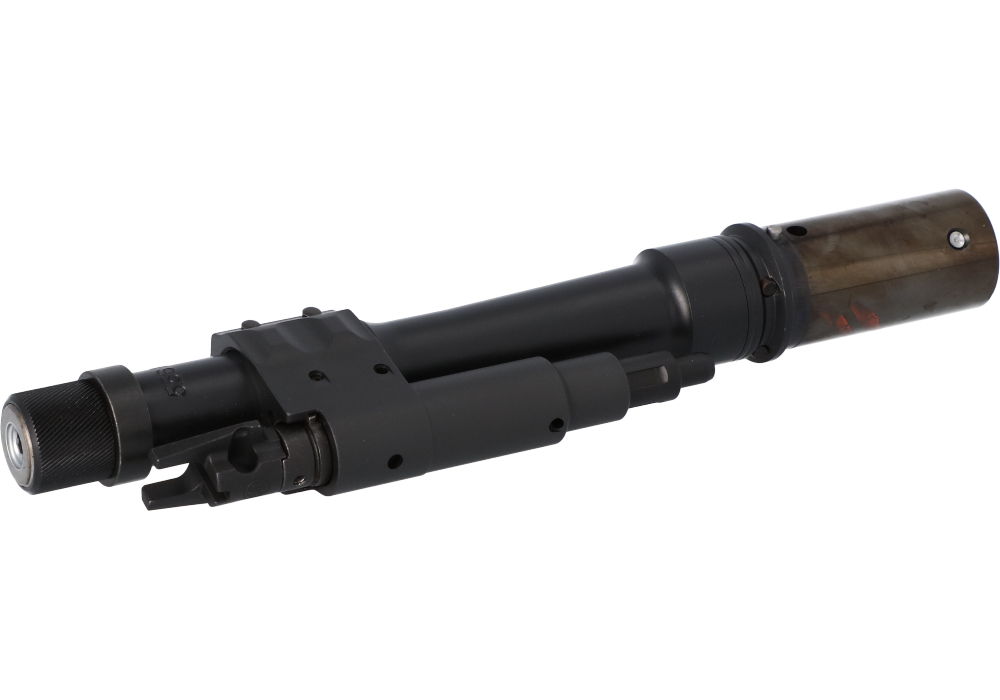
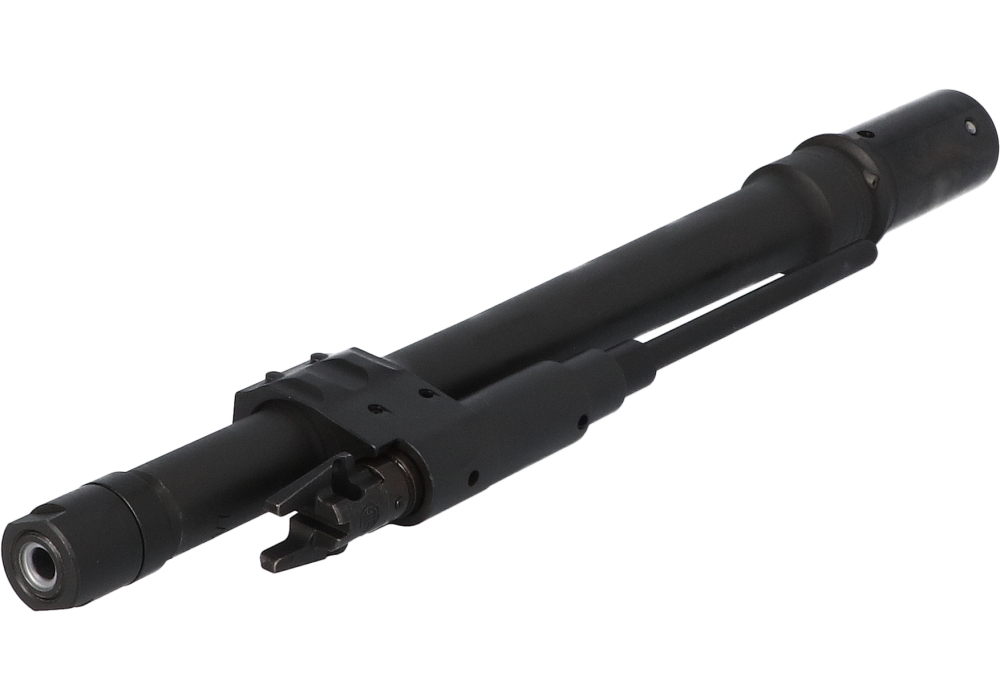
Firearm gas assemblies are the working link between a rifle’s barrel and its cycling action. When a cartridge is fired, expanding propellant gas pushes the bullet down the bore while a carefully measured portion of that gas exits through a small opening in the barrel known as the gas port. From there, the gas assembly captures and directs pressure rearward to unlock the bolt, extract the spent casing, and help load a fresh round. A typical system may include a gas block, gas tube or piston rod, and, depending on the design, an adjustable regulator or valve. Each part has a defined role, and the correct combination must match the firearm’s operating system, barrel configuration, gas-port location, and intended use. For shoppers comparing assemblies, compatibility should come before appearance or price. Confirm the barrel’s gas system length, journal diameter, receiver and handguard configuration, caliber requirements, and whether the firearm uses direct impingement or a piston-driven design. The gas block must align precisely with the barrel’s port, while the gas tube or piston components must be the proper length and pattern for the rifle. A selection of Gas Block Assemblies can help complete a compatible setup, but every component should be evaluated as part of the entire operating system rather than as an interchangeable stand-alone accessory. Manufacturer specifications, a qualified gunsmith, and a careful inspection of the firearm are valuable resources when measurements or configuration details are uncertain.
The two broad operating approaches found in modern rifles are direct impingement and piston operation. In a direct-impingement system, gas travels through a gas tube and enters the bolt carrier area, where pressure drives the carrier rearward and begins the firing cycle. This arrangement is often valued for its relatively light weight, straightforward layout, and familiar maintenance routine, although residue from fired ammunition is introduced into the receiver area and regular cleaning remains important. In a short-stroke piston system, gas acts on a separate piston that moves a limited distance before transferring energy to the operating rod or carrier. This can keep much of the combustion residue forward of the receiver and may provide a different heat and recoil profile. Long-stroke piston systems use a piston connected to the operating group through its full rearward travel, creating another distinct feel and maintenance pattern. Adjustable regulators or valves allow some systems to control the amount of gas used to cycle the action, which can be useful when ammunition, barrel length, or a sound suppressor changes the rifle’s pressure characteristics. Adjustment is not a substitute for correct installation or a guarantee of flawless function; settings should follow the applicable manufacturer guidance, and changes should be tested safely with appropriate ammunition. Barrel length and gas-system length also influence performance. Shorter configurations generally expose the system to greater pressure at the port and may have less dwell time after the bullet passes the port, while carbine, mid-length, and rifle-length arrangements each produce different timing and recoil impulses. A properly matched assembly can contribute to reliable extraction, consistent cycling, and a smoother shooting experience, whereas an incorrect tube length, misaligned block, damaged seal, or unsuitable regulator setting can cause failures to feed, extract, or lock open.
These components are most often selected by firearm owners completing a new build, replacing worn or damaged parts, refining a competition or training rifle, or restoring a trusted platform after extensive use. They can also be a thoughtful gift for an experienced shooter, builder, or gunsmith who has already identified the exact pattern and measurements needed; for someone new to firearm maintenance, a gift card or a conversation about compatibility is usually more practical than guessing at a technical component. During the cooler months, many owners spend time at the workbench inspecting equipment that saw heavy use through warmer weather, checking carbon buildup, examining fasteners, and replacing parts that no longer meet service requirements. Before handling any gas assembly, unload the firearm completely, remove all ammunition from the work area, and verify the chamber and magazine well are clear. Installation should be performed with the correct tools and torque procedures, with attention to alignment, clearance beneath the handguard, gas-tube fit, and any manufacturer-specified sealant or retention method. After installation, function checks and range testing should be conducted in a controlled environment, beginning with safe procedures and approved ammunition. Watch for unusual recoil, short-stroking, excessive fouling, pierced or damaged primers, failure to lock back, or other signs that the system needs inspection. Firearms and their components are regulated products, and buyers should follow applicable federal, state, and local laws, as well as all safe-storage and transport requirements. With careful selection and professional installation when needed, a properly matched gas assembly supports the dependable, repeatable operation that makes a rifle easier to maintain and more predictable on the range.