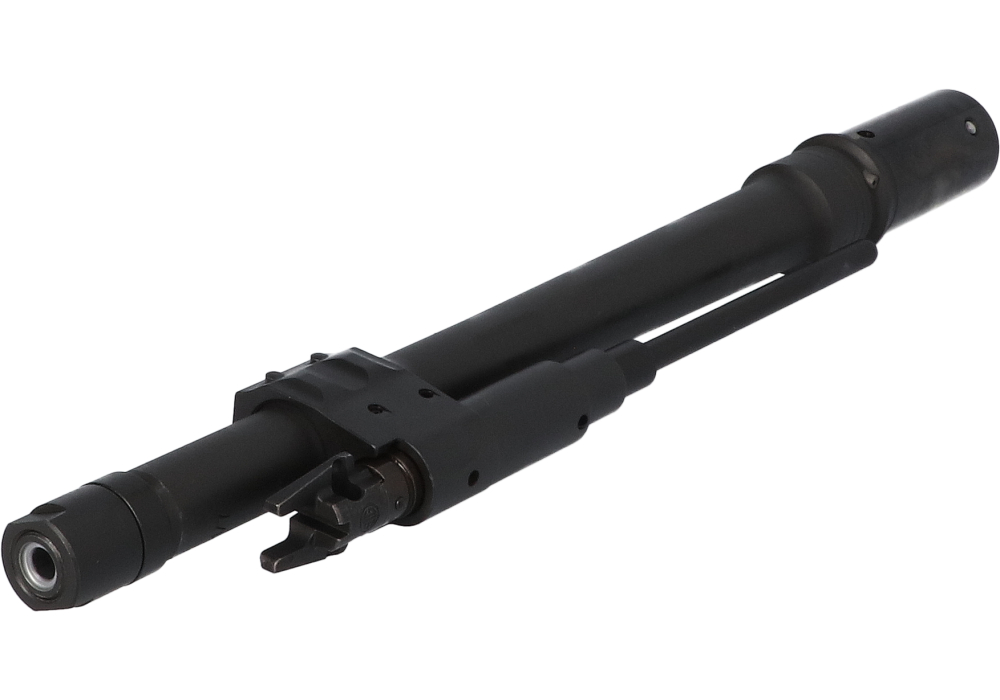
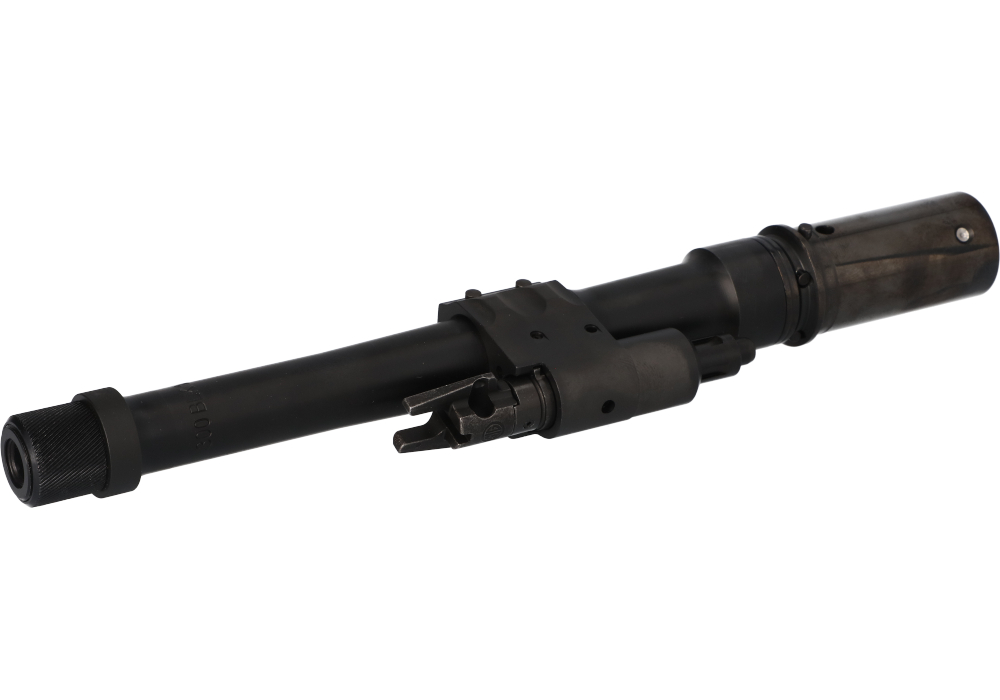
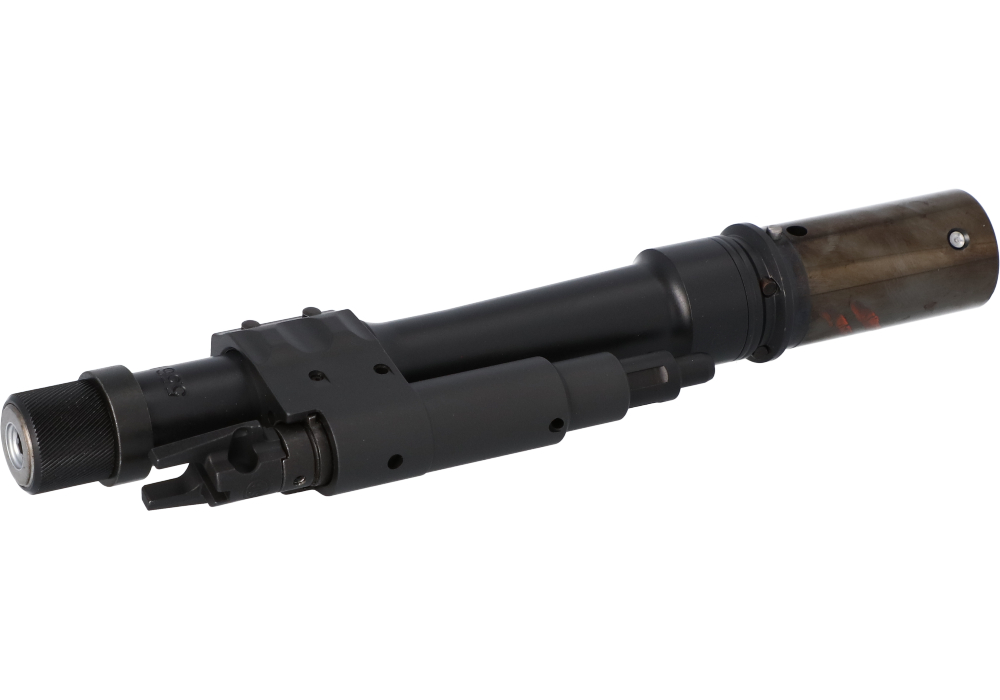
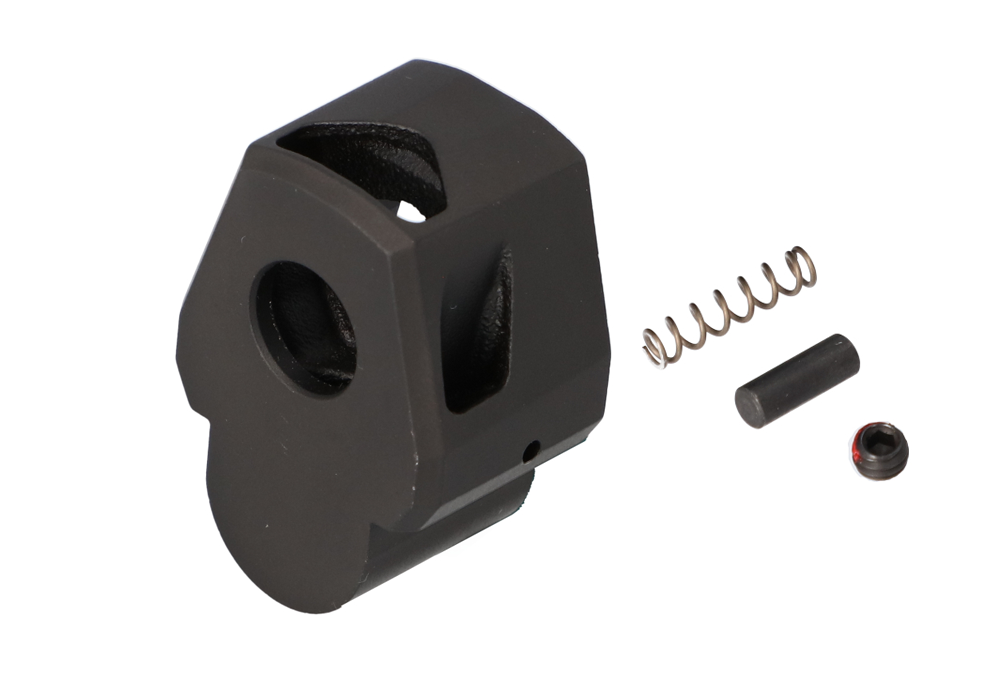
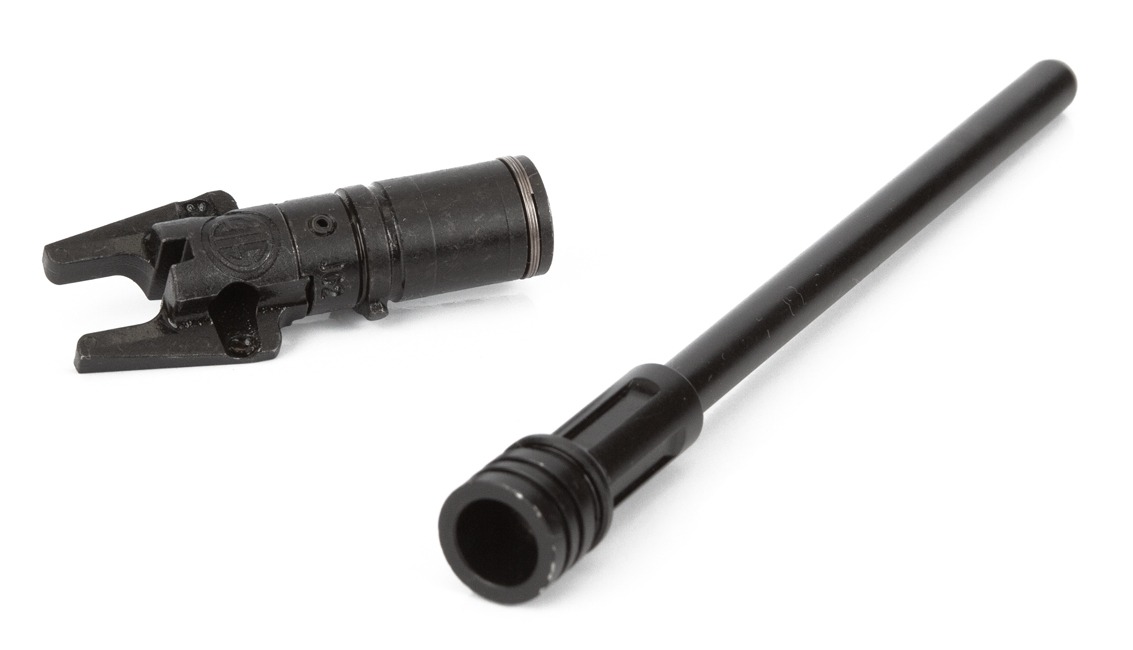
Firearm gas system replacement parts are components used to maintain or restore the gas-operated mechanism in compatible firearms. In these systems, a portion of the gas generated during firing supplies energy that helps cycle the action. The parts involved differ by design: a direct impingement system typically routes gas through a gas tube toward the bolt carrier assembly, while a piston-operated system uses a piston and related mechanical components to transfer operating force. Gas blocks, tubes, pistons, operating rods, gas plugs, seals, and retaining hardware belong to this broader category, but they are not interchangeable across every firearm. Their purpose is to serve a particular operating system, with dimensions and interfaces that correspond to the firearm’s original configuration. That distinction matters when replacing a worn component, addressing damage identified during an inspection, or completing scheduled service. A familiar-looking tube or piston can still belong to a different platform, and two firearms with similar exterior profiles may use substantially different internal arrangements. Compatibility therefore involves more than the general category name. The firearm model, operating-system design, component revision, and manufacturer’s published specifications all help establish whether a replacement belongs in a particular assembly. For owners keeping an established firearm in service, the goal is an appropriate replacement rather than an unverified change to its operating characteristics. These parts are relevant to recreational shooters, hunters, professional armorers, and other owners who maintain gas-operated firearms according to manufacturer guidance. They are also useful to understand as a distinct maintenance category: a gas system component serves a different role from furniture, sighting equipment, or a cosmetic accessory. Its suitability depends primarily on mechanical compatibility and service requirements, not appearance. A clear component description and an identifiable relationship to the original assembly provide a more meaningful basis for comparison than broad claims about universal fit. Where the correct replacement is uncertain, manufacturer documentation and assessment by a qualified gunsmith can help distinguish a genuine component need from a concern elsewhere in the firearm.
Materials, surface treatments, and manufacturing precision influence how gas system components withstand their working environment. These parts can encounter heat generated during firing, combustion residue, repeated movement, and contact with adjacent components. Depending on the design, stainless steel, alloy steel, and other specified metals may provide the required combination of strength, corrosion resistance, and dimensional stability. Material suitability is tied to the component’s function; the qualities appropriate for a stationary gas tube are not necessarily identical to those required for a moving piston or retaining pin. Protective finishes can help resist corrosion and surface wear, although a finish alone does not establish compatibility or guarantee a particular service life. The accuracy of mating surfaces, the consistency of the component’s shape, and its conformity to the original specification remain important. Fit includes the relationship between a part and the surrounding assembly, including attachment points, clearances, and the space beneath the handguard where applicable. A compact profile may be necessary for one configuration, while another design uses a different arrangement entirely. These distinctions explain why replacement components should be evaluated within their intended platform rather than treated as generic substitutes. Durability also depends on use and care. A firearm that sees frequent range sessions may have a different inspection history from one used occasionally, even when both share the same operating design. Carbon residue can be a normal consequence of firing and does not, by itself, establish that a component requires replacement. Cracks, deformation, corrosion, or unusual wear call for professional assessment rather than assumptions based on appearance alone. Care requirements can vary with the material, finish, and mechanism, so the firearm manufacturer’s cleaning and lubrication guidance remains the relevant reference. Not every gas system surface has the same maintenance requirements. For shopper comparisons, useful descriptions identify the component’s intended application, material, finish, and relationship to the original part without suggesting that a single feature can compensate for an incorrect fit.
Replacement parts can serve both routine maintenance and a specific service need documented by a qualified professional. An owner preparing a familiar rifle for regular target practice may be looking for a replacement that preserves the original configuration, while an armorer maintaining several firearms may need clearly identified components that support consistent service records. A hunter’s maintenance priorities may center on keeping an established firearm in sound condition rather than changing its operating setup. In each case, the intended use helps explain the maintenance context, but it does not override the need for model-specific compatibility. Individual components and grouped kits represent different ways of organizing service parts. A single replacement can correspond to one confirmed need, while a kit may bring together related components for a defined assembly. The contents and intended application matter more than the word “kit,” since different groupings can cover different portions of a gas system. For a related category of grouped components, Gas System Parts Kits for Tactical Rifles provides another way to review parts intended for this area of rifle maintenance. A kit description is most useful when it clearly identifies the supported platform and included component categories; the presence of several parts does not establish compatibility with every rifle. Small retaining hardware deserves the same attention as larger components because its role is part of the assembly’s overall fit and security. Replacement planning also benefits from an accurate record of the firearm’s existing configuration, particularly when it has a service history or previous modifications. An exterior resemblance to another model is less informative than the correct technical documentation. Firearm gas system replacement parts are best understood as precision service components whose value rests on appropriate materials, correct fit, and suitability for their intended role. They do not replace diagnosis, and replacing a part without identifying the underlying concern may leave the original issue unresolved. Careful compatibility review and qualified service support a practical approach to maintenance: preserving the firearm’s specified configuration, addressing verified wear or damage, and keeping records that make future service easier to evaluate.