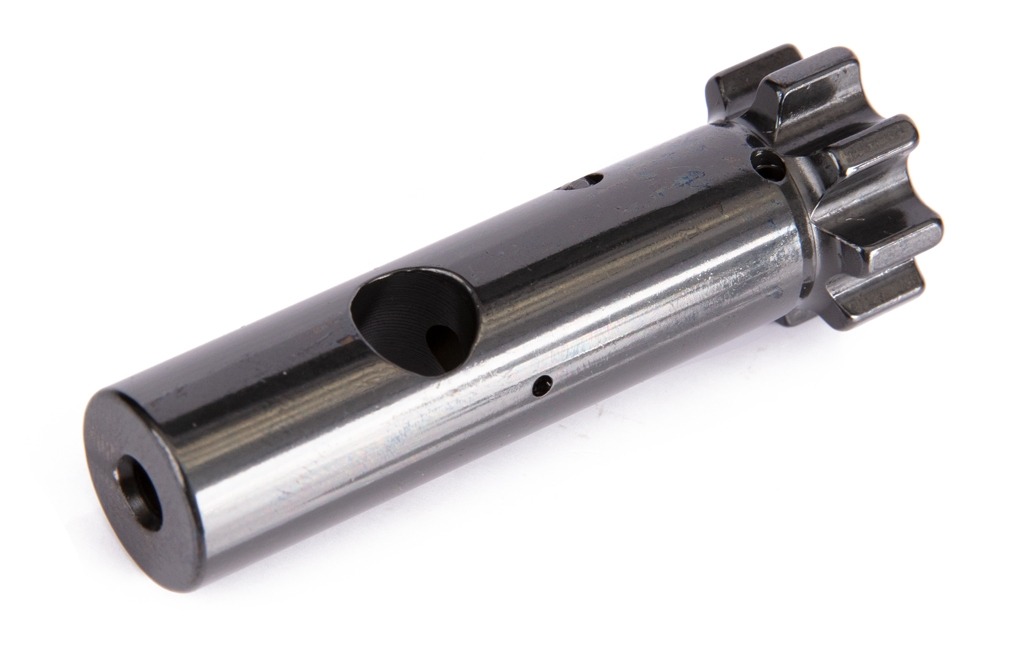
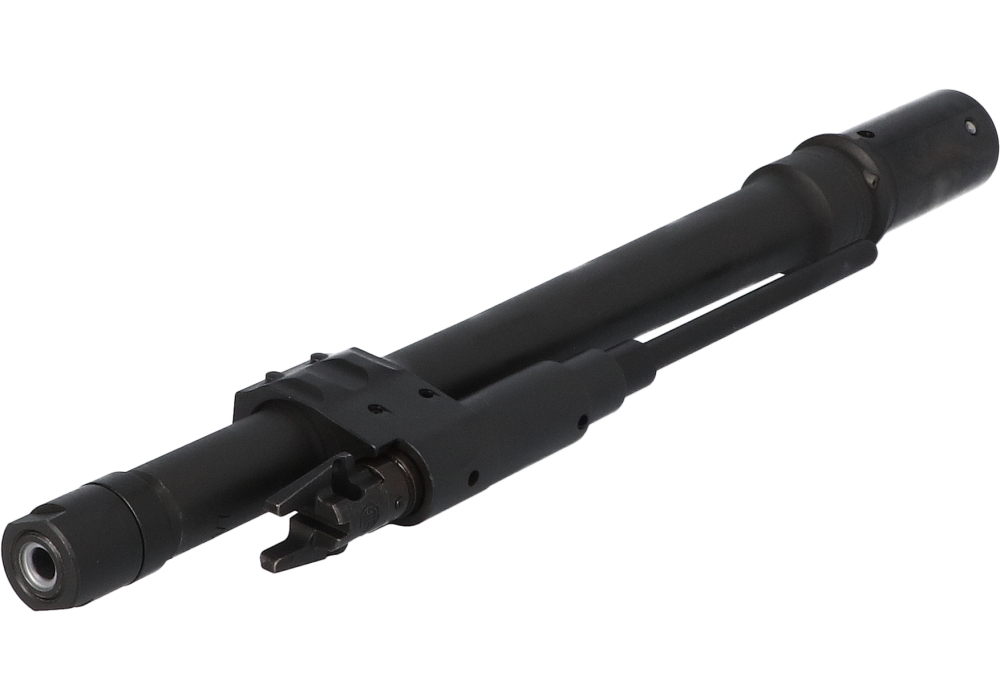
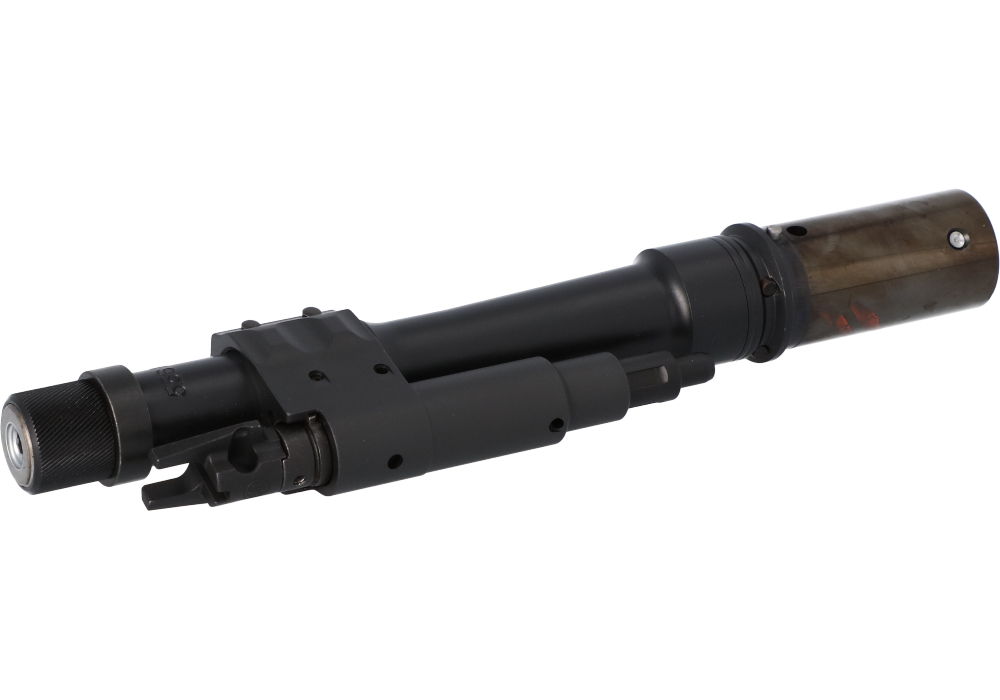
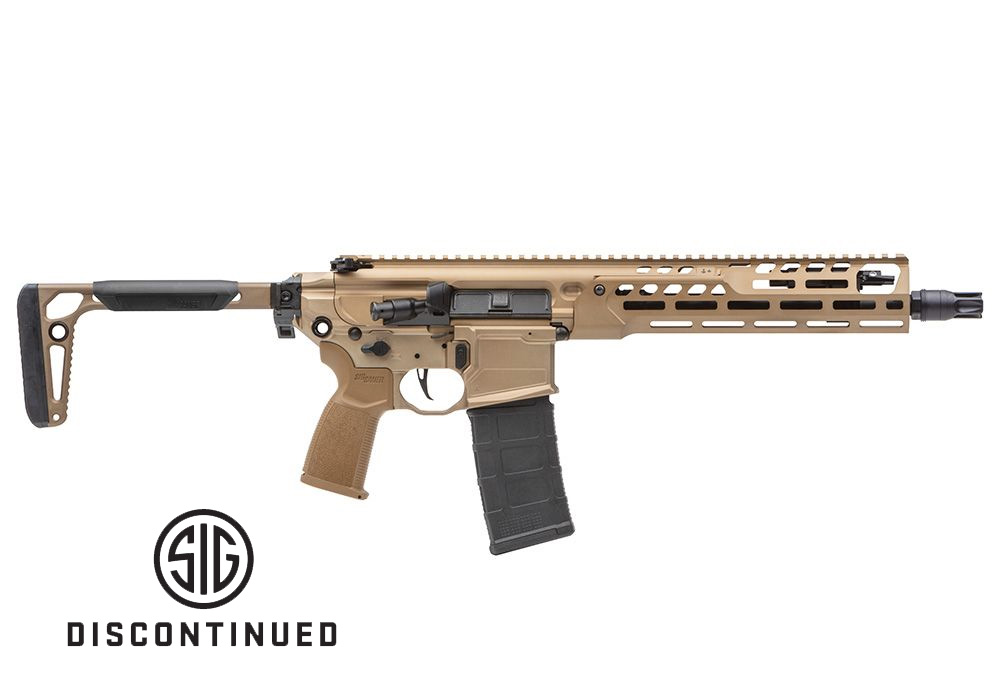
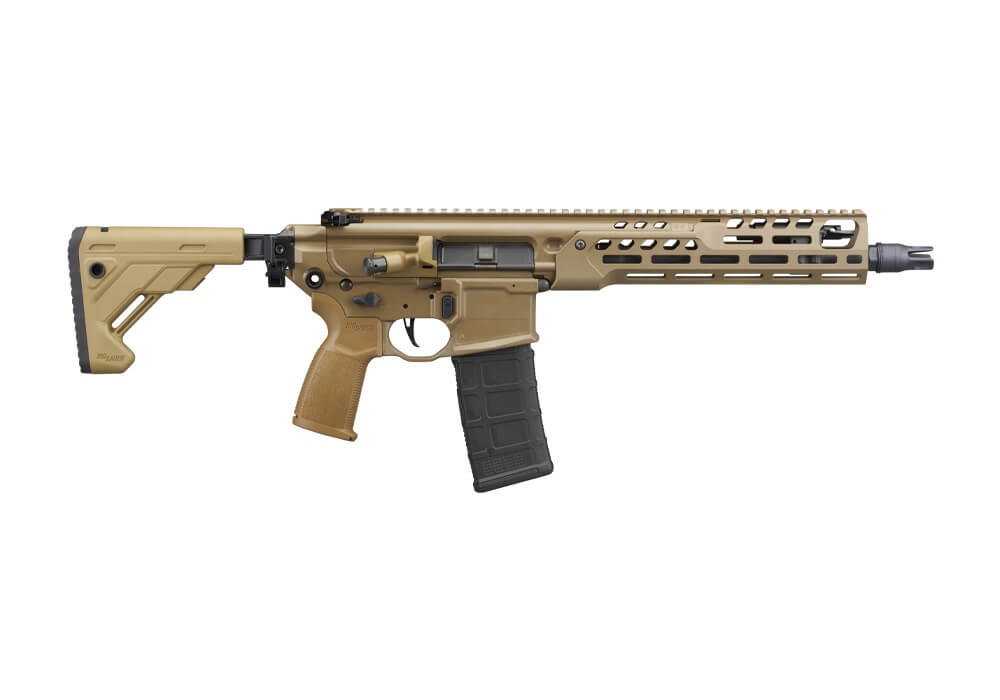
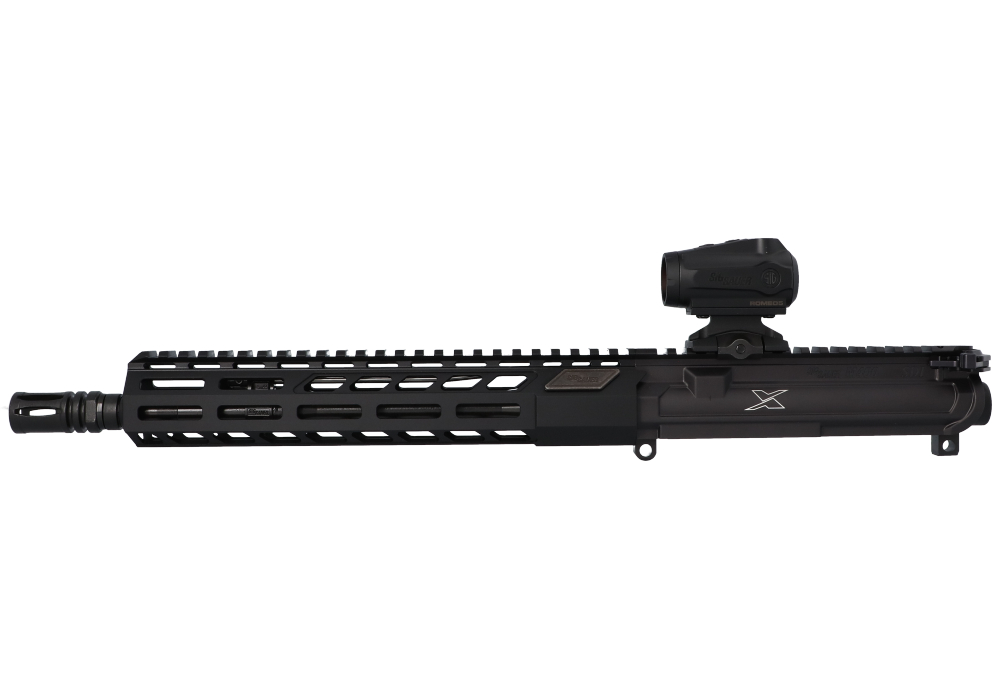
5.56 NATO upper bolt kits bring together the essential working parts used to build, maintain, repair, or refresh the upper receiver group of a compatible modern sporting rifle. Depending on the configuration, a kit may focus on the bolt itself and its related small components, or it may be part of a broader upper assembly package that includes the receiver, barrel, gas system, handguard, and bolt carrier group. The bolt is the component that locks into the barrel extension, supports the cartridge during firing, and moves with the carrier as the action cycles. Common supporting parts include the extractor, ejector, extractor spring and insert, gas rings, firing pin, and cam pin. These pieces may be small enough to fit in the palm of your hand, but each has an important role in reliable operation. For that reason, selecting a 5.56 NATO upper bolt kit should begin with confirming exactly which components are included and whether they match the intended upper receiver, barrel extension, and operating system. A standalone replacement bolt kit can be a practical choice when the rest of the bolt carrier group is serviceable and only the locking or extraction components need attention. A more complete bolt carrier group or upper parts package may be appropriate for a new build, a major repair, or a project that has been stored as a collection of components and is ready to become a functioning assembly. Shoppers comparing options should review the chambering, bolt material, finish, gas-ring arrangement, extractor design, and compatibility notes provided by the manufacturer. Proper headspace verification is especially important when pairing a replacement bolt with a different barrel, and final inspection should be performed by a qualified gunsmith or other competent professional whenever compatibility is uncertain. Firearms and their components should always be handled safely, kept unloaded except when ready for lawful use, and stored securely in accordance with applicable laws and responsible ownership practices.
These kits are useful for a range of lawful applications, from routine maintenance at the workbench to a carefully planned rifle build for recreational target shooting, training, hunting where permitted, or personal protection. A serious range user may keep a spare bolt and small-parts kit in a labeled maintenance case, much like carrying replacement batteries or a compact first-aid kit: not because a problem is expected every time, but because having the correct part available can make a difference when a worn extractor, damaged gas ring, or lost firing pin interrupts a day at the range. Builders may choose components individually to achieve a particular balance of barrel length, handguard style, gas-system configuration, and overall handling. Others prefer a more complete upper kit that reduces the number of separate parts to source while still allowing the lower receiver and furniture to be configured to personal preference. Before purchasing, compare the kit against the rifle’s existing specifications rather than relying on appearance alone. Confirm that the chamber is intended for 5.56 NATO, that the bolt is suitable for the barrel extension, and that the carrier, gas system, and receiver dimensions are compatible. It is also worth considering how the rifle will be used. A lightweight setup can be comfortable during extended range sessions or field carry, while a more robust configuration may appeal to users who prioritize durability and accessory support. Those building a rifle for training should consider the controls, optic interface, sling attachment points, and maintenance requirements as part of the complete setup. The bolt kit is only one part of the system, but it is a particularly important one because it must lock, unlock, extract, and reset consistently through repeated cycles. When buying for another responsible firearm owner, a well-chosen replacement kit can be a thoughtful gift for a hobbyist who enjoys tuning and maintaining equipment, provided the recipient’s exact chambering, platform, and parts preferences are known. A gift card or a conversation about specifications may be more useful than guessing, since even visually similar components are not automatically interchangeable.
For shoppers who need a broader selection of components for a new build or a maintenance project, the related 5.56 NATO Rifle Parts Kits category can help organize the search beyond the bolt and carrier assembly. Use the product details to distinguish a bolt repair kit from a complete bolt carrier group and from a full upper parts package. A complete upper typically incorporates the upper receiver, barrel, gas block, gas tube, handguard, muzzle device, and bolt carrier group, while a bolt kit generally concentrates on the locking and firing components that operate inside the receiver. Checking the included-parts list is helpful when replacing items that are easy to overlook, such as the cam pin, firing pin retaining pin, extractor spring, or ejector components. Examine finish and corrosion-resistance details if the rifle will be used outdoors during damp conditions or stored for long periods through the cooler months, and follow the manufacturer’s care recommendations for cleaning, lubrication, and inspection. Before installation or use, look for burrs, cracks, unusual wear, damaged lugs, flattened gas rings, or other signs that warrant professional evaluation. After any repair or build work, function checks and safe testing should be completed in an appropriate environment, using lawful procedures and suitable protective equipment. Choosing the right 5.56 NATO upper bolt kit is ultimately about matching the parts to the rifle, the barrel, and the intended use, then maintaining the finished assembly with the same care given to any precision mechanical system. With accurate specifications, secure storage, and attention to safe handling, these components can support dependable upper receiver maintenance and thoughtful rifle-building projects for experienced owners and qualified professionals alike.