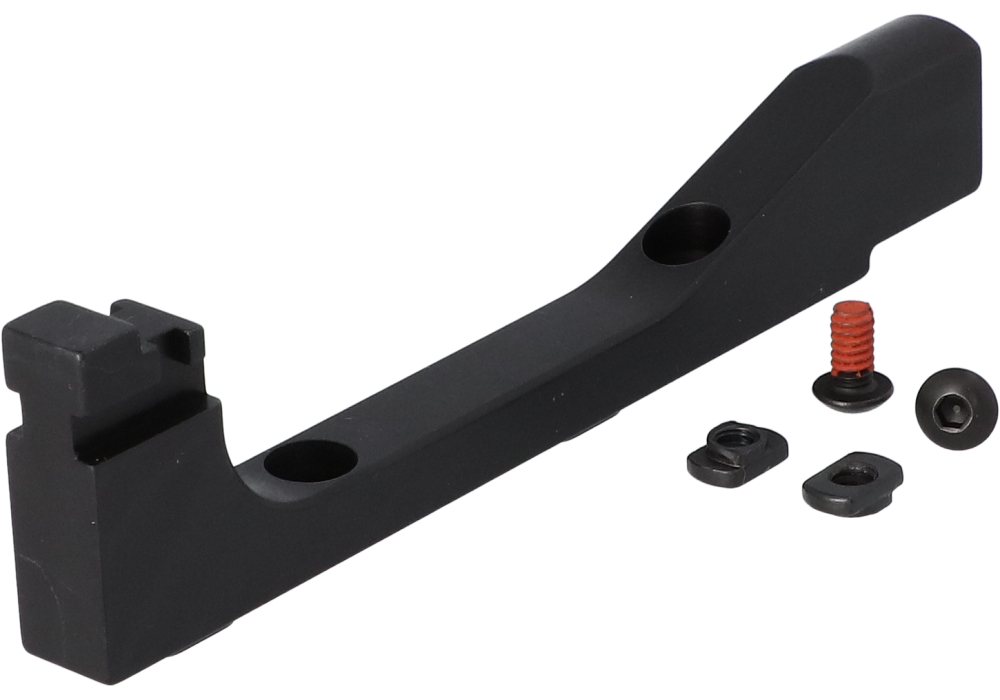
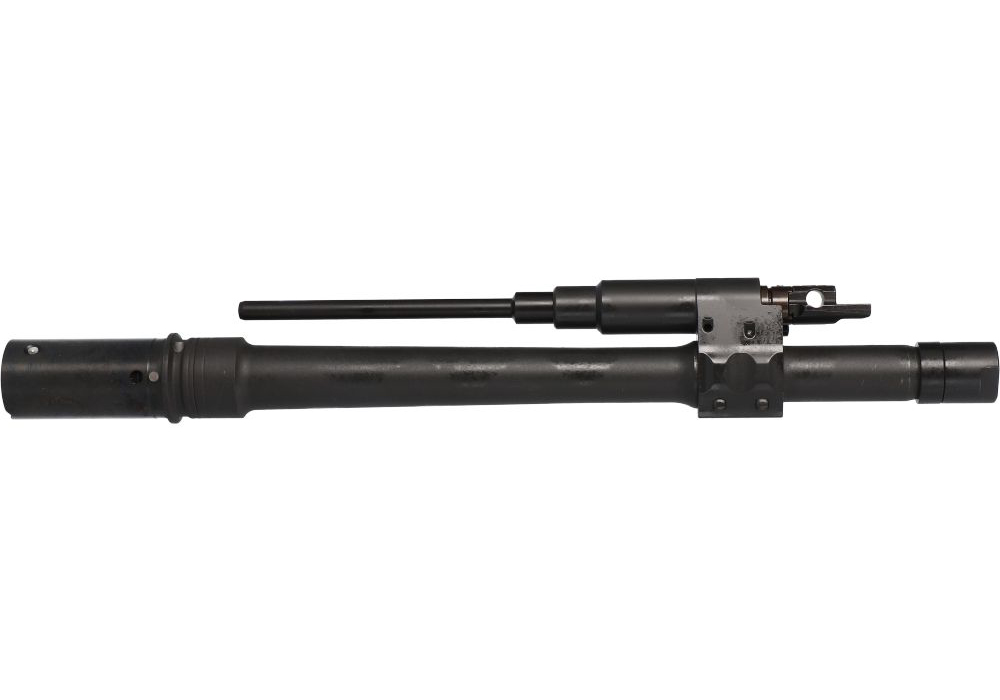
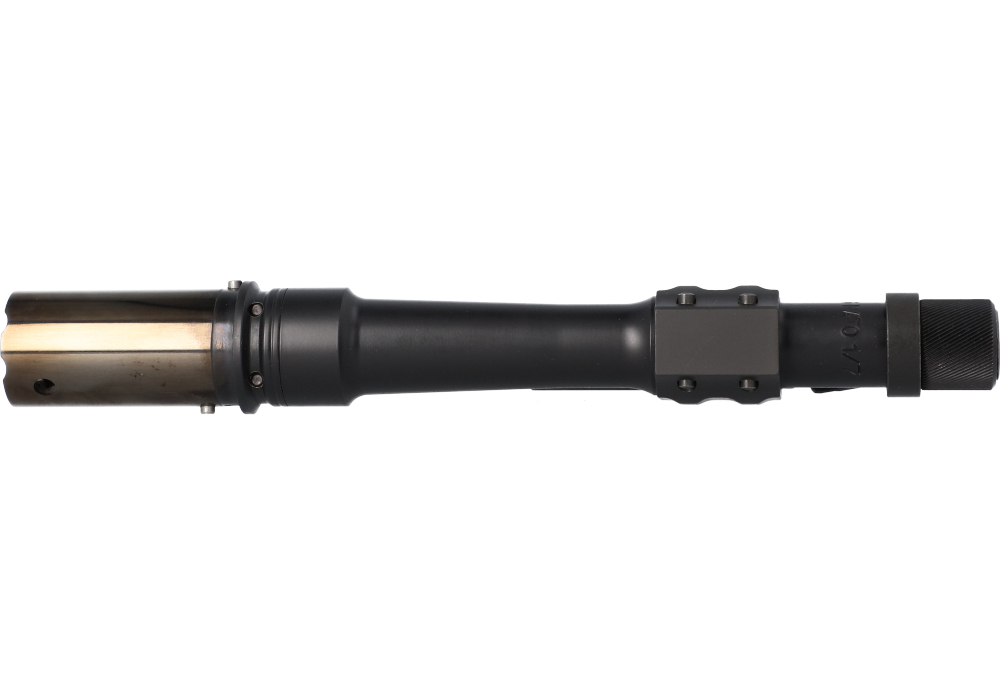
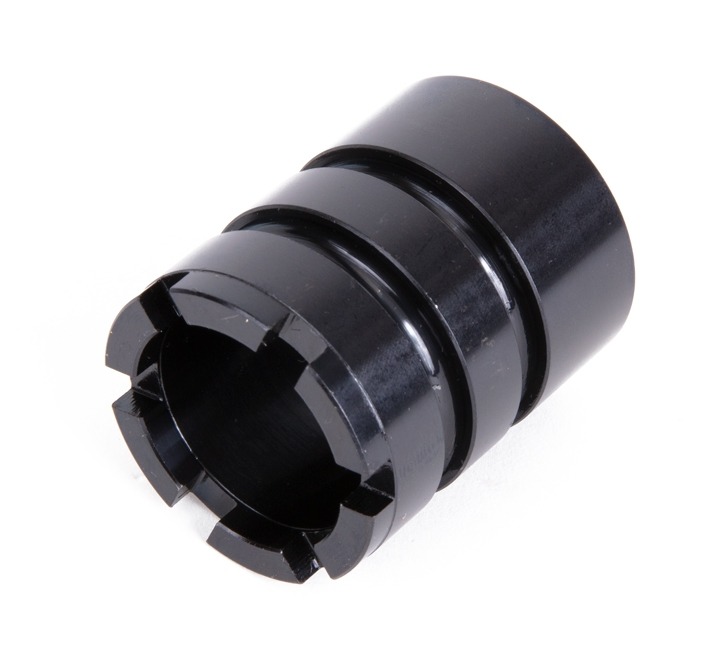
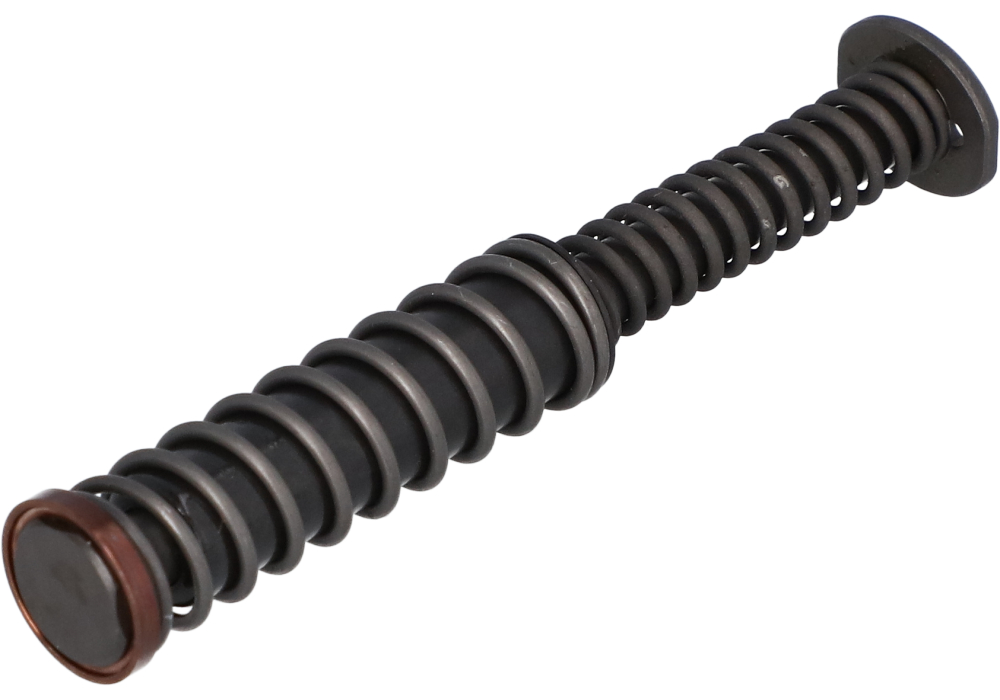
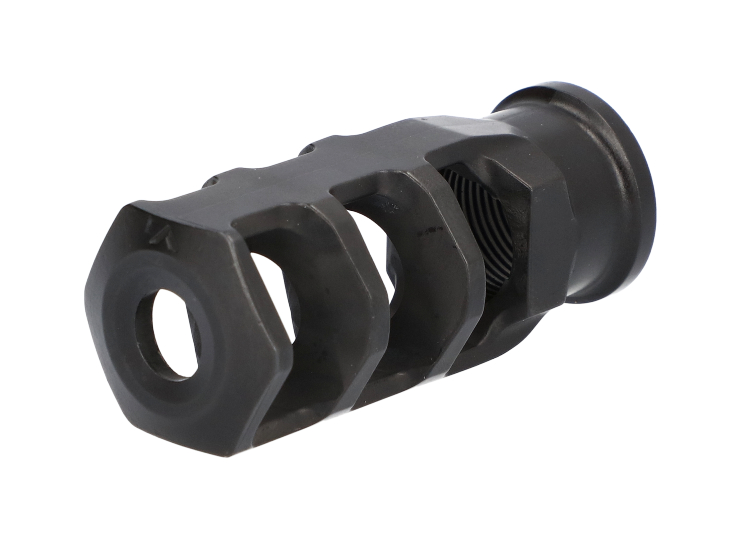
Armory parts are firearm components used for maintenance, repair, and compatible updates to an existing firearm platform. The category can include internal hardware, replacement wear components, exterior controls, and other parts that support the firearm’s original design and intended function. For an owner maintaining a familiar range firearm, the priority may be replacing a worn component with the correct factory specification. For a professional armorer responsible for several firearms, clear identification, consistent fit, and traceable maintenance records can matter just as much as the component itself. Experienced recreational shooters and competitors may also seek compatible parts that better suit their established equipment preferences, provided those choices remain within the manufacturer’s specifications and applicable rules. Across these uses, compatibility is the starting point. A shared appearance or similar name does not establish that two components are interchangeable, and even firearms within the same family can differ by generation, configuration, dimensions, or production revision. The most useful product details identify the intended platform, relevant specifications, material, finish, and any requirements for professional installation. A component should be evaluated as part of a complete mechanical system rather than as an isolated accessory. Its relationship to neighboring surfaces, existing hardware, and the firearm’s configuration can affect both fit and function. That distinction is especially important when comparing an exact replacement with a part intended to change the feel or handling of an existing setup. Keeping a firearm close to its familiar configuration can be preferable to introducing a change that requires additional evaluation. A well-chosen replacement supports the reason the firearm is used, whether that is regular practice, organized competition, professional service, or a collection maintained in working condition. Good selection is less about accumulating extras and more about matching a documented need to a clearly specified component. Accurate model information and a reliable service history help distinguish routine replacement needs from concerns that deserve inspection by a qualified gunsmith or armorer.
Materials and finish help explain how armory parts respond to repeated use, contact with neighboring components, cleaning, and normal handling. Steel is often selected where strength and wear resistance are important, while aluminum can offer a useful balance of rigidity and weight for suitable applications. Engineered polymers serve different purposes, including exterior surfaces where shape, texture, and handling characteristics matter. None of these materials is automatically the best choice for every location on a firearm; the design, material specification, and intended role determine suitability. A hard surface treatment or protective coating may help resist wear or corrosion, but finish alone is not proof of compatibility or overall quality. Dimensional consistency, appropriate surface preparation, and the relationship between contacting parts are equally meaningful considerations. An exterior component may feel smooth and comfortable in the hand yet still require precise alignment at its attachment points. An internal component may appear simple while relying on tightly controlled dimensions to function correctly within the larger assembly. Durability also depends on use and care. A firearm used frequently in organized practice presents a different maintenance history from one handled occasionally, and round count is only one part of that history. Cleaning methods, lubricant selection, storage practices, and prior service can all influence condition. Manufacturer-recommended care helps protect finishes and avoids exposing materials to unsuitable chemicals or abrasive treatment. Removed parts benefit from organized storage that preserves their identification and keeps small hardware from becoming mixed with similar-looking components. Visible wear, corrosion, deformation, or a change in normal operation warrants appropriate evaluation rather than an assumption that cleaning alone will resolve the concern. Replacement decisions are most dependable when supported by the manufacturer’s service information or a qualified professional’s assessment. For owners who value a familiar firearm, thoughtful care and correctly specified parts can support continued service without unnecessary changes to the qualities they already appreciate. It is this combination of material suitability, proper fit, and consistent maintenance—not appearance alone—that gives a component lasting practical value.
Intended use brings the technical details into focus. Someone maintaining a firearm for regular range sessions may value consistent handling and a straightforward return to the original specification. A competitor may place more emphasis on how an approved component fits an established setup and complies with the rules of a particular discipline. An armorer maintaining several firearms may prioritize clear compatibility information, service documentation, and consistency across equivalent configurations. Exterior shape and texture deserve attention where a component affects the way the firearm is held or operated, but comfort is personal and should not be confused with universal improvement. A larger or more pronounced control, for example, may suit one owner’s handling preferences while being less appropriate for another owner’s equipment arrangement. Dimensions and overall configuration can also affect compatibility with existing accessories, protective cases, or other equipment used alongside the firearm. Owners comparing rifle-focused components can explore Advanced Rifle Parts as a related category, with the same emphasis on platform-specific fit and clearly stated specifications. Any component that affects mechanical operation deserves particular care in selection, and installation or inspection should follow the manufacturer’s requirements, including professional service where specified. Mechanical parts are not interchangeable simply because they can be physically attached, and an apparent fit does not establish correct function. Keeping original documentation and recording service work provides useful context for future maintenance, especially when a firearm changes hands or receives attention from a different armorer. Parts can also be a thoughtful gift for an experienced firearm owner when the recipient has identified the exact compatible component and any service requirements in advance. Guessing at fit is less useful than confirming the recipient’s existing configuration and preferences. Whether the purpose is maintaining trusted equipment, addressing documented wear, or selecting a compatible refinement, the strongest choice is one grounded in the firearm’s specifications and the owner’s actual use. Armory parts serve that practical relationship between equipment, maintenance, and familiarity, helping owners care for a complete system rather than treating each component as a standalone purchase.