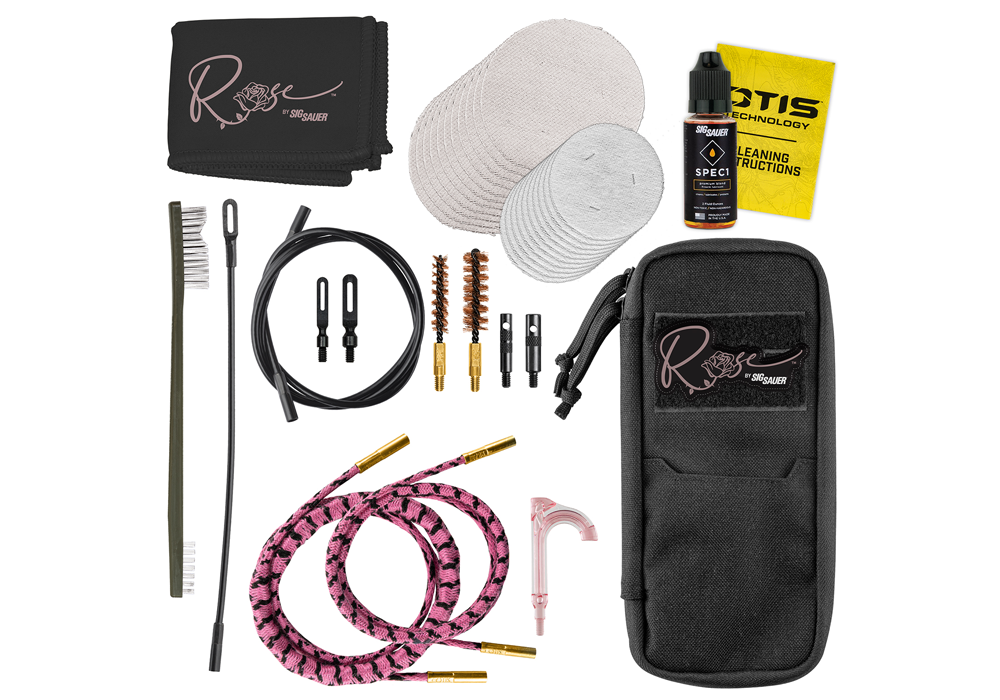
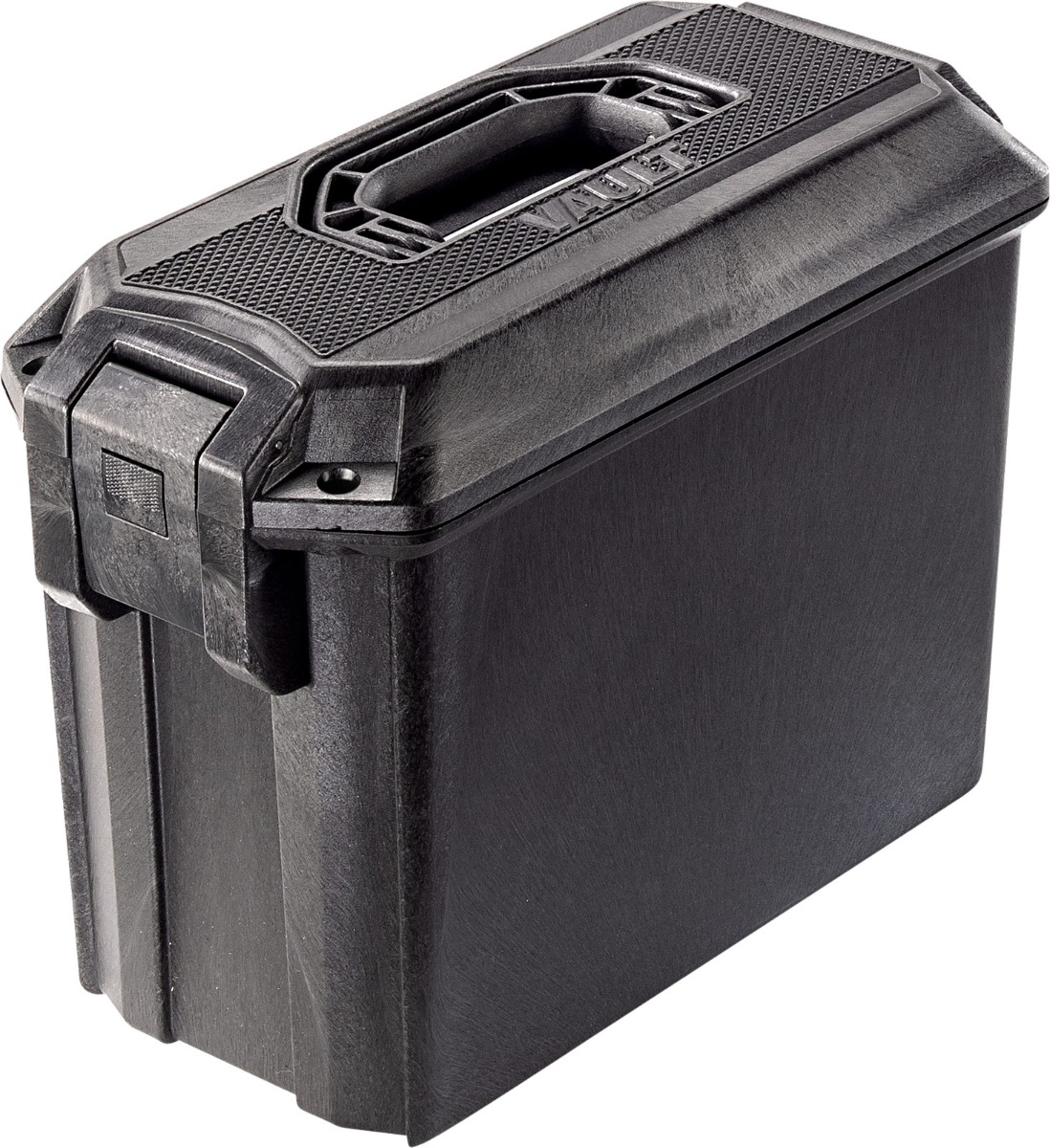
Armory supplies support the everyday work of keeping firearms, related equipment, and the spaces around them clean, protected, and organized. Their value is often most apparent between trips to the range: when a carrying case needs attention, maintenance materials need a designated place, or a crowded bench needs enough clear space for careful inspection. For recreational shooters, collectors, instructors, and professionals responsible for equipment care, these supplies help turn scattered tasks into a consistent routine. The right selection depends on the equipment being maintained, the work being performed, and the space available. A compact home setup may emphasize convenient storage and surfaces that are easy to clean, while a dedicated maintenance area may call for more durable construction and organization that keeps frequently used supplies within reach. Fit matters throughout that selection. Accessories intended to contact a firearm should match the relevant dimensions, materials, and manufacturer specifications rather than simply looking suitable. Equipment designed for one configuration may not suit another, even when the two appear similar. Protective storage also needs to accommodate the full outline of the equipment without placing pressure on controls, finishes, or attached accessories. Too much room can allow movement; too little can create friction or make handling awkward. Cleaning and maintenance materials deserve the same attention to compatibility, particularly around coated surfaces, polymers, rubber, and glass. Manufacturer guidance provides the clearest reference for appropriate use and care. An orderly setup also supports responsible handling by separating maintenance work from unrelated household activity and giving each task a clear place. Before any firearm maintenance, the firearm should be unloaded and handled according to its manufacturer’s safety instructions, with ammunition kept separate from the work area. Armory supplies are most useful when they support those established practices without adding clutter or complexity. Thoughtful choices make it easier to notice wear, keep track of equipment, and finish a maintenance session with the workspace ready for its next use.
Materials and construction determine how armory supplies hold up to repeated handling. Metal components can offer rigidity where stable support is important, while polymers can provide lighter weight and surfaces that are straightforward to wipe clean. Neither material is automatically the better choice; the demands of the task, the quality of the construction, and compatibility with nearby equipment matter more. Edges should be smooth where they meet a finished surface, and contact points should provide protection without trapping abrasive debris. Textile construction brings its own considerations, including the strength of stitching, resistance to scuffing, and how easily dust or residue can be removed. Reinforced seams and secure closures can be valuable for equipment that moves regularly between a storage area, a vehicle, and a range bench. Padding helps cushion contact, but its condition matters as much as its thickness. Compressed, torn, or contaminated material may no longer protect equipment as intended. For fitted interiors, a close match should still allow convenient access without forcing equipment into place. Durability is not just a matter of rugged appearance. It includes closures that continue to operate smoothly, surfaces that tolerate the recommended cleaning method, and structural parts that remain stable through ordinary use. A maintenance surface that lies flat and stays in position can be more useful than an elaborate setup that shifts whenever equipment is handled. Care requirements should also fit the owner’s routine. Materials exposed to oils or cleaning agents may need prompt attention, and chemical compatibility should be confirmed rather than assumed. Residue left on a work surface can transfer to other equipment, while dirt inside protective storage can rub against finishes during transport. Appropriate ventilation and recommended eye or hand protection matter when handling maintenance chemicals. Following care instructions, allowing cleaned materials to dry before enclosed storage, and inspecting frequently handled areas for wear help preserve both the supplies and the equipment they support. For a shared workspace, clear organization makes these details easier to manage across multiple users, especially when responsibilities change throughout the day.
Storage and organization are central to an armory setup because equipment often serves several purposes across different locations. Something used at a home bench may also travel to a training session, while other supplies remain in a dedicated maintenance area. Keeping those roles distinct reduces unnecessary packing and makes it easier to recognize when essential materials need attention. A practical arrangement groups supplies by function and keeps maintenance chemicals away from materials that could be affected by contact or leakage. Clear identification is particularly helpful when containers look alike or when more than one person uses the same workspace. Protective organization is not a substitute for secure firearm storage: firearms and ammunition should remain secured against unauthorized access, with access arrangements appropriate to the household or facility. Within that framework, thoughtful placement can keep frequently used supplies accessible to authorized users without leaving the entire workspace exposed. Intended use also shapes what makes a useful gift. A collector may appreciate equipment that supports careful protection and orderly storage, while a frequent range visitor may value supplies that travel neatly and withstand repeated handling. Someone establishing a first maintenance space may benefit most from straightforward organization that suits the equipment already owned. The Gifts For Armory page offers a related place to explore this practical side of gift giving. Compatibility and personal habits matter more than novelty: the recipient’s workspace dimensions, equipment requirements, and preferred maintenance routine help distinguish a thoughtful choice from something that adds clutter. Shared spaces may benefit from simple labeling and easy-to-clean construction, while a dedicated personal bench can accommodate a more tailored arrangement. Across these settings, useful armory supplies earn their place through reliable function, appropriate fit, and manageable care. They support the quieter work behind responsible ownership—the inspection after a range visit, the clean storage area, and the familiar routine that keeps equipment protected and accounted for.