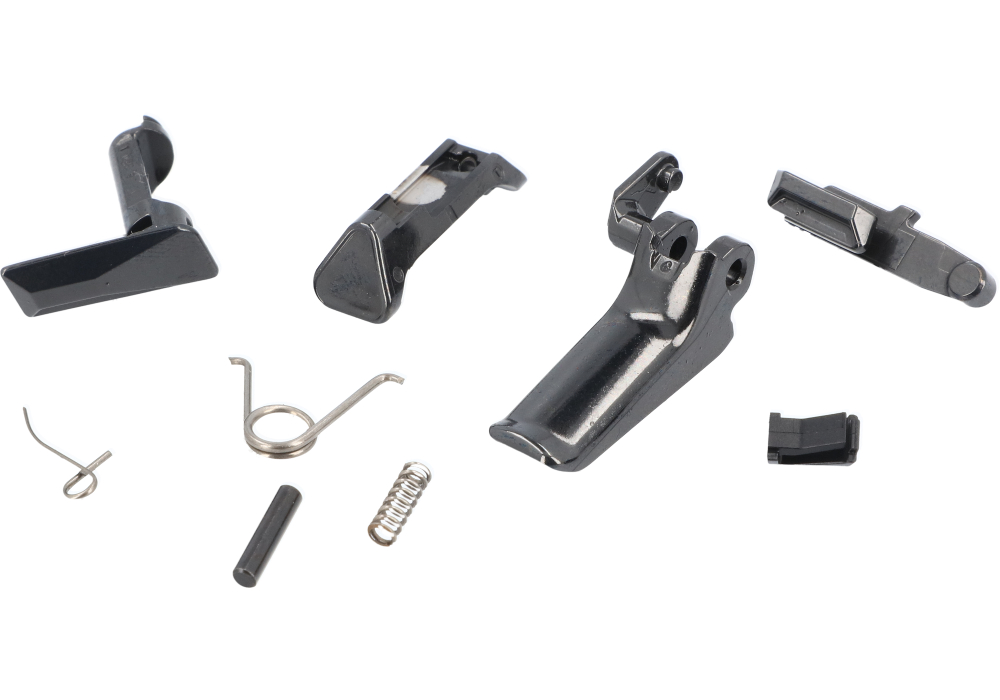
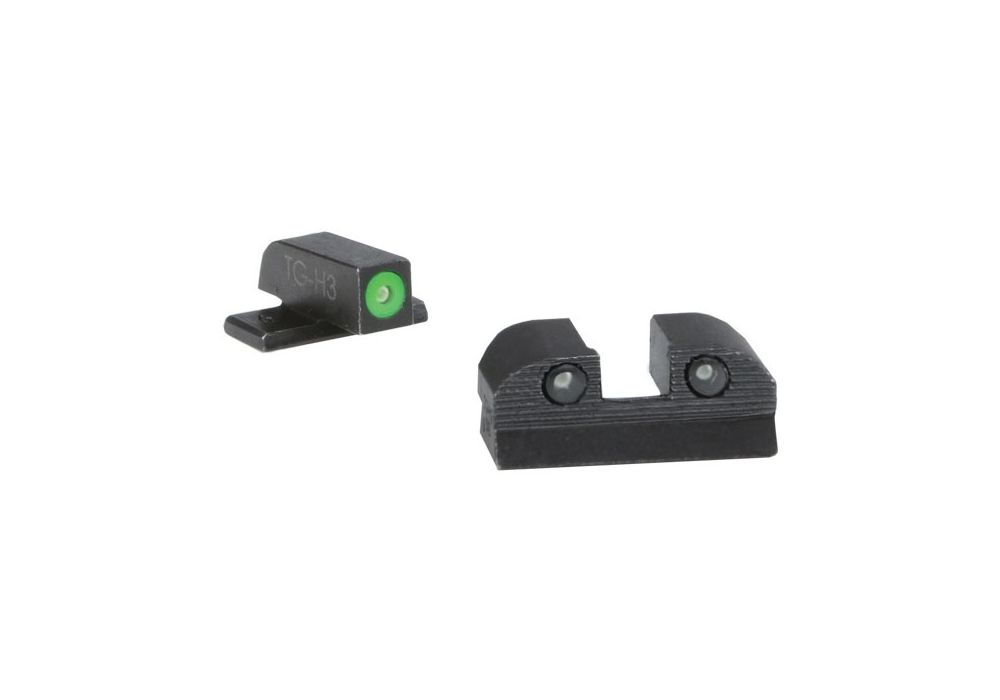
An armorer’s kit is a coordinated collection of firearm-specific tools for maintenance, inspection, and service within the scope of the firearm manufacturer’s instructions. Unlike a general household tool set, an armorer tool kit emphasizes precise fit, controlled handling, and support for components with specialized shapes or finishes. Depending on its intended application, a kit may include an armorer’s wrench, receiver supports or vise blocks, punches, a bench block, a hammer with interchangeable faces, and torque tools. Each tool category serves a different purpose: fitted supports help stabilize components, punches provide contact suited to particular pin types, and torque tools help qualified users follow specified fastener requirements. Not every kit contains every tool, and a larger assortment is not automatically a better match. The strongest starting point is the firearm platform, the manufacturer’s permitted maintenance procedures, and the user’s training. A handgun-focused kit can have very different requirements from a rifle-focused assortment, even when both contain tools with similar names. For a trained armorer responsible for several firearms, clearly organized tools can support a consistent workflow and simplify checks before and after a service session. For an individual owner, a more focused kit may be appropriate for routine maintenance expressly covered in the owner’s manual. A dedicated bench kit favors organization and a stable workspace, while a portable kit emphasizes secure storage and a practical selection of tools for authorized maintenance away from the main bench. Neither format replaces a suitable work surface, adequate lighting, or the knowledge to recognize when professional service is necessary. The value of a well-chosen kit lies in having tools that fit the intended work, rather than improvising with a driver that does not seat properly or a support that leaves a component unstable. That distinction matters whether the workspace is a professional service bench or a carefully arranged area used by a responsible firearm owner.
Materials and construction influence how armorer tools feel in use, how well they retain their working dimensions, and how they interact with firearm surfaces. Steel tools are often selected for strength and wear resistance, but material descriptions alone do not tell the whole story. Heat treatment, machining quality, surface finish, and the shape of the working end also affect suitability. A punch should have a clearly defined tip appropriate to its intended purpose; a driver should match the fastener’s profile and size rather than simply look close. Brass, nylon, and other polymer contact surfaces can serve particular roles where a softer interface is appropriate, although no material should be treated as universally safe for every finish or component. Cleanliness matters as much as the contact material: grit trapped against a protective face can still mark a surface. Receiver supports and bench blocks deserve equally close attention because their contours determine where a component rests and how securely it is supported. Compatibility should be confirmed against the exact firearm model and the tool’s stated application, not inferred from a broad platform label. Variations in component geometry can change whether a seemingly familiar tool is suitable. Where a kit includes torque equipment, its operating range, units of measurement, stated accuracy, and maintenance requirements are more useful considerations than the presence of a torque tool alone. The correct specification must come from the firearm or component manufacturer; a kit does not establish its own service limits. Handles, case latches, hinges, and fitted compartments also contribute to durability in ordinary use. A case that keeps narrow punches separated and working ends protected helps prevent tools from knocking together in transport. Clearly marked sizes reduce unnecessary handling, while compartments with recognizable outlines make a missing tool easier to notice. These details become especially useful on a busy bench, where a clean layout and a consistent place for each tool make preparation and cleanup less distracting. When evaluating an assortment, consider the quality and relevance of the tools that will see regular use, along with how effectively the case protects the entire set.
Care and organization help an armorer’s kit remain dependable over time. Tools should be cleaned and stored according to their manufacturers’ directions, with residue removed and working surfaces inspected for wear, corrosion, deformation, or other damage. A bent punch, rounded driver tip, or damaged support should not be treated as an acceptable substitute for a sound tool. Torque instruments may have specific storage settings and calibration requirements, so their documentation belongs with the kit rather than in an unrelated drawer. Protective faces and inserts also warrant inspection because embedded debris or a worn contact surface can undermine their intended function. On a shared bench, returning each tool to its assigned space helps the next user identify missing or damaged pieces before beginning work. At home, a closed, organized case keeps specialized tools separate from household hardware and supports secure storage away from children and unauthorized users. Any firearm maintenance session should begin with confirmation that the firearm is unloaded according to its manufacturer’s instructions, with ammunition kept separate from the work area. Eye protection, a stable workspace, and clear service documentation remain important regardless of the kit’s size. Tasks beyond the owner’s authorized maintenance scope belong with a qualified armorer or gunsmith, particularly when they concern safety-critical systems or require specialized inspection. An armorer’s kit provides tools, not a substitute for training or manufacturer authorization. For trained professionals, dedicated enthusiasts, or someone attending an appropriate armorer course, a compatible kit can be a useful addition to an established workspace. As a gift, it is best selected with knowledge of the recipient’s firearm platform, experience, and existing equipment; duplicating an assortment is less useful than addressing a clearly identified need. Tools and replacement components should also be considered separately. The Armory Parts page provides a related place to explore components, with compatibility and service requirements deserving the same attention given to tool selection. A thoughtfully chosen armorer kit supports orderly, manufacturer-directed care through accurate fit, durable construction, and practical storage, with every tool serving a defined purpose.