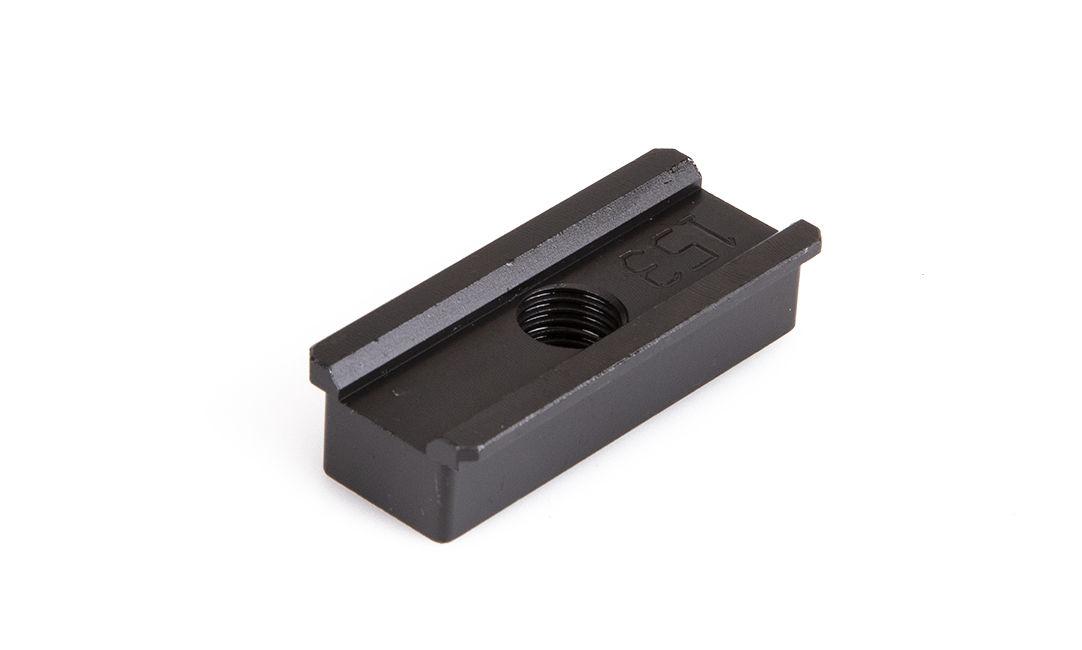
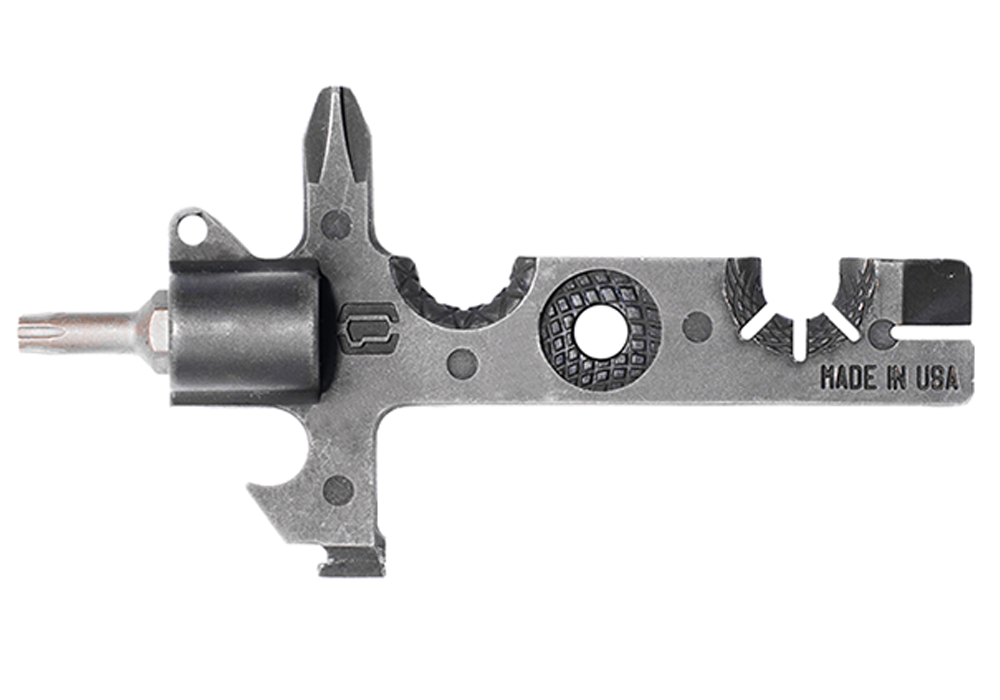
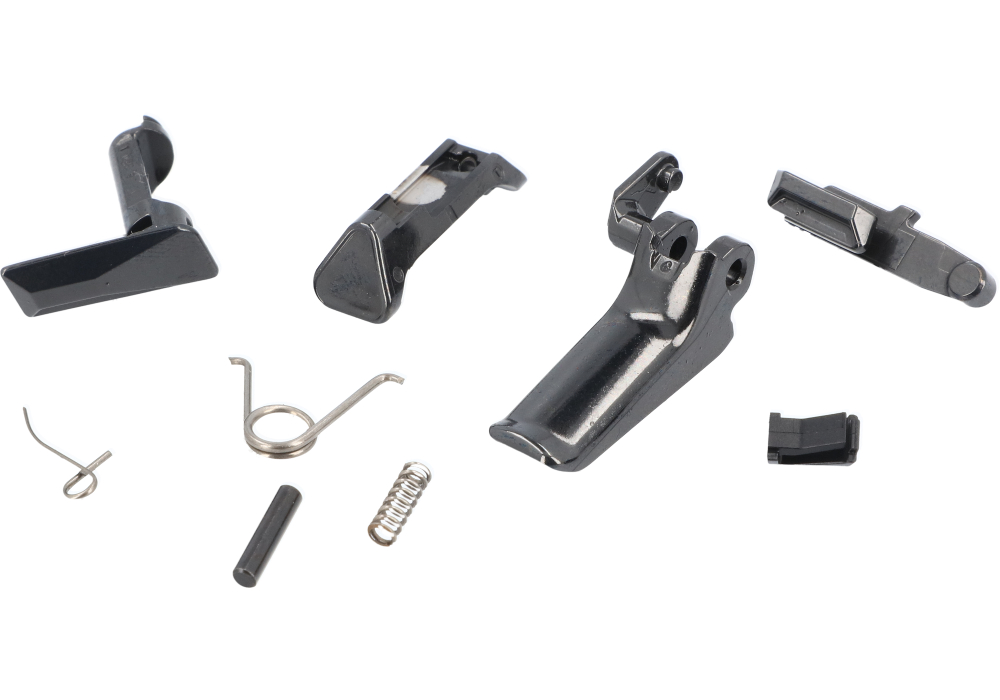
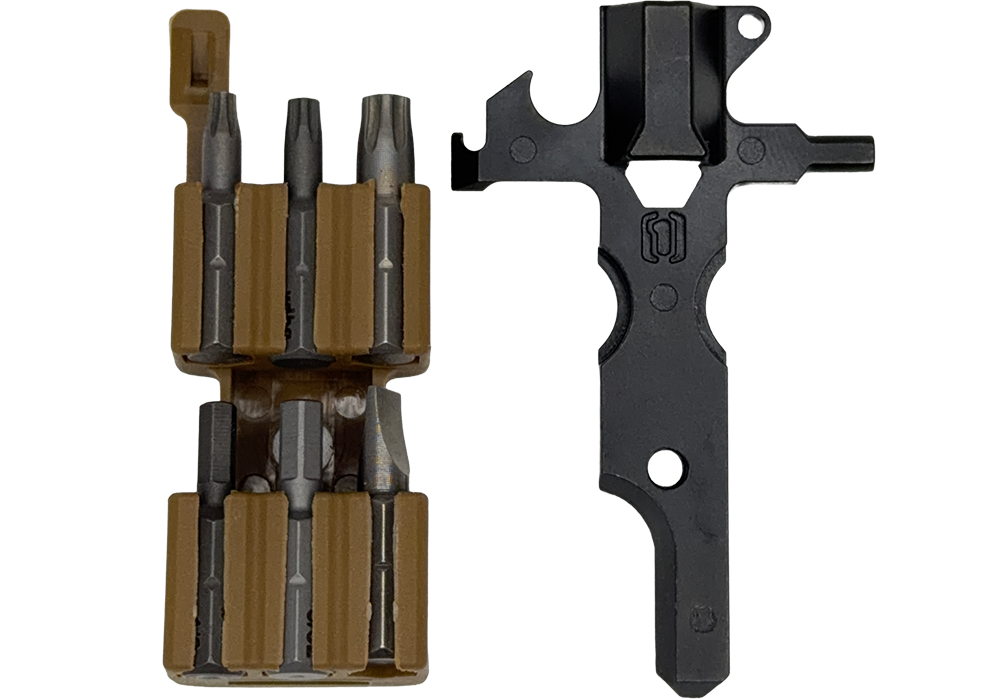
Firearm tool kits bring together the specialized tools used to maintain, adjust, and work on firearms with greater control than a general household toolbox can provide. A well-chosen kit may include a gunsmithing screwdriver set, parallel-ground bits, brass, steel, and nylon punches, roll-pin starters, a small hammer, hex and Torx bits, a torque wrench, an armorer’s or multi-wrench, and a case or organizer for keeping everything in order. These tools are useful for firearm owners who handle routine maintenance, install accessories, adjust sights, replace grips or stocks, or want a more organized setup at the workbench. They can also be helpful for hunters preparing equipment before a trip, competitive shooters making careful adjustments between range sessions, collectors preserving older firearms, and new owners building a responsible maintenance routine. For someone who already owns the basics, a firearm tool kit can be a practical gift for a birthday, holiday, or other occasion, especially when the recipient enjoys spending time at the range or maintaining equipment at home. Before selecting a kit, consider the firearms it will be used with, the kinds of tasks involved, and whether a compact portable set or a more extensive bench-ready assortment makes the most sense. Handguns, modern sporting rifles, and bolt-action rifles can require different bit sizes, punch dimensions, wrenches, and support blocks, so a kit intended for a specific platform may provide a better fit than a general-purpose collection. When comparing options, look for durable construction, clearly marked sizes, secure storage, and tool designs that help protect the finish and hardware. A complete selection should make common maintenance tasks feel orderly rather than improvised, whether it is opened on a sturdy bench during the cooler months or packed for a range day when the weather is more comfortable.
The screwdriver portion of a firearm tool kit deserves particular attention because poorly fitting bits can slip, damage screw heads, or leave marks around delicate hardware. Bits ground with parallel sides are generally preferred for firearm screws because they engage the recess more fully than tapered household bits. A useful assortment includes multiple flat, Phillips, hex, and Torx sizes, along with a handle that provides a steady grip without excessive force. Punches are equally important. Brass and nylon punches can help with pins and parts where protecting the surrounding finish matters, while steel punches offer additional strength for jobs that require more resistance. Roll-pin starters can make it easier to begin removing or installing hollow pins without bending them, and a properly sized bench block or support block can keep small components stable during the process. A torque wrench or torque driver is another valuable consideration for anyone mounting optics, tightening scope rings, securing action screws, or installing accessories that must be fastened to a manufacturer’s specified setting. Applying too little torque can allow hardware to loosen, while applying too much may damage threads, fasteners, or the firearm itself. An armorer’s or multi-wrench can be useful for platform-specific tasks such as working with receiver extensions, castle nuts, barrel hardware, or other components that are difficult to handle with ordinary tools. A gun vise or fitted support helps secure the firearm and maintain a safe, consistent working position, particularly when cleaning, inspecting, or driving pins. Tool kits that combine these elements can reduce the temptation to substitute improvised tools, protect the firearm’s finish, and keep small parts from disappearing across the bench. For owners who want to expand beyond individual tools, exploring related Firearm Accessory Kits can also help organize a broader maintenance and range setup.
The best firearm tool kit is the one that matches the owner’s experience, the firearm platforms in the collection, and the work that will actually be performed. Someone focused on basic cleaning and sight adjustments may prefer a compact kit with essential drivers, punches, a hammer, and storage that fits easily in a range bag. An owner who regularly mounts optics, changes accessories, or performs more involved maintenance may benefit from extended capacity, a broader bit selection, platform-specific wrenches, torque control, and sturdy blocks or vise supports. Portability matters as well: a small kit can travel to the range or hunting camp, while a larger organized set can remain ready on a dedicated workbench. Look for comfortable handles, corrosion-resistant finishes, replacement components when available, and a layout that makes it easy to identify the correct size before beginning a task. Firearm tool kits should be used only with the firearm unloaded, pointed in a safe direction, and separated from ammunition during maintenance; owners should verify the chamber and magazine well, consult the firearm’s manual, and follow all applicable laws and manufacturer instructions. Tasks beyond an owner’s training or tools are best left to a qualified gunsmith. A thoughtful kit can make maintenance feel more deliberate: the right bit settles into a screw, a punch supports a pin without scarring the frame, and a torque driver provides a measured final turn instead of a guess. Kept clean and organized, these tools can serve for years, helping owners care for their firearms responsibly through busy range seasons, changing weather, and the quieter days spent preparing equipment at home.