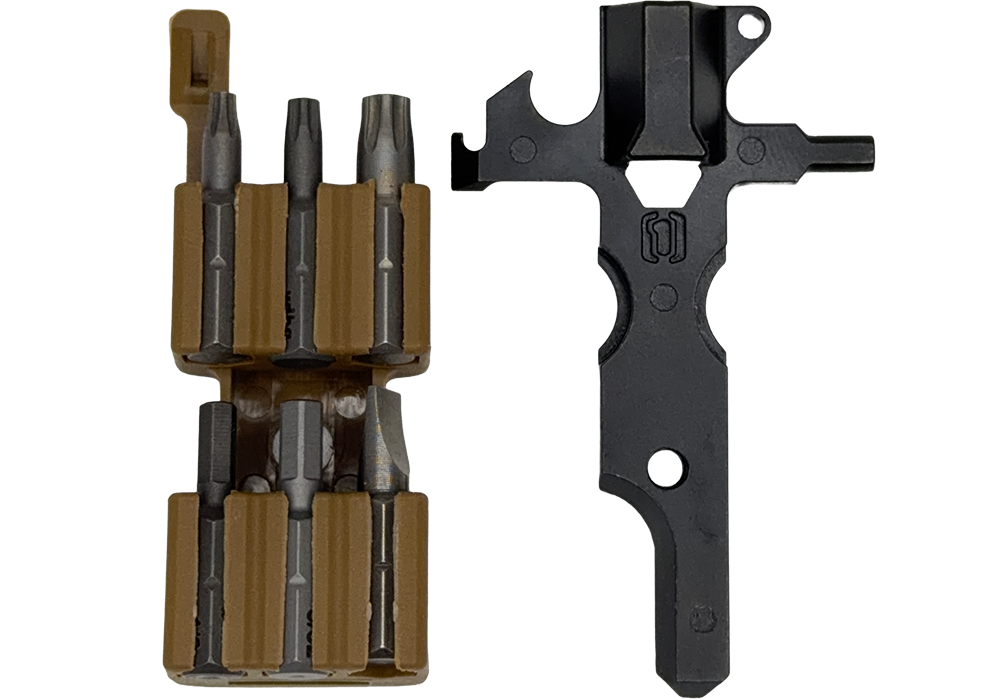
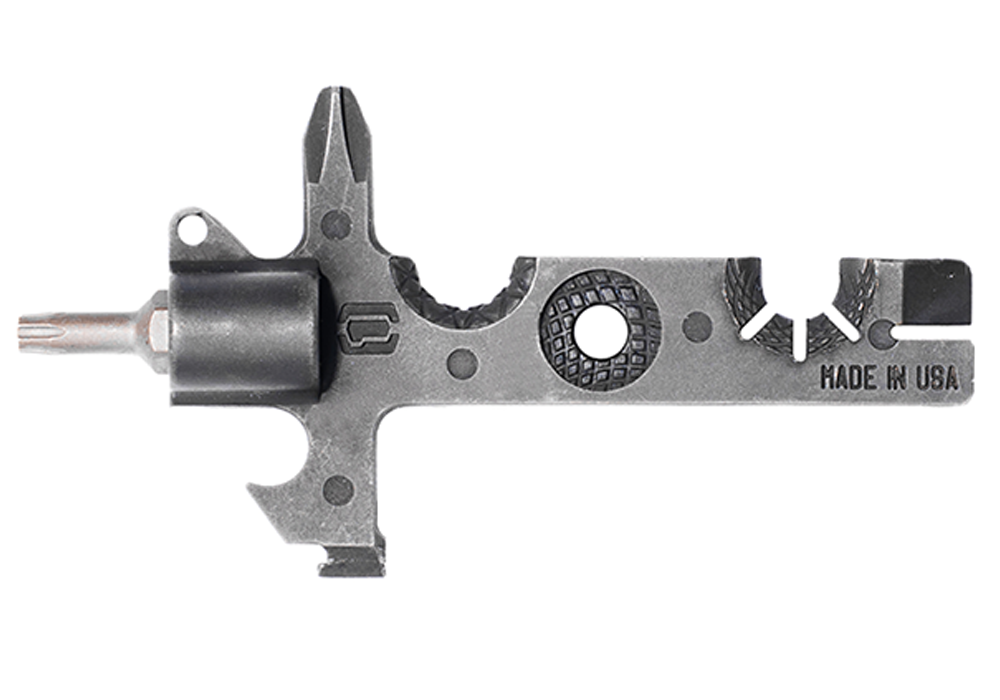
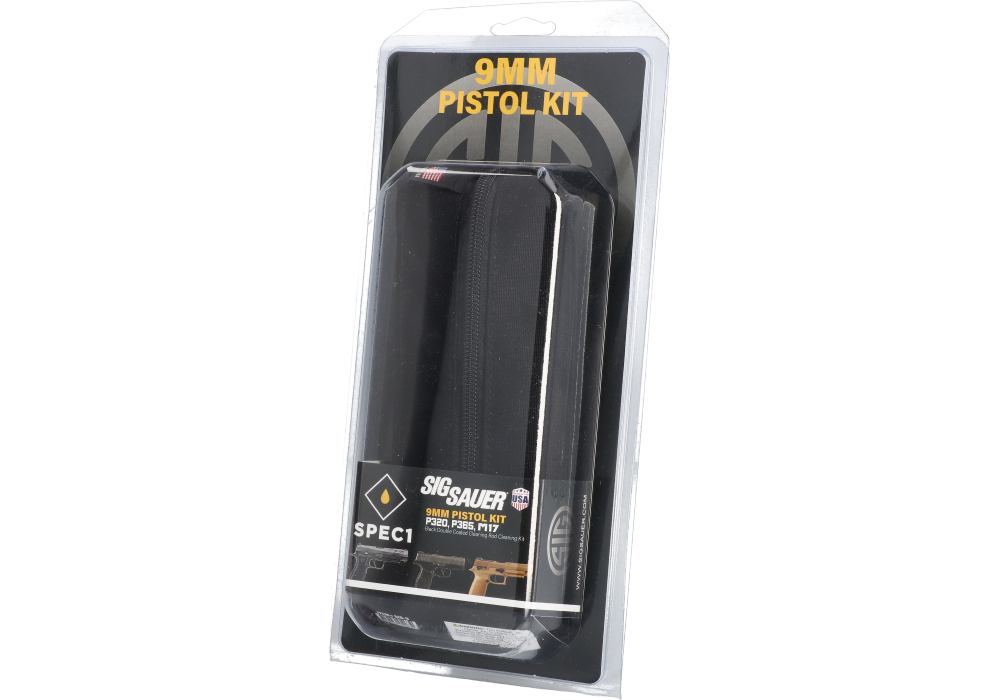
Firearm repair driver kits are purpose-built toolsets for maintaining, adjusting, and restoring firearms with greater control than a general household screwdriver set can provide. These kits commonly combine hollow-ground screwdriver bits, hex drivers, Torx drivers, specialty profiles, interchangeable handles, ratcheting mechanisms, and precision torque drivers in one organized case. Hollow-ground bits are especially valuable because their parallel-sided tips are designed to fill a firearm screw slot more completely, helping reduce cam-out, slipping, and damage to the screw head. That careful fit matters when working around action screws, grip screws, sight hardware, scope rings, bases, and other fasteners that may be small, recessed, or finished with a protective coating. A firearm repair driver kit may also include a compact field format for range bags and travel cases, or a more extensive bench-oriented arrangement with duplicate common bits, pin punches, multiple driver configurations, and room for future additions. Some sets feature adjustable torque drivers with inch-pound settings, allowing the user to apply consistent pressure within the specifications provided by the firearm or accessory manufacturer. This is particularly useful for optics mounting, where over-tightening can damage a scope tube, distort a ring, or affect alignment, while insufficient torque can allow hardware to loosen during use. A well-selected kit brings precision, organization, and repeatability to routine service without taking the place of a qualified gunsmith when a repair involves internal components, damaged parts, fitting, or questions about safe operation.
Choosing among firearm repair driver kits starts with considering the type of work, the firearms and accessories involved, and where the tools will be used. A compact kit can be a practical choice for range bags, hunting packs, vehicle storage, or a small workbench where space is limited. These portable sets often focus on the most useful driver and optics bits while keeping the overall footprint easy to carry. A bench kit may be better suited to collectors, competitive shooters, armorers, and gunsmiths who regularly work on several platforms and need broader bit coverage, duplicate sizes, punches, or alternate handle styles. Look for a selection that includes hollow-ground flat bits rather than relying only on tapered household tips, along with common hex and Torx sizes used for firearm and optic hardware. Specialty bits can add value for particular maintenance needs, including profiles for front sight fasteners, grip hardware, windage components, choke-related work, and other firearm-specific applications. A fine-adjust torque driver is another important consideration, especially for users who mount or reposition optics and want a repeatable setting measured in inch-pounds. Settings that adjust in small increments can make it easier to follow published specifications accurately. Handle design matters as well: a standard screwdriver grip offers familiar control, a T-handle can provide leverage in confined areas, and a ratcheting handle can speed work when repeated turning is needed. Storage should not be overlooked. A fitted case with labeled locations keeps small bits from disappearing beneath a work surface and makes it easier to confirm that the correct driver is in hand before contacting a fastener. For a gift, these kits suit firearm owners who enjoy careful maintenance, hunters preparing equipment during the changing seasons, competitive shooters checking match gear, and new enthusiasts assembling a responsible cleaning and service setup. They can also complement related replacement components, such as Firearm Restoration Firing Pin Kits, when restoration work is being performed by someone with the appropriate knowledge and tools.
The best use of a firearm repair driver kit begins with a safe, uncluttered workspace and a clear understanding of the task. Before any inspection or adjustment, the firearm should be completely unloaded, ammunition should be removed from the work area, and the owner should follow the manufacturer’s safety information. A padded bench, bright lighting, and a small tray for loose screws can turn a hurried maintenance session into a calm, orderly process; the quiet click of a ratcheting handle and the firm seating of a properly matched bit are good reminders that precision starts with preparation. Drivers should be selected for a full, secure fit, and torque settings should follow the specifications supplied for the firearm or accessory rather than guesswork. A torque-limiting driver is not intended to force stuck, damaged, or corroded hardware, and unusual resistance, stripped fasteners, movement in an unexpected direction, or uncertainty about internal parts is a reason to stop and seek qualified service. Keeping bits clean and dry, storing them in their assigned slots, and checking the kit periodically helps preserve accuracy and readiness through the warmer part of the year and into the cooler months, when many owners organize safes, inspect hunting equipment, or prepare firearms for storage. Whether kept in a dedicated workshop or tucked into a range case, a firearm repair driver kit provides a dependable foundation for careful adjustments and basic service. The right combination of bit geometry, torque control, specialty coverage, handle versatility, and durable storage helps protect firearm hardware while giving responsible owners a more confident way to keep their equipment maintained.