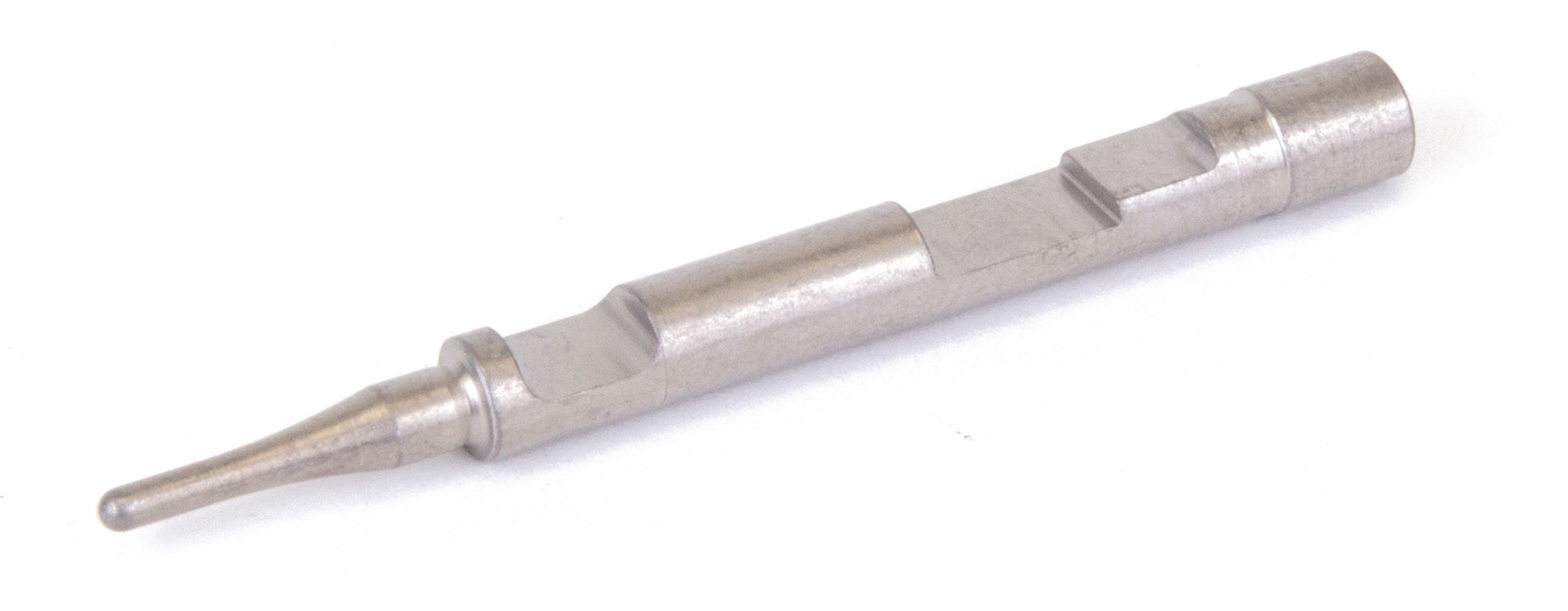
Essential parts for firearm repair kits help keep routine maintenance, minor repairs, and replacement work organized around the components most likely to wear, loosen, or disappear during disassembly. Springs, pins, detents, screws, clips, extractors, firing pins, and other small internal parts can be easy to overlook until one is bent, worn, or lost on a workbench. A thoughtfully assembled collection of replacement parts gives firearm owners, competitive shooters, hunters, instructors, and professional armorers a practical way to prepare for common service needs without relying on a single missing component to interrupt a range trip. Compatibility should always come first. Firearms vary by model, generation, configuration, and caliber, so buyers should confirm the correct specifications in the manufacturer’s documentation or with a qualified gunsmith before selecting replacement parts. It is also wise to distinguish between parts intended for routine replacement and components that require fitting, inspection, or specialized knowledge. A replacement spring or pin may be appropriate for a capable owner working within the firearm’s approved maintenance procedures, while work involving the firing mechanism, locking surfaces, headspace, or other critical assemblies is best handled by a trained professional. Keeping parts sorted in labeled compartments can make a compact repair kit far more useful, especially when small pieces have a habit of rolling beneath a bench or blending into a dark range bag. During the cooler months, when storage, indoor practice, and detailed bench work often become more appealing, an organized assortment of compatible spares can support careful inspection and responsible upkeep.
A complete repair setup typically combines replacement hardware with the tools needed to handle it without damaging the firearm. Punches in suitable sizes can help with pins, while roll-pin starters, non-marring hammer faces, and appropriately sized drivers provide better control than improvised household tools. Hollow-ground screwdriver bits are valuable when working with slotted screws because they engage the sides of the slot more fully and reduce the chance of slipping or marring the surrounding finish. Picks and hooks can assist with positioning small springs, clips, and detents, and a torque driver helps support consistent tightening of screws used on optics, mounts, grips, and other accessories when the manufacturer specifies a torque value. Cleaning-related items also have a place in a practical kit. Bore brushes, patches, pull-through cleaners, nylon brushes, and carbon-removal tools can help remove fouling before a part is inspected or replaced, allowing wear, cracks, peening, and other concerns to be seen more clearly. The right selection depends on the firearm platform and the owner’s intended use. A rimfire enthusiast may prioritize cleaning brushes, extractor components, and small pins, while a rifle owner may look for spare bolt components, receiver hardware, or parts associated with the operating system. A handgun owner may place greater emphasis on replacement takedown hardware, extractor components, trigger-related springs, and compact tools that fit easily in a range case. Those building a more comprehensive setup can explore Firearm Tool Kits for a broader selection of purpose-built equipment and supporting accessories.
These parts and tools can be useful for several kinds of firearm owners. Experienced hobbyists may keep an “oops kit” of inexpensive small parts close at hand after learning how quickly a detent or pin can vanish during careful disassembly. Frequent range users may appreciate having compatible replacement hardware available when a worn spring, loose screw, or damaged pin is identified during post-session inspection. Hunters and travelers often value compact, clearly organized spares that support responsible maintenance away from a fully equipped workshop, while instructors and club armorers may maintain a wider assortment for commonly used platforms. A firearm repair kit can also make a thoughtful gift for a responsible adult who enjoys maintenance, competition, collecting, or time at the range, particularly when the selection is based on the recipient’s exact firearm and experience level rather than appearance alone. Storage matters as much as selection: divided cases, magnetic trays, labeled bags, and moisture-conscious organization help keep tiny components clean and easy to identify. Before any inspection or service, confirm that the firearm is unloaded, remove ammunition from the work area, follow the owner’s manual, and use eye protection when springs or pins may be under tension. Replacement parts should be checked for correct fit and condition, and any uncertainty about safe operation should be referred to a qualified gunsmith. With the right combination of compatible spares, precision tools, and orderly storage, essential parts for firearm repair kits can support dependable upkeep through changing seasons and help keep routine maintenance from becoming an avoidable interruption.