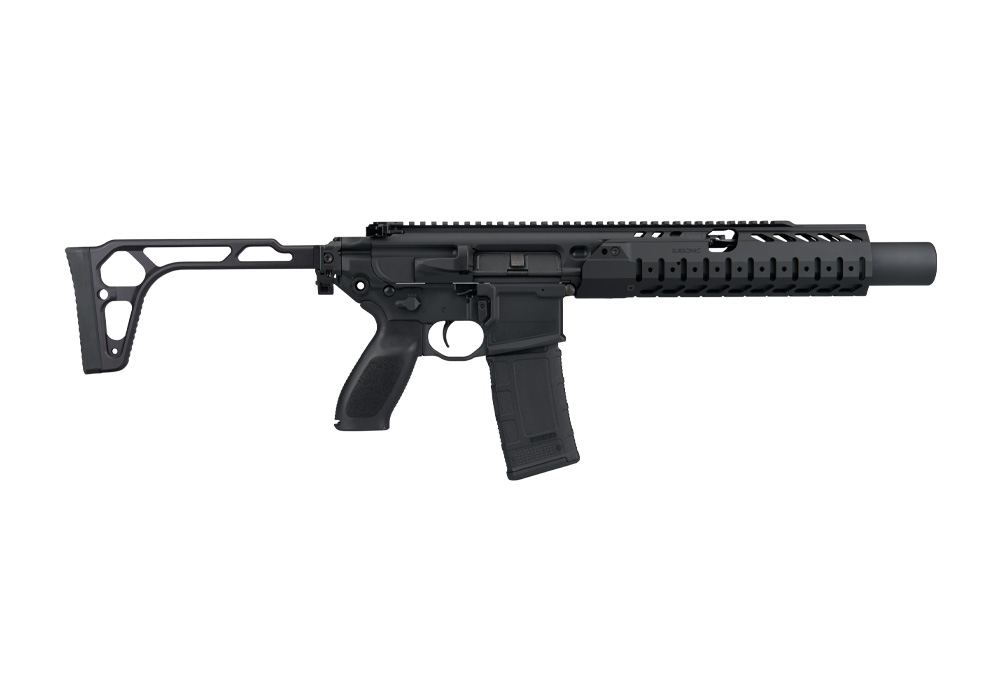
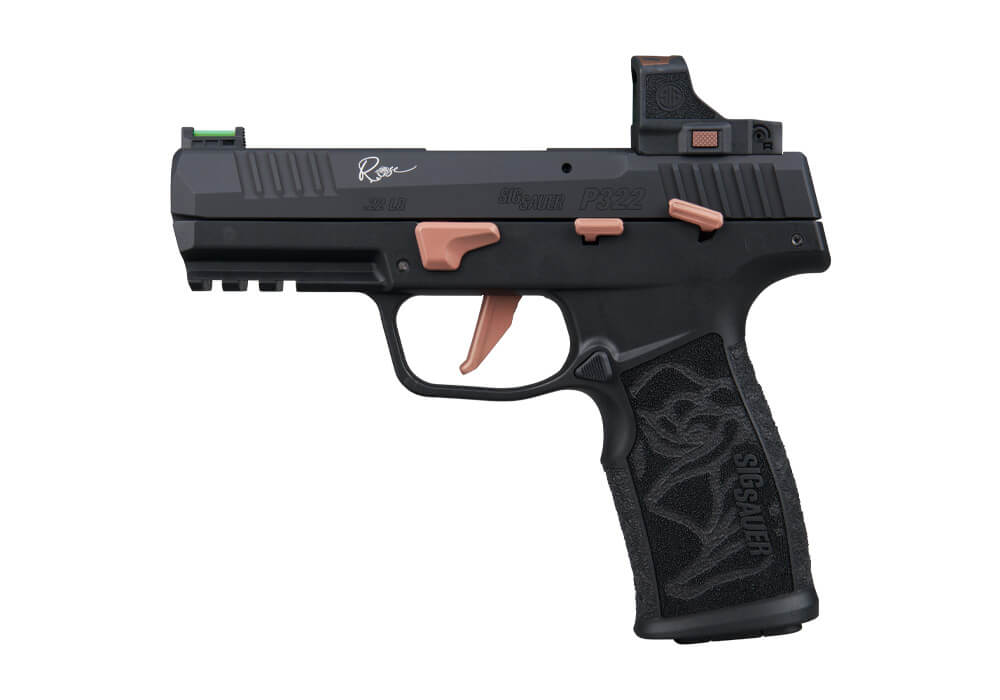
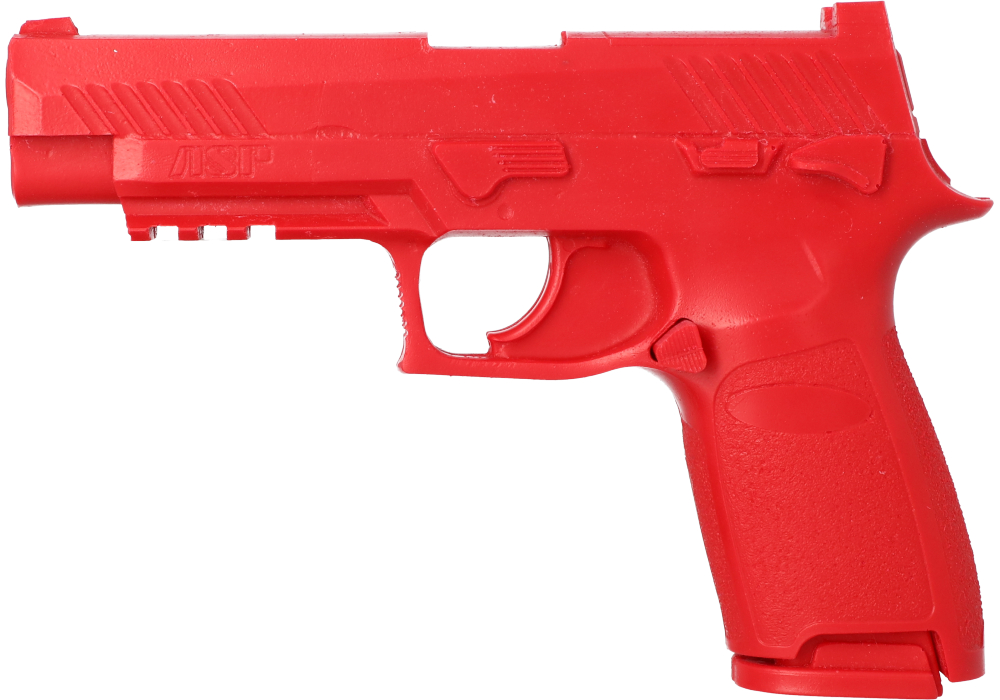
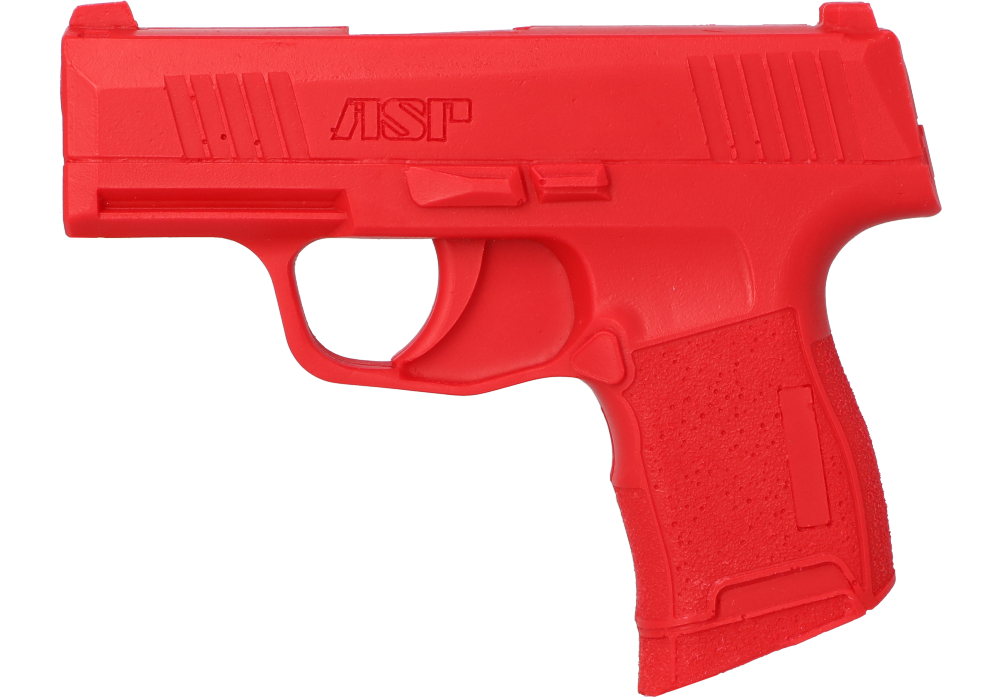
Firearms for summer training bring together practical range use, comfortable handling, and materials suited to heat, humidity, and repeated exposure to perspiration. A useful training firearm fits both the shooter and the setting, whether that means an outdoor range with covered benches, an indoor lane, or a supervised fundamentals course. Lightweight frames can ease the burden of transporting equipment and handling it throughout a session, while a heavier firearm may feel steadier and produce a less abrupt recoil sensation. Neither characteristic determines the best choice on its own. Grip dimensions, overall balance, control placement, and the intended use deserve equal attention. For handguns, a comfortable fit allows the shooter to reach the controls without an awkward shift in hand position; grip texture should feel secure without creating uncomfortable pressure points. Very compact designs can be convenient for lawful everyday carry, but their shorter grips and lower weight may feel less comfortable during extended practice than larger configurations. A training handgun that shares the dimensions and controls of an everyday firearm can support familiarity without requiring the smallest possible frame. For rifles, stock fit and overall weight influence comfort at the bench and during supervised range activities. Eye protection, hearing protection, and normal range clothing also affect how a firearm feels in use, so fit is more than a measurement on a specification sheet. Summer range visits often involve bright light, warm surfaces, and hands damp with perspiration, which makes clear sight visibility and a comfortable, secure grip particularly relevant. A firearm intended for repeated practice should suit the shooter’s experience, physical comfort, and willingness to maintain it. New owners may value straightforward controls and accessible manufacturer documentation, while experienced recreational shooters may prioritize familiar handling and consistency across their range equipment. The most useful starting point is a clear purpose: introductory instruction, regular target practice, organized recreational shooting, or continued familiarity with a legally owned firearm.
Materials and finishes help distinguish firearms intended for frequent summer range use, but each material brings tradeoffs rather than a universal advantage. Polymer frames generally contribute less weight, while aluminum alloy and steel components offer different balances of mass, rigidity, and feel. Frame material alone does not establish durability; construction, surface treatment, maintenance, and use all matter. Stainless steel and corrosion-resistant finishes can help limit the effects of moisture, although no finish eliminates the need for inspection and care. Perspiration can leave salts on exposed metal, and humid air can encourage corrosion when equipment remains enclosed without adequate drying. Areas touched repeatedly, including controls and grip-adjacent surfaces, deserve attention after a range visit. Texture matters as much as appearance: a pronounced grip pattern may feel reassuring in damp hands yet become abrasive over a long session, while a smoother surface may be more comfortable but feel less secure to some shooters. The balance is personal and should be evaluated through safe handling, ideally with help from a qualified instructor or knowledgeable retailer. Sight systems also warrant consideration in bright outdoor conditions. Clear markings, usable contrast, and a sight picture that works with the shooter’s vision are more meaningful than appearance alone. Any optical sight requires a compatible mounting arrangement and care consistent with its manufacturer’s instructions. Ammunition compatibility is equally important: the correct cartridge designation must match the firearm, and manufacturer restrictions should govern its use. Recoil comfort varies with firearm weight, dimensions, ammunition, and the individual shooter, so a familiar cartridge does not guarantee the same experience across different firearms. For rifle owners assembling compatible range equipment, AR 15 Magazines For Summer Firearm Training offers a related category to consider alongside firearm selection. Magazine fit, firearm compatibility, and compliance with applicable laws remain essential. Accessories should support the firearm’s intended role without adding unnecessary complexity, particularly when the primary goal is comfortable, repeatable recreational practice rather than a specialized configuration.
Care and storage are part of owning a summer training firearm, especially when range sessions involve dust, sunscreen, perspiration, and the trip home in a padded case. A soft case can protect surfaces from scuffs during transport, but damp padding is not a suitable long-term storage environment. After use, inspection and maintenance should follow the firearm manufacturer’s directions, including guidance on cleaning products, lubrication, and finish compatibility. More lubricant is not automatically better; excess can retain debris, and some chemicals can affect polymer, wood, coatings, or optical surfaces. A clean exterior also makes it easier to notice changes such as unusual wear or corrosion. Firearms should be unloaded before cleaning, with ammunition kept away from the maintenance area, and concerns about damage or function should be evaluated by a qualified professional. Secure storage that prevents unauthorized access remains essential between range visits, with ammunition secured separately and all applicable requirements observed. Summer conditions also influence the surrounding equipment: protective cases, eye protection, hearing protection, and suitable clothing should be considered part of the range setup rather than afterthoughts. A firearm left in direct sunlight can become uncomfortable to touch, and a long session can feel very different from a brief fitting at a counter. Shade, hydration, and sensible breaks help keep the outing focused on safe participation. These practical details matter for a first-time owner attending instruction, a recreational shooter returning to regular practice, or a household maintaining familiarity with its securely stored firearms. For an experienced enthusiast considering a firearm as a gift, personal fit and the recipient’s preferences are particularly important, as are eligibility, lawful transfer procedures, and secure storage arrangements. A selection based only on size or appearance can miss the qualities that determine everyday satisfaction. Comfortable reach, manageable weight, appropriate materials, compatible equipment, and straightforward care tend to matter long after the first range visit. Firearms suited to summer training are those that bring these characteristics together for the individual owner, supporting responsible use and a range routine that remains practical over time.