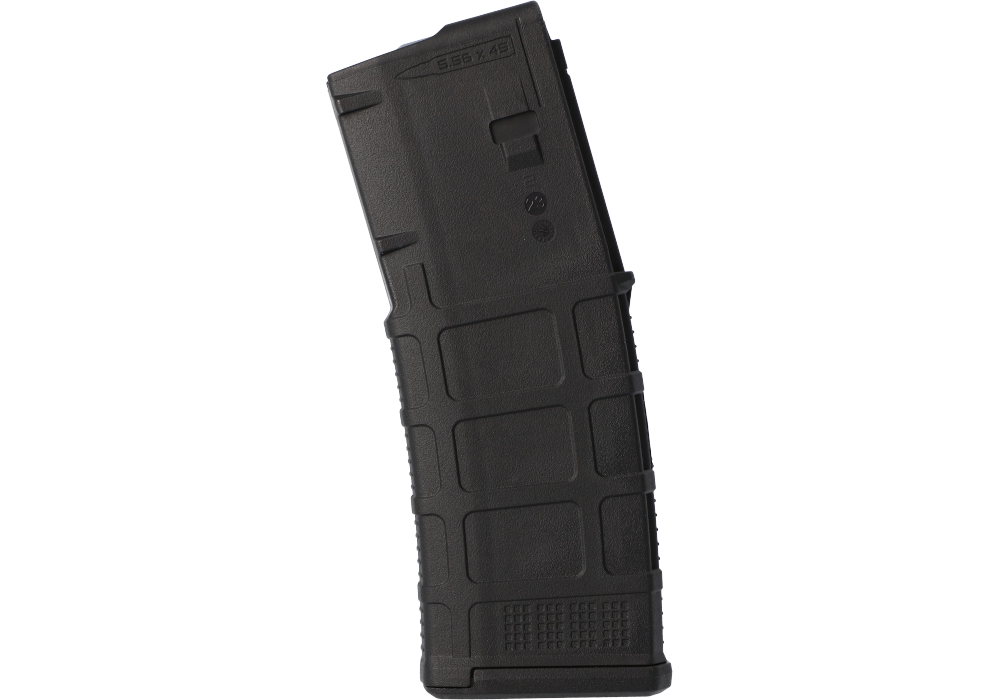
AR-15 magazines for summer firearm training are detachable magazines intended for compatible rifles used in recreational target shooting, supervised instruction, and organized range sessions. The most important considerations are caliber compatibility, firearm fit, construction, and condition—not simply whether a magazine has a familiar exterior shape. AR-pattern firearms span several chamberings and configurations, so the firearm manufacturer’s specifications and the magazine’s stated application should agree. Magazines intended for 5.56 NATO/.223 Remington, .300 Blackout, or pistol-caliber platforms should not be assumed interchangeable based on appearance, and ammunition for different chamberings should remain clearly identified and separated. Within the correct category, materials help distinguish how a magazine feels, handles, and stands up to regular use. Polymer bodies often offer relatively low weight, molded gripping surfaces, and resistance to corrosion on the body itself. Metal bodies commonly use aluminum or steel and offer different combinations of weight, rigidity, and surface finish. Neither material tells the whole story: feed-lip condition, follower movement, spring condition, and manufacturing consistency also matter. Summer range environments give these details practical relevance. Fine dust can settle across a shooting bench, perspiration can leave moisture on handled equipment, and direct sunlight can heat exposed surfaces. A magazine that is comfortable to handle, easy to identify, and straightforward to maintain fits naturally into that setting. Overall length deserves attention, too, particularly for shooters using a bench, rifle rest, or range bag with fitted compartments. A longer body can affect clearance beneath the rifle or occupy more space in a pouch, while a shorter profile may suit a compact equipment layout. The right choice depends on the firearm, the range’s rules, applicable legal restrictions, and the type of instruction planned. Clear compatibility information is more useful than broad claims that a magazine fits every AR-style rifle, especially when preparing equipment for a class with specific requirements.
Durability matters most when it supports consistent, uneventful use over repeated range visits. A magazine may spend part of a summer training day in a shaded bag, another part on a dusty bench, and the trip home beside damp gloves or a perspiration-soaked towel. Those ordinary conditions make protective finishes, sound construction, and sensible care relevant shopping considerations. Textured polymer can provide a more secure hold with damp hands, although aggressive texture may feel different against bare skin or fabric. Metal finishes vary in feel and resistance to wear, and exposed steel components still deserve attention even when the magazine body itself is polymer or aluminum. Visible cracks, distorted feed lips, significant dents, or corrosion are reasons to stop using a magazine and consult its manufacturer rather than treating damage as merely cosmetic. Inspection is also an opportunity to notice grit, moisture, or other contamination before equipment returns to storage. Cleaning should follow the manufacturer’s directions, including guidance about compatible solvents, lubrication, and whether disassembly is appropriate. More lubricant is not automatically better; unnecessary residue can collect debris, while unsuitable chemicals may affect certain materials or finishes. After a humid outing or an unexpected summer shower, equipment should be dry before it goes into an enclosed case. Leaving magazines loose beneath other gear can also expose them to unnecessary impact or contamination. A dedicated compartment or suitable protective storage keeps equipment organized without turning a range bag into a pile of loose accessories. Identification helps as well. A manufacturer-approved marking method can distinguish otherwise similar magazines and make it easier to recognize one associated with a recurring problem. Any concern about function belongs with a qualified instructor, gunsmith, or the manufacturer. These are practical ownership considerations rather than reasons to chase elaborate features: durable magazines should suit the firearm, tolerate ordinary handling, and remain manageable to inspect and care for between outings.
Summer firearm training can mean an introductory class at a local outdoor range, a scheduled marksmanship course, or a recreational target session with an experienced companion. Each setting puts slightly different demands on equipment without changing the essentials of compatibility and responsible handling. A newer shooter may benefit most from clear caliber identification, manageable dimensions, and uncomplicated care requirements. Someone who attends classes regularly may pay closer attention to consistency across their equipment, how magazines fit existing storage, and whether surfaces remain comfortable through a long day of handling. For bench-based practice, clearance around rests and bags may matter more than an aggressively textured exterior. For a course with an equipment list, the instructor’s requirements should take priority over assumptions about what usually works at another range. Bringing compatible, inspected equipment helps keep attention on instruction instead of avoidable equipment questions. The considerations behind AR 15 Magazines For Outdoor Shooting also apply to summer training: appropriate fit, practical dimensions, and care suited to outdoor exposure. Sun, airborne dust, and moisture are reasons to think about materials and storage, not to assume that any magazine is immune to wear. Range rules and local laws should also be checked before selecting equipment, since requirements can differ between locations and organized events. As a gift for a lawful firearm owner, an AR-15 magazine calls for more homework than a general-purpose range accessory. The recipient’s exact firearm configuration, intended ammunition, preferences, and legal eligibility all matter; a similar-looking magazine is not a reliable substitute for confirmed compatibility. Manufacturer documentation offers a useful starting point when those details are uncertain. Whether selected for personal use or as a carefully researched gift, the most useful magazines are those that match the actual firearm and its intended setting. Sound materials, identifiable specifications, comfortable handling, and realistic maintenance needs provide a stronger basis for selection than appearance alone, helping build an orderly equipment setup for summer range days.