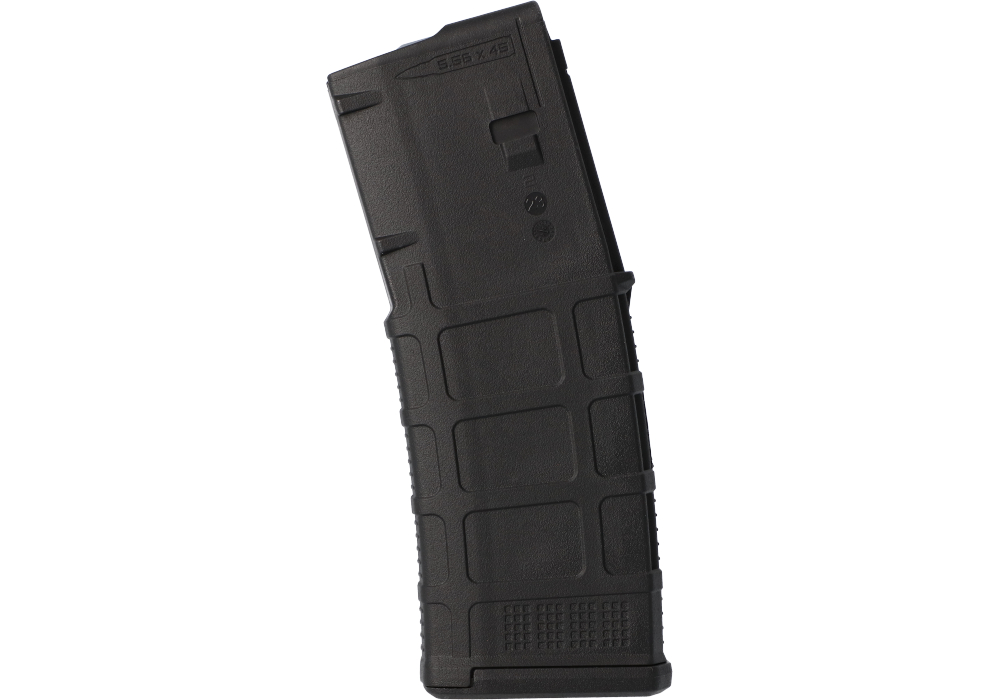
AR-15 magazines are essential range equipment for recreational shooters, competitors, hunters, instructors, and anyone who keeps a properly configured rifle ready for practice. For summer shooting, the right magazine should match the rifle’s chambering, receiver compatibility, intended use, and applicable capacity restrictions. Most AR-15-style rifles use magazines designed for .223 Remington and 5.56 NATO, while other configurations may require magazines made for different cartridges and feed geometry. Confirm the caliber marked on the rifle and select magazines specifically designed for that cartridge rather than assuming that every AR-15 magazine will function interchangeably. Standard-capacity magazines are a practical choice for general range practice, training sessions, and transport in a compact range bag, while extended-capacity options may reduce reload frequency where legally permitted and appropriate for the activity. Magazine construction is another important consideration. Polymer bodies are lightweight, resistant to surface corrosion, and easy to handle during repeated loading and unloading. Metal magazines offer a slim profile, firm body structure, and familiar handling characteristics. Hybrid designs may combine a polymer body with reinforced feed lips or other metal components, providing a balance of weight, durability, and visual round identification. Whichever construction you choose, look for a secure floorplate, a properly supported follower, consistent feed-lip dimensions, and a spring that returns the follower smoothly without hesitation. These details matter during a long day outside, when dust, heat, perspiration, and frequent handling can expose weaknesses that are less noticeable during a quick indoor function check.
Summer range conditions can be demanding on magazines even when the rifle itself is running well. Direct sunlight can raise the temperature of equipment inside a vehicle or on a shooting bench, so loaded magazines are best kept in a shaded, ventilated range bag rather than left on a dark seat or dashboard. Extended exposure to intense heat may affect polymer components over time, particularly if a magazine is stored under pressure in an overheated space. A simple routine helps preserve reliable performance: keep magazines out of standing dirt, wipe away loose grit before loading, and inspect the feed lips and follower whenever a magazine has been dropped onto gravel or packed soil. Fine sand can work its way inside and slow follower movement, while grass, dust, and powder residue may collect around the feed area. If a magazine becomes dirty, unload it safely, disassemble it according to the manufacturer’s instructions, and clean the body, spring, and follower with appropriate tools and materials. Avoid leaving excess oil inside the magazine because lubricant can attract abrasive debris and create a paste that interferes with feeding. Check steel springs for rust, distortion, or reduced tension, especially after humid outings or exposure to sweat and rain. The floorplate should remain fully seated, and the magazine should lock into the rifle with a positive click, release cleanly, and drop free when the rifle is designed to do so. A useful habit is to mark magazines with a small identifying number and rotate them during practice. That makes it easier to recognize a magazine that needs attention instead of trying to diagnose a feeding issue after several have been used interchangeably. Shooters who spend time at public ranges, private property, training courses, or outdoor competitions may also appreciate magazines with contrasting colors, witness holes, or translucent sections that make remaining ammunition easier to identify at a glance. For additional options suited to time spent beyond the bench, browse AR 15 Magazines For Outdoor Shooting.
Choosing AR-15 magazines can also be a thoughtful gift for a recreational shooter, new rifle owner, range partner, or experienced enthusiast who regularly trains outdoors. Magazines are practical accessories that see frequent use, and having several dependable options allows a shooter to spend more time practicing and less time stopping to reload or search for misplaced equipment. A gift buyer should confirm the recipient’s rifle caliber, preferred magazine material, and local rules before making a selection. A shooter who carries equipment over uneven ground may value lightweight polymer magazines, while someone who trains from a bench or runs structured drills may prefer the compact feel and rigid profile of metal construction. Those who shoot in changing weather may favor magazines with corrosion-resistant components and clearly visible witness marks. It is also worth considering how the magazines will be transported: a low-profile design can fit neatly into a dedicated pouch, while a more robust floorplate may be useful for handling with gloves or retrieving a magazine from a crowded bag. During the warmer part of the year, outdoor sessions often involve bright sun, dry grass, dusty trails, and repeated transitions between a vehicle, a staging area, and the firing line. As cooler months arrive, the same magazines may encounter damp benches, muddy ground, and condensation from moving between heated storage and cold air, making basic inspection and dry storage just as important. Keep magazines unloaded when required by law or range policy, transport them in a secure case or bag, and follow all applicable federal, state, and local regulations governing possession, transport, and magazine capacity. Before relying on any magazine for a training session or other serious use, function-check it with the intended rifle and ammunition under safe, controlled conditions. Proper fit, clean components, sound springs, and careful storage all contribute to dependable service, whether the goal is a relaxed afternoon of target practice, a formal class, or regular preparation with an AR-15-style rifle.