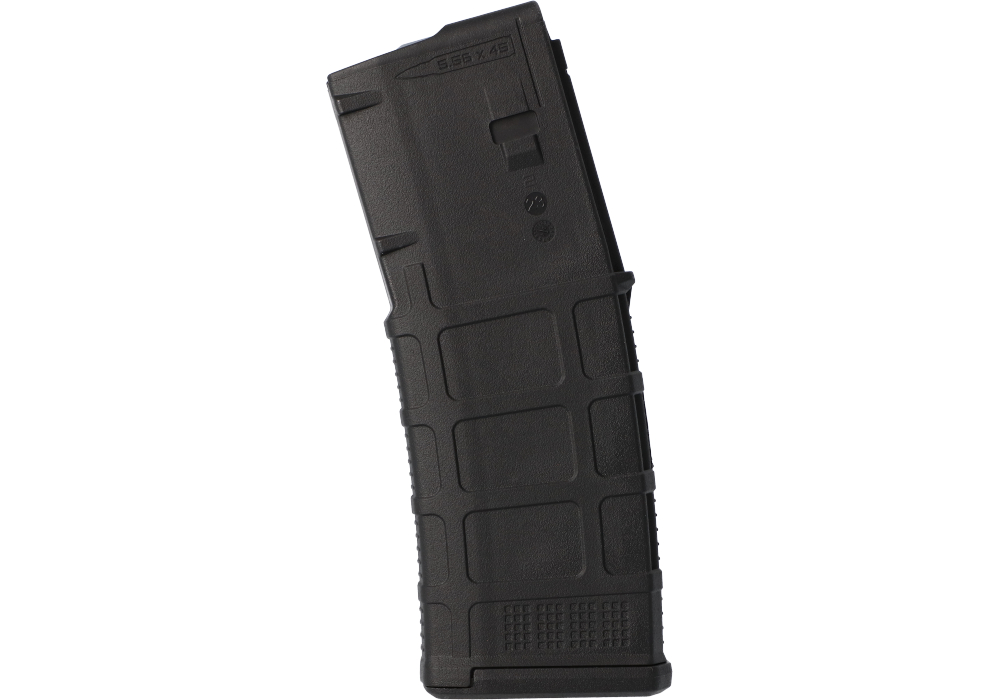
AR 15 magazines for outdoor shooting should be selected with the same attention given to eye protection, hearing protection, ammunition, and the conditions where the rifle will be used. A magazine is more than a container for cartridges; it is a working part of the rifle’s feeding system, and its fit, construction, follower design, and spring tension can all affect the experience on the range or in the field. For general outdoor target practice, training, and recreational shooting, a standard 30-round magazine is a familiar choice that offers a practical balance between handling and time spent reloading. A 20-round magazine may be more comfortable when shooting from a bench, pack, or prone position, where a shorter body can rest more naturally against a shooting bag or the ground. Extended-capacity options may suit structured training or competition settings where permitted, while compact magazines can be useful when a lower profile matters. Magazine capacity and ownership requirements vary by state and locality, so buyers should review all applicable laws before ordering or using these products. The products listed in this collection are intended for compatible AR-15-pattern platforms, but compatibility should always be confirmed with the rifle manufacturer and the magazine specifications before purchase. For a broader selection of fitments, materials, and capacities, explore AR 15 Magazines.
Outdoor shooting exposes equipment to conditions that are less predictable than a climate-controlled range. Magazines may be carried in a chest rig, belt pouch, range bag, or pack; set on a dusty bench; brushed against wet grass; or dropped onto gravel while changing positions. Polymer magazines are valued for their light weight and resistance to dents, making them a sensible option for anyone who spends long hours moving between firing points or carrying several loaded magazines. Metal magazines offer a slim profile and a traditional feel, and their smooth exterior can move easily in many pouches and magazine carriers. Hybrid designs combine characteristics of both materials, often pairing a lightweight body with reinforced feed lips for additional durability. The feed lips should hold cartridges securely without interfering with smooth presentation, while an anti-tilt follower helps keep the cartridge stack aligned as the magazine cycles. Strong springs, consistent internal geometry, and a secure floorplate also matter, particularly when magazines are loaded, unloaded, and handled repeatedly during training. Visible windows or witness holes can make it easier to check remaining ammunition at a glance, while a plain exterior may provide space for paint marks, tape, or other personal identification. In cooler months, gloves and heavier clothing can make magazine changes feel different than they do in warm weather, so an easy-to-grip body and clearly defined baseplate can be welcome details. Buyers comparing AR 15 Magazines For Outdoor Shooting may also want to consider corrosion resistance, cleaning access, pouch compatibility, and whether the magazine remains easy to manipulate from a bench, standing position, or field-ready kneeling position.
These magazines can serve a wide range of outdoor shooters, from someone setting up paper targets on a quiet afternoon to experienced rifle owners practicing controlled drills across multiple distances. A new rifle owner may appreciate a dependable magazine that is straightforward to load, inspect, and maintain, while an established shooter may be looking for additional magazines to organize different ammunition types or keep a training session moving efficiently. They can also make a practical gift for a responsible adult who already owns a compatible rifle, especially when the recipient spends time at outdoor ranges, participates in recreational shooting, or maintains a dedicated range bag. Since fit and capacity preferences are personal, gift buyers should verify the rifle pattern, local regulations, and the recipient’s preferred magazine size before choosing. Care is simple but worthwhile: remove ammunition before inspection, follow the firearm manufacturer’s safety instructions, keep magazines free of excessive dirt and moisture, and check the body, feed lips, follower, spring, and floorplate for damage after hard use. Storing magazines in a dry, organized case helps prevent confusion at the range and makes it easier to identify a preferred setup before heading outdoors. Whether the day brings bright autumn light, damp ground, or crisp winter air, the right AR 15 magazine can make loading, carrying, and shooting feel more consistent from the first round to the last.