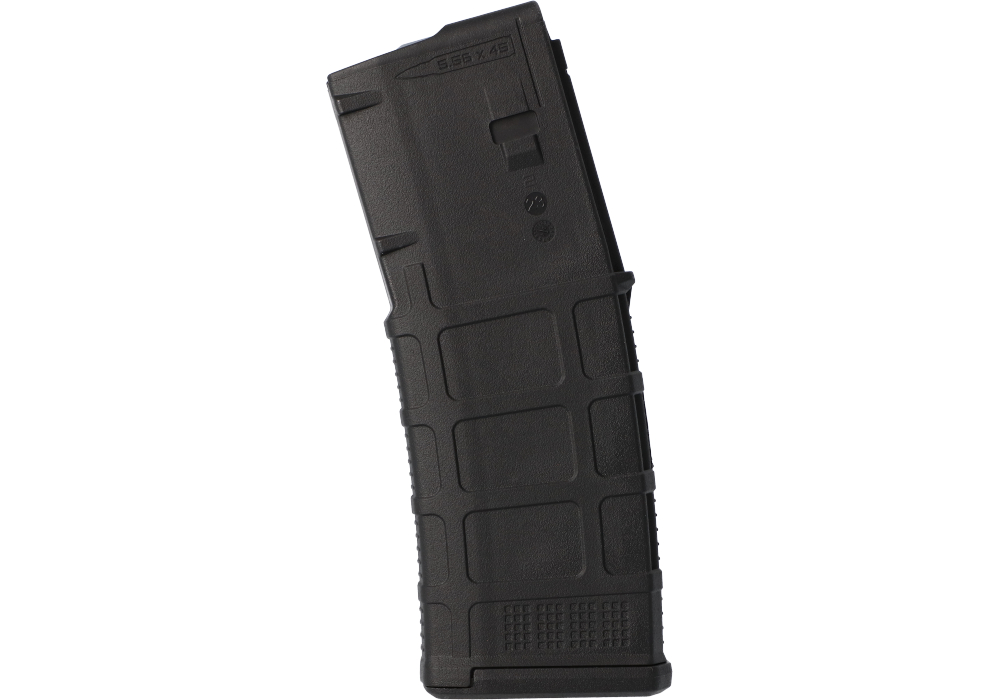
AR-15 magazines are an important part of a well-organized rifle setup, whether the goal is range practice, responsible ownership, competition, training, or keeping a rifle ready for lawful recreational use. Although magazines may look straightforward, small differences in dimensions, materials, spring tension, follower design, and overall construction can have a noticeable effect on loading, handling, and reliability. Start by confirming that a magazine is intended for the exact cartridge and AR-15 configuration you use. Common rifle setups may require different magazine patterns, and a magazine designed for one cartridge should never be assumed to work safely with another. It is also worth checking the rifle’s manufacturer recommendations, especially when purchasing for a newer platform or a less common chambering. Capacity is another practical consideration. Standard-capacity magazines are often easy to organize and carry during a day at the range, while extended-capacity options may reduce the number of reloads during structured practice or competition where they are permitted. Laws vary by state and locality, and restrictions may apply to magazine capacity, possession, transportation, or purchase, so review the rules in your area before ordering or giving a magazine as a gift. For many owners, a thoughtful magazine purchase is less about adding more gear and more about building a dependable rotation: a few reserved for practice, several kept clean and ready for regular use, and others stored as replacements. A magazine can also be a useful gift for a qualified adult who already owns a compatible AR-15, particularly when the giver confirms the recipient’s cartridge, rifle configuration, and local requirements in advance. During the warmer months, magazines may be used during outdoor range sessions, field practice, or organized matches; as the weather turns cooler, they can remain useful for indoor training and routine equipment checks. No matter the season, careful selection helps ensure that the magazine fits the rifle, supports consistent operation, and suits the way the owner actually spends time behind the firearm.
Construction and maintenance deserve equal attention. Polymer magazines can be valued for their light weight and resistance to certain types of surface wear, while metal magazines may appeal to owners who prefer a more traditional feel and rigid body. Neither material is automatically right for every rifle or shooter, so consider how the magazine fits the magwell, how positively it locks into place, and whether it drops free when released. A smooth, controlled loading motion is preferable to forcing rounds into a magazine that feels unusually tight or uneven. Examine the feed lips, body, baseplate, spring, and follower before use, looking for cracks, distortion, excessive corrosion, or other damage. Dirt and grit can collect around the magazine opening and follower, especially after a day outdoors, so basic cleaning and inspection can help preserve reliable function. Avoid storing magazines where they may be crushed, exposed to excessive heat, or left in damp conditions for long periods. Marking magazines with a simple number or color identifier can make it easier to notice when one needs attention without confusing it with another during routine maintenance. If a magazine repeatedly causes feeding issues while others function properly in the same rifle, set it aside for inspection rather than assuming the problem will correct itself. Function checks should always take place in a safe environment with the firearm unloaded until you are ready to follow an appropriate range procedure, and all handling should follow the owner’s manual and applicable safety rules. For shoppers comparing options, the High Performance AR15 Magazines selection can be a useful place to review magazines intended for dependable fit, handling, and repeated use. Think about the details that matter in your routine: how many magazines you comfortably carry, whether the baseplate is easy to remove for cleaning, how the texture feels with wet or gloved hands, and whether the magazine can be stored neatly with the rest of your equipment. A carefully chosen set supports calm preparation, organized range time, and responsible long-term ownership.