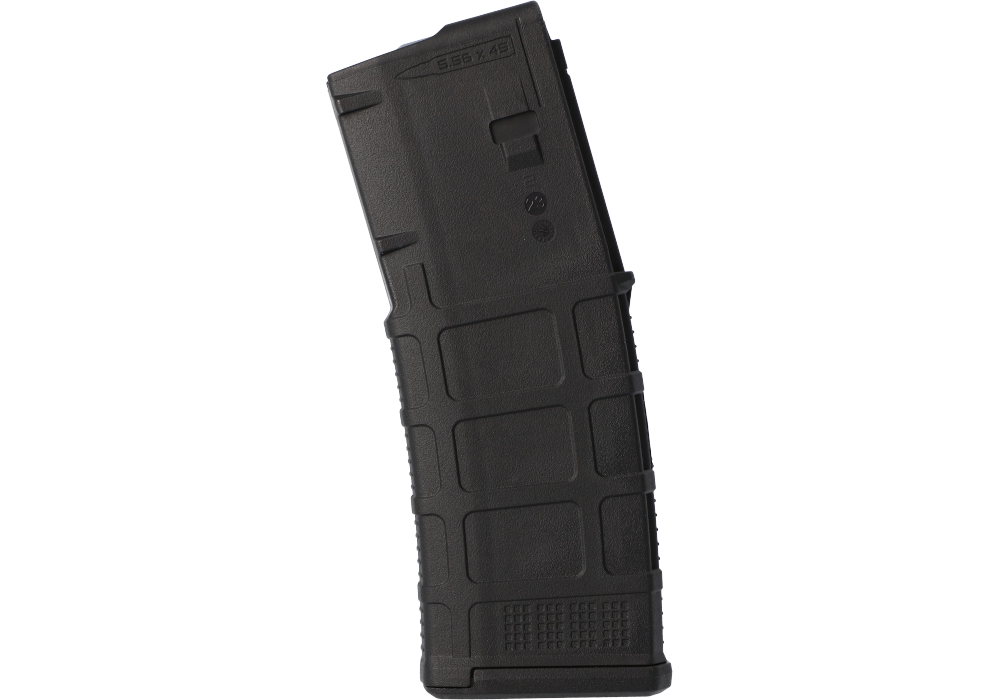
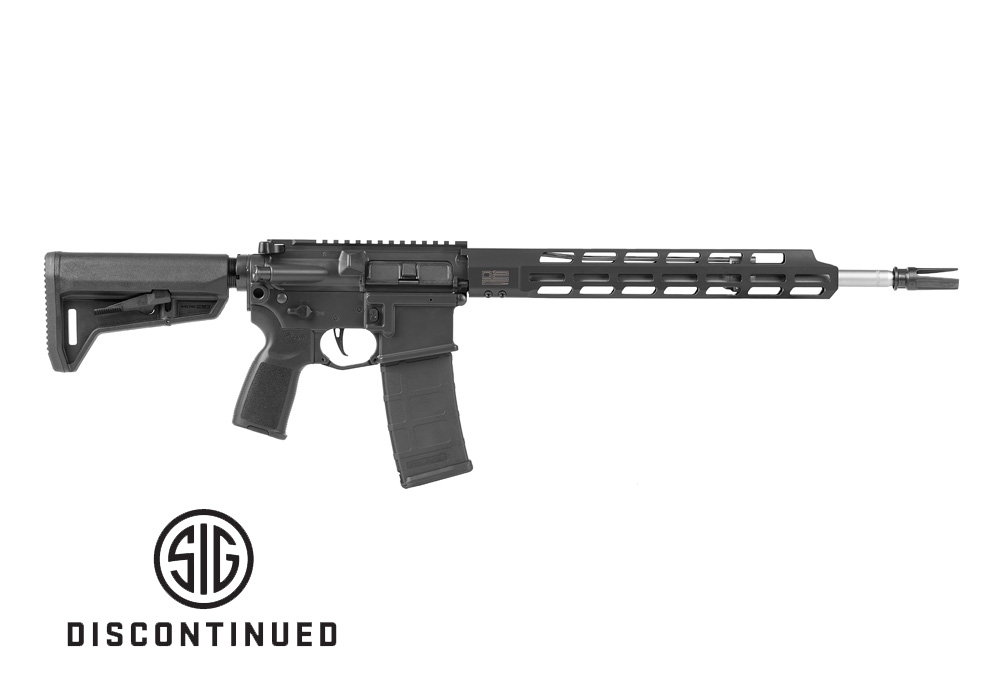
High performance AR15 magazines are a practical part of a well-organized rifle setup, supporting consistent feeding, smooth handling, and confidence through a broad range of shooting activities. The right magazine begins with caliber compatibility: many AR-15 platforms use .223 Remington or 5.56 NATO, while others are configured for cartridges such as .300 Blackout, 6.5 Grendel, or 7.62x39mm. A magazine designed for one cartridge may not function correctly with another, even when the exterior dimensions look similar, so confirm the chambering and rifle specifications before placing an order. It is also helpful to consider the intended role of the rifle. A range shooter may value easy loading, clear markings, and a familiar profile for practice sessions, while a hunter or precision-focused shooter may prefer a compact magazine that rests neatly against a bench, pack, or shooting surface. For training, competition, preparedness, or routine maintenance, keeping several compatible magazines on hand can make time at the range more organized and efficient. Explore the full selection of AR 15 Magazines to compare options by caliber, construction, size, and intended use.
Construction is one of the most important points to review when comparing AR15 magazines. Polymer bodies are valued for their light weight, textured surfaces, and resistance to many forms of routine wear, making them comfortable to carry in a range bag or load-bearing setup. Metal magazines offer a different feel, with a slim profile and rigid construction that many shooters appreciate during intensive training. Some designs combine a polymer body with reinforced feed lips, while others use steel or aluminum throughout; each approach can suit a different preference for weight, visibility, and long-term service. Internal geometry deserves equal attention. A constant-curve interior can help cartridges travel smoothly toward the feed lips, while a well-shaped follower helps reduce tilt and supports consistent presentation of each round. Strong feed lips, a secure floorplate, and a spring with dependable tension all contribute to reliable function. Windowed designs provide a quick visual reference for the remaining rounds, whereas solid-body versions keep the exterior simple and uniform. Standard and extended magazine sizes can both have a place in a collection: standard sizes often balance handling and storage, while extended options can reduce the frequency of reloads during structured practice. Select the size permitted by local law and appropriate for the rifle, training environment, and storage method.
A thoughtful magazine selection can also be a useful gift for a recreational shooter, competitive participant, or new rifle owner, especially when the recipient already has a compatible AR-15 and a clear preference for caliber or construction. Before giving magazines as a present, verify the recipient’s chambering, preferred body material, and local regulations, since magazine rules vary by jurisdiction and may affect available sizes. For personal use, inspect each magazine before loading it: check the body for cracks or deformation, confirm that the floorplate is secure, and look at the feed lips for signs of bending or excessive wear. It is wise to label magazines by caliber and dedicate them to the correct platform, particularly in a collection that includes .223/5.56 and .300 Blackout. During cooler months, a reliable magazine can be especially welcome at an outdoor range, where cold hands and bulky layers make simple controls and positive handling more valuable. Store magazines unloaded in a dry location when they are not in use, keep dirt and grit away from the feed path, and follow the rifle and magazine manufacturer’s care instructions. With the right match between cartridge, rifle, magazine design, and intended use, these essential accessories can support calm, repeatable handling from the first loading drill to the final round of a long practice session.