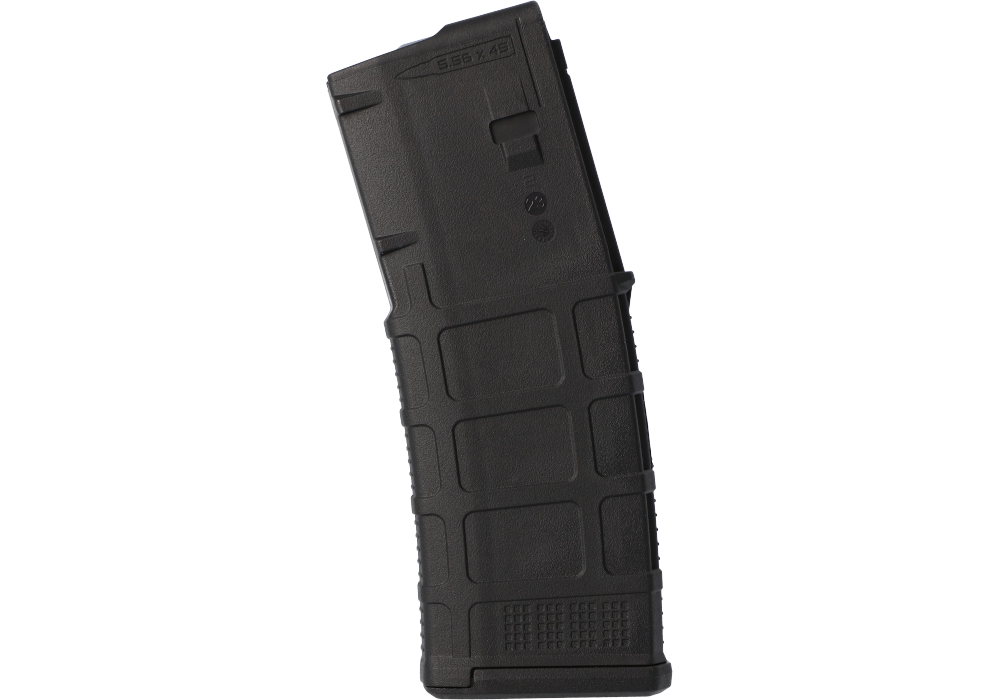
Choosing the right 30 round AR15 magazine starts with confirming that it matches both your rifle and your intended cartridge. Many AR-15 platforms are chambered in .223 Remington or 5.56 NATO, and magazines designed for those cartridges are widely used for target shooting, training, competition, collection maintenance, and lawful recreational use. However, not every AR-pattern firearm uses the same magazine. Rifles chambered in .300 Blackout, 7.62x39mm, 6.5 Grendel, 6mm ARC, 9mm, and other cartridges may require magazines with different internal geometry, feed-lip dimensions, or follower designs. Always check the firearm manufacturer’s specifications and the magazine description before ordering, especially when using an upper receiver conversion or a less common chambering. A secure fit, consistent feeding, and reliable bolt lockback depend on proper compatibility. Shoppers comparing 30 Rd Magazines will typically find options intended for regular range sessions as well as choices suited to organized competition, training sessions, and maintaining a ready supply of compatible magazines at home. A standard 30-round format offers a practical balance between ammunition capacity and portability for many full-size modern sporting rifles, while extended capacity options may be subject to additional restrictions. Magazine capacity laws vary considerably by state and locality, and regulations can change, so verify the rules that apply where the magazine will be purchased, transported, stored, and used. In areas with limits, compliant 10/30 configurations or other restricted-capacity versions may be required. Responsible ownership also includes transporting firearms and magazines according to local law, storing them securely, and using them only in appropriate, lawful settings.
Construction is another important consideration when comparing 30 round AR15 magazines. Polymer magazines are generally lightweight, resistant to corrosion, and comfortable to carry in a range bag or magazine pouch. Textured surfaces can make them easier to grip with wet or gloved hands, while reinforced feed lips, a durable body, and a strong baseplate help them withstand the normal bumps and drops that occur during loading, unloading, and range practice. Aluminum magazines offer a traditional lightweight design and often stack neatly for organized storage. Steel magazines can provide a rigid, durable option, although their added weight may be noticeable when several are carried together. Material alone does not determine reliability; follower design, spring quality, feed-lip consistency, body dimensions, and baseplate construction all matter. Anti-tilt followers help the cartridge stack move smoothly, and a removable baseplate makes inspection and cleaning more convenient. Some magazines include witness holes or a viewing window so the user can check the approximate number of rounds remaining without removing the magazine. Others use a closed body for a simple, streamlined profile. Consider how the magazine feels during loading, whether it drops free from the rifle, and whether it inserts smoothly with the bolt open and closed. New magazines should be tested with the specific rifle and ammunition combination before being relied on for a class, match, hunting application where lawful, or extended range day. Inspect feed lips, the follower, spring, and body periodically, and replace any magazine that develops cracks, deformation, excessive wear, or inconsistent feeding. Keeping magazines clean and dry, avoiding unnecessary exposure to solvents, and storing them away from extreme heat can help preserve their service life. For long-term storage, label magazines by caliber or intended firearm so the correct option is easy to identify when several AR-pattern platforms are kept together.
Thirty-round AR15 magazines are commonly purchased by new rifle owners building a basic range setup, experienced shooters adding spares, instructors preparing equipment for a class, and collectors maintaining period-appropriate or configuration-specific gear. A few dependable magazines can simplify a day at the range by reducing interruptions for reloading, while a larger group allows one magazine to be used while others are being inspected, loaded, or set aside for cleaning. They can also be a practical gift for a legally eligible adult who owns a compatible rifle, particularly when the giver confirms the recipient’s caliber, preferred material, and local capacity requirements first. A magazine pouch, labeled storage case, or loading accessory can complement the gift, but compatibility remains more important than appearance. During the cooler months, when outdoor sessions may involve heavier clothing and gloves, a textured magazine body and an easy-to-operate baseplate can make handling more comfortable. At indoor ranges, a compact range bag with clearly separated magazines helps keep equipment organized and prevents a .223/5.56 magazine from being confused with one intended for another cartridge. Whether the goal is a first set of spares or a carefully selected group for regular practice, look for consistent construction, a positive fit, smooth feeding, and clear compatibility information. Review the product details for caliber designation, standard or extended capacity, material, follower style, witness features, and compliance notes before completing a purchase. Firearms and magazines should always be handled safely, kept inaccessible to unauthorized users, and used in accordance with applicable laws, range rules, and the firearm manufacturer’s instructions.