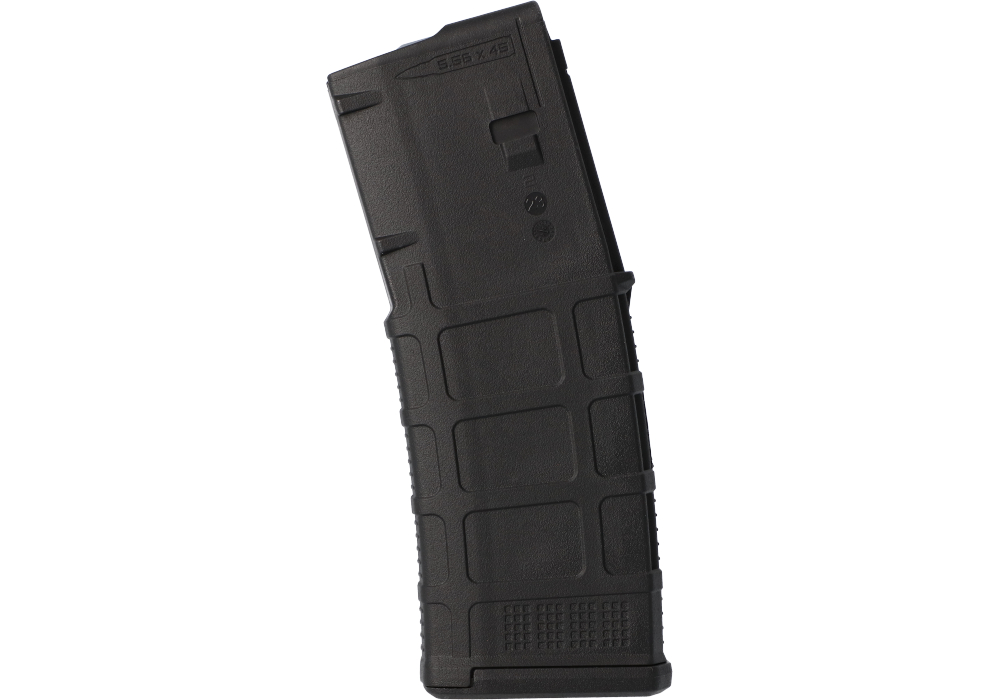
30 Round 5.56 NATO Magazines are a familiar choice for owners of compatible AR-pattern rifles and carbines chambered in 5.56x45mm NATO or .223 Remington. Often considered a standard-capacity magazine for these platforms, a 30-round format offers a practical balance between ammunition supply, overall size, and ease of handling. These magazines are commonly used for recreational range sessions, training, competition, preparedness, and maintaining a convenient reserve for a compatible firearm. The right magazine should seat securely, lock into place without excessive force, release cleanly, and feed cartridges consistently from the first round through the last. Compatibility deserves careful attention: even when two firearms appear similar, variations in magazine wells, release geometry, feed-ramp design, and ammunition preferences can affect performance. Before purchasing, confirm that the magazine is intended for your exact firearm platform and caliber, and review any manufacturer guidance regarding fit and use. A 5.56 NATO magazine will often accept .223 Remington ammunition, but ammunition and firearm compatibility should always be confirmed before loading or firing. For a straightforward way to compare available options, browse the selection of 30 Rd Magazines and use the product specifications to narrow the field by construction, capacity, and intended application.
Construction is one of the clearest differences among 30 Round 5.56 NATO Magazines. Lightweight aluminum magazines have a traditional profile and are easy to carry, stack, and organize in a range bag or storage container. Polymer magazines are valued for their durability, resistance to dents, and comfortable handling, while some designs use a translucent body or window that makes it easier to estimate the remaining ammunition without removing the magazine. Neither material is automatically right for every owner; the better choice depends on how the magazines will be stored, transported, and used. Look for a magazine body that feels rigid, a baseplate that can be removed for inspection and cleaning, and feed lips that remain properly shaped after repeated use. Internal components matter just as much. An anti-tilt follower helps keep cartridges aligned as they move upward, while a strong, corrosion-resistant spring supports reliable feeding over time. A smooth, properly fitted follower and consistent spring tension can be especially noticeable during longer range sessions, when magazines are loaded and unloaded repeatedly. Inspect magazines periodically for cracks, spreading feed lips, damaged locking tabs, unusual bulges, or sluggish follower movement. Dirt, unburned powder, and grit can collect inside a magazine after a day on an outdoor firing line, so basic maintenance and dry storage can help preserve dependable function. Avoid forcing a magazine into a firearm or continuing to use one that does not seat, lock, or feed normally; set it aside for inspection and follow the firearm and magazine manufacturer’s service recommendations.
These magazines may be useful for a first-time rifle owner building a carefully organized range setup, an experienced shooter replacing worn equipment, or a lawful adult who wants practical accessories for a compatible firearm. They can also be a thoughtful gift for a responsible firearm owner when the recipient’s rifle platform, caliber, and local regulations are known in advance. A small collection allows one magazine to remain in the firearm while others are available for loading, transport, or practice, reducing interruptions during a session and making it easier to keep equipment arranged. Many owners mark magazines with paint, labels, or discreet identification to distinguish training magazines from those reserved for storage, though any marking should remain clear of moving parts and important manufacturer information. During the cooler months, magazines carried between a vehicle, storage area, and outdoor range may be exposed to condensation as temperatures change, making a quick inspection and dry wipe worthwhile before storage. Keep magazines unloaded and secured according to applicable law and your own safety practices when they are not in use, and store ammunition separately where appropriate. Magazine regulations vary widely by state and municipality, and some jurisdictions restrict or prohibit magazines holding more than a specified number of rounds. Confirm the rules that apply to your location before ordering, receiving, transporting, gifting, or using a 30-round magazine. Reviewing fit, materials, internal components, maintenance needs, storage conditions, and legal requirements will help you choose an option suited to your firearm and the way you intend to use it.