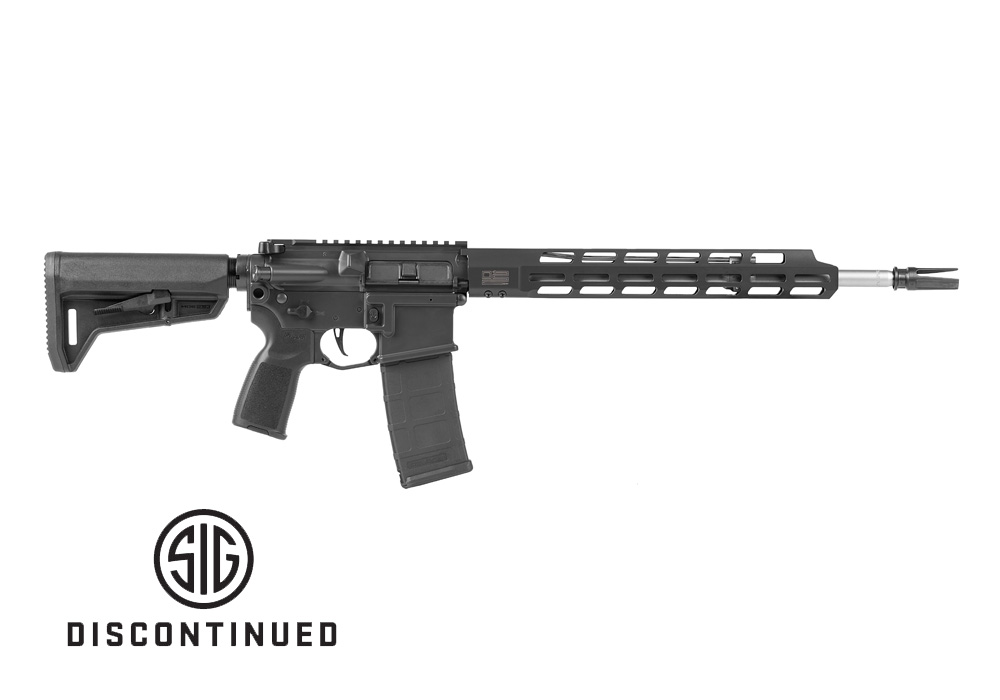
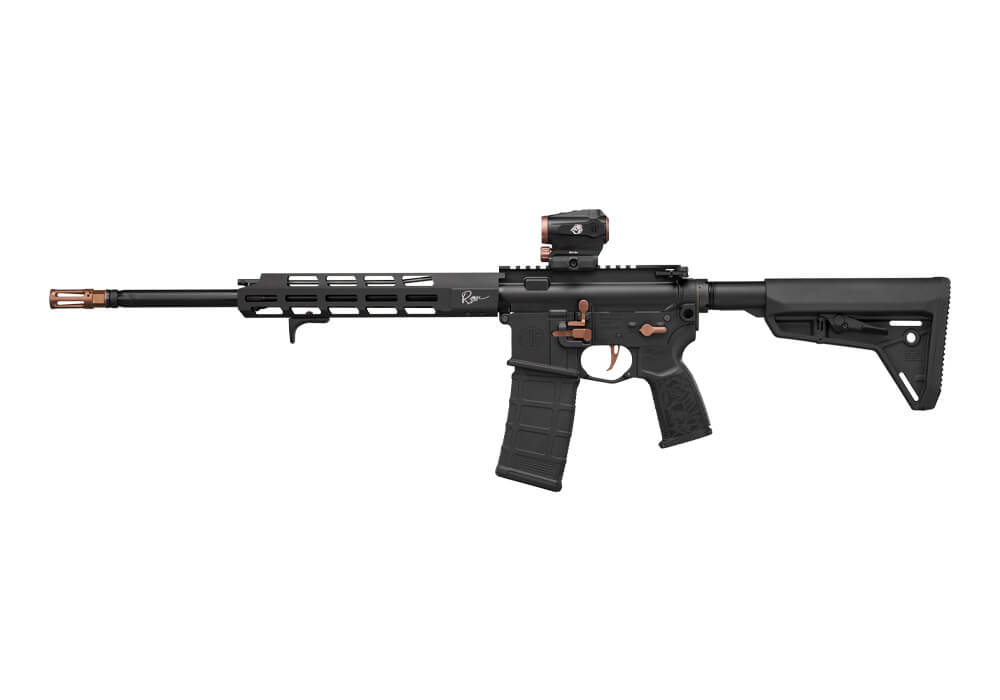
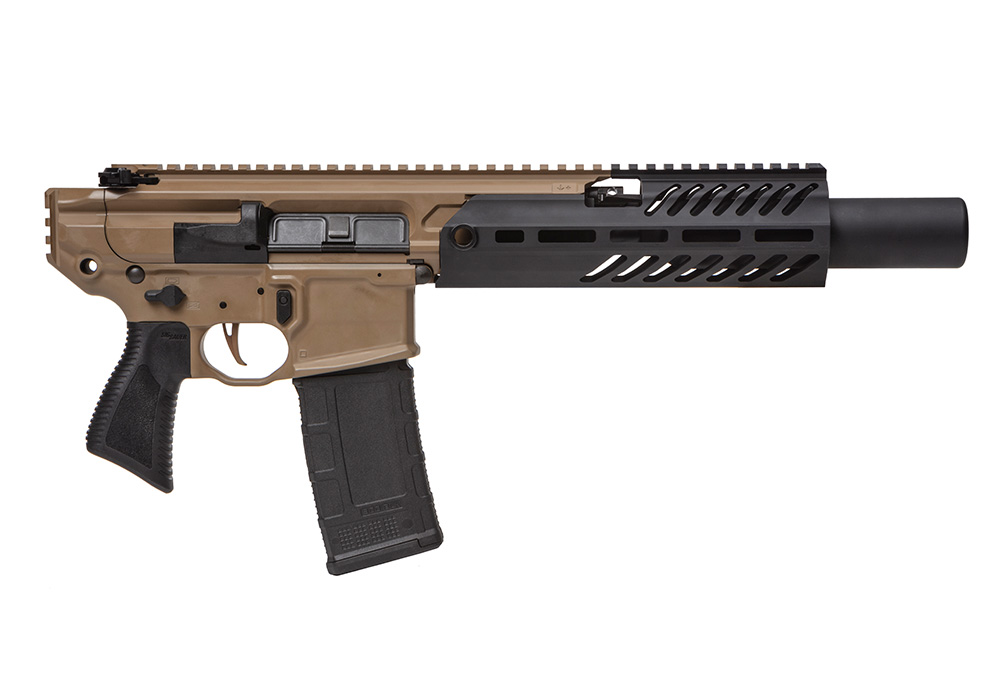
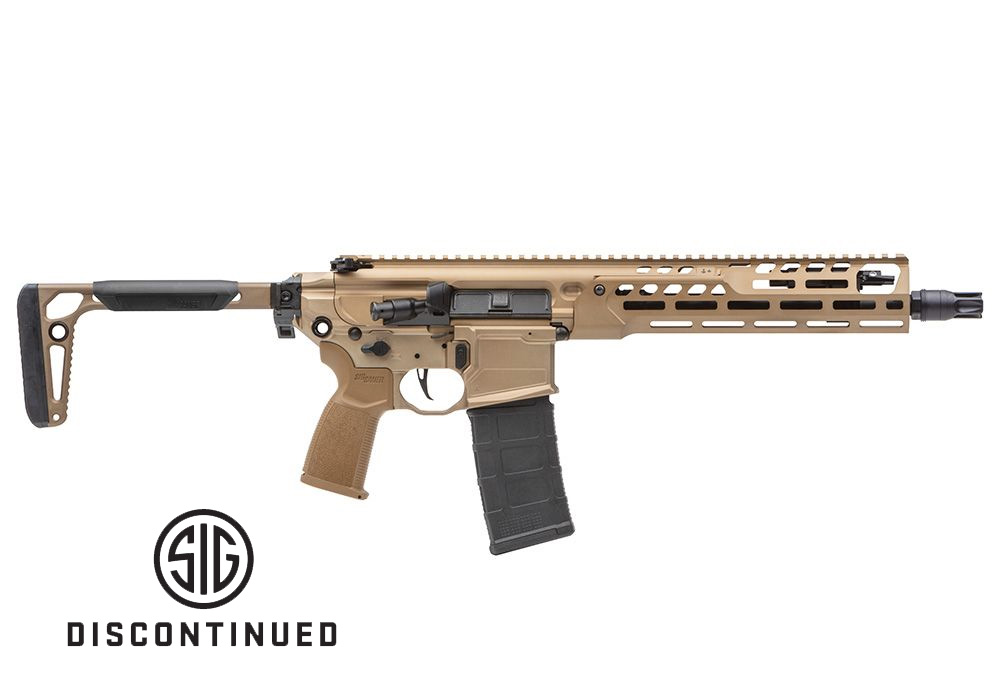
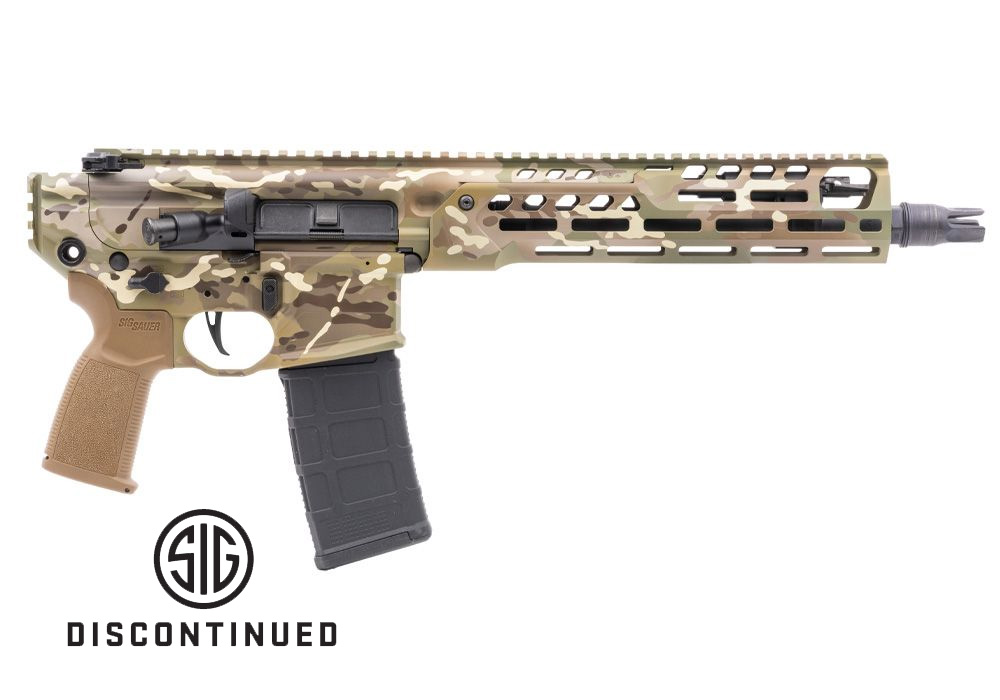
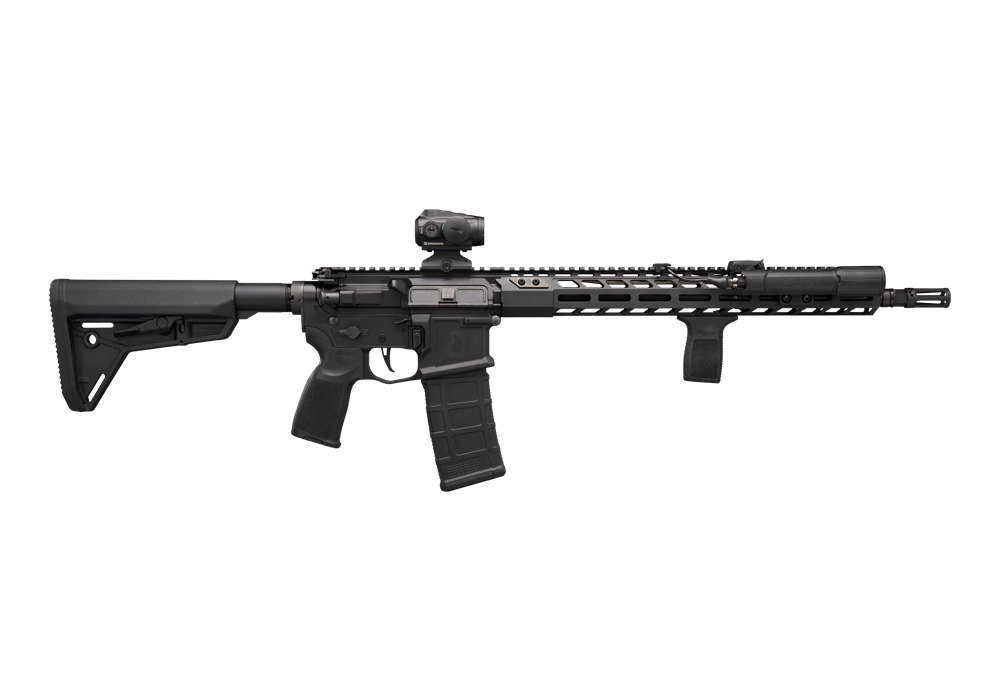
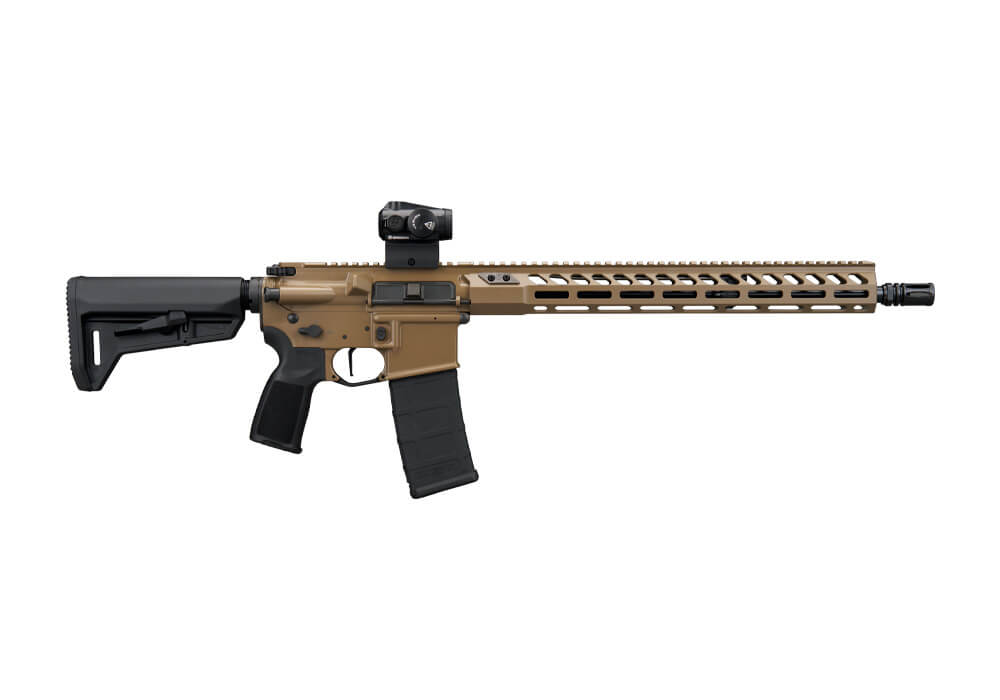
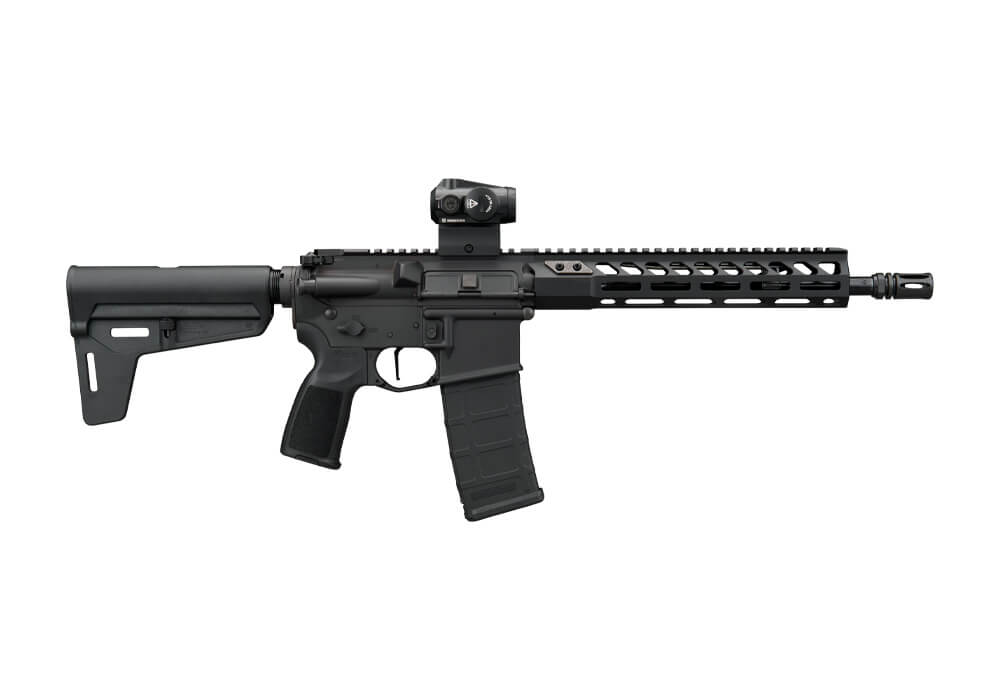
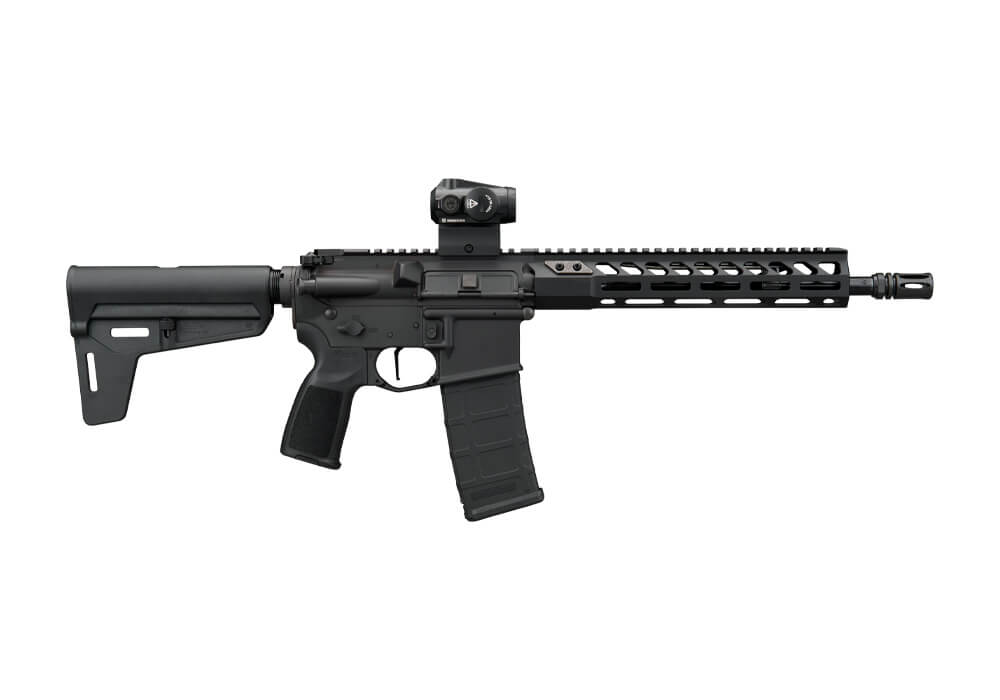
5.56 NATO rifles with 30-round magazines pair a widely recognized rifle chambering with a familiar magazine format for recreational target shooting, structured training, and certain competitive shooting disciplines. A 30-round magazine holds 30 cartridges, although magazine compatibility, included equipment, and legal restrictions vary by rifle and jurisdiction. The magazine alone does not define the firearm’s handling, accuracy, or reliability; those qualities depend on the complete rifle, suitable ammunition, maintenance, and the shooter’s familiarity with the equipment. Many semi-automatic rifles in this category offer manageable recoil and adjustable ergonomics, which can appeal to experienced enthusiasts as well as adults developing their skills through qualified instruction. For someone who spends range time moving between paper targets at different distances, a comfortable stock, clear sight picture, and balanced overall weight often matter more than a long accessory list. A rifle used primarily from a shooting bench may place different demands on fit and support than one carried through an organized competition. Barrel length, overall dimensions, and weight help describe those differences, but no single measurement tells the whole story. Two rifles with similar listed weights can feel noticeably different when one carries more of that weight toward the muzzle. Likewise, a longer magazine can affect clearance above a bench or rest, making the relationship between the rifle, magazine, and shooting position worth considering. The 5.56 NATO designation identifies the chambering rather than a universal promise of ammunition interchangeability. Ammunition should match the firearm manufacturer’s specifications, and rifles marked for other chamberings should not be treated as equivalent based solely on cartridge appearance. Within this category, the most useful distinctions are practical ones: how naturally the rifle fits, whether its controls are accessible, what equipment is included, and how well its configuration suits the owner’s lawful sporting or training activities. Those details provide a more meaningful basis for comparison than appearance alone.
Materials and construction influence how a 5.56 NATO rifle feels during a range session and how it stands up to repeated use. Aluminum receivers are common on many modern sporting rifles, while steel barrels and critical operating components provide strength where the design requires it. Polymer furniture can limit unnecessary weight and offer textured contact surfaces, while protective metal finishes help resist surface wear and corrosion. These materials describe different roles rather than a simple ranking of quality. Manufacturing consistency, component fit, and the suitability of a finish for its application matter alongside the material itself. Barrel profiles also influence balance: a heavier profile adds mass, while a lighter profile can feel less cumbersome during transport or extended periods of supervised range activity. Neither characteristic guarantees better results for every shooter. Stock adjustment, where present, can help accommodate different adult body proportions and support a consistent relationship between the shoulder, grip, and sights. Grip shape and handguard dimensions deserve similar attention. A handguard that feels comfortable to someone with larger hands may feel bulky to another shooter, and aggressive texture can feel different over a full afternoon than it does during a brief inspection. Control placement can be especially important for left-handed shooters or anyone who finds a particular layout difficult to reach comfortably. Sight and optic compatibility should be considered as part of the overall fit, without assuming that every rifle includes sights or accepts every mounting arrangement. A clear view through the chosen sighting system should not require an awkward head position. For a range regular carrying a rifle case, ammunition, protective equipment, and targets, total equipment weight becomes a tangible consideration before the first target is posted. For a shooter practicing primarily at a fixed bench, stable support and comfortable positioning may take priority. A well-suited configuration brings those details together without relying on unnecessary accessories to compensate for an uncomfortable fit.
The 30-round magazine is an important part of the rifle’s feeding system, and its construction deserves attention alongside the firearm itself. Depending on the design, magazine bodies may use polymer, steel, or aluminum, with differences in weight, surface texture, and resistance to particular kinds of wear. Body dimensions, feed-lip condition, spring function, and compatibility with the rifle all contribute to dependable performance. A magazine that looks similar to another is not necessarily interchangeable, and the same cartridge designation does not establish compatibility across every firearm platform. Manufacturer specifications remain the best starting point for confirming the correct fit. For related options, 5.56 NATO Magazines for Tactical Rifles provides a focused category for comparing magazines by their stated compatibility and construction. Magazine length also has practical consequences beyond the number of cartridges it holds: it affects storage arrangements, case organization, and clearance around shooting supports. Care for both rifle and magazine should follow the respective manufacturer’s instructions, including approved cleaning materials, lubrication guidance, and inspection intervals. Excessive lubricant, accumulated debris, damaged components, or incompatible cleaning chemicals can undermine otherwise durable equipment. After routine range use, attention to visible wear and changes in function helps identify when professional inspection may be appropriate. Protective finishes reduce exposure of the underlying metal but do not eliminate the need for care, and a transport case does not replace secure firearm storage. Responsible ownership includes locked storage that prevents unauthorized access, appropriate ammunition storage, eye and hearing protection at the range, and familiarity with applicable firearm and magazine laws. Restrictions on 30-round magazines differ across jurisdictions, including rules that may affect possession or transportation. For adults purchasing a rifle for regular practice or organized instruction, long-term suitability comes from a combination of comfortable fit, compatible magazines, documented maintenance requirements, and a configuration that matches the intended activity. The strongest choice is one whose features remain useful through repeated range visits, not simply one with the longest specification sheet.