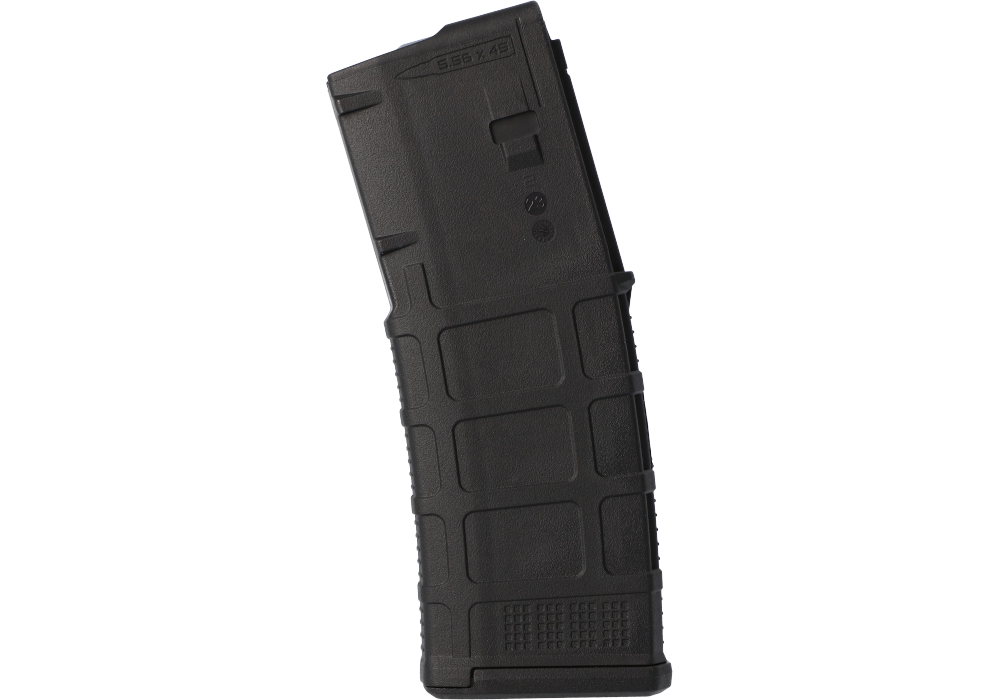
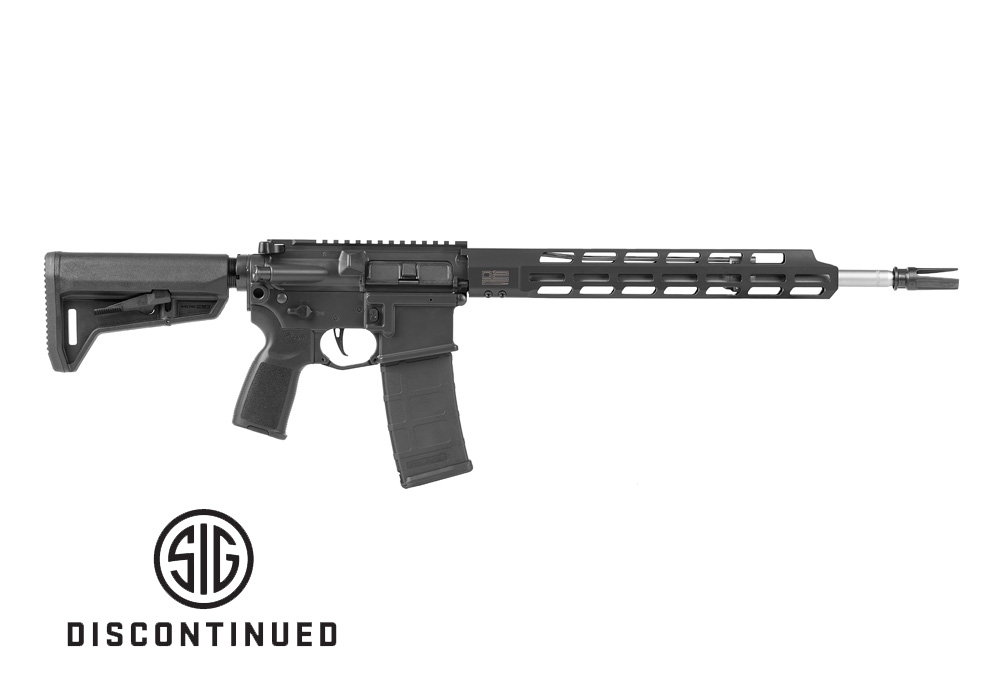
5.56 NATO magazines for tactical rifles hold ammunition and present each cartridge for feeding into a compatible firearm. Their value comes from consistent fit, durable construction, and a design that works with the rifle’s magazine well and operating system. Chambering alone does not establish compatibility: two rifles that use 5.56 NATO ammunition may require different magazine patterns. Many AR-pattern rifles accept a common magazine format, while other platforms use proprietary designs or have additional fit requirements. The firearm manufacturer’s specifications remain the best reference for matching a magazine to a rifle, especially when the firearm has a nonstandard receiver or modified components. Across compatible designs, the main material choices are polymer, aluminum, steel, and hybrid construction. Polymer bodies offer low weight and resist corrosion, often with molded texture that provides a secure grasp. Aluminum bodies provide a relatively light metal option, while steel bodies generally add weight in exchange for material strength. Hybrid designs may pair a polymer body with metal reinforcement around the feed lips, the upper edges that retain and position cartridges. No material is automatically the best choice for every rifle or every owner. Overall construction, dimensional consistency, and the condition of individual components matter as much as the material listed in a description. A useful comparison considers the body, feed lips, follower, spring, and floorplate as a complete assembly rather than treating any single feature as a guarantee of reliability. For recreational target shooters, participants in organized rifle training, and professionals using approved equipment, a magazine should suit both the firearm and the setting. A compact profile may be preferable at a shooting bench, while a longer body may suit other range activities. The most relevant distinction is not an aggressive appearance or a tactical label, but whether the magazine has the right pattern, dimensions, and features for its intended role. Clear compatibility information and documented construction details provide a stronger basis for selection than broad performance claims.
The internal details of a rifle magazine help explain why similar-looking designs can feel and perform differently. A follower supports the cartridge stack, and an anti-tilt design helps keep that support aligned as the spring pushes upward. This feature can support consistent feeding, but it cannot compensate for damaged feed lips, an unsuitable magazine pattern, or worn components. Spring quality and correct assembly also contribute to reliable function. At the base, a secure floorplate retains the internal parts; its shape can affect how comfortably the magazine fits in a pouch or rests near a bench surface. Some floorplates allow access for manufacturer-approved cleaning, while others have different service requirements. Exterior ribs and textured panels can improve grip, though pronounced features may take up additional room in closely fitted storage or carrying equipment. Windows, translucent bodies, and witness openings offer different ways to estimate the ammunition remaining without removing cartridges. Their usefulness depends on the design and visibility, and they do not replace verifying the firearm’s condition through its prescribed safety procedure. Round count is another practical consideration because it influences magazine length, loaded weight, and clearance beneath the rifle. A shorter magazine can leave more space around a bench rest, whereas a longer magazine changes the overall profile and may require a different pouch. Shoppers comparing that longer format can explore 30 Round 5.56 NATO Magazines, with firearm compatibility and applicable legal restrictions remaining essential considerations. Local laws and range rules can limit which configurations are appropriate, regardless of whether a magazine physically fits. For organized training or professional use, instructor requirements and agency policies may narrow the choices further. These practical differences make round count only one part of the comparison. A magazine that fits the rifle but crowds a rest, binds in a pouch, or conflicts with facility rules may be less suitable than another compatible format. Looking at the entire setup helps connect magazine features to ordinary use rather than isolated specifications.
Durability is best understood as the ability to maintain the magazine’s intended shape, component alignment, and function through normal handling and appropriate care. Metal bodies can develop dents or corrosion, and polymer bodies can suffer cracks or other damage; neither category is immune to wear. Feed lips deserve particular attention because deformation in that area can affect cartridge retention and presentation. The floorplate should remain secure, and the body should be free of damage that interferes with fit. A magazine that develops inconsistent feeding or visible structural damage warrants evaluation under the manufacturer’s guidance rather than continued use based on appearance alone. Routine care is usually straightforward, but the correct method depends on the materials and design. Dust, grit, and residue can collect inside a magazine during range use, particularly when equipment is set on an unclean bench or stored in an open range bag. Following the specified cleaning procedure helps remove contamination without exposing polymer, coatings, or internal components to unsuitable chemicals. Heavy lubrication is not a substitute for cleaning and may attract debris; any lubricant use should follow the manufacturer’s recommendations. Disassembly, replacement parts, and reassembly likewise need to match the particular design. Storage also matters: a clean, dry location away from corrosive substances protects equipment between range visits, while organized compartments help keep magazines from rubbing against loose tools or other hard objects. Owners who use several compatible magazines often benefit from keeping track of their condition individually, making recurring concerns easier to identify. For a frequent range visitor, these details support an orderly routine and reduce uncertainty about which equipment needs attention. Magazines can also be a practical gift for an eligible rifle owner when the recipient’s exact firearm compatibility, preferred format, and local restrictions are known. Guessing from cartridge markings alone is not enough. Whether intended for personal practice, a structured class, or authorized professional use, a well-matched 5.56 NATO magazine combines appropriate materials, a suitable profile, serviceable construction, and clear care requirements. Those are the details that matter long after the first trip to the range.