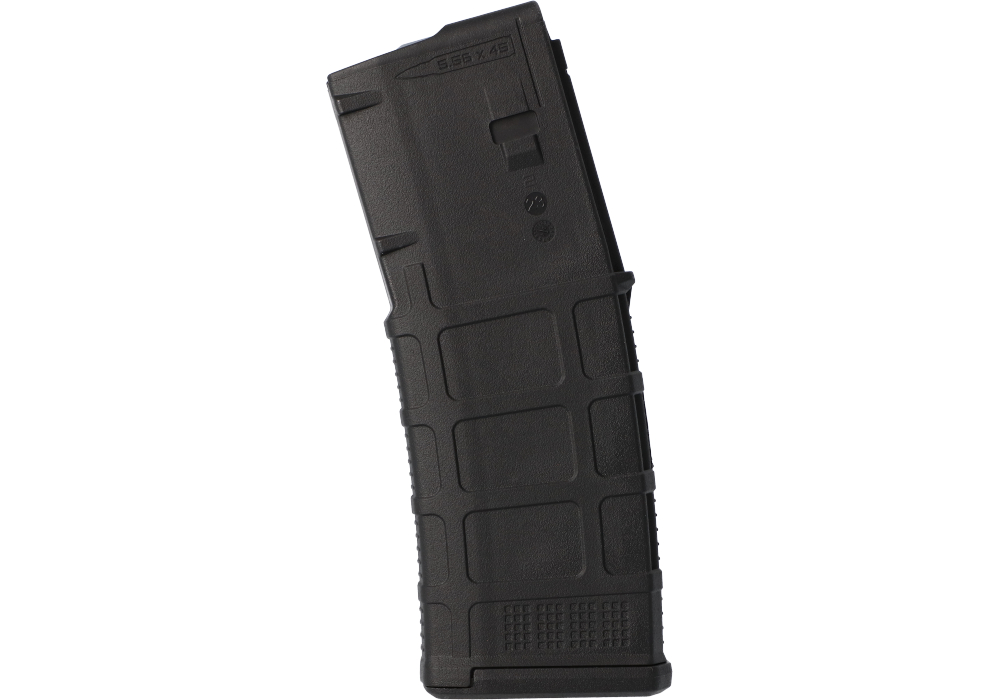
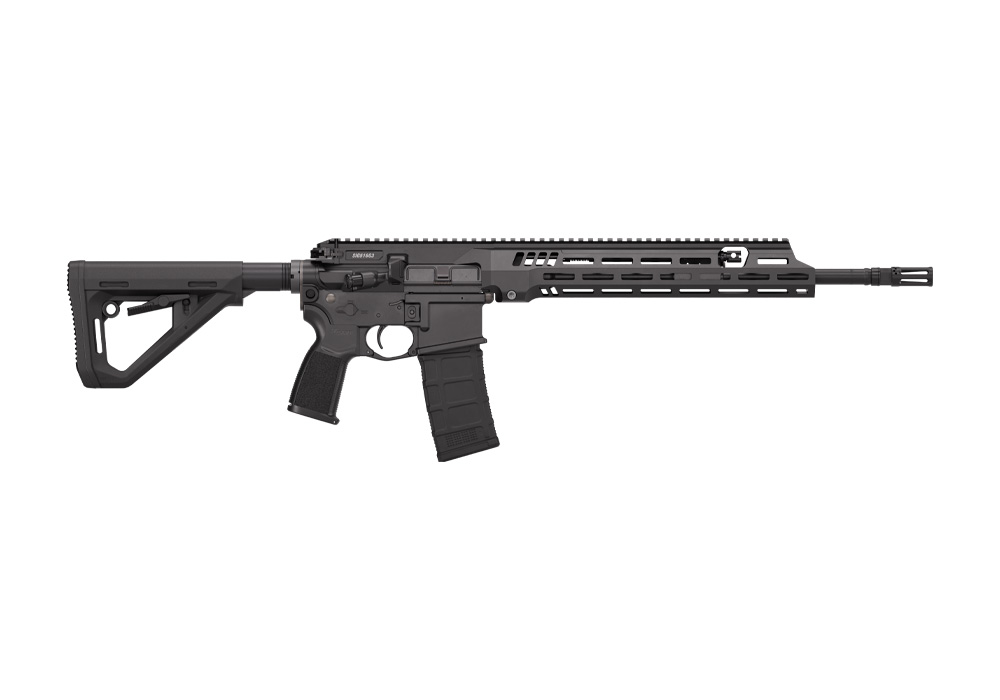
5.56 NATO aluminum magazines are a practical choice for AR-15 and M4-pattern rifles chambered for 5.56x45mm NATO, combining a light, familiar design with the strength needed for regular range use, training, competition, and responsible preparedness. Most options follow the widely recognized aluminum rifle magazine pattern and are designed to work with standard magazine wells, pouches, carriers, and storage systems. A 30-round format is common, although available capacities vary by design and local regulations. Before purchasing, confirm the magazine’s stated capacity is legal where you live and verify that your rifle is chambered for the ammunition you intend to use. A 5.56 NATO rifle will generally accept 5.56 NATO ammunition, while .223 Remington compatibility depends on the rifle’s chamber specifications; the magazine itself does not determine ammunition safety. Aluminum is valued because it keeps overall equipment weight manageable without relying on a bulky construction. That difference becomes noticeable when several loaded magazines are secured to a belt, packed in a range bag, or carried during a long day outdoors. A well-designed body should have clean seams, a stable feed-lip profile, and a finish that helps resist scuffs, oxidation, and routine handling wear. Many modern designs also use an anti-tilt polymer follower to help keep cartridges aligned as they move upward under spring pressure. The follower, spring, floorplate, and feed lips all contribute to reliable feeding, so a magazine should be evaluated as a complete system rather than by body material alone. For shoppers comparing several options, useful details include the magazine’s declared capacity, compatibility with the intended rifle, follower design, spring construction, floorplate style, and whether replacement components are available.
These magazines are commonly selected by rifle owners who want dependable spares for practice, organized storage, or a backup rotation. A new rifle may function with the magazine supplied with it, but additional magazines make it easier to keep ammunition organized and reduce interruptions during a supervised range session. Some shooters designate particular magazines for training and reserve others for defensive or field use, while others rotate them so no single magazine receives all the wear. Labeling the floorplate with a paint marker or small identification tag can make it easier to track a magazine’s history, especially when several look similar on a crowded bench. Fit is another important consideration. The magazine should insert smoothly, lock securely, and drop free when the rifle’s controls are operated, without excessive looseness or resistance. Because dimensions can vary slightly among rifles and magazine wells, checking fit with the exact firearm is worthwhile before relying on a new magazine for an important use. Compatibility with common pouches is also helpful; a familiar exterior profile makes it easier to organize equipment in a range bag or storage case. When loading, avoid forcing cartridges into a magazine beyond its stated capacity, and inspect the feed lips and follower if loading feels unusually difficult. During the cooler months, magazines may move between a warm vehicle, an indoor storage area, and a cold outdoor range, so wipe away condensation and allow damp equipment to dry before long-term storage. A soft brush or dry cloth is often enough for ordinary dust, while manufacturer-approved care products can help protect exposed metal surfaces. Avoid excessive oil inside the magazine body, since lubricant can collect grit and affect smooth follower movement.
For anyone building a practical collection of rifle accessories, Durable Aluminum Rifle Magazines offer a useful balance of low weight, proven form factor, and everyday versatility. They can be a thoughtful gift for a qualified adult who already owns a compatible 5.56 NATO rifle, particularly when the recipient spends time at the range, participates in organized training, or appreciates keeping equipment sorted and ready for the next outing. A magazine is also an easy accessory to pair with a hard-sided case, magazine pouch, ammunition storage box, or cleaning kit, giving the recipient something functional rather than decorative. Gift buyers should confirm the rifle platform and local laws before ordering, since magazine restrictions and permitted capacities differ by jurisdiction. For personal use, consider how the magazines will be handled: repeated loading and unloading, transport in a vehicle, dusty outdoor practice, or occasional storage in a climate-controlled safe each place different demands on the components. Inspect the feed lips for bends, check that the follower travels freely, and look for damaged floorplates or weakened springs before use. Store magazines unloaded or in accordance with the owner’s established maintenance routine, and keep ammunition separate when required by local rules or range policy. Aluminum magazines are not indestructible, and dropping any magazine onto a hard surface can affect its shape even when the damage is not immediately visible. A simple function check with the unloaded rifle, followed by careful testing at a safe, lawful range, helps confirm that the magazine locks in place, feeds correctly, and releases as expected. With sensible selection, periodic inspection, and proper storage, 5.56 NATO aluminum magazines can provide a lightweight, organized solution for maintaining a reliable supply of compatible magazines through changing weather and many seasons of use.