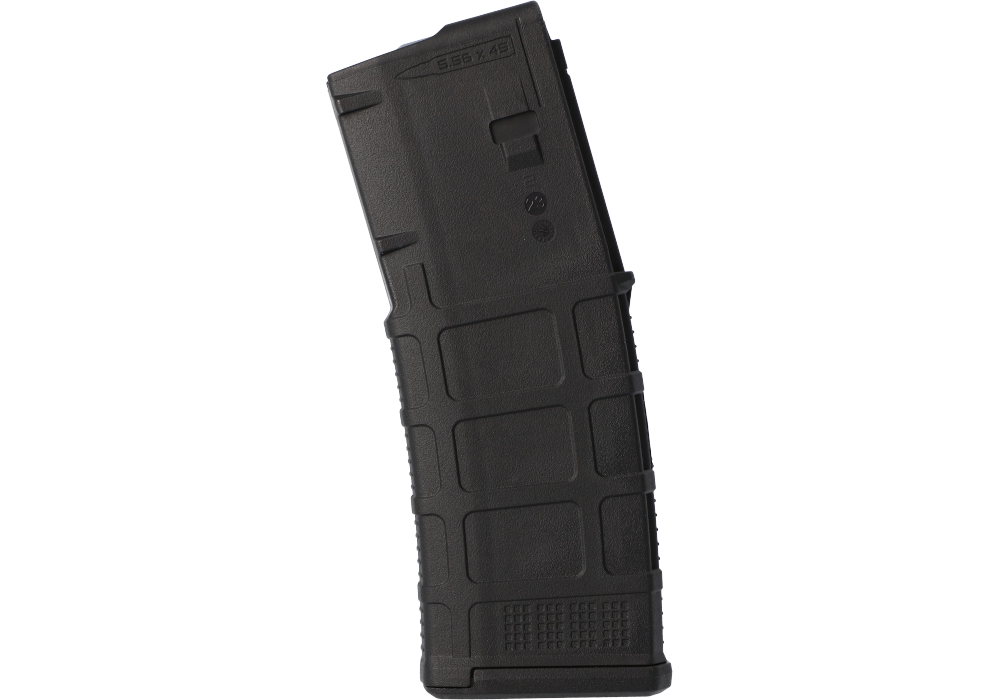
AR-15 magazines for tactical drills should match the firearm and ammunition, support dependable feeding, and withstand the repeated handling associated with structured range practice. Compatibility comes first: a similar exterior shape does not establish that a magazine is appropriate for a particular chambering or firearm configuration. The firearm manual and magazine specifications provide the most useful starting points for confirming fit, intended ammunition, and any restrictions on use. For lawful range sessions, instructor-led classes, and recreational practice, a suitable magazine should work with the firearm as designed without requiring improvised alterations. The magazine body, feed lips, follower, spring, and baseplate all contribute to its function, so exterior appearance alone tells only part of the story. Body dimensions affect fit in the magazine well, while the internal components help maintain ammunition alignment as the magazine cycles through use. A follower designed to resist tilting can support consistent movement, but no single feature replaces correct compatibility or sound overall construction. Size and shape also affect everyday convenience: a longer body may occupy more space in a range bag or interfere with certain shooting rests, while a shorter profile may suit a more compact equipment arrangement. Any selection should also account for applicable laws and range rules governing magazine size and permitted equipment. For someone preparing for a class, consistency across compatible magazines can simplify equipment checks and make identifying an unusual fit or function issue easier. That does not mean every magazine must look identical; it means the relevant specifications and intended role should be clear before range use. A magazine that feels comfortable in the hand still needs to satisfy those functional requirements. Thoughtful selection starts with the relationship between the magazine, firearm, ammunition, and planned activity—not with appearance or an assumption that every AR-15-pattern magazine serves the same purpose.
Materials and construction influence how magazines feel, how they tolerate routine handling, and what deserves attention during care. Polymer bodies can offer relatively light weight and molded surface texture, while aluminum and steel bodies provide different combinations of weight, rigidity, and finish characteristics. None of these materials is automatically the right choice for every shooter. The quality of the complete assembly matters more than a broad material label, and a polymer exterior does not mean every internal component is resistant to corrosion. Metal springs and other internal parts still require appropriate care. On a crowded range bench, textured surfaces can make a magazine easier to distinguish by touch, while a secure baseplate helps keep the assembly intact through ordinary handling. Where present, viewing windows or reference markings may make the contents easier to assess, although they are not substitutes for safe handling or verification. Durability is best understood as the ability to maintain proper function through the intended service life, rather than an expectation that visible wear never occurs. Light surface scuffs can differ substantially from cracked bodies, distorted feed lips, loose baseplates, or damaged followers. Those functional concerns warrant removing a magazine from use and consulting the relevant manufacturer’s guidance. Dust, grit, and residue also deserve attention because debris can interfere with internal movement even when the exterior looks clean. Care requirements vary by design, so cleaning methods, disassembly, lubrication, and replacement parts should follow the instructions for the particular magazine. Excess lubricant can retain debris, and improvised adjustments can create problems that are not obvious during a quick inspection. A dedicated place in a range bag helps protect magazines from loose tools and other hard objects, while clear identification can support maintenance records. For frequently used equipment, noting recurring issues and keeping track of service history is more useful than judging condition solely by how polished the outside appears. Consistent inspection and appropriate care help distinguish routine cosmetic wear from damage that deserves closer attention before another range session.
The intended training setting gives these details practical meaning. An owner attending a supervised fundamentals class may value straightforward identification and compatibility across a modest equipment kit. A regular recreational shooter may prioritize a comfortable shape, manageable weight, and easy organization between visits. Competitive shooters may also consider the rules of their discipline and compatibility with permitted support equipment, without assuming that a range-oriented setup is suitable for every activity. In each case, the magazine remains one part of a larger system that includes the firearm, ammunition, maintenance practices, and responsible supervision. Live-fire sessions and dry practice have different equipment and safety requirements; dedicated inert training equipment should be clearly distinguished from equipment containing live ammunition, and live ammunition should remain outside a dry-practice area. Any training aids also need to match their stated purpose rather than being treated as interchangeable with functional magazines. For classes described as tactical drills, instructor requirements and facility rules should define the equipment list and scope of practice. Before purchasing, checking those requirements can prevent confusion about permitted magazine styles, identification methods, or specialized training equipment. Simple labeling can be useful when several similar magazines share a bench, especially during a class where equipment is handled and set aside repeatedly. Labels should remain readable without interfering with fit or normal function. Shooters whose range time also includes open-air facilities can explore AR 15 Magazines For Outdoor Shooting for the related category, while keeping the same compatibility and care considerations in mind. As a gift for a responsible firearm owner, magazines require more information than a general interest in shooting: the recipient’s firearm specifications, intended activity, and local requirements all matter. Whether selected for a class, regular range practice, or a carefully planned gift, the most useful choices are those with a clear purpose, documented compatibility, and construction suited to ongoing inspection and care.