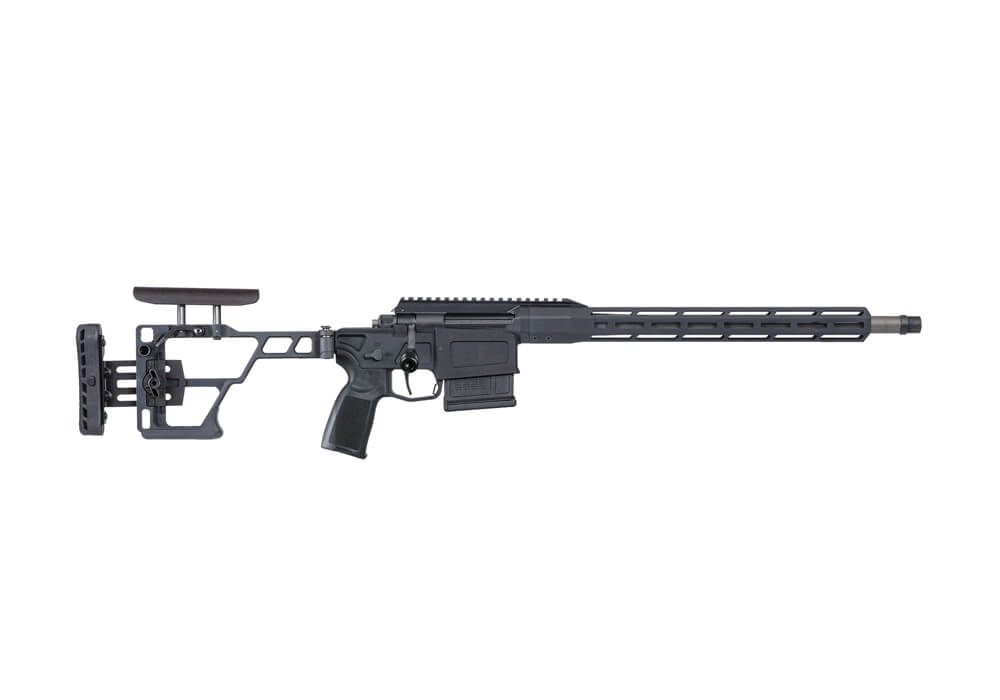
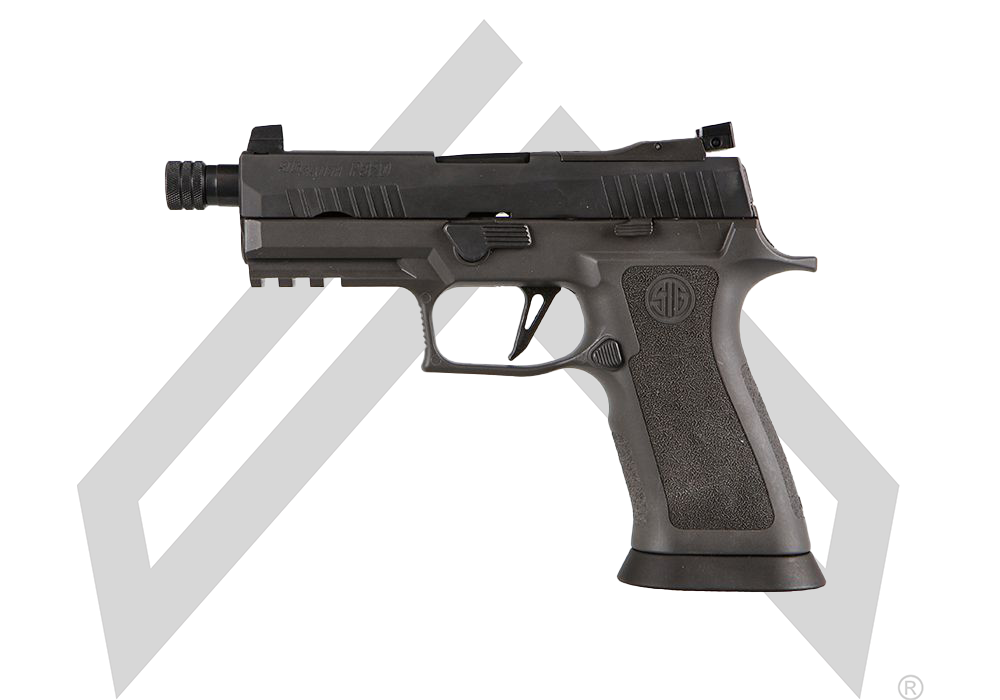
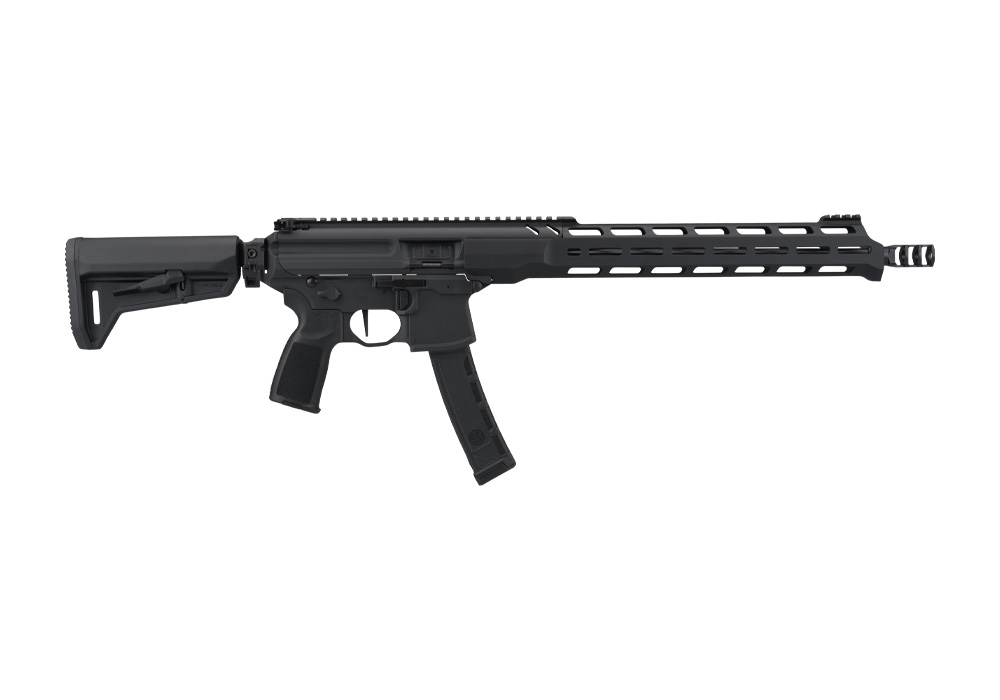
Firearms for advanced home defense are selected with more than raw power in mind. The right setup balances controllability, maneuverability, reliability, safe storage, and the realities of a particular home. A compact rifle platform, pistol-caliber carbine, tactical shotgun, or defensive pistol may each serve a different role, but none is universally ideal for every household. A home with narrow hallways and multiple interior doorways can place a premium on a manageable overall length, while a more open floor plan may allow greater flexibility. The physical size, strength, experience, and comfort of the person who may need to operate the firearm matter just as much as the firearm’s specifications. A platform that feels steady at the range and can be manipulated confidently in low light is more useful than one chosen solely for appearance or maximum performance on paper. Three points of contact can help some shooters manage a pistol-caliber carbine, while the familiar controls and compact form of a defensive pistol may better suit another. Shotguns offer substantial close-range capability but require deliberate attention to recoil management, loading procedures, and follow-up shots. Compact rifle platforms can provide excellent handling and accessory compatibility, yet ammunition selection and safe storage deserve careful thought. The goal is a complete, practiced system that supports sound judgment rather than a collection of disconnected accessories.
For many experienced owners, advanced home-defense equipment includes a dependable weapon-mounted light, a durable sighting system, and ammunition chosen for the firearm and the environment in which it may be used. Positive target identification is essential in darkness; a bright, reliable light can illuminate a hallway, identify a person, and help prevent tragic mistakes that might occur when a shooter reacts to an unidentified shape or sound. Enclosed red-dot optics can provide a clear aiming reference while allowing both eyes to remain open, which may help preserve awareness of the surrounding space. A quality backup sighting option can add confidence if an electronic optic becomes unavailable. Ammunition should be tested for dependable function in the selected firearm, with defensive loads chosen according to caliber, barrel length, manufacturer guidance, and local availability. Jacketed hollow-point ammunition is commonly considered for pistols and pistol-caliber carbines because its design may support controlled expansion, while standard or reduced-recoil buckshot may be considered for shotguns when the shooter can demonstrate consistent patterning and recoil control. Every firearm and load combination should be evaluated at a reputable range rather than assumed to perform identically across platforms. Suppressors, where lawful, can reduce muzzle blast and may help protect hearing, but they do not make a firearm silent, eliminate the need for hearing protection, or replace safe handling. Short-barreled rifles and other regulated configurations may require additional registration, approvals, or restrictions depending on jurisdiction. Magazine rules, storage requirements, transportation laws, waiting periods, and transfer procedures also vary widely, so buyers should verify current federal, state, and local requirements before completing a purchase. A firearm can be a meaningful gift for an experienced adult who has specifically identified a suitable platform, but it should never be presented as a surprise without confirming legal eligibility, safe-storage plans, training needs, and the recipient’s genuine willingness to accept responsibility for ownership.
Preparation is what turns advanced equipment into responsible capability. Owners should learn the manual of arms for their chosen platform, practice loading and unloading, confirm that the safety mechanisms are understood, and build a routine for checking the firearm, light, optic, batteries, and ammunition. Dry practice, conducted only after the firearm has been unloaded and all ammunition removed from the practice area, can help reinforce safe presentation and manipulation. Live-fire practice should include realistic but controlled drills from common positions, such as standing near a doorway or moving from a bedroom to a safe location, while always following range rules and avoiding unsafe movement. It is also worth walking through the home during daylight and the cooler months, when heavier clothing, darker evenings, and changing household routines can affect storage and access decisions. Keep firearms secured from children, visitors, and unauthorized users in a purpose-built quick-access safe or other compliant storage solution, and establish a clear family plan that emphasizes contacting emergency services, identifying everyone in the home, and avoiding unnecessary movement. Training should cover more than marksmanship: safe direction, trigger discipline, threat identification, communication, and the legal and ethical limits of defensive force all deserve attention. Professional instruction can help owners uncover small problems that are difficult to notice alone, from an awkward grip to a light switch that cannot be reached without shifting position. Explore Firearms for Self Defense Classes to build a stronger foundation before relying on any defensive firearm. With thoughtful selection, consistent practice, secure storage, and respect for the law, an advanced home-defense setup can be tailored to the people, floor plan, and responsibilities of a particular household.