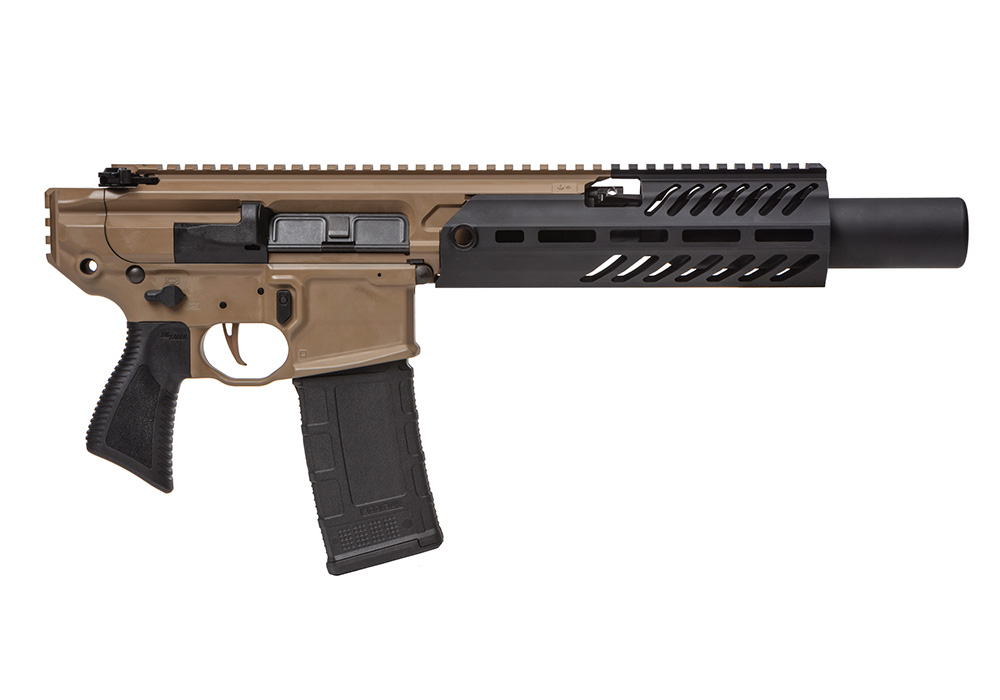
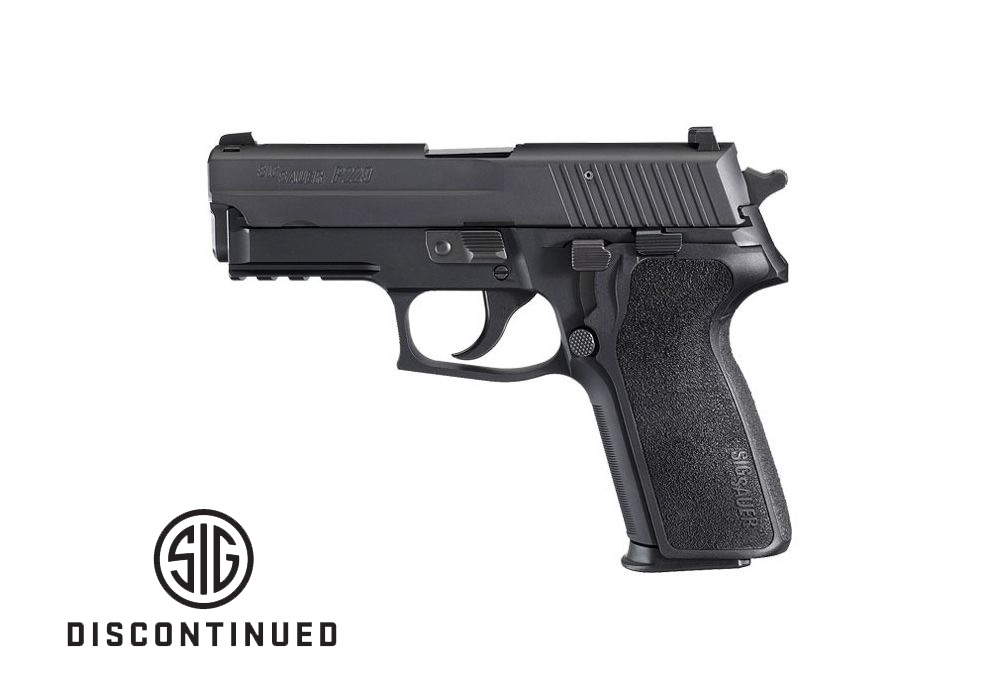
Essentials for home defense firearms include secure storage, a firearm that fits its lawful owner, compatible equipment, maintenance supplies, and appropriate safety training. These elements belong together: selecting a firearm without considering where it will be secured, how it will be maintained, or whether its controls are suitable for the owner leaves important needs unresolved. For adults evaluating firearms for lawful household protection, the most useful comparisons begin with intended use, experience, physical comfort, and the responsibilities that come with ownership. Handguns and long guns differ in dimensions, weight, operating systems, and storage requirements, and no single format is appropriate for every person or household. Published specifications help establish those differences, while an in-person assessment with a qualified professional can clarify fit and handling characteristics. Grip shape, texture, control placement, and the effort required to operate controls deserve attention, particularly for owners with smaller hands, limited hand strength, or mobility considerations. A comfortable grip should not require awkward adjustments simply to reach essential controls. Overall dimensions also matter beyond the firearm itself, since a suitable locked container needs enough interior space for the firearm and any compatible equipment attached to it. Material choices contribute to weight, feel, and maintenance needs. Steel, aluminum alloys, and reinforced polymers each have different characteristics; construction quality and the manufacturer’s care requirements matter more than treating any one material as universally superior. Surface finishes can help resist corrosion and everyday wear, but they do not eliminate the need for inspection and routine care. Clearly documented specifications, understandable operating instructions, and access to qualified service are valuable considerations for both first-time owners and experienced firearm owners reassessing their household arrangements. The goal is a coherent selection of essentials suited to the owner’s abilities and responsibilities, rather than a collection of accessories chosen without regard to fit, compatibility, or practical use.
Secure firearm storage is a central part of home defense preparedness, especially in homes shared with children, visitors, roommates, or anyone who should not have access. Store firearms unloaded in a locked container, secure ammunition separately, and follow applicable laws and manufacturer instructions. A storage solution should be evaluated by its construction, locking system, interior dimensions, installation requirements, and documented security features—not simply its appearance or exterior size. Interior measurements are particularly important because shelves, hinges, padding, and other internal features can reduce usable space. Protective lining can help prevent finish wear, while an orderly interior reduces unnecessary contact between stored equipment. For electronic locks, consider the manufacturer’s battery maintenance requirements and authorized backup access procedures; keys, combinations, and credentials also need protection from unauthorized users. A lockable container is only one part of a household safety plan, and its effectiveness depends on consistent use and an appropriate installation. Changes in living arrangements, visiting children, and extended time away from home are all reasons to review storage practices rather than assume an existing arrangement remains suitable. Supporting essentials can include eye and hearing protection for supervised range practice, protective cases for lawful transport, and storage accessories compatible with the chosen container. Protective equipment should fit the wearer comfortably and meet appropriate standards for its intended application. For example, eyewear that interferes with hearing protection can be uncomfortable during instruction, making fit across both pieces worth checking. A transport case serves a different purpose from a security container, so protective padding alone should not be mistaken for protection against unauthorized access. Households also benefit from clear boundaries around who may handle firearms and where keys or access credentials are kept. Responsible preparation includes knowing when a household member’s changing circumstances call for additional safeguards or lawful storage elsewhere. These considerations keep the focus on access control, accountability, and the safety of everyone who lives in or enters the home.
Care and compatibility help preserve the condition of home defense firearms and the equipment used with them. Maintenance supplies should match the firearm’s materials and manufacturer recommendations, including suitable cleaning tools, lubricants, and surface-care products. More aggressive chemicals are not necessarily better: an unsuitable solvent can affect certain finishes, plastics, or other components. A dedicated, organized maintenance area helps keep small parts and supplies accounted for and keeps chemicals away from children and pets. Follow the manufacturer’s safety and maintenance instructions, and leave repairs, unexplained wear, or operating concerns to a qualified professional. Protective cases and storage interiors also need occasional inspection, since retained moisture, worn padding, or loose hardware can undermine their protective purpose. Ammunition requires equally careful identification and storage. Use only ammunition that matches the firearm’s specified chambering and manufacturer requirements, retain clear labeling, and keep it secured against unauthorized access. Similar-looking cartridges should never be assumed interchangeable. Any accessory should have documented compatibility with the exact firearm configuration, and changes that affect operation or safety warrant professional review. Owners seeking a related selection can explore Firearms for Advanced Home Defense, with the same attention to fit, secure storage, maintenance, and lawful ownership. Equipment does not replace education: qualified instruction provides a setting to learn safe handling, understand a firearm’s controls, and identify questions that specifications alone cannot answer. Household preparedness also extends beyond firearms to dependable door locks, emergency communication, and a clear plan for contacting emergency services. No firearm or accessory guarantees personal safety, and responsible ownership includes understanding applicable storage, transport, and use-of-force laws. For an established owner, replacing worn protective equipment or improving secure storage may be more relevant than adding another firearm. A well-considered collection of essentials supports consistent care, informed decisions, and responsible ownership over time, with each component serving a clear purpose rather than adding unnecessary complexity.