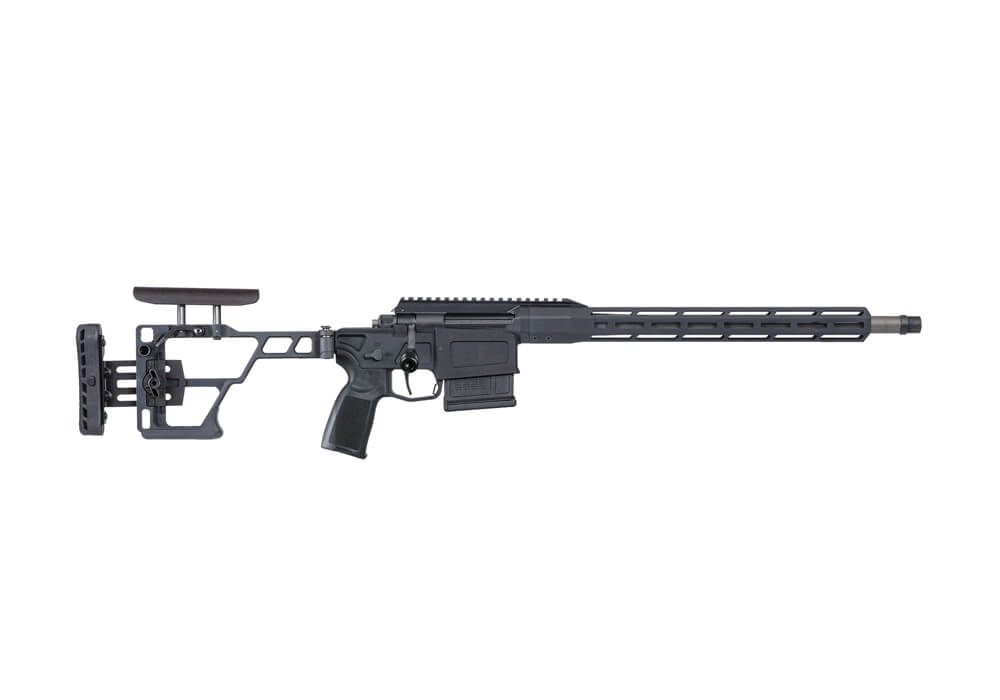
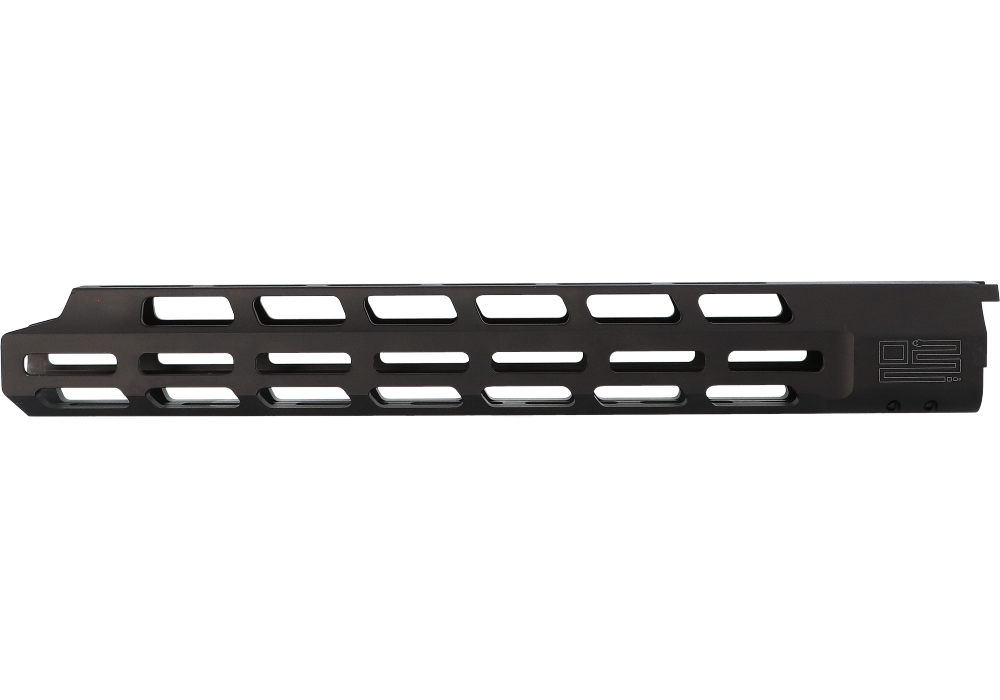
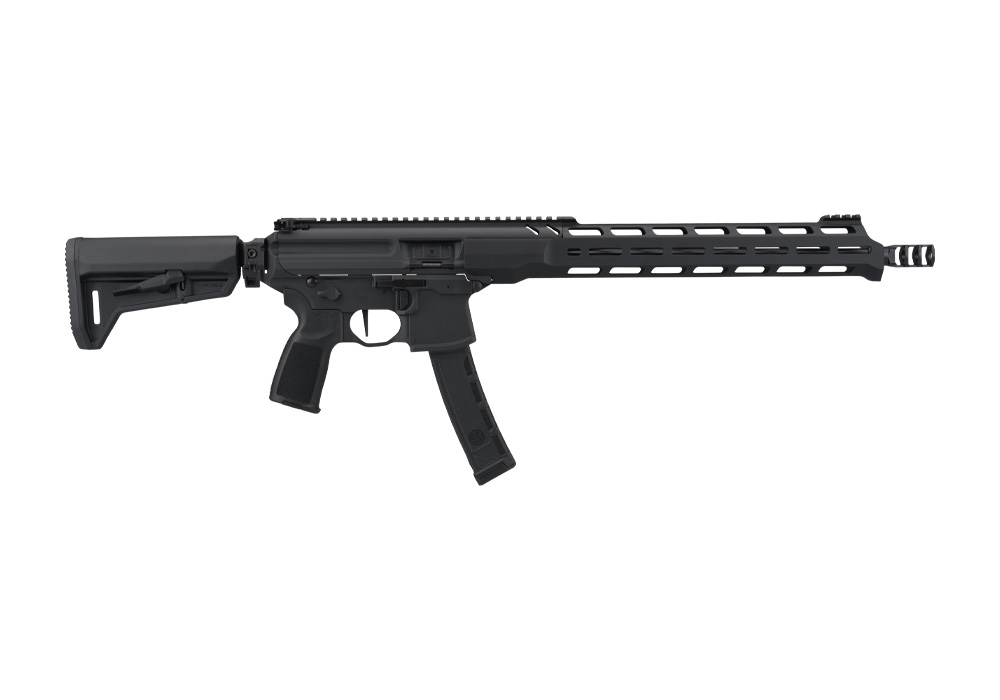
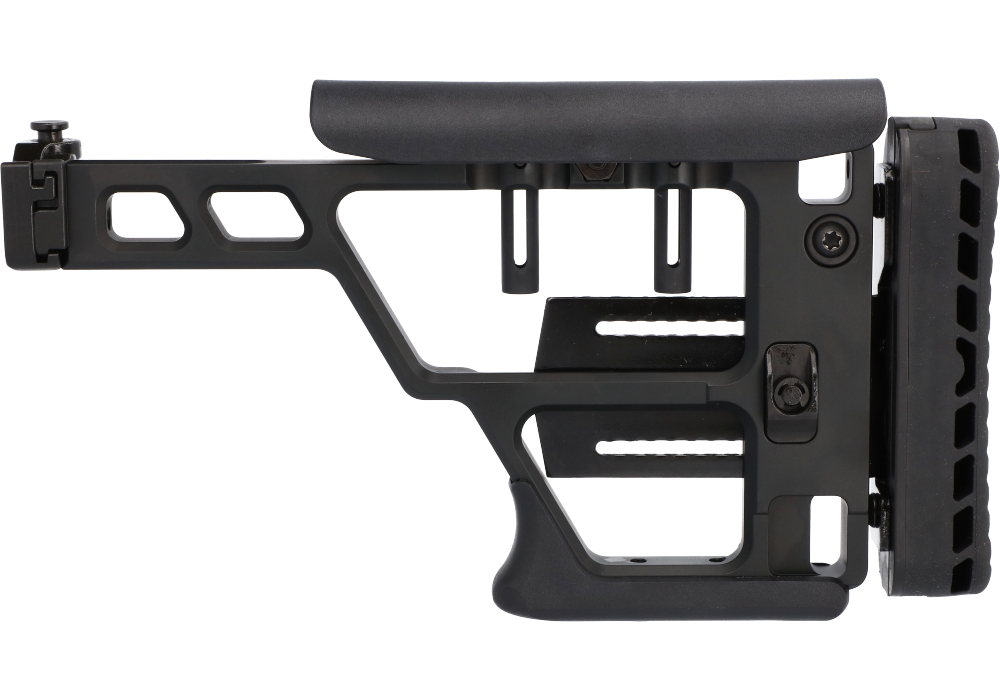
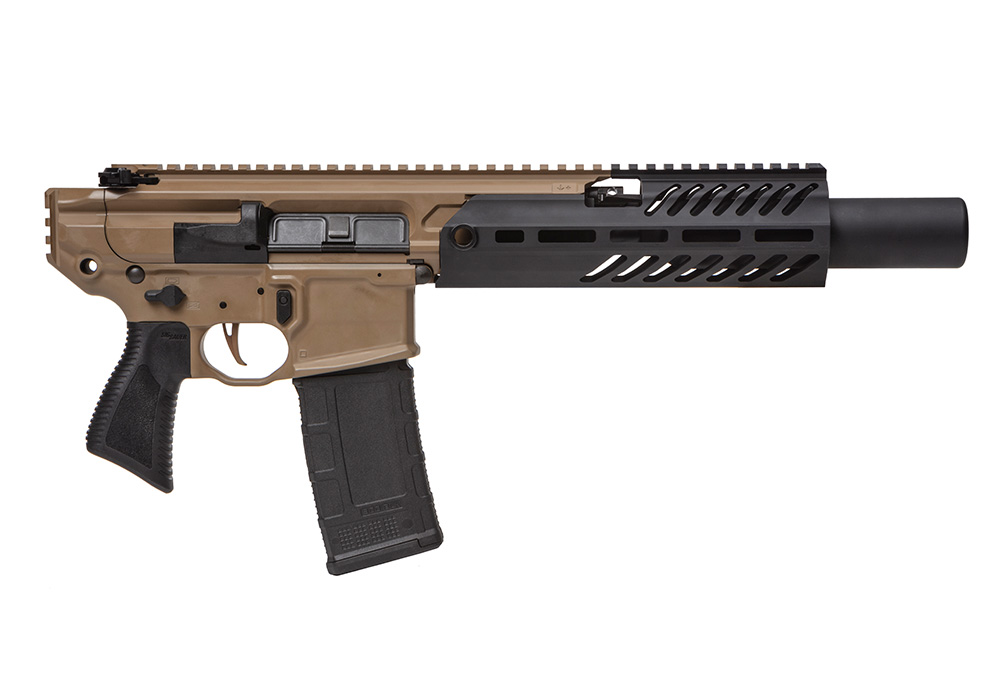
Essentials for a home defense rifle begin with a dependable, familiar platform and the equipment that helps you operate it safely under stress. A rifle selected for defensive use should be comfortable to shoulder, easy to control, and appropriate for the shooter’s size, strength, and experience. Controls should be intuitive enough to locate by feel, while the stock or brace, grip, and handguard should allow a stable position without forcing an awkward reach. Reliability is shaped by more than the firearm itself, so routine inspection and maintenance matter. Check that critical parts are clean, properly lubricated, and free from unusual wear, and replace components according to the manufacturer’s recommendations. For those maintaining a compatible rifle, replacement parts such as Bolt Assemblies for Home Defense Rifles can support a practical maintenance plan when selected for the correct model and installed as directed. A sling is another useful part of a complete setup. A sturdy two-point sling can keep the rifle close if you need both hands to use a phone, open a door, guide a family member, or move safely through the home. A properly fitted sling should not snag on furniture or interfere with the controls, and everyone who may handle the rifle should know how it adjusts. A bright weapon-mounted light is equally important because a dark room can conceal both hazards and people. A light should illuminate the area clearly enough to identify what is in front of you without requiring you to hold a separate flashlight. Practice activating it without changing your grip, and remember that seeing a shape is not the same as identifying a target. Positive identification must come before any decision to fire. Since light placement, controls, and holster-like storage solutions vary, check compatibility carefully and confirm that accessories remain secure after repeated handling.
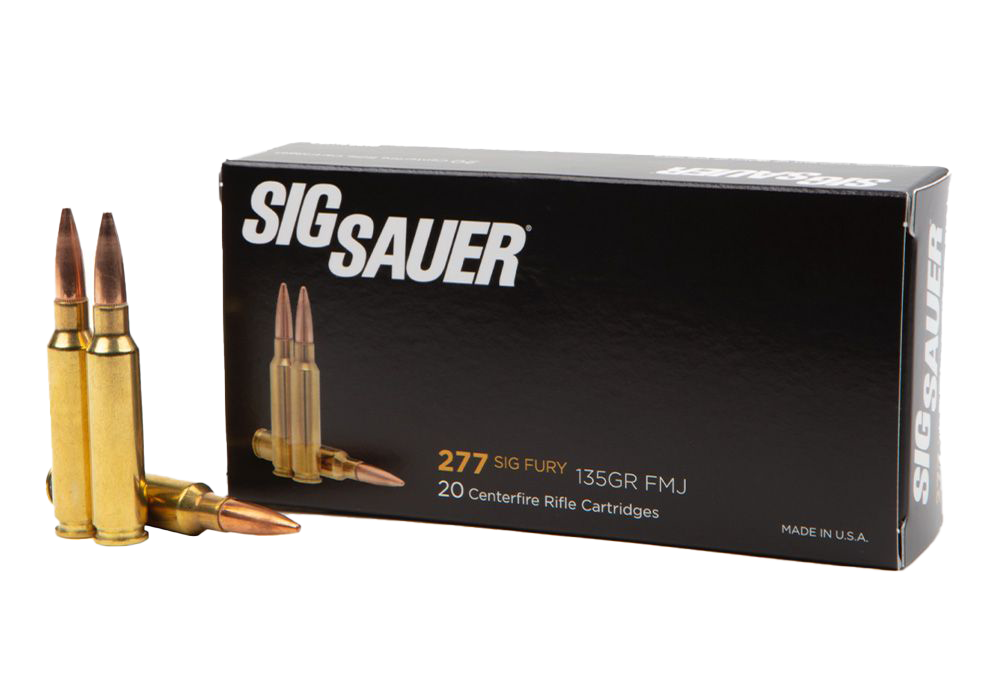
A red dot optic can make an equipped rifle faster and more intuitive to aim, particularly when used with both eyes open. The uncomplicated sight picture helps the shooter keep awareness of the surrounding room rather than narrowing vision through a small magnified field. Choose an optic with a clear reticle, dependable adjustment controls, and brightness settings that remain visible in both a dim hallway and a brightly lit room. A backup sighting option may provide additional confidence if the optic’s battery is depleted or the electronic unit is unavailable, although every added component should be tested for fit and zero. Keep spare batteries in a known location, inspect them during regular equipment checks, and confirm that the sight remains properly mounted. Ammunition deserves the same careful attention. Defensive loads should be selected for reliable function in the specific rifle and evaluated with consideration for recoil, accuracy, terminal performance, and the construction of walls and nearby rooms. Many experienced shooters avoid treating ordinary range ammunition as a universal defensive choice; projectile design can affect the risk of over-penetration, while no ammunition can eliminate that risk entirely. Follow applicable laws and manufacturer guidance, and use a qualified instructor or reputable range to confirm function before relying on a particular load. A sling, light, optic, and defensive ammunition may be practical gifts for an experienced rifle owner, but gifts should be chosen with care. A safety-focused accessory such as a secure storage device, quality hearing protection, chamber flag, cleaning equipment, or a training certificate may be more appropriate when you do not know the recipient’s preferred setup. Compatibility is especially important for mounts, batteries, magazines, replacement parts, and other components; the correct fit is determined by the rifle’s exact configuration, not simply by a general product category.
The most important essentials extend beyond the rifle and its accessories. Secure storage helps prevent unauthorized access while allowing responsible adults to follow a preplanned emergency routine. Use a locked solution appropriate for the household, particularly where children, visitors, or anyone unfamiliar with firearms may be present. Store ammunition in a controlled, clearly organized manner, and keep the key or access method protected from unauthorized users. A rifle should never be left leaning beside a bed, hidden in a closet, or placed where it can be mistaken for an unloaded training object. During the cooler months, when heavier clothing, dimmer mornings, and changes to daily routines can alter how a home feels and functions, it is useful to revisit storage access, lighting, and equipment placement. Home layout practice should be deliberate and safety-focused rather than theatrical. Learn the locations of bedrooms, stairways, exterior doors, windows, and areas where family members may shelter. Identify safe directions and potential hazards, including thin interior walls, neighboring rooms, and spaces where an unseen person could be present. Establish simple household communication plans, including how to call emergency services, where family members should go, and how to announce your location to responding officers. Dry practice should take place only with the firearm unloaded, ammunition stored separately, and a safe direction clearly established; live-fire practice belongs at an appropriate range under lawful, controlled conditions. Professional instruction can help with safe handling, low-light identification, malfunction response, and decision-making under pressure. A home defense rifle is not a substitute for locks, alarms, communication, awareness, or emergency planning. It is one part of a broader responsibility that includes knowing local regulations, maintaining equipment, securing access, and making choices that protect everyone in the home. When each component has a clear purpose and every responsible user understands how the system works, the result is a more organized, confident, and safety-conscious approach to home preparedness.