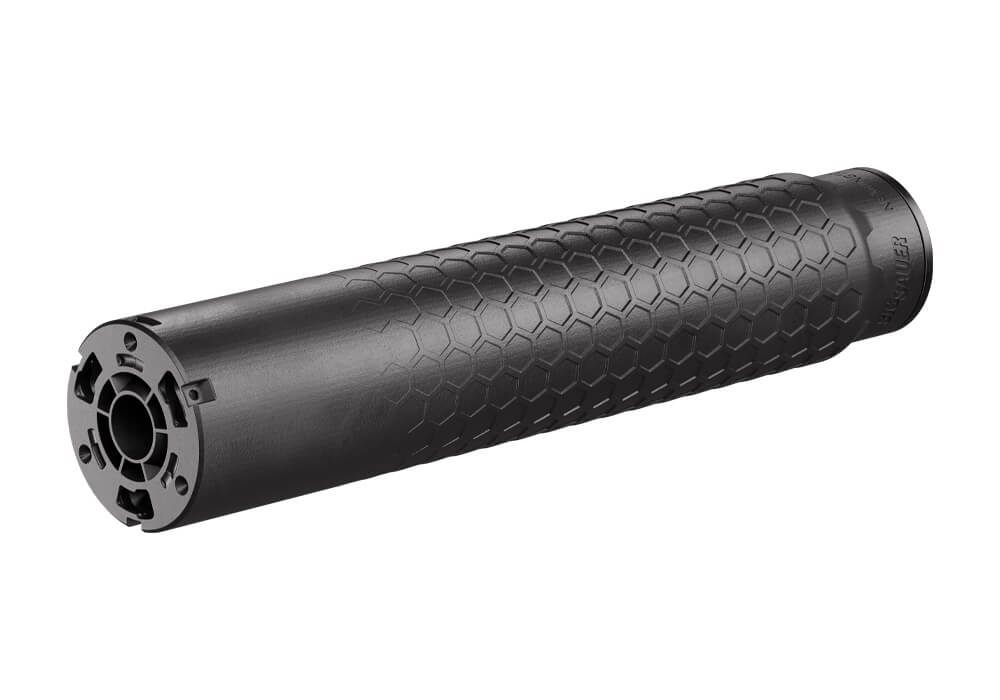
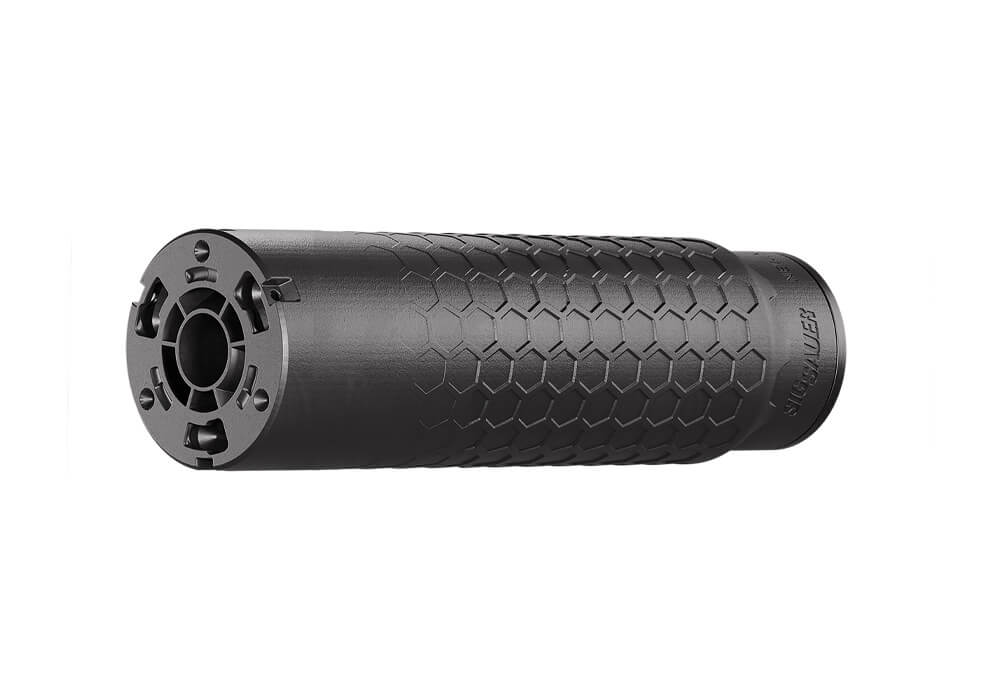
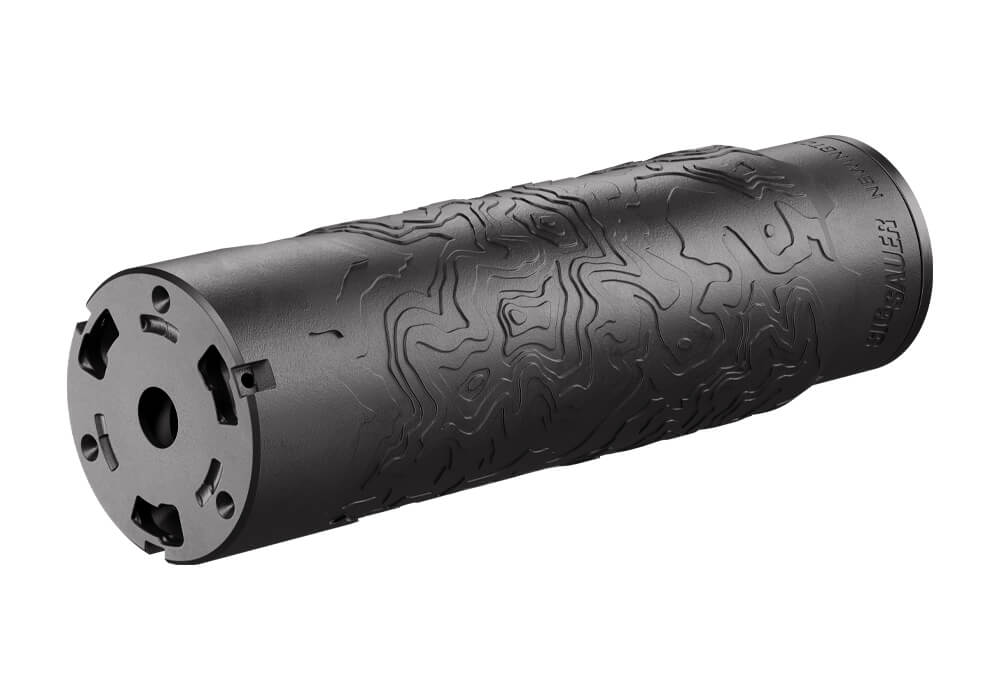
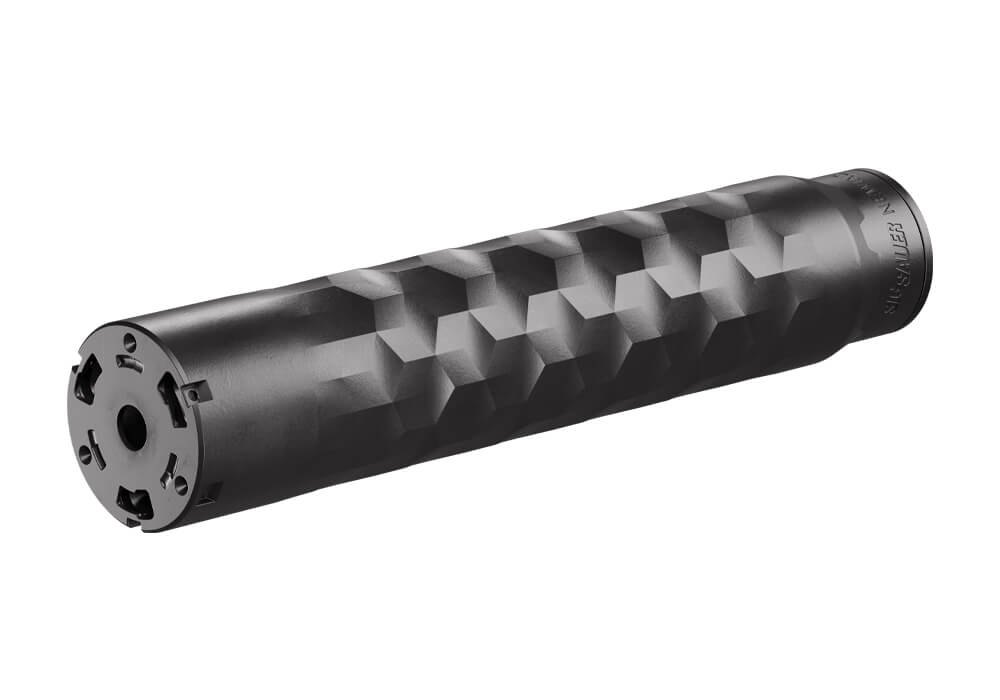
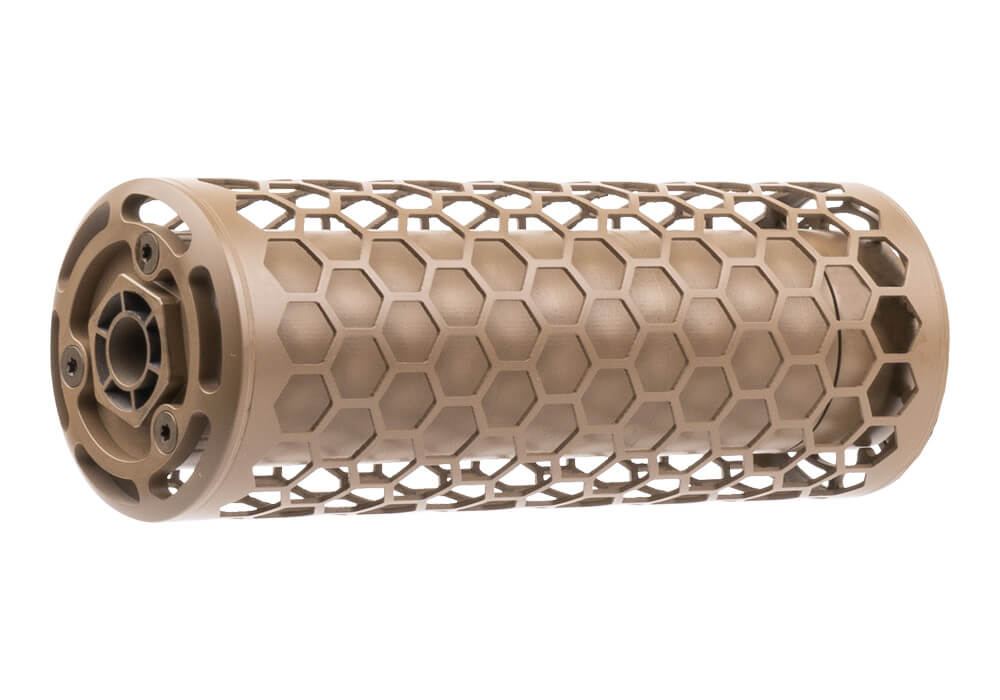
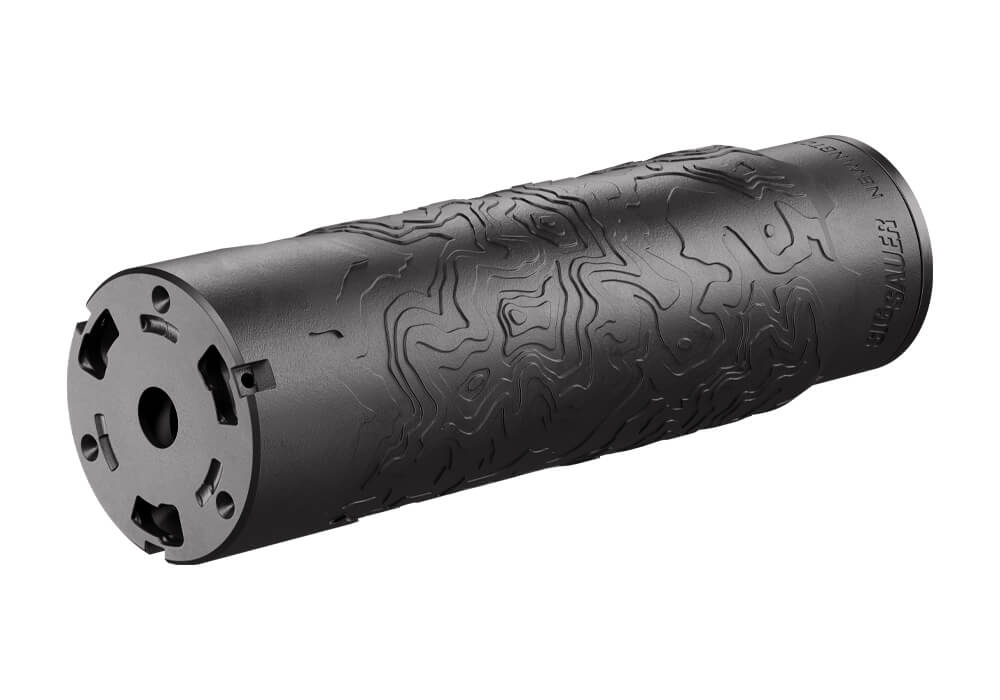
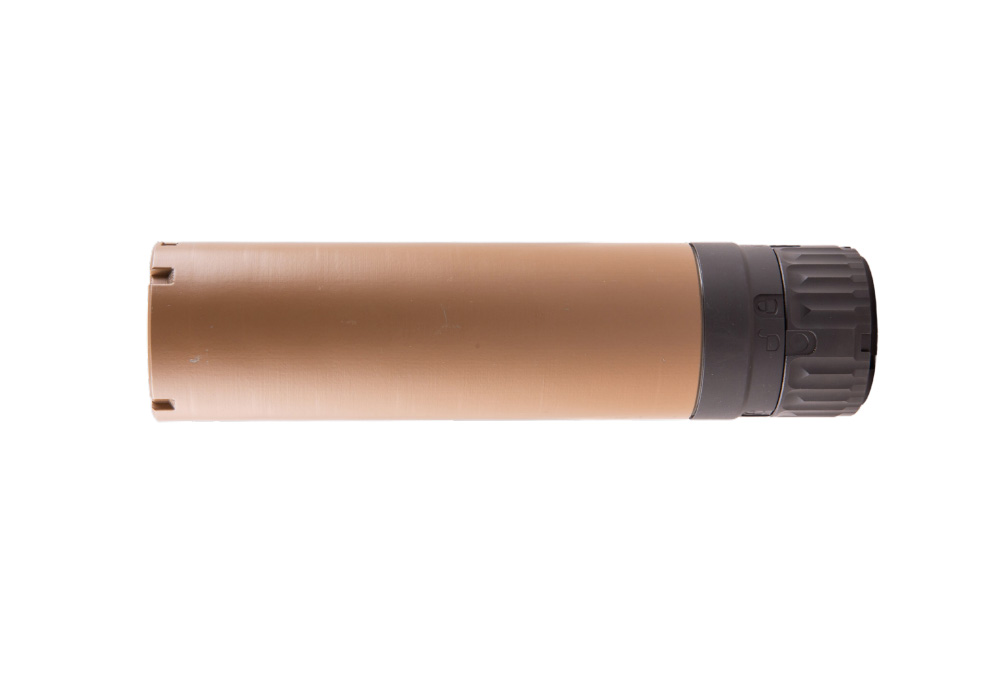
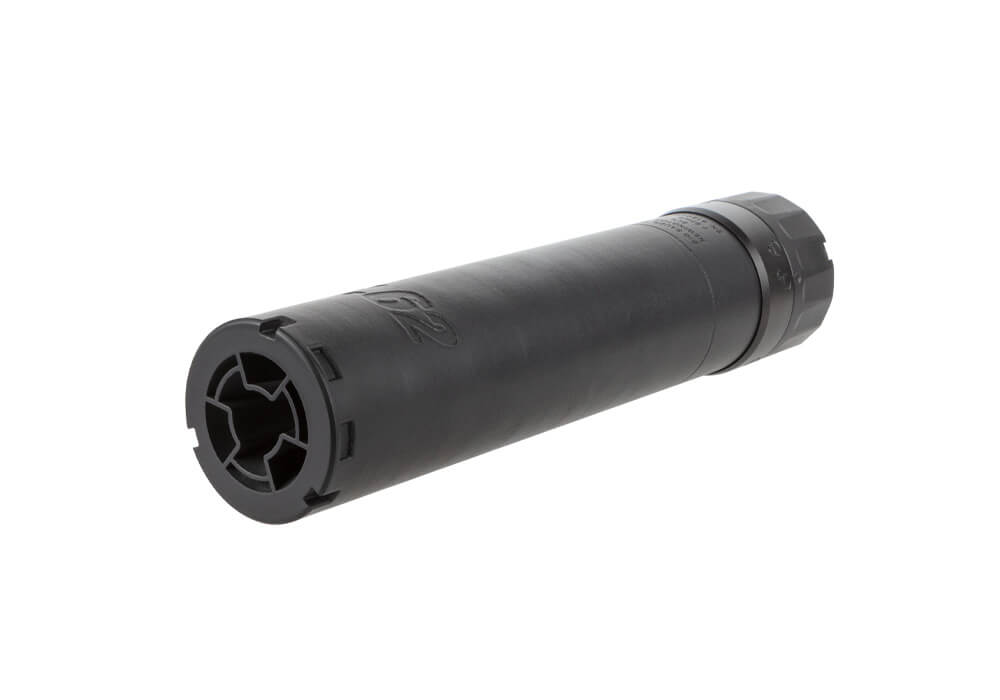
High Performance Rifle Suppressors are selected by shooters who want a more controlled and comfortable experience without giving up the precision, reliability, or ruggedness expected from a serious rifle setup. A suppressor can reduce muzzle blast, soften felt recoil, and make extended sessions more manageable, but it does not eliminate sound or remove the need for appropriate hearing and eye protection. The effect varies with caliber, ammunition, barrel length, action type, and the surroundings where the rifle is used. A bolt-action rifle may pair well with a lightweight suppressor for hunting in open country, where every ounce matters during a long climb and a compact setup carries easily across uneven ground. A semi-automatic rifle may benefit from a design that manages back pressure, helping limit gas movement toward the shooter and reducing the amount of residue that reaches the action during extended range sessions. When comparing options, begin with the rifle and ammunition rather than choosing by appearance alone. Confirm that the suppressor is rated for the intended caliber, muzzle velocity, firing schedule, and barrel length, then review the manufacturer’s specifications and the firearm’s threaded muzzle compatibility. A suppressor should be treated as part of the complete rifle system, because its weight and position at the muzzle can influence balance, handling, and the rifle’s point of impact.
Material and construction are especially important for shooters who anticipate frequent firing or demanding field conditions. Titanium can provide a useful balance of strength and low weight for backcountry hunting, while heat-resistant alloys such as Inconel or Stellite are often favored for rifles that see rapid strings or sustained range work. Aluminum may suit lighter-duty applications, but it is essential to follow the published firing limits and cooling guidance for any suppressor under consideration. A durable finish, well-supported mounting system, and clearly defined maintenance requirements can matter just as much as raw sound reduction. Direct-thread systems are simple and lightweight, making them a natural fit for a dedicated bolt-action rifle. Quick-attach systems can be convenient for shooters who move one suppressor among compatible rifles, provided the mounts are correctly installed and checked for secure alignment. Modular designs can offer flexibility by allowing a shorter configuration for easier handling or a longer configuration when additional sound reduction is preferred. That flexibility may be valuable for a shooter who uses one rifle during a quiet walk through the woods and another during structured range practice. Repeatable point-of-impact shift is another key consideration. Every suppressor can influence bullet placement when attached, so look for a system that produces a consistent, measurable shift and returns reliably to the same relationship with the rifle after removal and reinstallation. Keeping a record of zero with the suppressor attached and unattached can make the transition between configurations much more predictable.
The best choice also reflects the person behind the rifle. A hunter may prioritize minimal weight, compact dimensions, corrosion resistance, and a mounting system that remains practical when wearing gloves during the cooler months. A precision shooter may place greater emphasis on repeatability, balance, sound performance, and a design that supports careful load testing. A recreational range user may value straightforward installation, manageable maintenance, and compatibility across several rifles. For a knowledgeable firearm owner, a suppressor can be a thoughtful gift when the recipient’s caliber, threading, intended use, and legal eligibility are already understood; because suppressors are regulated items, the purchase and transfer process must follow all applicable federal, state, and local requirements. Buyers should review current rules, allow time for required approvals, and rely on licensed professionals when questions arise. Before installation, inspect threads and mounting surfaces, verify alignment with the bore, and follow the manufacturer’s torque and inspection instructions. After firing, allow the suppressor to cool before handling, transporting, or beginning maintenance, and never exceed its published limits. For shooters seeking more specialized configurations, our selection of Advanced Firearm Suppressors offers another place to compare features such as modular construction, multi-caliber compatibility, mounting options, weight, and heat management. Whether the rifle accompanies you along a frosty ridgeline or rests on a bench during a calm afternoon session, choosing the right suppressor starts with an honest assessment of the rifle, the ammunition, the pace of fire, and the conditions where the system will be used.