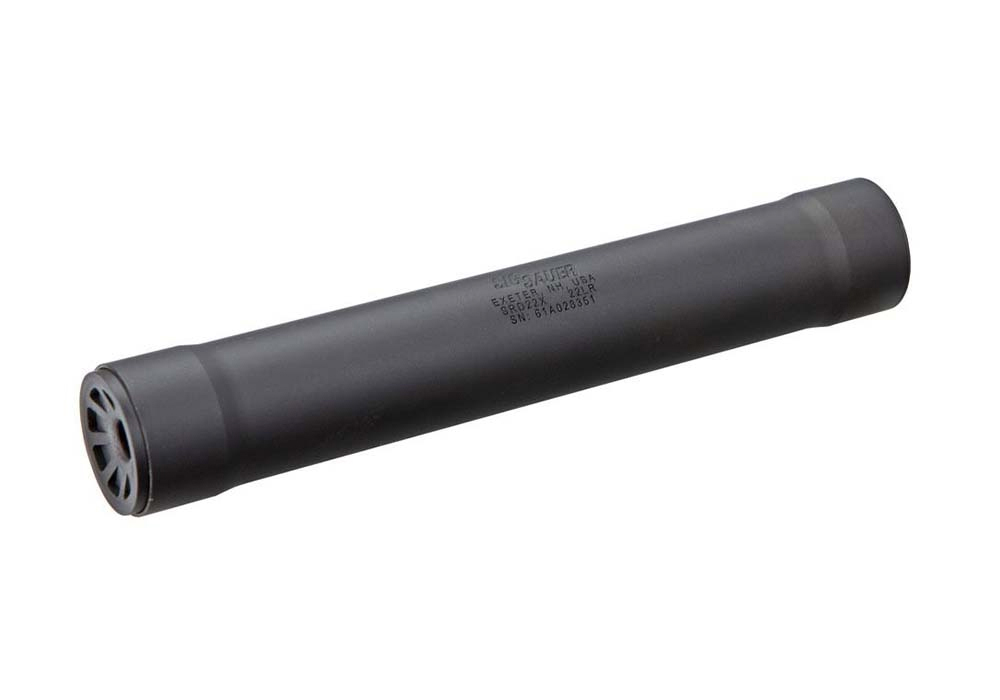
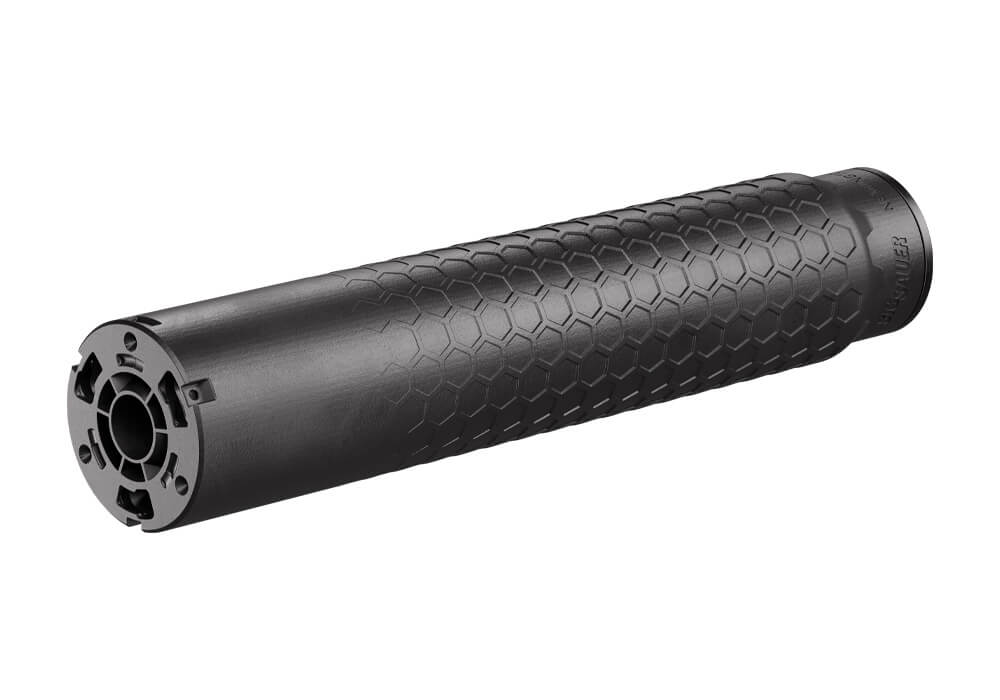
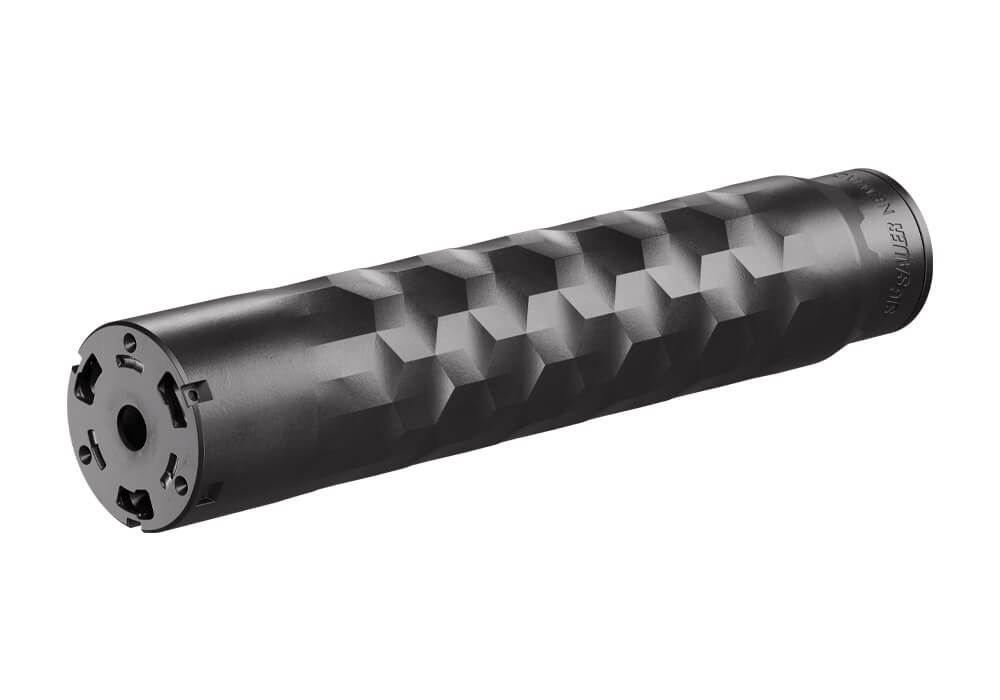
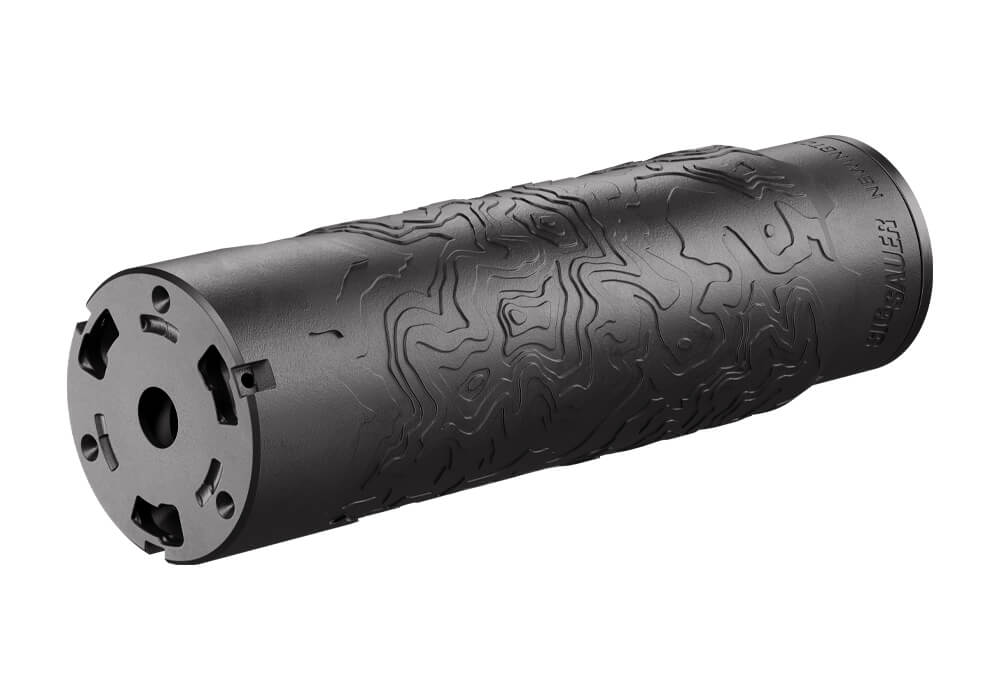
Hunting rimfire suppressors are designed for hunters who want a quieter, more controlled field experience while carrying a lightweight .22-caliber rifle or pistol. Commonly used with cartridges such as .22 LR, .17 HMR, and .22 WMR, these suppressors can reduce the sharp report of a rimfire firearm, soften felt recoil, and limit muzzle movement for more comfortable shooting and faster follow-up shots. That combination is especially useful for small-game hunting, varmint control, pest management, and informal practice around rural property, where a loud report can disturb nearby game, livestock, or the surrounding area. A suppressed rimfire rifle can also make long walks during the warmer season or cooler months more pleasant by reducing the intensity of each shot, although hearing protection should still be worn because no suppressor eliminates all firearm noise. Sound reduction depends on the suppressor, firearm, ammunition, barrel length, and environment. Subsonic .22 LR ammunition is often selected when maximum quiet is the priority because it avoids the distinct crack created when a projectile breaks the sound barrier. Standard-velocity and other rimfire loads may be preferred when trajectory, terminal performance, or reliable cycling matters more, so hunters should match ammunition to the firearm and intended use. A suppressor may also change point of impact, making it important to confirm zero after installation and to check performance with the exact ammunition carried in the field.
Weight and balance deserve close attention when comparing hunting rimfire suppressors. A compact, lightweight model can preserve the quick handling that makes a rimfire rifle enjoyable to carry through brush, along a fence line, or across uneven ground, while a longer configuration may provide additional sound reduction at the expense of overall length and balance. Aluminum and titanium construction are popular choices for rimfire applications because they can keep the package easy to carry, while stainless steel components may offer useful durability where repeated use and lead fouling are concerns. Some designs can be configured in different lengths, allowing the user to choose a shorter setup for a compact firearm or a longer setup for a rimfire rifle used from a rest. Before purchasing, verify the suppressor’s rated cartridges, barrel-length restrictions, diameter, weight, and mounting requirements. Many rimfire barrels use a 1/2"-28 thread pitch, but this is not universal, and thread specifications should always be confirmed against the firearm manufacturer’s information before mounting. A correctly fitted thread adapter or direct-thread connection should be concentric with the bore, tightened according to the manufacturer’s instructions, and checked periodically during a session. After installation, inspect for proper alignment and watch for any sign of contact between the projectile and the suppressor. Hunters choosing a suppressor as a gift should remember that suppressors are regulated products, and the recipient must be legally eligible to possess one and complete all required federal, state, and local procedures. Because the process is not the same as purchasing ordinary shooting accessories, a gift card, approved accessory, or conversation about intended use may be more practical than attempting to transfer a suppressor directly. Buyers seeking equipment for larger cartridges or specialized applications can also review Advanced Firearm Suppressors for additional options.
Rimfire ammunition produces more lead and carbon fouling than many centerfire loads, so a hunting rimfire suppressor should be selected with maintenance in mind. User-serviceable construction allows the suppressor to be opened and cleaned according to the manufacturer’s instructions, which is particularly valuable for .22 LR use. Fouling can accumulate on baffles and inside the tube, increasing weight and making components difficult to remove if maintenance is neglected. A practical cleaning schedule depends on ammunition, round count, and the suppressor design, but inspecting the unit after several outings and cleaning it at regular intervals—often around every 500 to 1,000 rounds for rimfire use—is a sensible starting point. Heavy field use, dirty ammunition, and frequent subsonic shooting may call for more frequent attention. Let the suppressor cool before handling, use appropriate eye protection and gloves, and never scrape or modify baffles in a way that could affect alignment or structural integrity. Store the suppressor clean, dry, and separated from ammunition when appropriate, and follow all manufacturer guidance for solvents, tools, lubrication, and reassembly. During a small-game hunt, these details can make a noticeable difference: a rifle that remains balanced, a suppressor that stays secure, and a clean bore line that supports consistent accuracy are more valuable than a few ounces saved on paper. As the weather warms, a compact setup may be comfortable for long walks through fields and wooded trails; during cooler months, a durable, easy-to-service design can be just as useful from a blind, bench, or property perimeter. The best choice is the one that fits the firearm, ammunition, regulations, and hunting style while supporting safe, responsible, and considerate use.