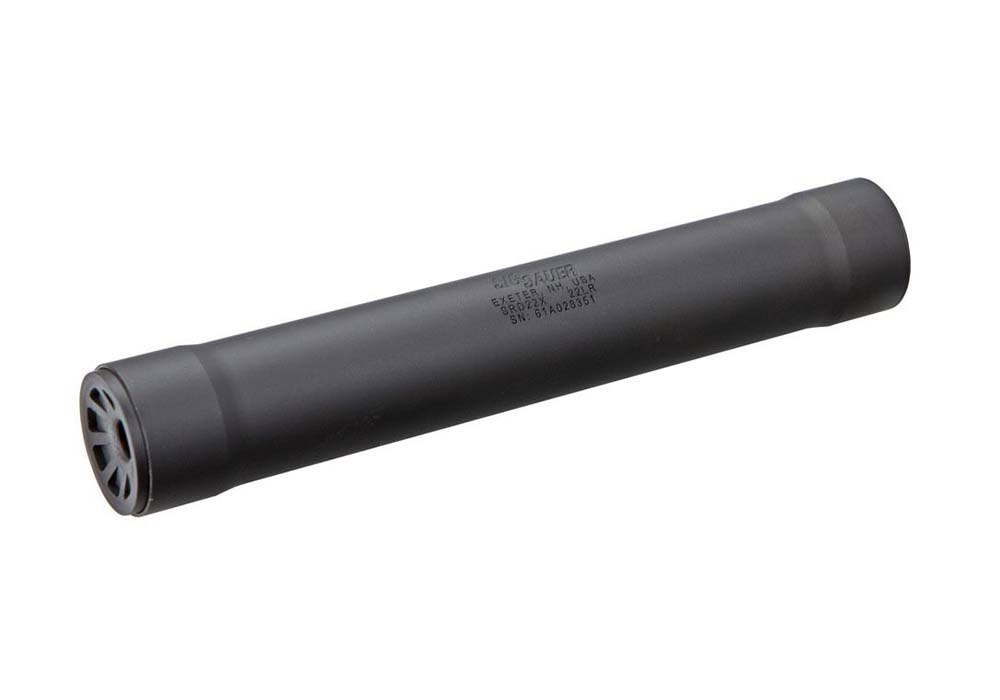
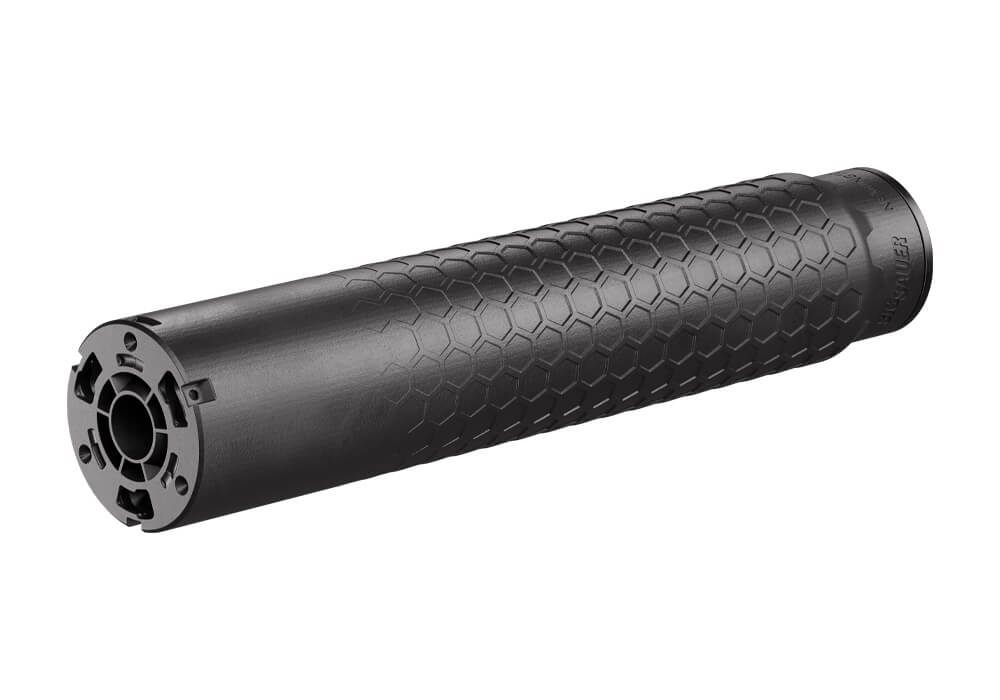
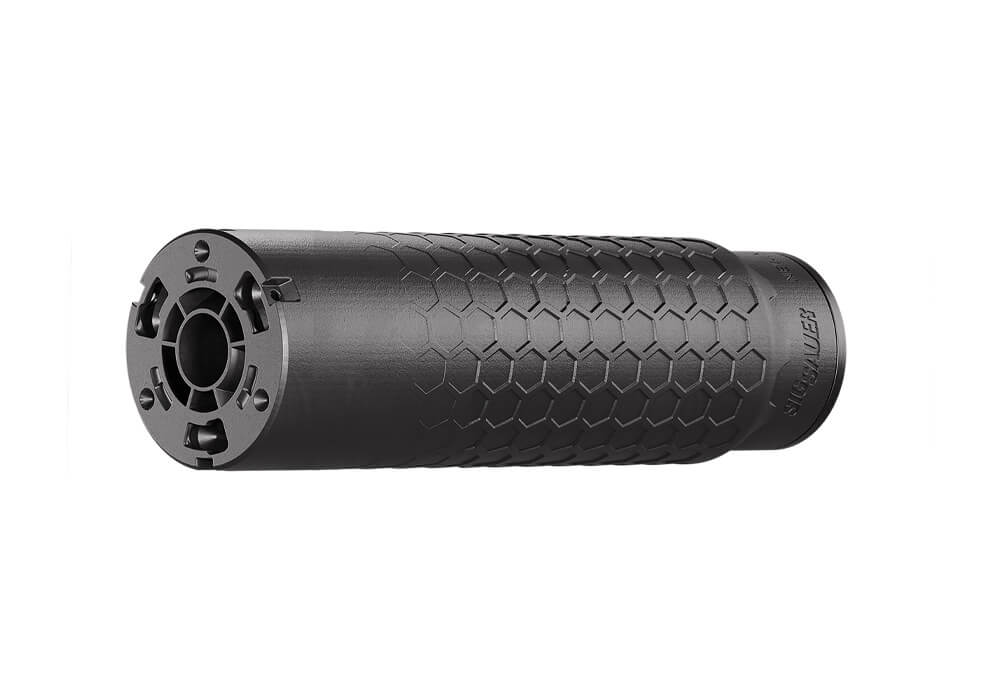
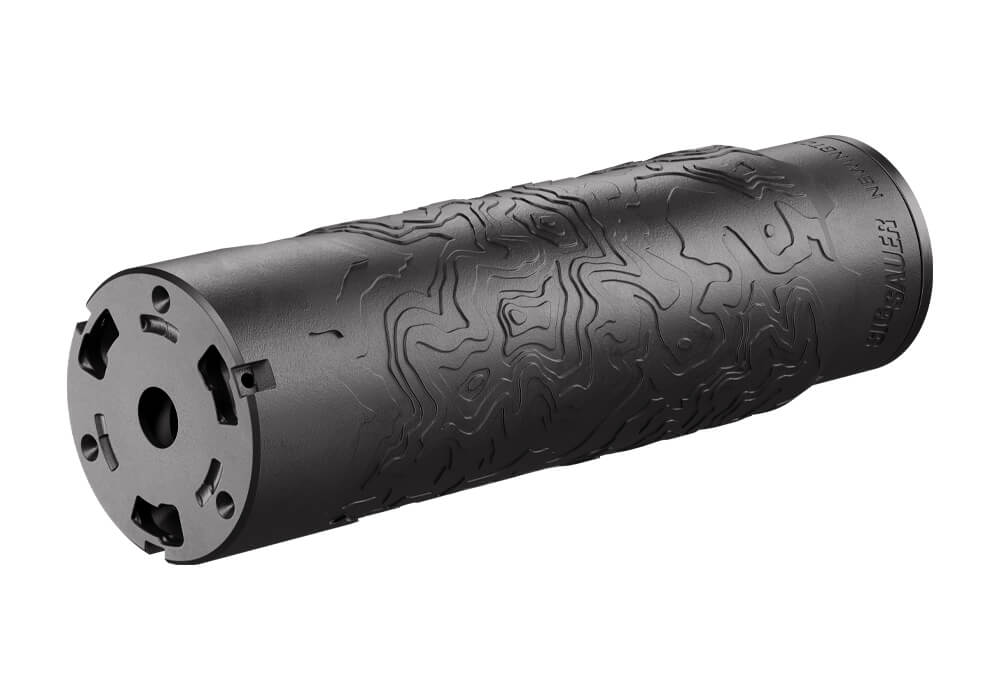
Suppressors for predator hunting suit rifle setups that need to balance sound reduction, manageable weight, and dependable performance in the field. A hunter walking between calling stands along a pasture edge has different priorities from someone settling into a blind overlooking a broad stretch of ranchland, but both benefit from equipment that fits the rifle without adding unnecessary bulk. A suppressor reduces muzzle blast by containing and redirecting expanding gases as they leave the barrel. That can soften the sound of a shot and reduce recoil, making a rifle more comfortable to practice with and potentially easier to keep steady through the shot. It does not make a firearm silent. Supersonic ammunition still produces a ballistic crack, and sound levels depend on the firearm, cartridge, barrel length, ammunition, and surrounding terrain. Hearing protection remains important, even with a suppressed rifle. For coyote and fox hunters, reduced muzzle blast may also make the source of a shot less obvious to nearby animals, although their reactions are unpredictable and no suppressor guarantees that other predators will remain nearby. These benefits are best understood as part of a complete hunting setup rather than a substitute for careful shot selection or sound field judgment. Material choice helps define how that setup feels. Titanium offers a favorable strength-to-weight balance for hunters covering substantial ground, while stainless steel and heat-resistant alloys can provide durability under demanding firing conditions. The material alone does not establish suitability; construction, manufacturer ratings, and intended use matter just as much. A compact suppressor may feel less cumbersome when carrying a rifle through brush or positioning it inside a blind, while a longer design may offer different sound-reduction characteristics. Neither length nor weight tells the whole story. For a rifle carried farther than it is fired, even a modest difference at the muzzle can affect balance. For a setup supported on a rest, handling priorities may lean toward stability and sound performance instead.
Compatibility is central to choosing a predator hunting suppressor. The cartridge designation, projectile diameter, muzzle threading, barrel length, and mounting system all need to fall within the manufacturer’s specifications. Common predator cartridges such as .223 and .22-250 can present different operating demands despite using similar projectile diameters, so bore size alone is not enough to confirm a match. A suppressor rated for one cartridge is not automatically suitable for every cartridge with the same bullet diameter. Larger-bore options may accommodate several compatible rifle chamberings, which can appeal to hunters who use more than one host firearm, while a dedicated smaller-bore design may better suit a particular rifle and its intended role. The right choice depends on verified ratings rather than assumptions about versatility. Mounting style also affects everyday ownership. Direct-thread designs can offer a straightforward arrangement for a suppressor that stays with one hunting rifle. Compatible quick-attach systems can provide convenience when moving a suppressor among approved hosts, though the complete mounting assembly adds its own dimensions and weight. Secure fit and proper alignment are essential with either approach, and uncertain compatibility calls for guidance from the manufacturer or a qualified gunsmith. Added muzzle weight can change the rifle’s balance and point of impact, so the hunting zero needs verification with the actual suppressor and ammunition combination. Consistency matters more than expecting a suppressor to improve accuracy automatically. On some semiautomatic rifles, suppressor use can also alter cycling behavior and increase gas reaching the action or shooter; designs that manage gas flow differently may be relevant to those hosts. Ammunition remains another important part of the equation. Subsonic loads avoid the supersonic crack, but they can have substantially different trajectories and terminal performance from typical predator hunting ammunition. Sound reduction should not take precedence over ammunition appropriate for the animal, the rifle, and the expected distance. A well-matched setup supports predictable performance without relying on claims that quiet operation alone makes it a better hunting tool.
Care, durability, and practical handling deserve the same attention as sound performance. Predator hunting equipment often travels across uneven ground, rests against shooting supports, and spends time in cases alongside other gear. A durable exterior finish can help resist ordinary wear, but it does not eliminate the need to protect the mounting surfaces and inspect the suppressor for damage. Maintenance requirements vary considerably. Some sealed rifle suppressors have limited routine cleaning needs, while serviceable designs may have specific inspection and cleaning procedures. The manufacturer’s instructions should determine the care schedule, approved cleaning methods, and any restrictions on solvents or equipment; an approach suitable for one material or construction may be unsuitable for another. Moisture, fouling, and debris around the mounting interface can interfere with fit, making clean, protected contact surfaces an important ownership consideration. Suppressors can also become hot during use, and heat management affects handling, transport, and storage. A rifle that feels balanced on the shoulder still needs enough room in its case for the added overall length, and protective accessories must be compatible with the suppressor’s operating limits. These details matter to landowners managing lawful predator activity, experienced callers refining a familiar rifle, and hunters assembling their first suppressed setup. Hunters comparing equipment for other applications can also explore Suppressors For Bear Hunting Season, keeping each firearm’s compatibility requirements and each hunt’s regulations distinct. Legal requirements for suppressor ownership, possession, transport, and hunting use vary by jurisdiction, and permission to possess a suppressor does not necessarily establish permission to hunt with it. Applicable wildlife rules and land-access requirements remain part of responsible preparation. Ultimately, a useful predator hunting suppressor is one that suits the rifle, the cartridge, and the way the hunter carries and uses that equipment. Verified fit, appropriate materials, realistic sound expectations, and manageable maintenance offer a stronger basis for selection than any single specification viewed on its own.