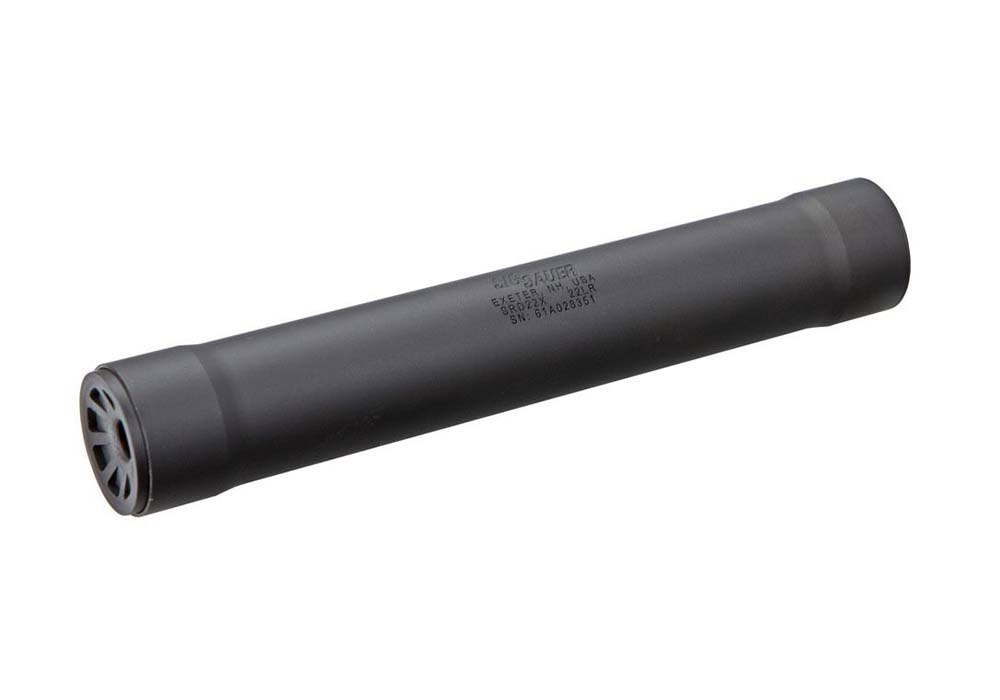
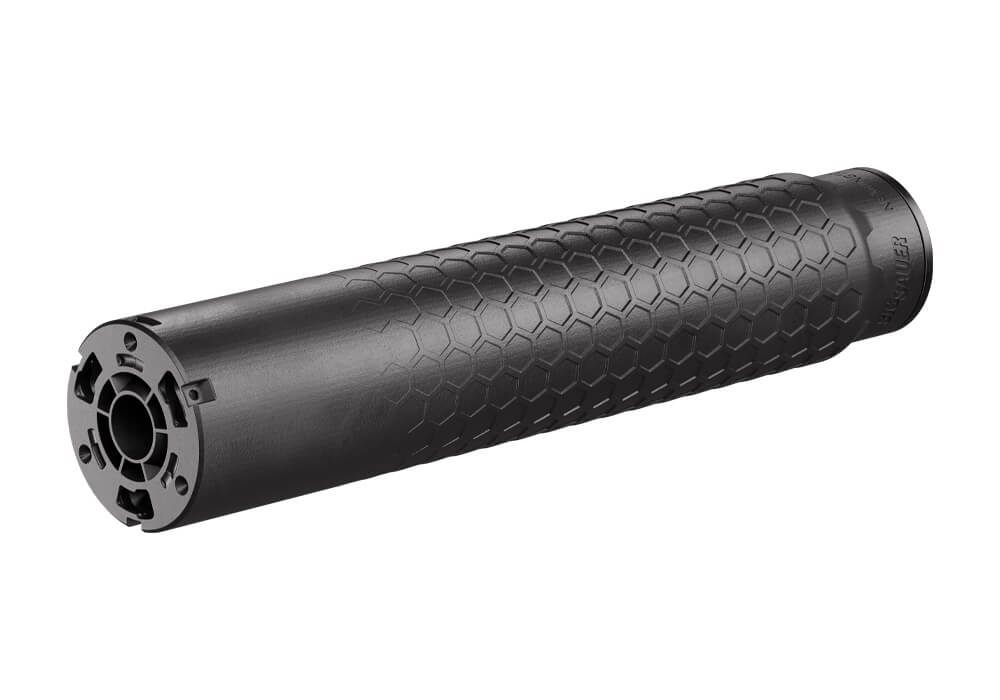
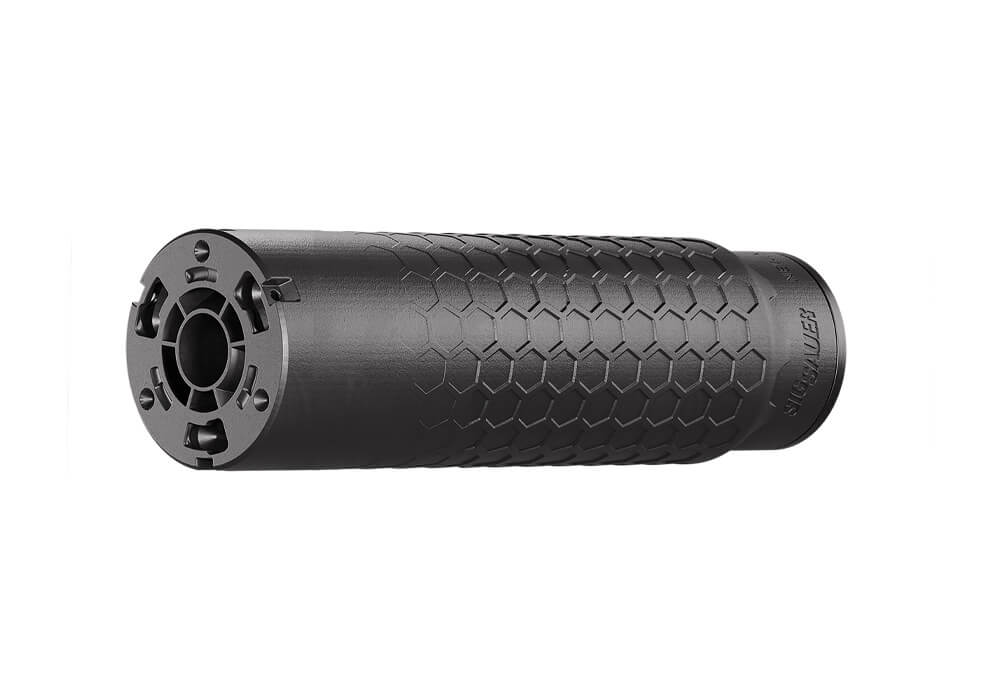
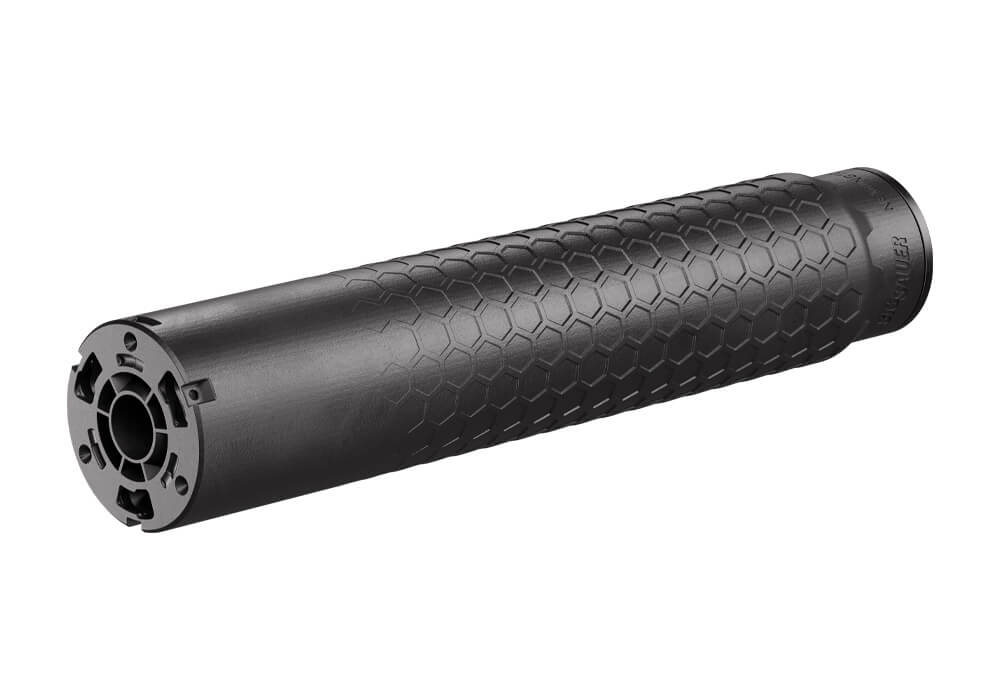
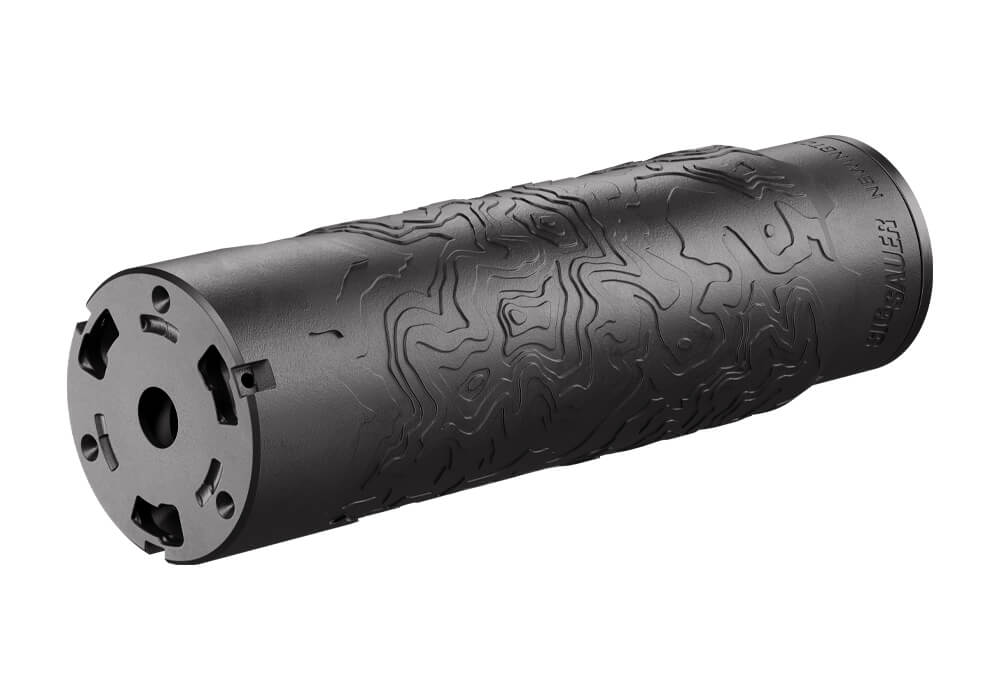
Suppressors for whitetail season are rifle accessories designed to reduce muzzle blast, with practical benefits for hunters who spend time in tree stands, ground blinds, and along field edges. By controlling the expansion of propellant gases at the muzzle, a suppressor reduces the sharp report of a rifle shot and can soften felt recoil. That difference can make practice more comfortable and help some shooters maintain composure behind the rifle, especially those who are sensitive to blast. It does not turn a centerfire hunting rifle into a silent firearm. Most conventional deer-hunting ammunition remains supersonic, so the bullet’s sonic crack is still present, and suppressed rifle shots can still produce hazardous sound levels. Appropriate hearing protection remains important at the range and in the field. A suppressor may lessen the disturbance associated with muzzle blast, but it cannot guarantee that nearby deer will remain calm or fail to locate a hunter. Animal reactions depend on distance, terrain, wind, and other sounds and movement. For whitetail hunting, the most useful benefits are often personal: a less punishing shooting experience, potentially reduced recoil, and equipment that encourages consistent practice before a hunt. Those advantages matter whether the rifle belongs to an experienced hunter watching a familiar oak ridge or a newer shooter learning to settle into a steady position. Size and balance deserve equal attention. A long suppressor can feel manageable on an open shooting bench yet become cumbersome inside a small blind or beside a tree-stand rail. A shorter, lighter option may be easier to carry through brush, while a larger design may offer greater sound reduction, depending on its construction and the rifle setup. Overall rifle length, muzzle weight, and the space around a shooting position help determine which proportions suit the hunt. The goal is a combination that remains comfortable to carry and steady to aim without treating sound reduction as the only measure of suitability.
Compatibility is the foundation of selecting a hunting suppressor. Bore size, cartridge rating, barrel length restrictions, muzzle threads, and mounting system all need to match the intended rifle. A .30-caliber suppressor can be a versatile choice for common whitetail cartridges such as .308 Win, .30-06, and 6.5 Creedmoor, but only when the manufacturer explicitly approves the cartridge and barrel configuration. Bore diameter alone does not establish compatibility, and a suppressor rated for one combination should not be assumed suitable for another. A threaded barrel also needs the correct thread pattern and appropriate mounting surfaces; a qualified gunsmith can evaluate alignment and fit when there is uncertainty. Direct-thread systems and compatible quick-attach mounts offer different approaches to attachment, with tradeoffs in weight, overall length, and the equipment required on the rifle. Material selection adds another layer to the decision. Titanium is valued for its favorable strength-to-weight ratio, particularly on rifles carried over long distances or held in position for extended periods. Stainless steel and heat-resistant nickel alloys can provide substantial durability, although actual weight and performance depend on the complete design rather than the material name alone. A hunter who primarily fires a few deliberate shots has different demands from someone who also puts the same equipment through frequent range sessions. Manufacturer limits for firing schedules and heat remain relevant in either case. Surface finishes, corrosion resistance, and the resilience of mounting components also matter when equipment encounters wet leaves, muddy trails, or snow. A suppressor adds weight at the muzzle and can change the rifle’s point of impact, so a hunting rifle should be checked at an established range in the same configuration intended for the field. Consistency matters more than assuming an attachment will leave the original zero untouched. Any adjustment belongs within normal, safe range practice, with attention to the rifle, ammunition, and suppressor as a complete setup. A well-matched system supports confidence in familiar equipment; it does not replace marksmanship, responsible shot selection, or knowledge of the rifle’s effective hunting range.
Care and durability are especially relevant for equipment that travels from a damp blind to a vehicle, then into storage between hunts. Suppressors retain heat after firing, so they need adequate cooling time before handling or enclosing them in a case. Moisture and debris deserve attention as well: exterior surfaces, mounting areas, and protective cases should be kept clean and dry according to the manufacturer’s recommendations. Maintenance requirements vary widely. Many centerfire rifle suppressors are sealed and are not intended for owner disassembly, while other designs have specific service procedures. Cleaning methods, solvents, and inspection intervals should follow the instructions for the equipment rather than a generic routine. Mounting components also warrant inspection for wear, damage, and anything that could interfere with secure attachment. For hunters who spend long hours outdoors, practical details such as an easy-to-inspect finish, manageable weight, and a case that accommodates the rifle’s added length can be as valuable as headline performance claims. Suppressors for whitetail season suit hunters who want less muzzle blast without overlooking these everyday considerations, including those sharing range time with a newer hunting partner. They can also be a meaningful equipment choice for an experienced hunter, although any gift or transfer must follow applicable laws and account for the recipient’s rifle configuration. Ownership rules and hunting permissions are separate considerations. Federal, state, and local requirements can differ, and legal possession does not automatically establish permission to hunt with a suppressor in every destination. Hunters traveling across state lines should confirm transportation requirements and the regulations that apply where the hunt takes place. Those pursuing additional game can explore Suppressors For Bear Hunting Season, with the same attention to cartridge approval, rifle fit, and field handling. For whitetail use, a suitable suppressor balances sound reduction, construction, and manageable dimensions with the realities of the hunt: the walk to a stand, the room inside a blind, and the care that keeps equipment dependable between outings.