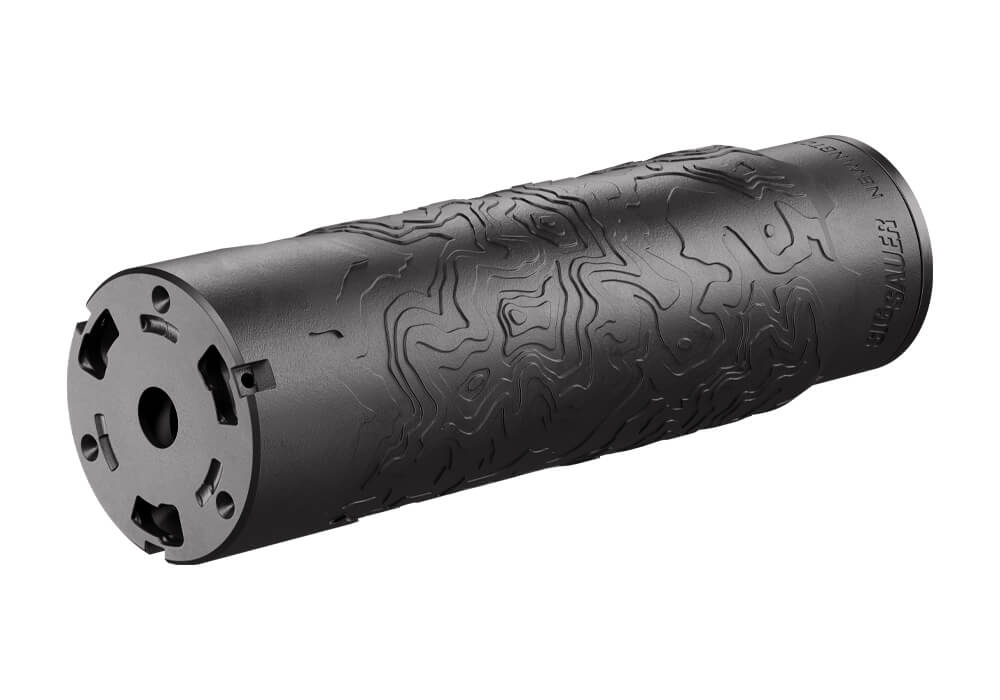
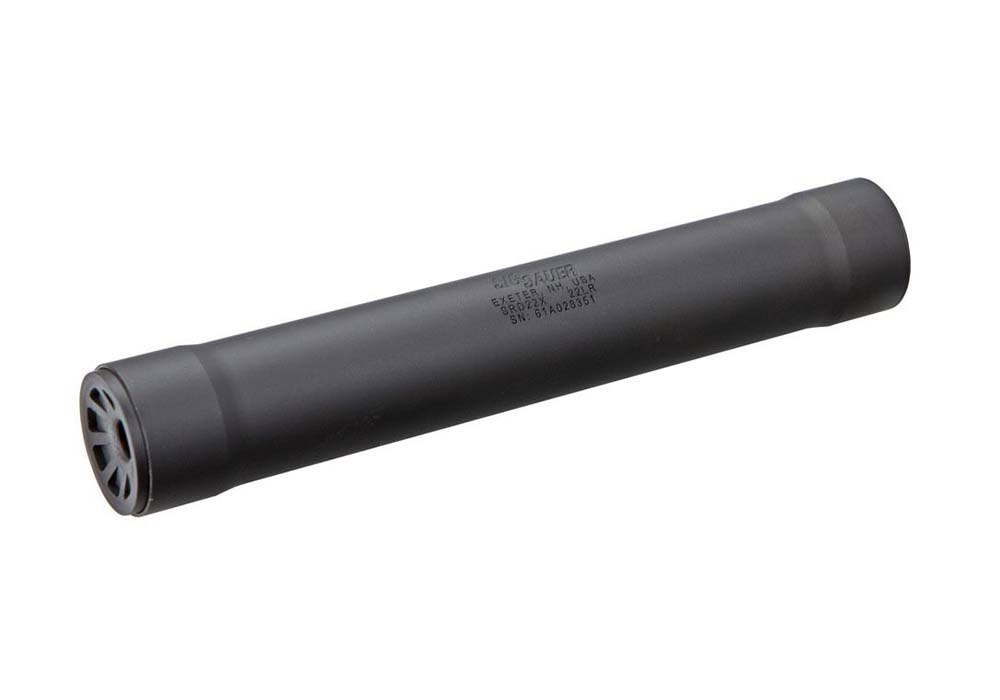
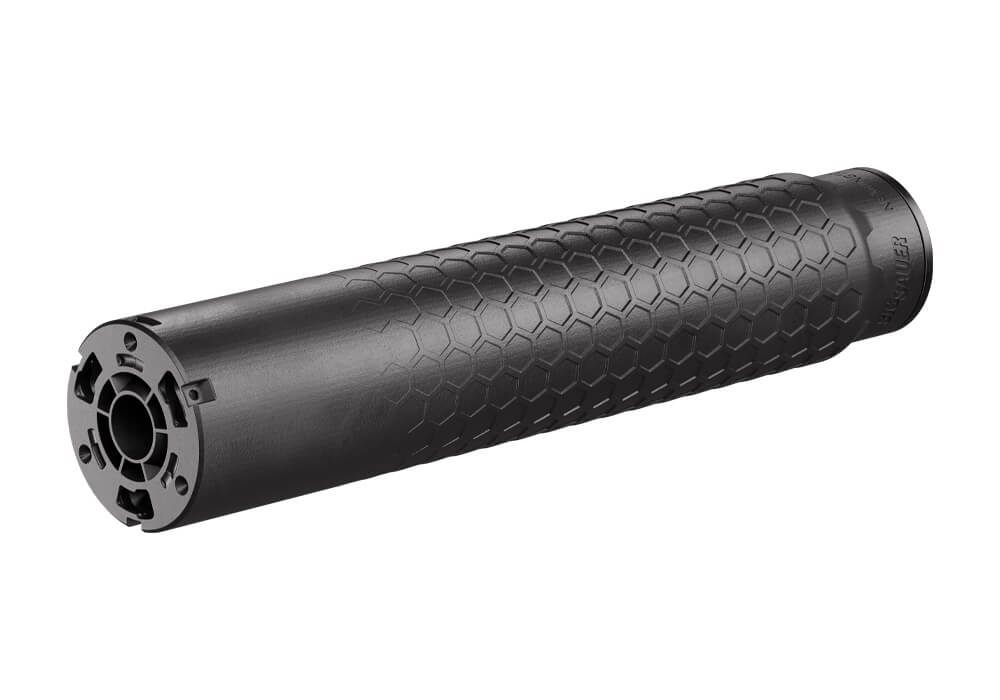
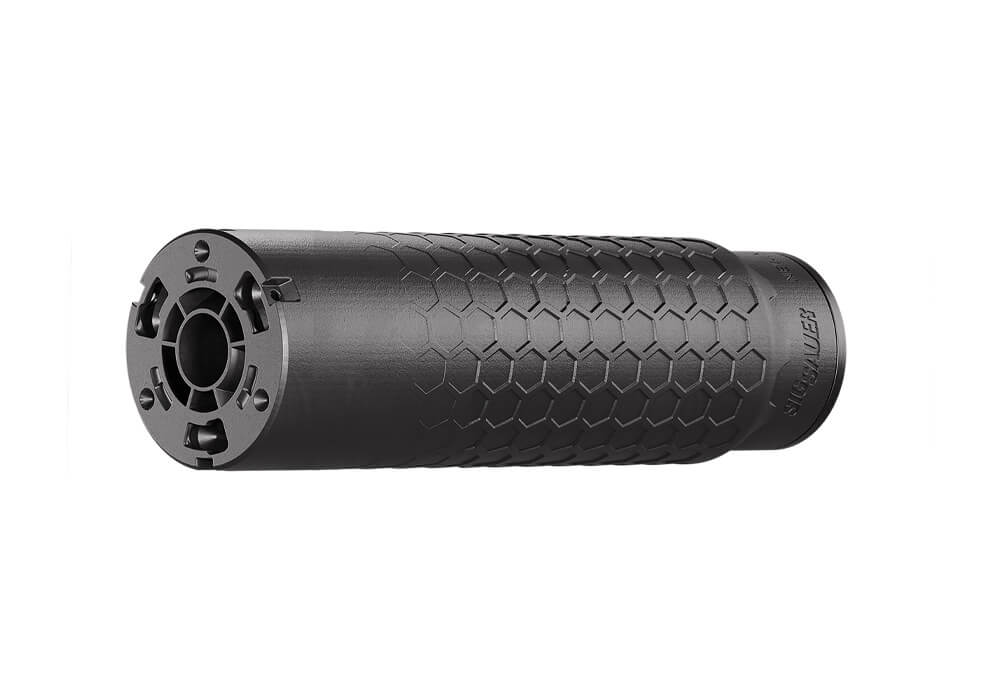
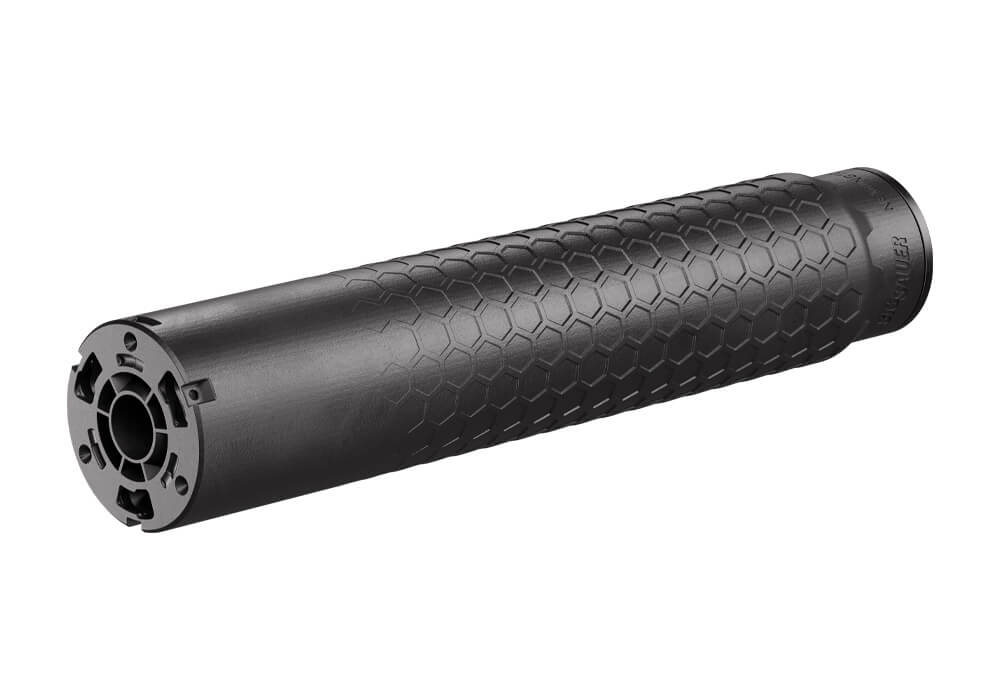
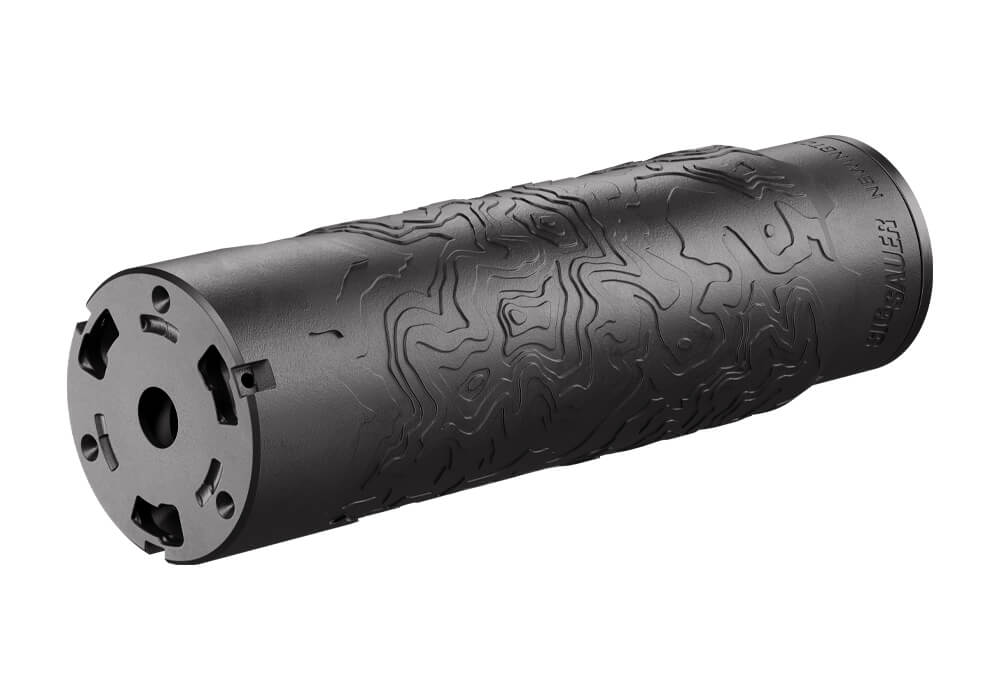
Suppressors for hog season are rifle accessories that reduce muzzle blast by containing and slowing expanding propellant gases. For hunters working field edges, creek bottoms, and brushy pasture, that reduction can make a rifle more comfortable to shoot while limiting some of the concussion associated with an unsuppressed muzzle. A suppressor may also lessen felt recoil, depending on the rifle, ammunition, and suppressor design. It does not silence a firearm, remove the crack of supersonic ammunition, or replace appropriate hearing protection. Those distinctions matter when comparing suppressors for hog hunting, particularly for hunters sharing a blind or shooting near reflective surfaces that can intensify the perception of blast. Hogs may still scatter after a shot, and animal reactions are too variable to treat sound suppression as a guarantee of additional shooting opportunities. The practical benefit is a more manageable shooting experience, not an inaudible rifle. Hunting style helps define which characteristics deserve the most attention. A hunter walking a long fence line, crossing uneven ground, or carrying a rifle alongside observation equipment will notice weight at the muzzle differently than someone hunting from a stationary position. A shorter, lighter suppressor can be easier to carry through brush and maneuver inside a blind, while a larger design may offer a different balance of sound reduction, weight, and heat tolerance. Neither size nor weight alone establishes overall performance. Added length also changes how the rifle clears a window opening, rests on shooting supports, and travels in a case. For hunters involved in agricultural damage management or recreational hog hunting where permitted, a suitable suppressor complements an existing rifle without making its handling awkward. Low-light hunting, where lawful, adds another consideration: muzzle flash performance varies by design and ammunition, and it should be evaluated separately from sound reduction. Positive target identification, a safe backstop, and awareness of livestock, buildings, and neighboring property remain essential regardless of the equipment attached to the barrel.
Fit begins with the rifle and ammunition, not simply with the suppressor’s outside dimensions. The suppressor must be rated for the cartridge, and its bore must be appropriate for the projectile diameter. Barrel length restrictions, pressure limits, and permitted firing schedules also matter, especially when a compact rifle produces a demanding combination of muzzle pressure and heat. A suppressor that accommodates several calibers can be useful for a hunter with more than one compatible rifle, but broad caliber compatibility does not mean every barrel or cartridge combination is approved. Mounting details are equally important. Direct-thread systems attach to compatible barrel threads and can suit a rifle that retains the same suppressor throughout its hunting use. Quick-attach systems connect through a compatible muzzle device and may suit hunters who move a suppressor among approved rifles. Both approaches depend on correct thread specifications, sound mounting surfaces, proper alignment, and installation according to the manufacturer’s directions. A qualified gunsmith can evaluate questionable threads or alignment before use. Material choice then shapes the balance between carrying comfort and durability. Titanium is valued for its relatively low weight, while stainless steel and certain nickel alloys can provide strong resistance to demanding heat conditions. Actual durability depends on the complete design and its published ratings, rather than the material name alone. A lightweight hunting suppressor and a design intended for more sustained firing may have different limits even when their dimensions appear similar. Protective finishes can help resist surface wear and corrosion, although muddy handling, abrasion, and repeated heating still call for sensible care. On a semiautomatic rifle, suppressor design can influence gas flow, cycling behavior, and fouling; compatibility includes how the complete firearm operates, not just whether the attachment fits. The added muzzle weight can also change balance and point of impact. Confirming the rifle’s zero with the intended suppressor and hunting ammunition establishes a reliable reference before field use. Repeatable mounting, comfortable handling, and a verified zero are more meaningful than expecting any suppressor to improve accuracy automatically.
Field durability becomes especially tangible when a hunt involves wet grass, grit from an unpaved road, or the cramped corner of a blind. A suppressor’s exterior may tolerate demanding use, but mounting surfaces still need protection from debris, and exposure to moisture deserves attention before storage. Moving between a heated vehicle and cold outdoor air can introduce condensation, making a dry storage environment important even when the equipment never sees rain. Care requirements vary considerably: some suppressors allow user maintenance, while others have sealed construction and should not be taken apart. Cleaning methods, solvents, inspection intervals, and service procedures should follow the manufacturer’s recommendations. Aggressive scraping or an unsuitable chemical can damage components or finishes instead of preserving them. Heat is another everyday consideration. A suppressor can remain hot well after firing, and contact with vegetation, clothing, a rifle case, or bare skin can cause damage or injury. Allowing it to cool before handling or packing protects both the equipment and the person carrying it. Any cover or accessory must be compatible with the suppressor’s intended use and temperature limits. For an experienced hog hunter, these ownership details often matter as much as dimensions because the suppressor becomes part of a familiar rifle setup rather than an isolated accessory. Someone considering a suppressor as a gift should first understand the recipient’s rifle compatibility, preferences, and applicable legal requirements; a regulated firearm accessory is not a casual transfer. Federal, state, and local rules can govern possession, transfer, transport, and hunting use, while hog hunting permissions and nighttime methods vary by jurisdiction and property. Landowner authorization and applicable wildlife regulations remain separate responsibilities. Hunters comparing requirements for another hunting application can also explore Suppressors For Bear Hunting Season. Across these uses, the most useful qualities remain consistent: appropriate cartridge ratings, secure fit, manageable weight, dependable performance within stated limits, and care that supports repeated field use.