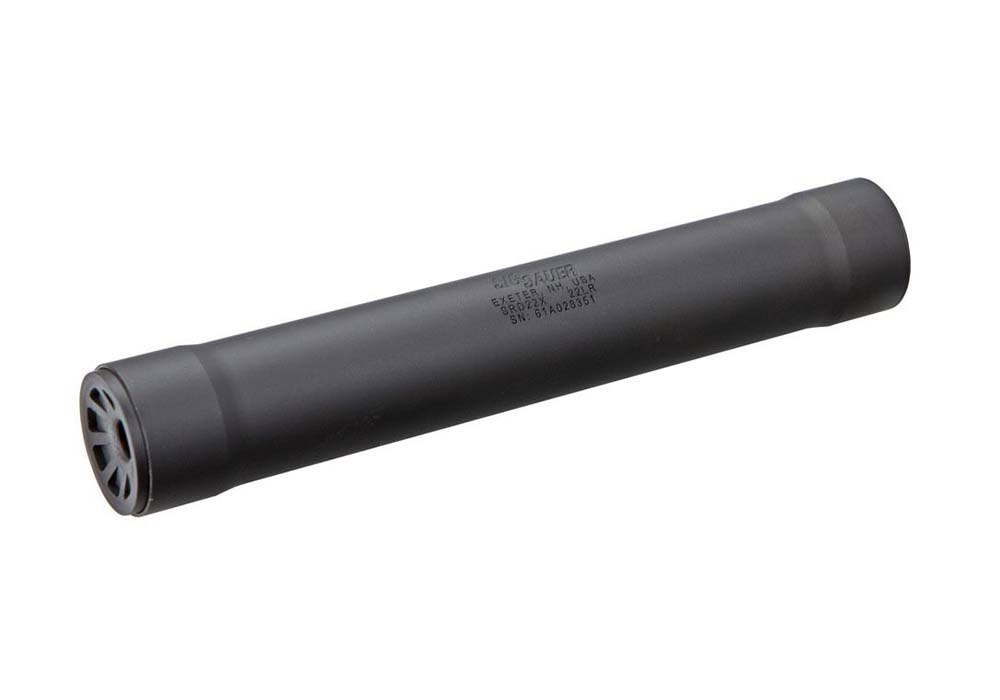
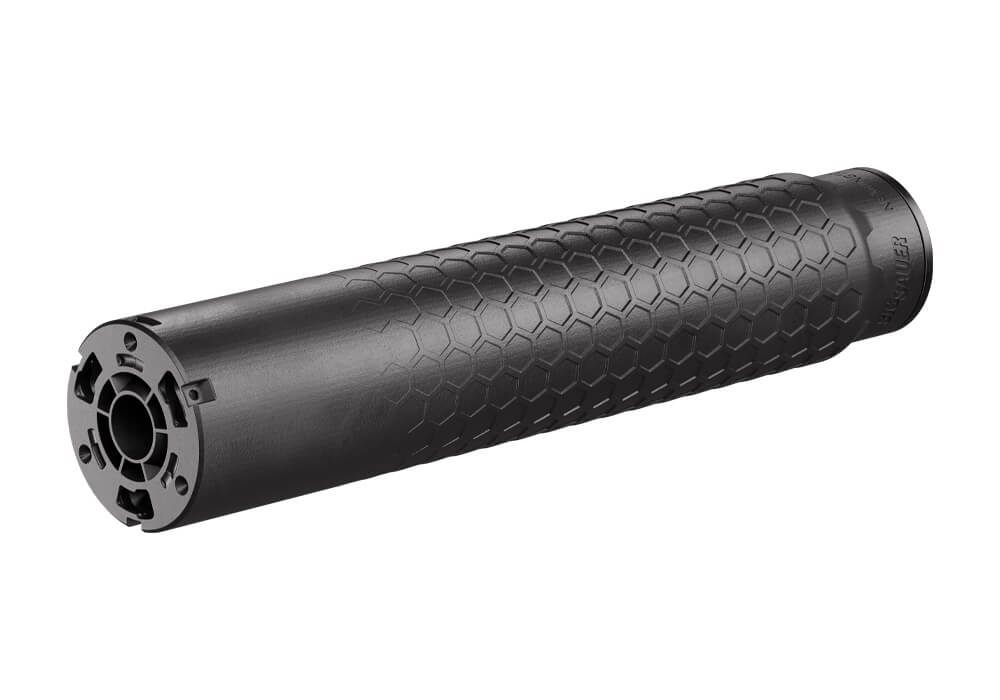
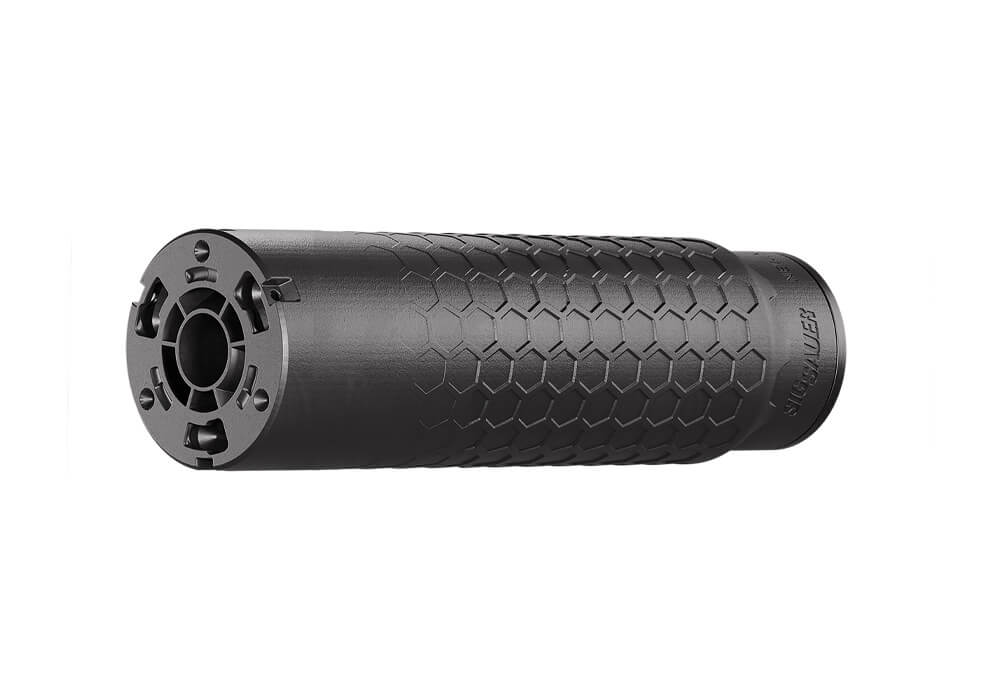
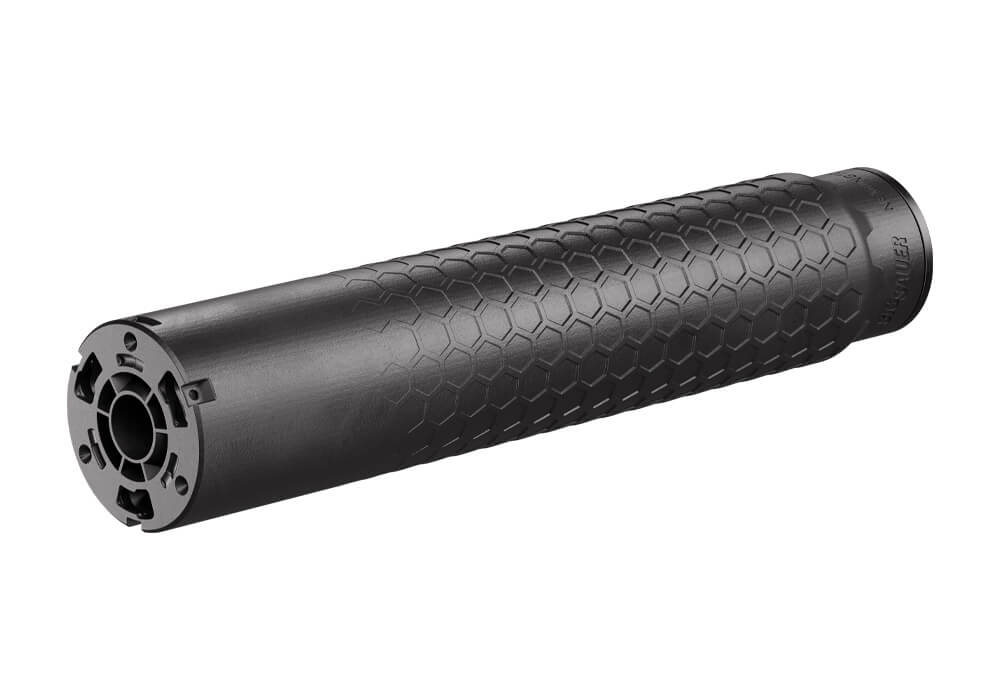
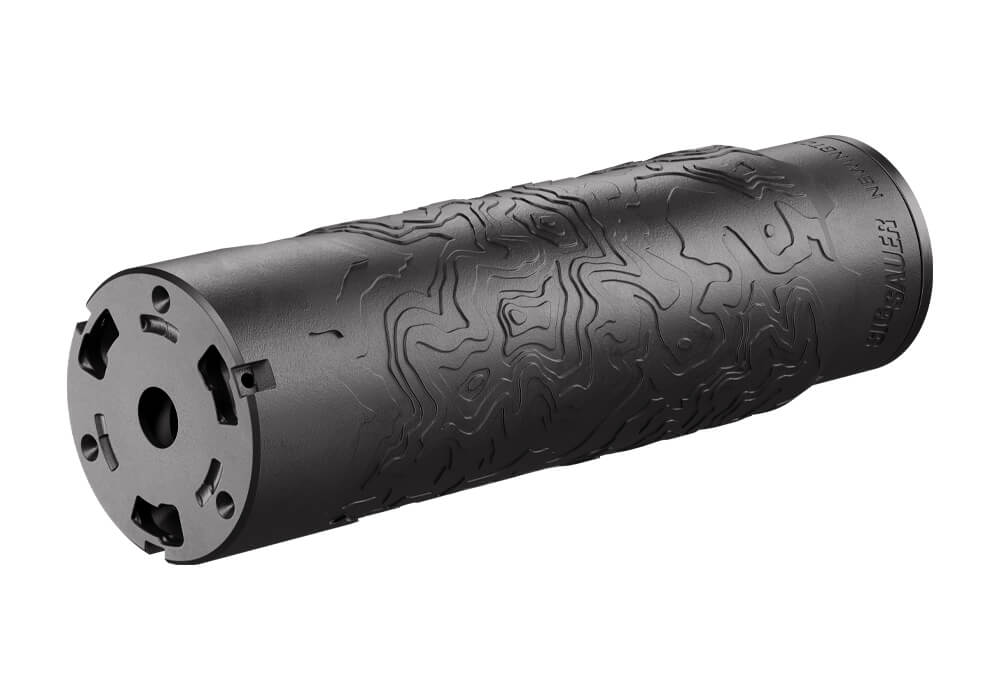
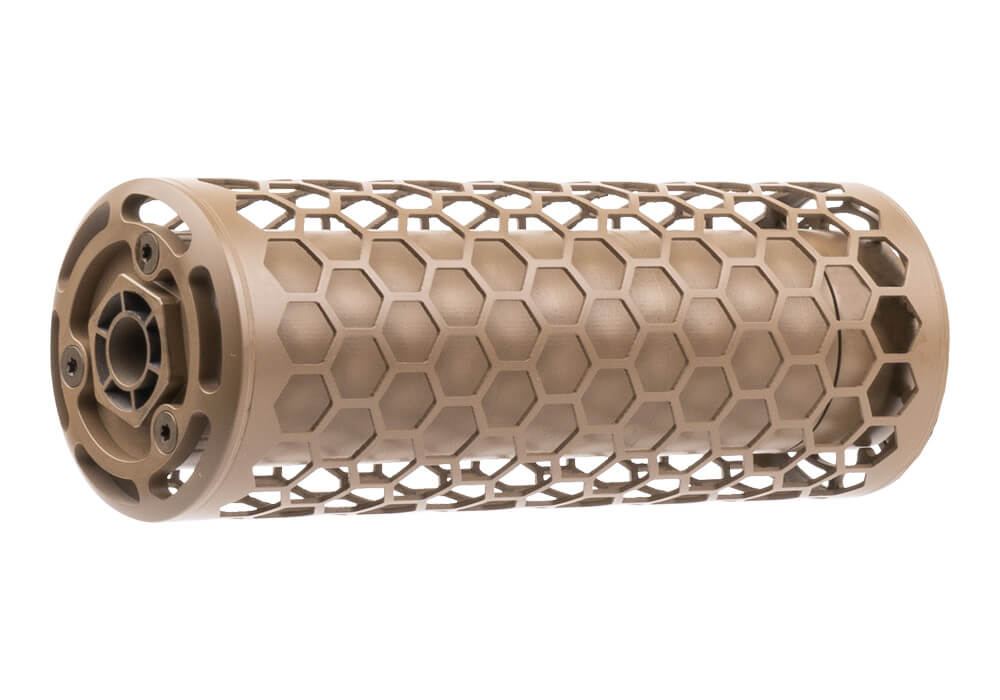
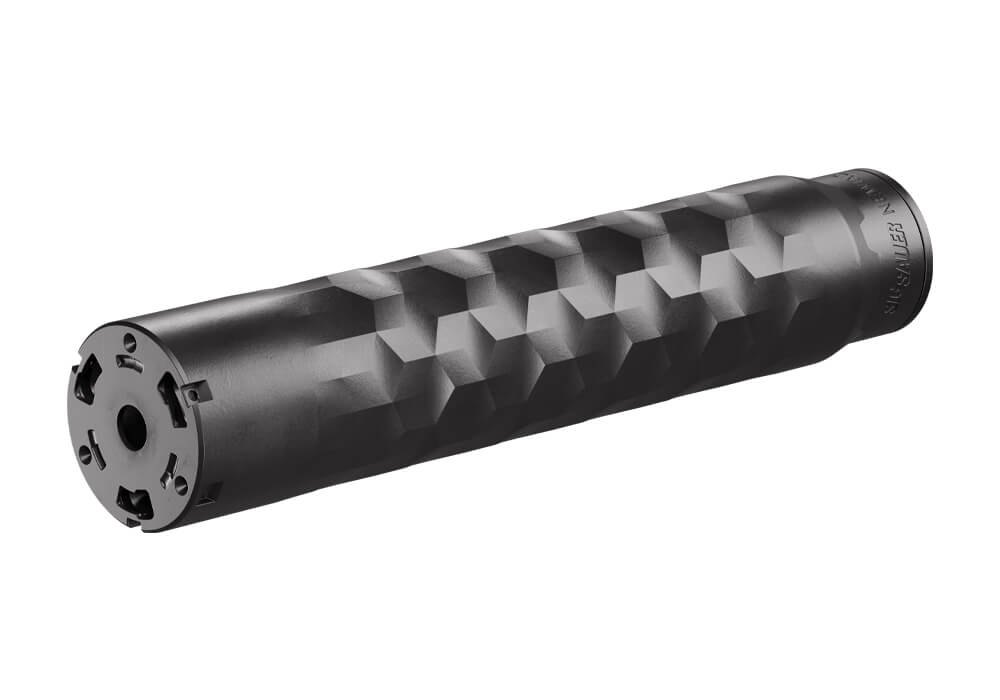
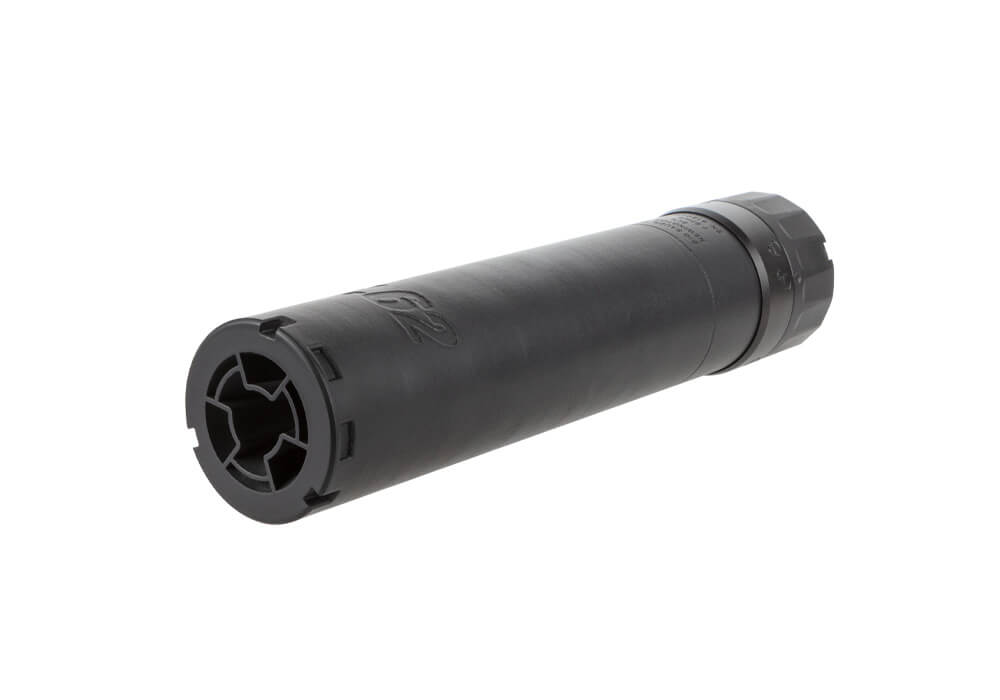
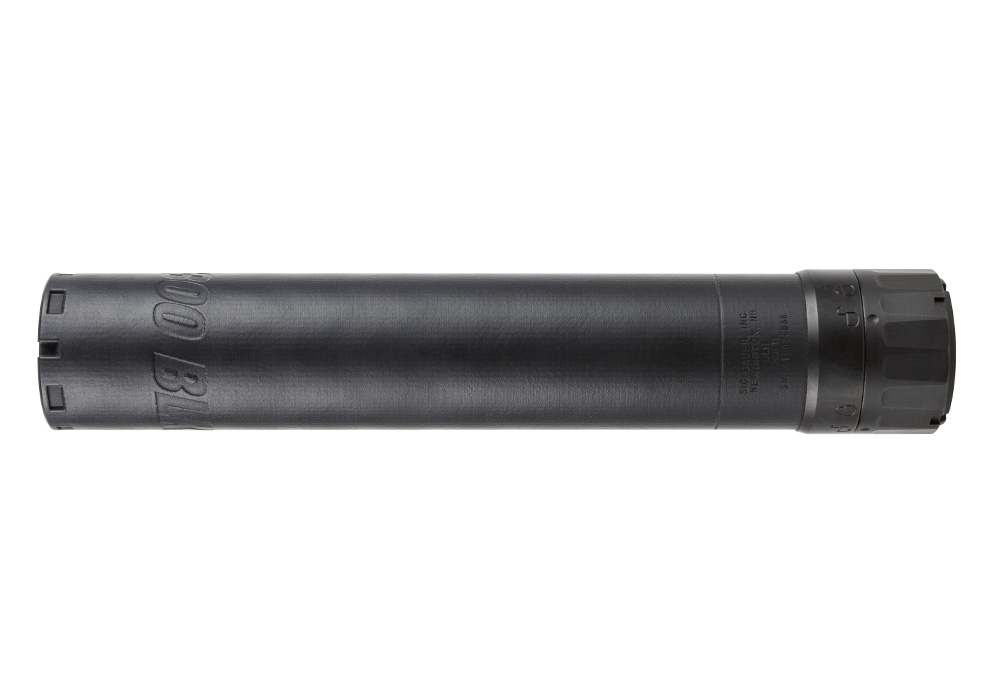
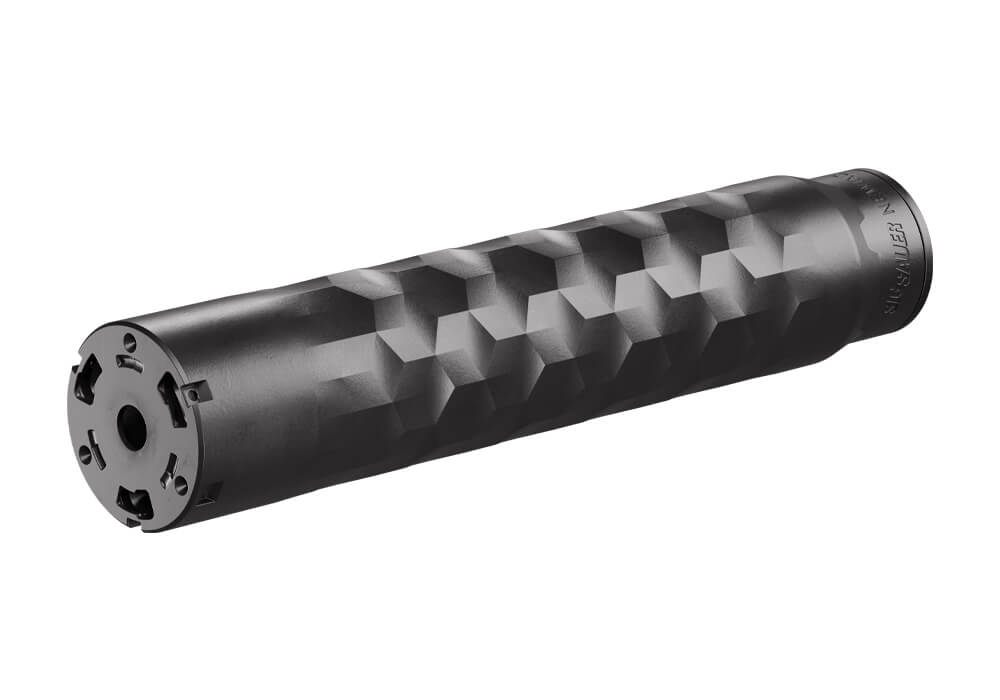
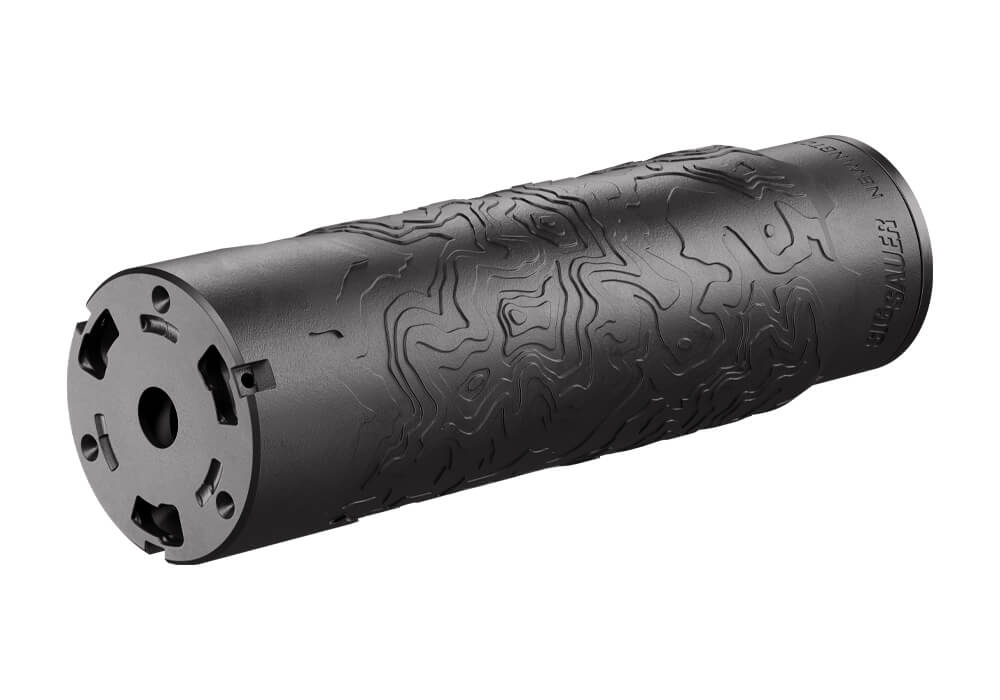
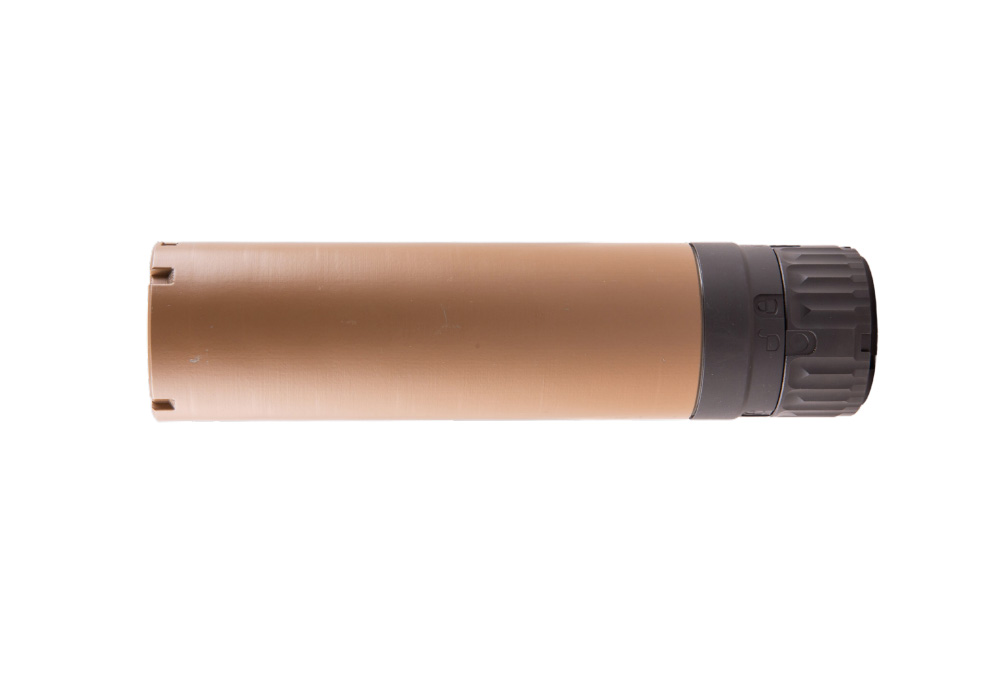
Advanced firearm suppressors combine sound reduction, gas management, and durable construction in an accessory that must work as part of a complete firearm system. Positioned at the muzzle, a suppressor gives expanding propellant gases space to slow and cool before exiting, reducing the intensity of the muzzle report. Internal geometry, construction materials, mounting interfaces, and overall dimensions all influence performance. Modern additive manufacturing, including metal 3D printing, allows intricate internal passages that are difficult to produce through conventional machining alone. Those passages can help engineers balance sound suppression with gas flow, weight, and structural strength, although the manufacturing method by itself does not establish how well a suppressor performs. Titanium offers a favorable strength-to-weight ratio for applications where carrying comfort matters, while stainless steel and nickel-based superalloys can provide durability in demanding firing conditions. Each material has limits, and its suitability depends on the complete design and the manufacturer's stated use restrictions. Sound reduction also involves more than a single decibel figure. The firearm, ammunition, barrel length, measurement location, and testing conditions all affect reported results. A suppressor reduces muzzle blast, but it does not eliminate action noise or the sonic crack associated with supersonic ammunition. Hearing protection remains important, even when a firearm sounds substantially quieter. Depending on the design and ammunition, suppression may also reduce visible muzzle flash and change the character of the shooting experience. For a hunter carrying a rifle over uneven ground, added weight and overall length can be as important as sound performance. For a recreational shooter practicing from a bench, mounting consistency and comfort near the firing position may receive greater attention. Professional users may have additional requirements for endurance, flash reduction, and compatibility with established equipment. The most useful comparison considers those needs together rather than treating maximum sound reduction, minimum weight, or the newest manufacturing process as the only measure of an advanced design. Clear technical specifications help distinguish a suppressor suited to occasional precision shooting from one intended for a more demanding firing schedule.
Fit begins with the firearm and cartridge, not simply the suppressor's external size. Caliber ratings, cartridge restrictions, minimum barrel lengths, muzzle thread specifications, and approved mounting systems all matter. A suppressor with a bore large enough for a projectile is not automatically suitable for the pressure and operating conditions of every cartridge using that projectile diameter. Multi-caliber designs can offer flexibility across compatible firearms, but each combination still needs to fall within the manufacturer's published ratings. Direct-thread mounting connects a suppressor to compatible barrel threads, while quick-detach systems use a matching muzzle interface to support attachment and removal. Neither approach is universally best: overall weight, added length, maintenance needs, and the consistency of the connection deserve consideration. Proper alignment is essential, and uncertain compatibility calls for evaluation by a qualified professional rather than guesswork. On semiautomatic rifles, the way a suppressor handles gas can be especially significant. Conventional designs may increase pressure within the operating system, potentially affecting cycling behavior and the amount of gas reaching the shooter. Low-Back-Pressure Rifle Suppressors emphasize gas-flow characteristics intended to limit those effects, making them relevant when comparing sound performance with the behavior of a compatible rifle. Reduced back pressure does not mean that every firearm will respond identically, nor does it remove the need to follow firearm and suppressor guidance. Length and weight also change how a rifle feels in use. A compact suppressor can preserve handling convenience, while a longer design may offer different sound-reduction characteristics; the actual tradeoff depends on its engineering. Added muzzle weight can shift balance noticeably during unsupported shooting or a long walk to a hunting position. Suppressors can also change a firearm's point of impact, so verifying zero with the intended configuration is important before use. For shooters who regularly remove and reinstall an accessory, repeatable mounting and a secure interface matter more than appearance alone. Published testing is most informative when the firearm setup, ammunition, and measurement method are disclosed, allowing comparisons based on similar conditions rather than isolated claims.
Durability is a combination of material selection, internal design, mounting integrity, and use within stated limits. A lightweight suppressor intended for deliberate firing should not be assumed to tolerate the same firing schedule as a heavier design engineered for sustained use. Heat generated during shooting can affect handling, component wear, and the service life of an accessory, which makes manufacturer ratings meaningful rather than optional fine print. Allowing a suppressor to cool before handling or storage protects both the user and nearby equipment. Surface finishes can help resist corrosion and wear, but they do not replace routine inspection or appropriate care. Maintenance requirements vary substantially between sealed and user-serviceable designs. Some suppressors permit access to internal components for cleaning, while others are intended to remain assembled and receive only the maintenance specified by the manufacturer. Cleaning methods, solvents, and tools should match those instructions, particularly when different metals or protective finishes are involved. Excessive cleaning or an unsuitable chemical can create problems instead of preventing them. Mounting surfaces also deserve attention because debris, fouling, or damage can interfere with a secure connection. Before use, checking the accessory's condition and confirming that its mounting interface is functioning as specified helps support consistent performance. Unusual movement, visible damage, or a change in mounting behavior warrants professional inspection. Storage should protect the suppressor from moisture and physical damage without enclosing it while hot. For owners using several compatible firearms, keeping track of each platform's ratings and mounting requirements helps prevent assumptions from carrying over between setups. Recreational shooters, hunters, and professional users benefit from clear documentation, accessible support, and a maintenance routine that fits the intended application. Ownership and transfer requirements are also part of the selection process: suppressors are regulated accessories, and applicable federal, state, and local rules should be confirmed through qualified sources. A well-matched advanced suppressor brings together appropriate sound performance, manageable gas behavior, secure fit, and durability for its intended use, with published specifications that support an informed choice.