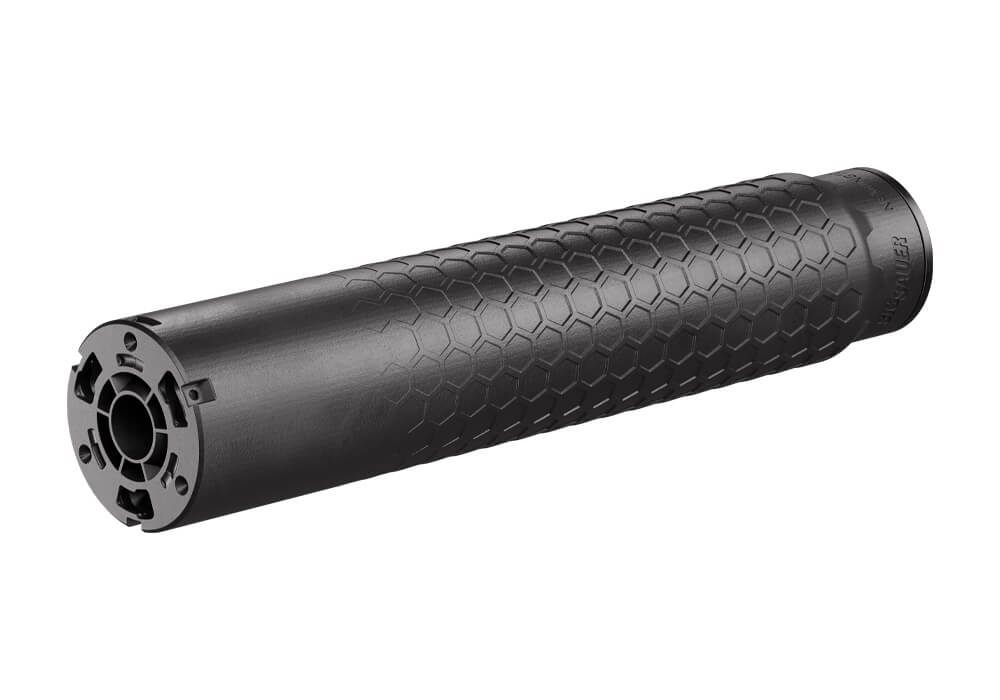
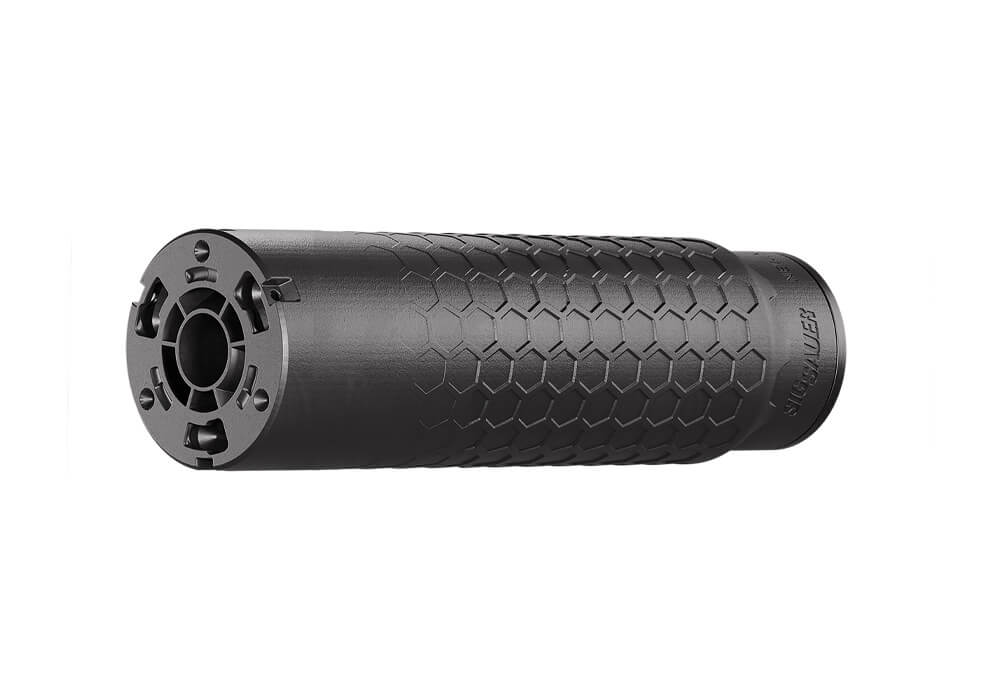
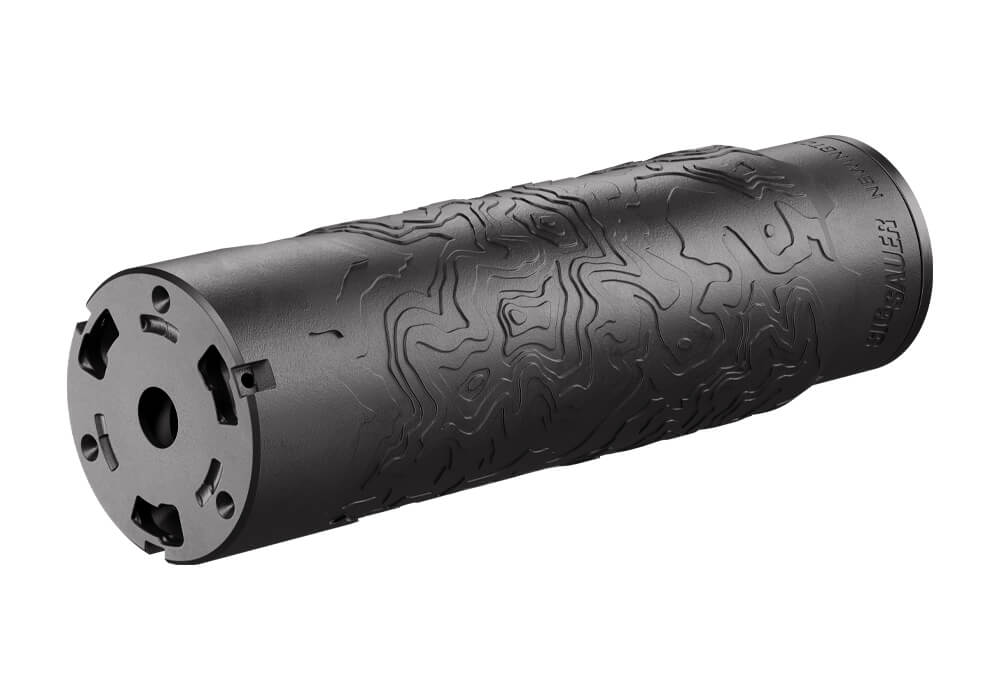
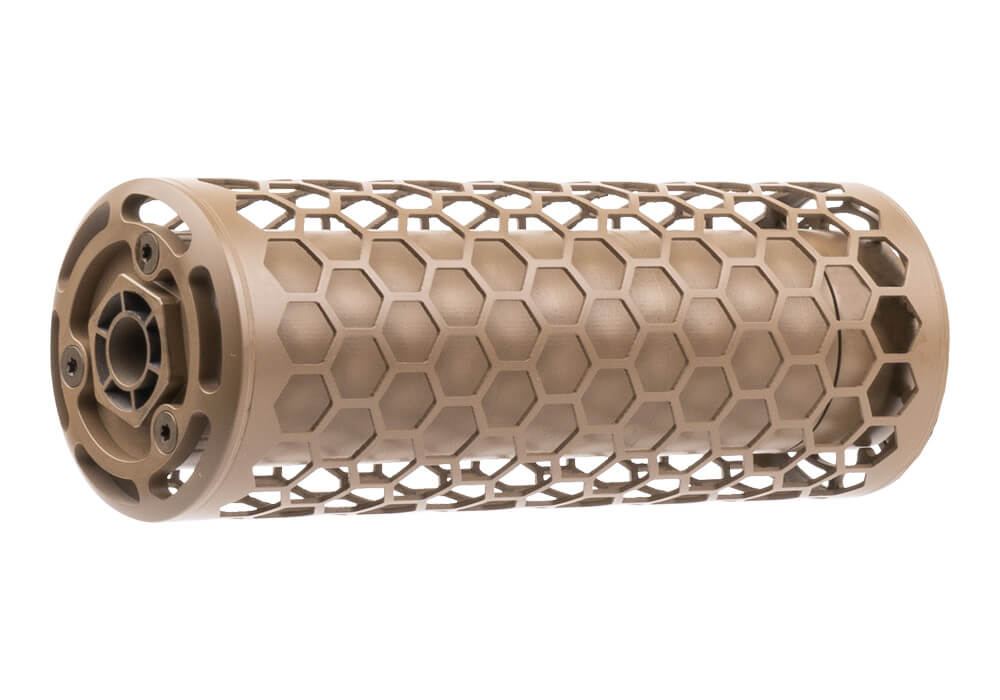
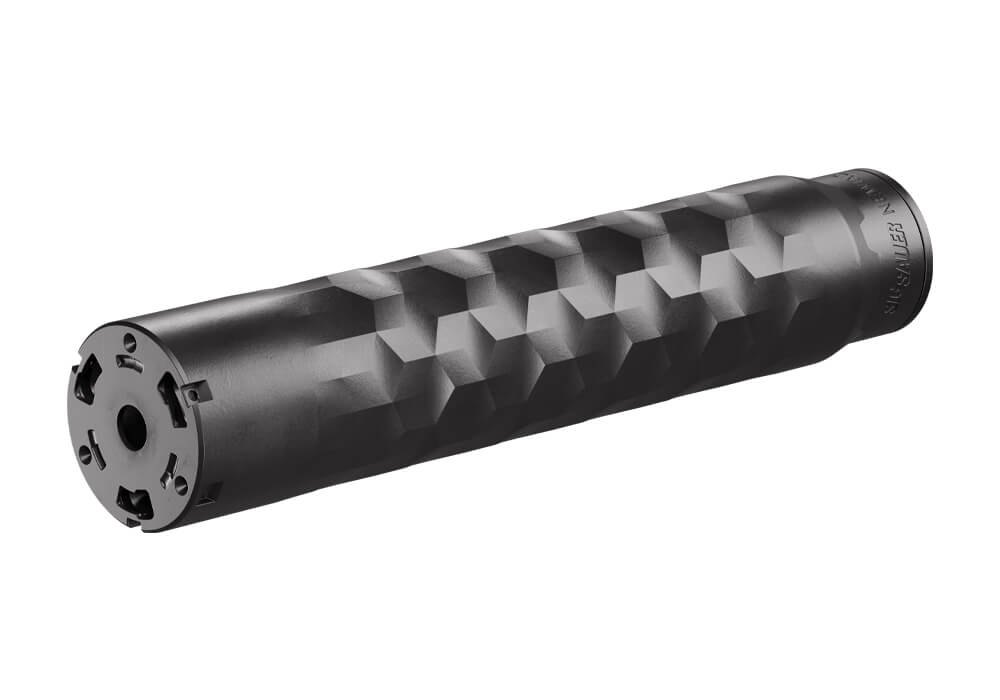
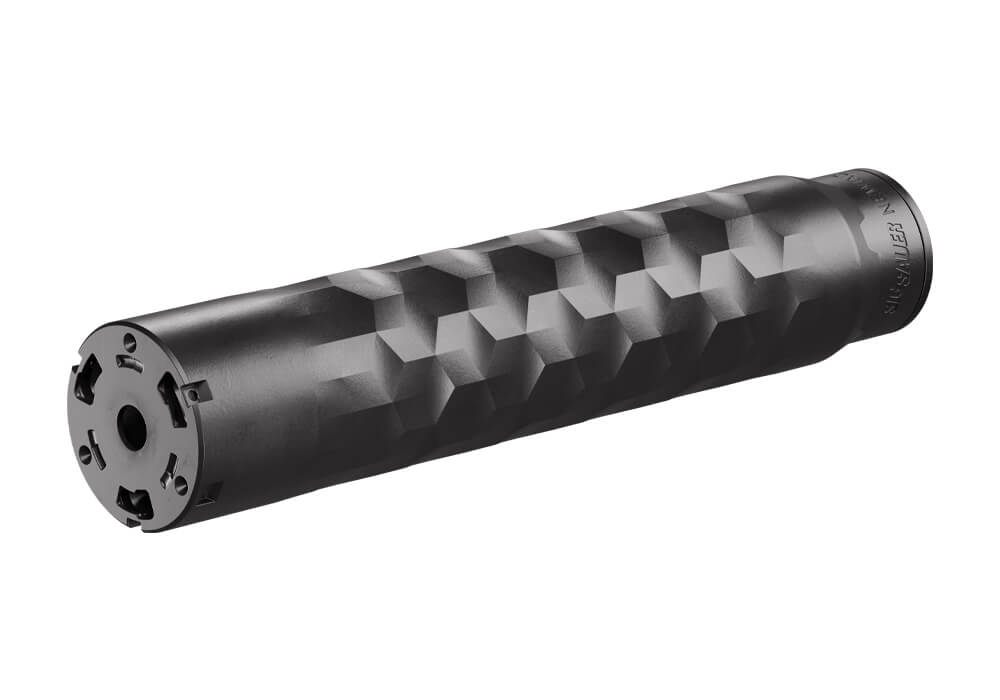
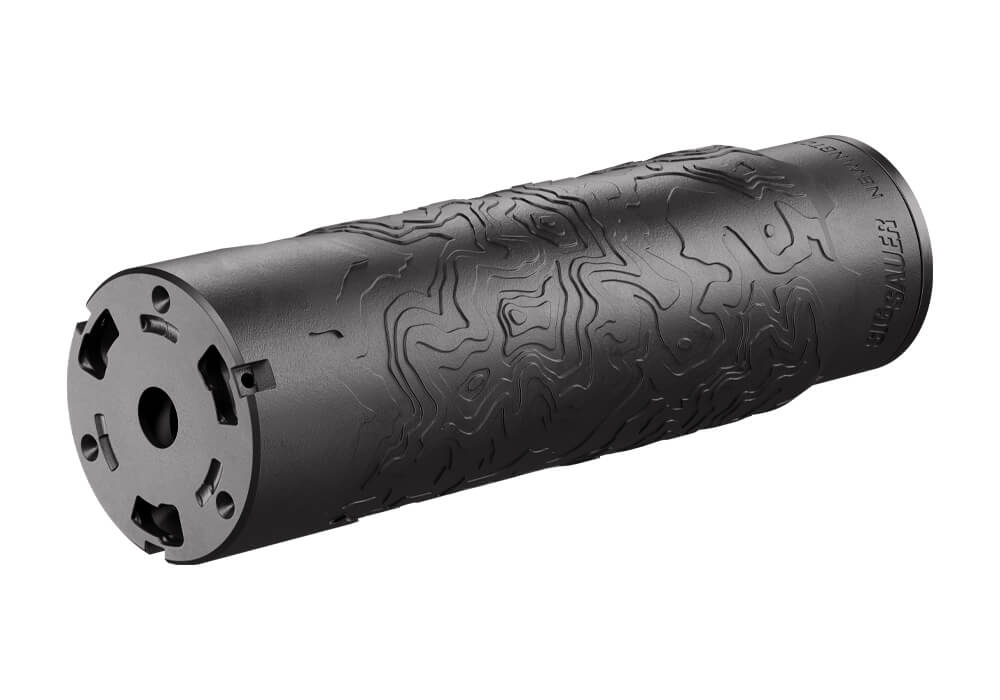
Low-back-pressure rifle suppressors are designed for shooters who want to manage sound, muzzle flash, and felt concussion while limiting the amount of propellant gas redirected toward the shooter. That balance can make a noticeable difference during a long range session, especially on semiautomatic rifles where excess gas may be felt at the charging handle or around the shooter’s face. A suppressor will not make a rifle silent, and hearing protection remains important, but a well-matched system can create a more comfortable shooting experience and help preserve situational awareness. On a cool morning at an outdoor range, the difference is easy to appreciate: the report is less abrupt, the muzzle flash is reduced, and the shooter can stay focused on the target rather than reacting to every shot. Low-back-pressure designs may be especially appealing to those who run modern sporting rifles, short-barreled rifles where legally permitted, or other gas-operated platforms that are sensitive to additional pressure. They can also be useful for hunters who value a more controlled shot without giving up the handling characteristics of a familiar rifle. Before choosing a suppressor, consider the host firearm, chambering, barrel length, firing schedule, and intended environment. A model suited to occasional hunting use may not be the right choice for frequent training with a semiautomatic rifle, while a lightweight option may be favored by someone who carries a rifle over uneven ground during the cooler months. The best selection begins with an honest look at how the rifle is used, how much weight can be added without upsetting its balance, and whether the suppressor’s specifications align with the ammunition and barrel configuration.
Compatibility is one of the most important parts of the buying decision. Confirm that the suppressor is rated for the rifle’s cartridge and barrel length, and review the manufacturer’s guidance for acceptable firing schedules before placing an order. Thread pitch, muzzle-device compatibility, mounting method, and available clearance around handguards can all affect installation. A suppressor that mounts securely and returns to a consistent position is essential for maintaining dependable point of impact, particularly when a rifle is used with a precision optic. Shooters should also expect a change in point of impact when a suppressor is added, even when the shift is small; sighting in the complete rifle-and-suppressor combination is the responsible way to establish a reliable zero. Low-back-pressure construction may help reduce gas at the shooter’s position, but rifle tuning still matters. Adjustable gas blocks, buffer weights, charging handles, and ammunition can influence how a suppressed rifle cycles, and changes should be made carefully rather than all at once. Keeping notes on zero, ammunition, and settings can save time when moving between suppressed and unsuppressed configurations. Maintenance is equally practical: allow the suppressor to cool before handling, inspect mounting surfaces, follow the maker’s cleaning recommendations, and check for looseness during a range session. On a bench covered with cold-weather gear and spent brass, a quick inspection before the next group can prevent a small mounting issue from becoming a larger problem. These suppressors may appeal to experienced rifle owners refining an established setup, hunters preparing a dependable field rifle, or recreational shooters looking for a more comfortable way to practice. They are not typically an impulse gift because acquisition and transfer requirements apply, and the recipient must be legally eligible to possess the item. For someone shopping on behalf of another shooter, a better approach is often to discuss compatibility, intended use, and transfer procedures in advance rather than guessing at a model.
For shooters working with 7.62-class rifles, a purpose-built option can provide a practical balance of durability, sound reduction, and manageable gas behavior across compatible platforms. The category may include setups intended for rifles chambered in .308 Winchester, 7.62 NATO, and other approved cartridges, but caliber markings alone should never be treated as a substitute for checking the complete specifications. Review the suppressor’s rated cartridges, minimum barrel lengths, firing limitations, diameter, length, and weight, then compare those details with the rifle that will carry it. A hunter moving through timber may place a premium on compact dimensions and balance, while a range shooter may give greater weight to sustained-use durability and a mounting system that supports frequent removal and reinstallation. Those exploring this category can also review Low-Back-Pressure 7.62 Suppressors for options intended for compatible 7.62 platforms. Every suppressor purchase should be completed through the required legal process, including any applicable federal, state, and local requirements, registration or transfer steps, background checks, and waiting periods. Laws can vary substantially by jurisdiction and may change, so buyers should verify current requirements with the appropriate authorities and a licensed dealer before ordering. Safe use also means treating the suppressed rifle like any other firearm: keep the muzzle pointed in a safe direction, keep the action open when practical, use suitable ammunition, wear eye and hearing protection, and confirm that the suppressor is properly mounted before firing. With careful selection and responsible setup, a low-back-pressure rifle suppressor can become a useful part of a well-considered shooting system, whether the rifle is being sighted in on a quiet range, carried across a frosted field, or practiced with during the cooler months.