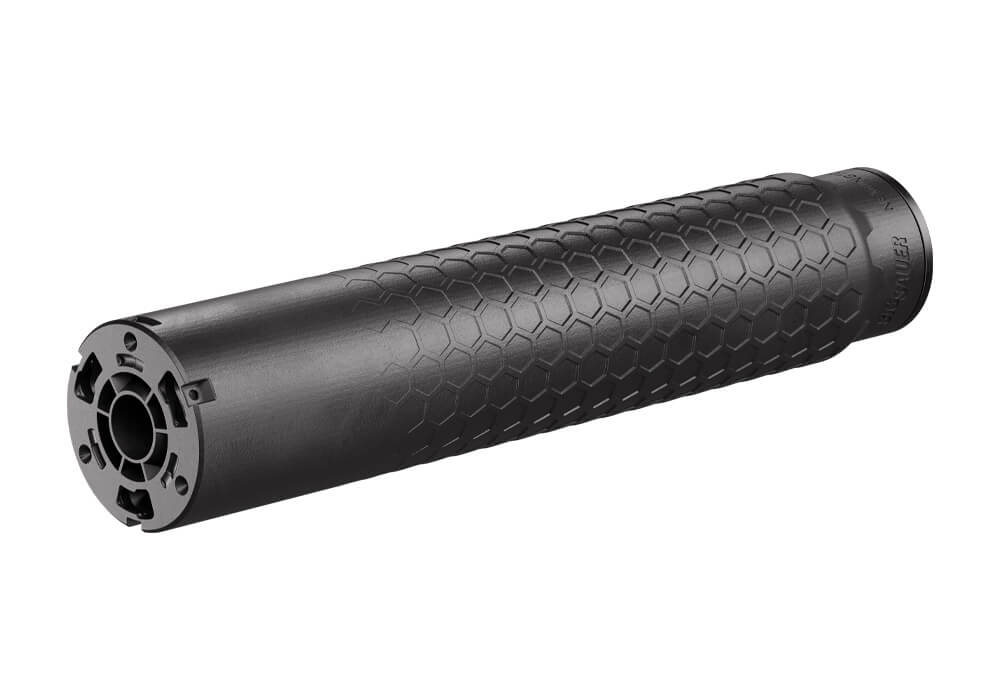
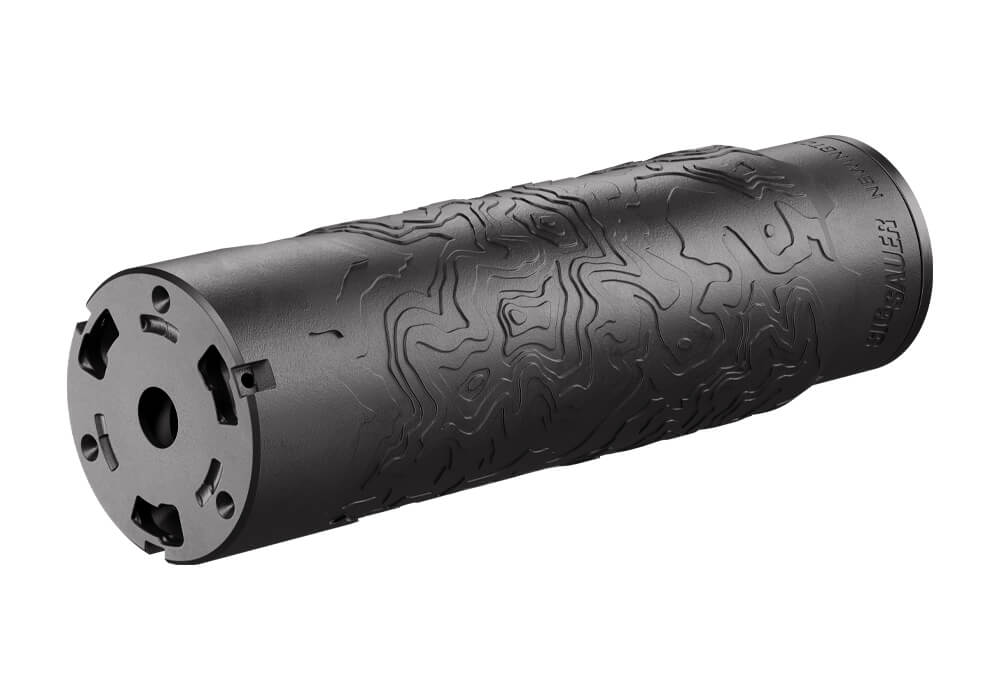
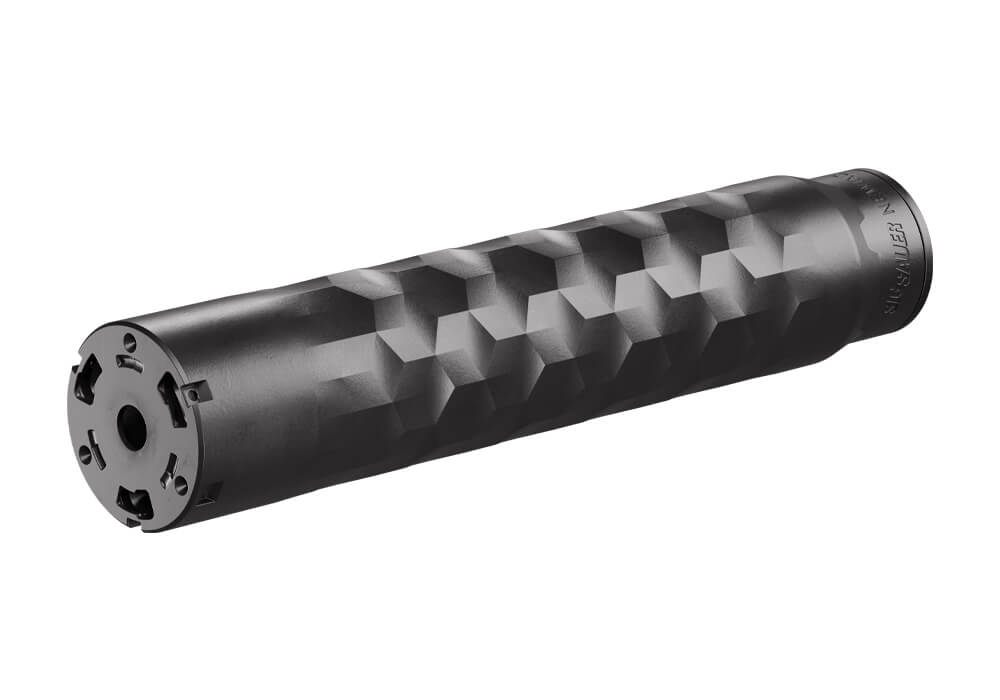
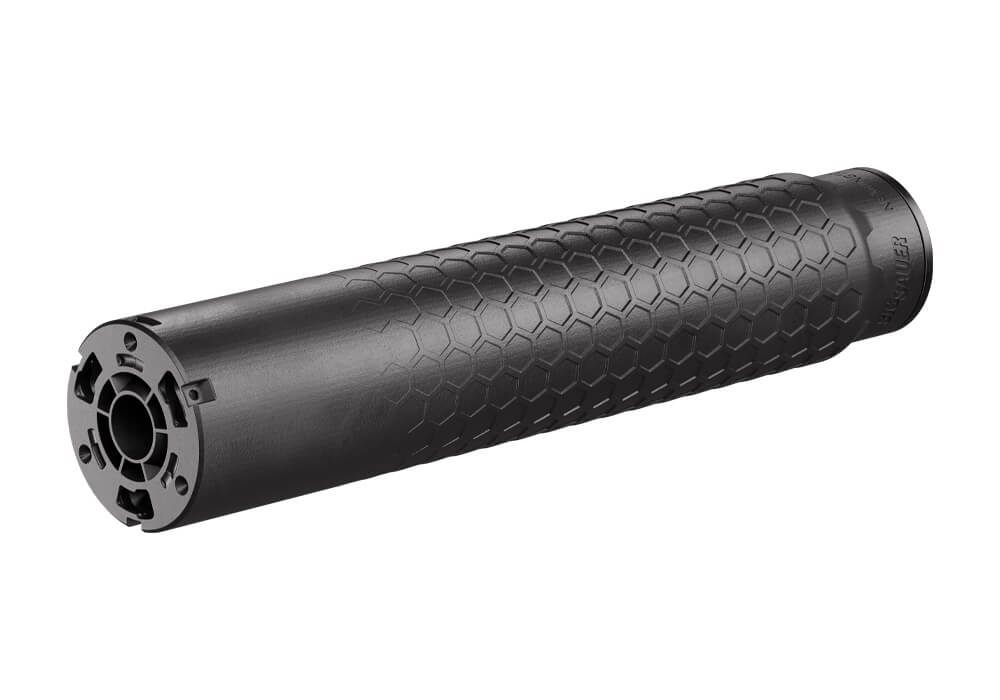
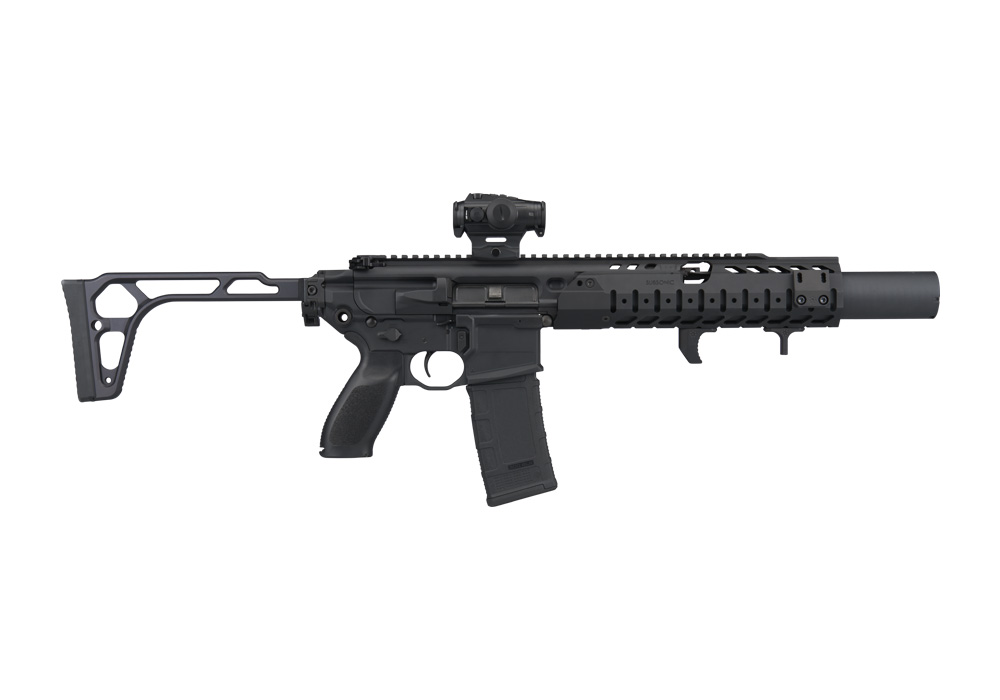
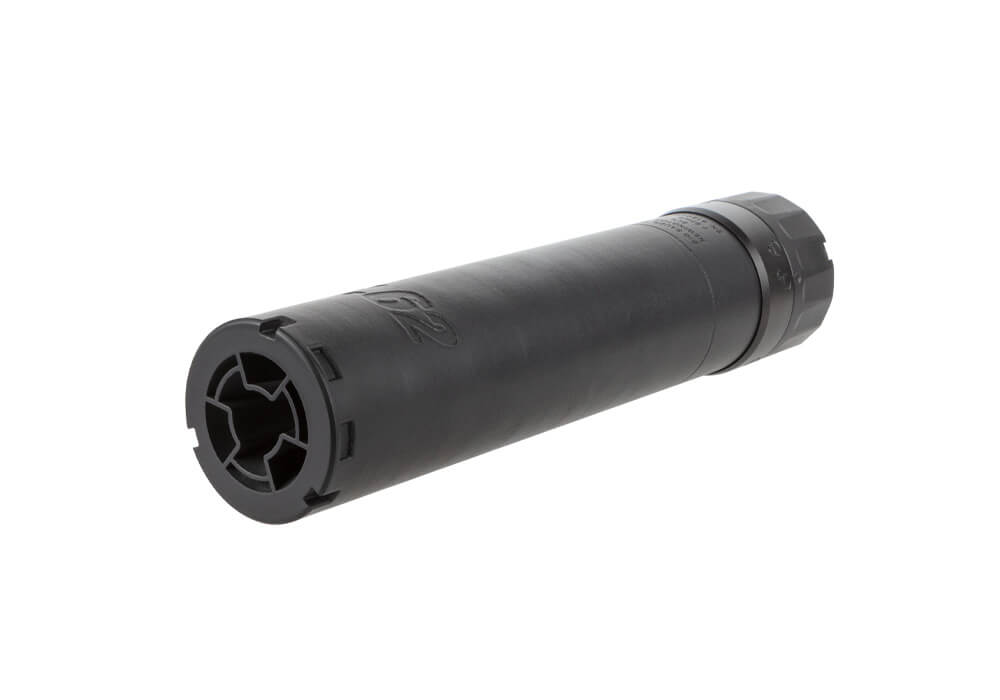
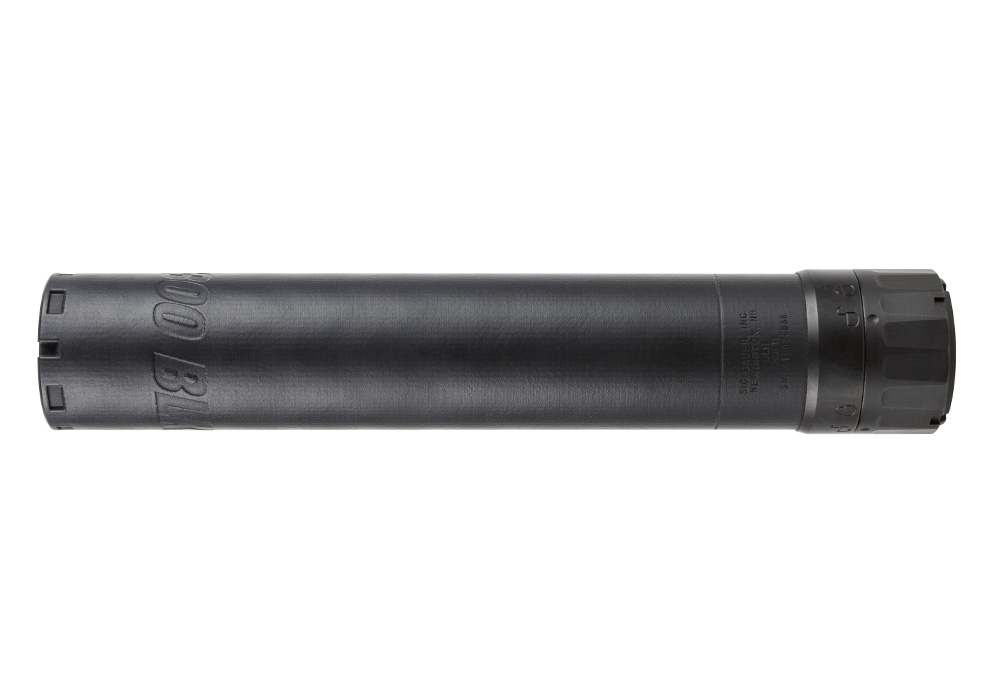
Low-back-pressure 300 Blackout suppressors are designed for shooters who want to manage sound, muzzle flash, and gas behavior while preserving the compact, practical character of a 300 Blackout firearm. This cartridge is especially well suited to suppressed use because it can be paired with both subsonic and supersonic ammunition, giving the same host a useful range of capabilities. Subsonic loads can provide a notably quiet experience when paired with a properly configured suppressor, while supersonic loads offer a flatter trajectory and greater downrange energy for applications that call for them. A low-back-pressure design focuses on redirecting and controlling propellant gases in a way that can reduce the amount of gas driven back toward the shooter through the action. That can mean a more comfortable shooting experience, less visible disturbance around the ejection port, and cleaner-feeling operation over a long session, although results vary with ammunition, barrel length, firearm configuration, and individual setup. These suppressors may appeal to recreational shooters, hunters, property owners, and defensive-minded firearm owners who value a compact platform that is easier on the ears and more pleasant to handle. During the cooler months, when shooters often spend longer stretches on an outdoor range or in a blind, thoughtful sound and blast management can make the experience more comfortable. Hearing protection remains important, and a suppressor should be treated as one part of a broader approach to responsible firearm use rather than a substitute for safe handling or appropriate protective equipment.
When selecting a low-back-pressure 300 Blackout suppressor, start by confirming compatibility with the host firearm, intended ammunition, and mounting system. The suppressor should be rated for the pressures and projectile diameter associated with the cartridges you plan to use, and the barrel length restrictions should be reviewed carefully before purchase. A compact suppressor may be attractive on a short-barreled firearm because it adds less overall length, while a longer model may provide additional sound reduction or improved performance depending on its internal design. Weight also matters: a suppressor mounted near the muzzle can change the balance of a firearm, and even a modest difference becomes noticeable when carrying a rifle through thick cover or keeping it shouldered for an extended period. Mounting options deserve equal attention. Direct-thread systems can offer a simple, lightweight connection, while quick-detach systems may be convenient for users who move one suppressor among compatible hosts. Whichever system is selected, confirm thread specifications, shoulder dimensions, alignment, and the manufacturer’s installation instructions. Proper alignment is essential, and an alignment check performed by a qualified professional can help prevent damage to the suppressor or firearm. Shooters who alternate between subsonic and supersonic ammunition should also understand how point of impact, cycling behavior, and gas settings can change between loads. A firearm that runs smoothly with one load may need adjustment with another, particularly when using an adjustable gas system or a shorter barrel. The most satisfying setup is usually the one matched to a clear purpose, whether that means quiet practice, field carry, reduced blast around companions, or a balanced combination of all three.
A suppressor is a regulated firearm accessory, and purchasing one requires more planning than ordering ordinary range equipment. Buyers should review all applicable federal, state, and local laws, confirm the transfer requirements in their jurisdiction, and be prepared to work through the required approval process with a properly licensed dealer. Ownership, possession, transport, storage, and use rules can differ depending on location and individual circumstances, so legal guidance should come from current official sources or a qualified professional. Suppressors should be stored securely, inspected periodically, and allowed to cool before handling or placing them in a case. Routine care may include checking the mounting interface, watching for unusual wear, following the manufacturer’s cleaning recommendations, and avoiding unauthorized modifications. Because of the legal process involved, a suppressor is rarely an impulse purchase or a simple last-minute present; it is better considered a long-term gift for an experienced shooter who understands the responsibilities and is prepared to complete the transfer in their own name where required. For owners building a versatile collection, pairing a 300 Blackout suppressor with a compatible suppressor for another popular rifle caliber can broaden the usefulness of existing equipment. Explore Low-Back-Pressure 5.56 Suppressors when comparing options for a separate host. With the right combination of caliber rating, mounting method, dimensions, and gas-management characteristics, a low-back-pressure 300 Blackout suppressor can become a dependable part of a carefully configured firearm system for range days, field use, and quiet practice throughout the year.