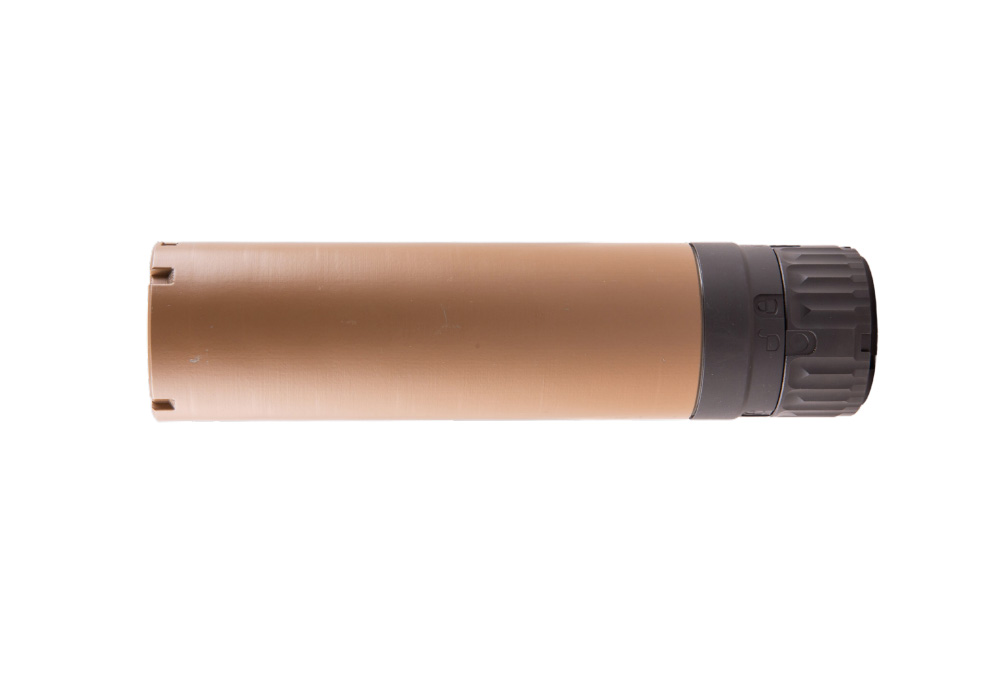
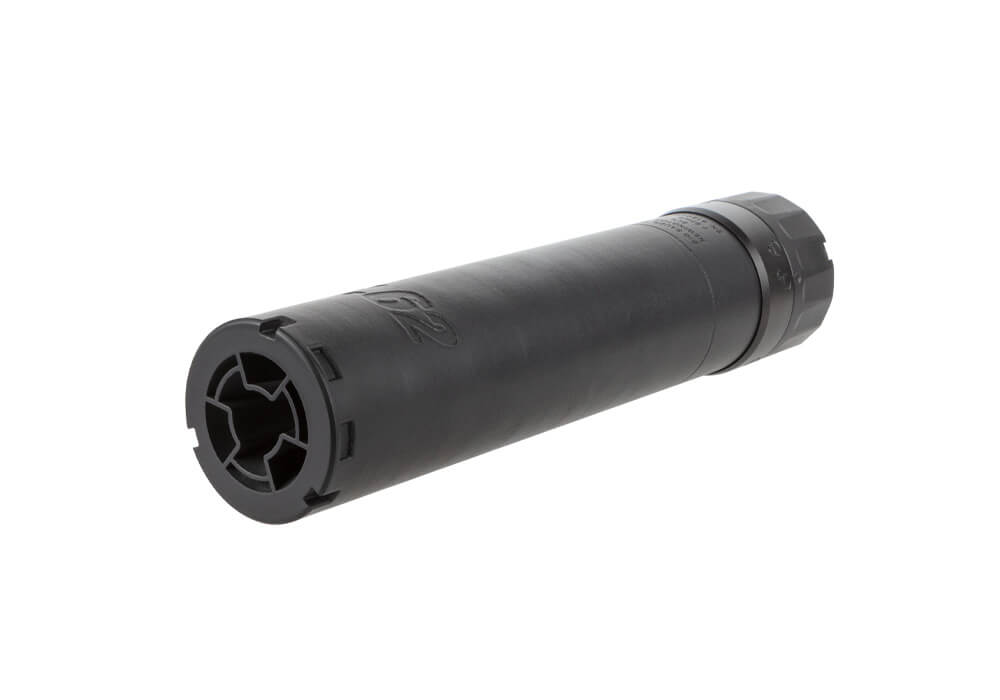
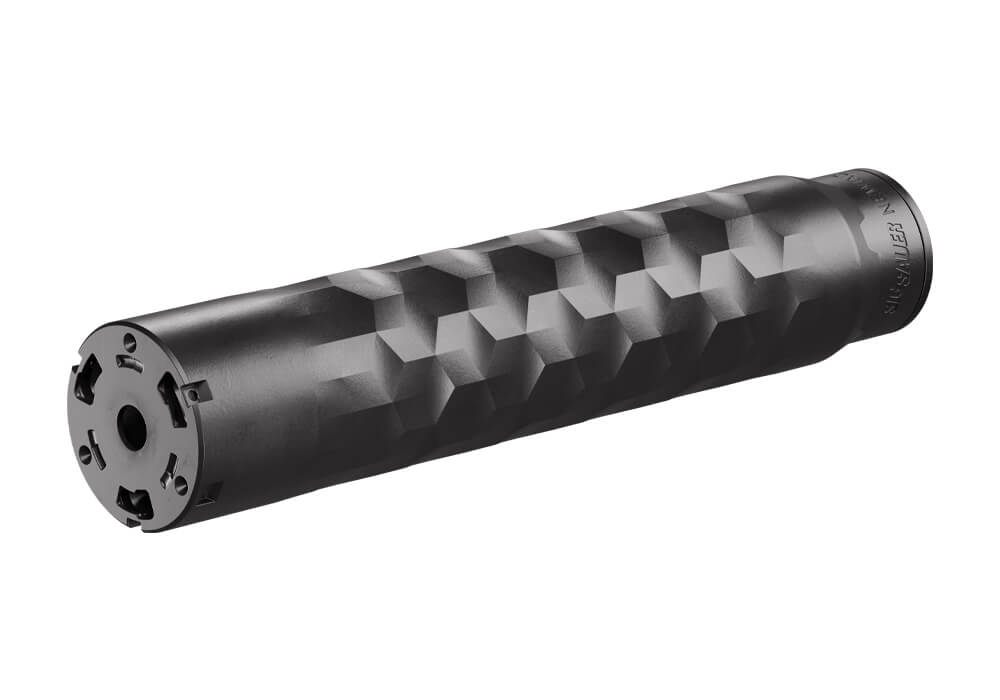
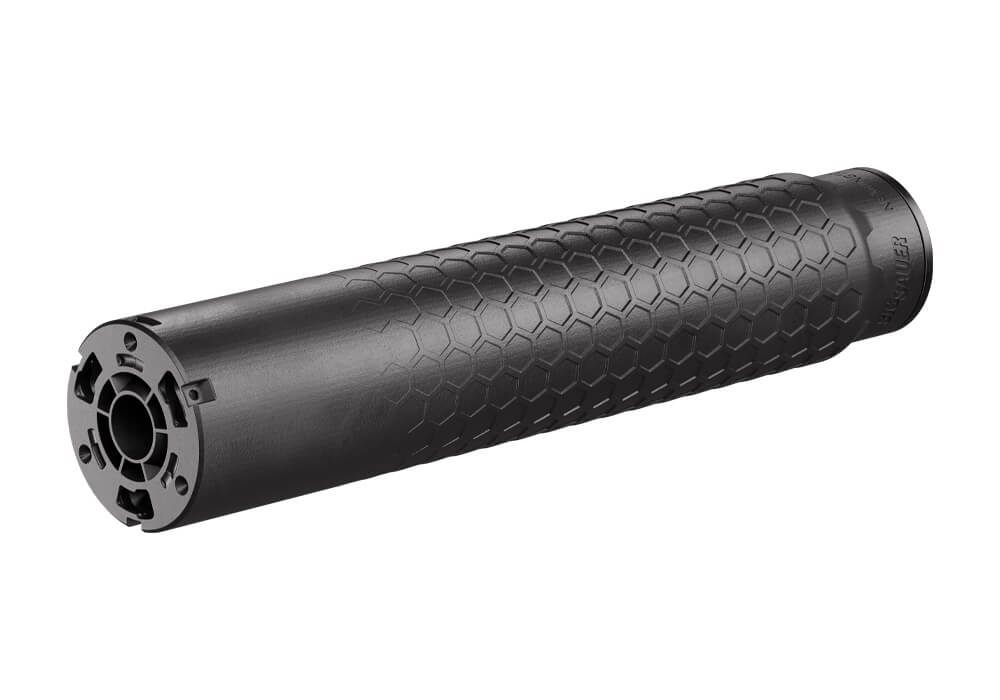
Low-back-pressure 7.62 suppressors are designed for shooters who want to reduce muzzle report, flash, and concussion while helping limit the amount of propellant gas redirected toward the action and shooter. The 7.62 designation covers a broad range of centerfire cartridges, so compatibility should always be confirmed before purchase. A suppressor intended for .308 Winchester or 7.62 NATO may not be rated for every cartridge commonly described as 7.62, including certain short-action, magnum, or higher-pressure loads. Check the suppressor’s caliber rating, pressure limits, barrel-length requirements, and ammunition guidance alongside the specifications of the firearm. This is especially important for semiautomatic rifles, where excess gas can affect cycling, create additional fouling, and make an otherwise comfortable shooting session feel unnecessarily harsh. A low-back-pressure design can help produce a smoother experience by managing the flow of gas through the suppressor rather than sending as much of it rearward through the action. It may also be a practical choice for shooters who spend time on a covered firing line, in a blind, or in other environments where muzzle blast and airborne gas are more noticeable. Suppression does not make a firearm silent, and hearing protection remains essential, particularly during extended sessions, with supersonic ammunition, or when shooting around hard surfaces that reflect sound. The result is best understood as a reduction in report and disturbance—not an invitation to overlook safe handling, eye and ear protection, or range rules.
When comparing low-back-pressure 7.62 suppressors, start with the way the firearm will actually be used. A rifle carried through dense timber or transported over long distances may benefit from a shorter, lighter configuration, while a precision rifle used from a bench or a fixed position may allow more flexibility in length and weight. Every ounce at the muzzle can change the balance of a rifle; a setup that feels steady on a bench may feel noticeably front-heavy during a long walk across uneven ground. Diameter, mounting system, overall length, and material construction all deserve attention, as do the suppressor’s cleaning and inspection requirements. Direct-thread mounting can offer a straightforward, compact setup, while quick-detach systems may be useful for shooters who move one suppressor among compatible rifles. Whichever system is selected, the mount must be properly matched to the barrel thread pattern and installed according to the manufacturer’s instructions. Alignment is critical, and a qualified gunsmith can help verify that the suppressor, mount, barrel, and ammunition are appropriate as a complete system. It is also wise to consider the rifle’s gas adjustment options, optic clearance, sling position, and storage method before settling on a configuration. During the cooler months, a suppressed rifle may produce a visible cloud of vapor around the muzzle as warm gases meet cold air, while longer strings of fire can create substantial heat mirage and a hot exterior surface. Allowing the suppressor to cool safely, transporting it in suitable protective equipment, and following maintenance guidance will help preserve its finish and performance.
These suppressors are often considered by hunters, recreational shooters, precision rifle users, and professionals who need a more manageable shooting environment without giving up the performance of a full-power cartridge. A hunter working from a quiet stand may value reduced disturbance and a smaller muzzle signature, while a range user may appreciate less concussion for everyone sharing the firing line. For a precision shooter, the benefit can include a more comfortable position behind the rifle and less disruption when observing impacts through a scope. Suppression can also make training more approachable for experienced shooters who are sensitive to blast, though the firearm remains a powerful tool that requires deliberate handling every time it is loaded. Because suppressors are regulated items in many jurisdictions, they are not casual gifts in the same way as a case, sling, or cleaning accessory. Anyone purchasing one should review applicable federal, state, and local requirements, complete the required transfer process, and confirm eligibility before taking possession. The intended recipient should also have a compatible firearm, suitable ammunition, and a clear understanding of safe storage and transport laws. Shooters who use smaller-caliber rifles may want to explore Low-Back-Pressure 5.56 Suppressors, while those selecting a 7.62 model should focus on the cartridge and barrel specifications of their primary rifle. With the right match between suppressor, firearm, mount, and ammunition, a low-back-pressure 7.62 setup can bring a calmer rhythm to the range: the action cycles with less distraction, the sight picture settles more naturally, and the sharp crack of each shot is moderated without losing the character of the rifle.